
 한국어
한국어 English
 日本語
日本語 中文(简体)
 Viewing nowCombination
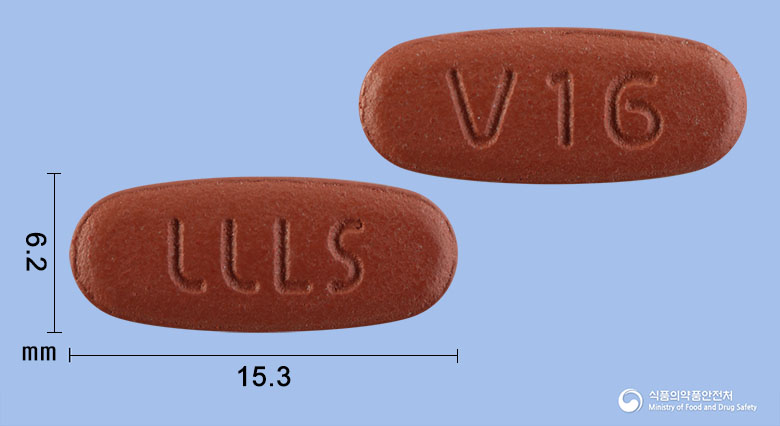
Vasartan Plus Tablet 160/12.5 mg
Valsartan 160mg · Hydrochlorothiazide 12.5mg
Tablet · Prescription medication · Combination
White Biotechnology Co., Ltd.
MFDS item code 201403270 · Approved 2014.07.21 · Insurance code 625200600
Improvement of blood pressure control in essential hypertension
This medicine is used to effectively control the blood pressure of patients with essential hypertension whose blood pressure is not adequately controlled by monotherapy.
The recommended adult dosage is 1 tablet of Valsartan 80 mg/Hydrochlorothiazide 12.5 mg once daily, taken with a small amount of water regardless of meals. For blood pressure reduction, the prescribed dosage of Valsartan 160 mg/Hydrochlorothiazide 12.5 mg should be applied. For patients with renal impairment classified as mild to moderate (creatinine clearance over 30 mL/min), dosage adjustment is not necessary.
This medication can cause serious harm to the fetus if taken during pregnancy, especially in the second and third trimesters, and should be discontinued immediately upon confirmation of pregnancy. Patients who have hypersensitivity to any component of this medicine or a history of certain hepatic disorders, renal disorders, or angioedema should not use it. Patients with certain conditions such as electrolyte imbalance, impaired renal function, liver dysfunction, diabetes, or heart failure should use this medication with caution, and elderly patients should also be monitored carefully. This medication may cause dizziness or drowsiness, so caution is needed when driving or operating machinery. Potassium supplements or potassium-containing foods should not be taken without consulting a doctor, and healthcare providers should be notified immediately if symptoms related to low blood pressure occur. Regular monitoring of renal function and electrolyte levels is essential while using this medication. The hydrochlorothiazide component may react sensitively to sunlight, requiring sunblock and skin protection, and any skin abnormalities should be reported immediately. There may be interactions with other medications, so consult a doctor particularly when using it with lithium, NSAIDs, or potassium-sparing diuretics. It is advisable to avoid using this medication during pregnancy or breastfeeding, and breastfeeding should also be discussed with a specialist. Safety and efficacy for children have not been established, so it is recommended not to use it in this population. In case of overdose, symptoms such as low blood pressure, arrhythmias, and electrolyte imbalances may occur, requiring immediate medical attention.
Urticaria, severe swelling (edema), chest tightness, difficulty breathing, symptoms resembling anaphylaxis, angioedema, hepatitis, renal failure, hyperkalemia, hyponatremia, shock, syncope, loss of consciousness, agranulocytosis, leukopenia, thrombocytopenia, aplastic anemia, hemolytic anemia, necrotizing vasculitis, toxic epidermal necrolysis (Stevens-Johnson syndrome), interstitial pneumonia, pulmonary edema, exacerbation of systemic lupus erythematosus, hypoglycemia, rhabdomyolysis, angioedema.
Not everyone experiences these, and they can vary from person to person.
This medication is sensitive to air and moisture and should be stored in a tightly sealed container. Additionally, it is best stored at a cool temperature below 30 degrees Celsius.
Dark red oval film-coated tablet
30 tablets/bottle, 100 tablets/bottle
Even with the same ingredient, strength, dosage form and how it is taken can differ.
Viewing nowCombinationValsartan 160mg · Hydrochlorothiazide 12.5mg
Tablet · Prescription medication · Combination
White Biotechnology Co., Ltd.
 Combination
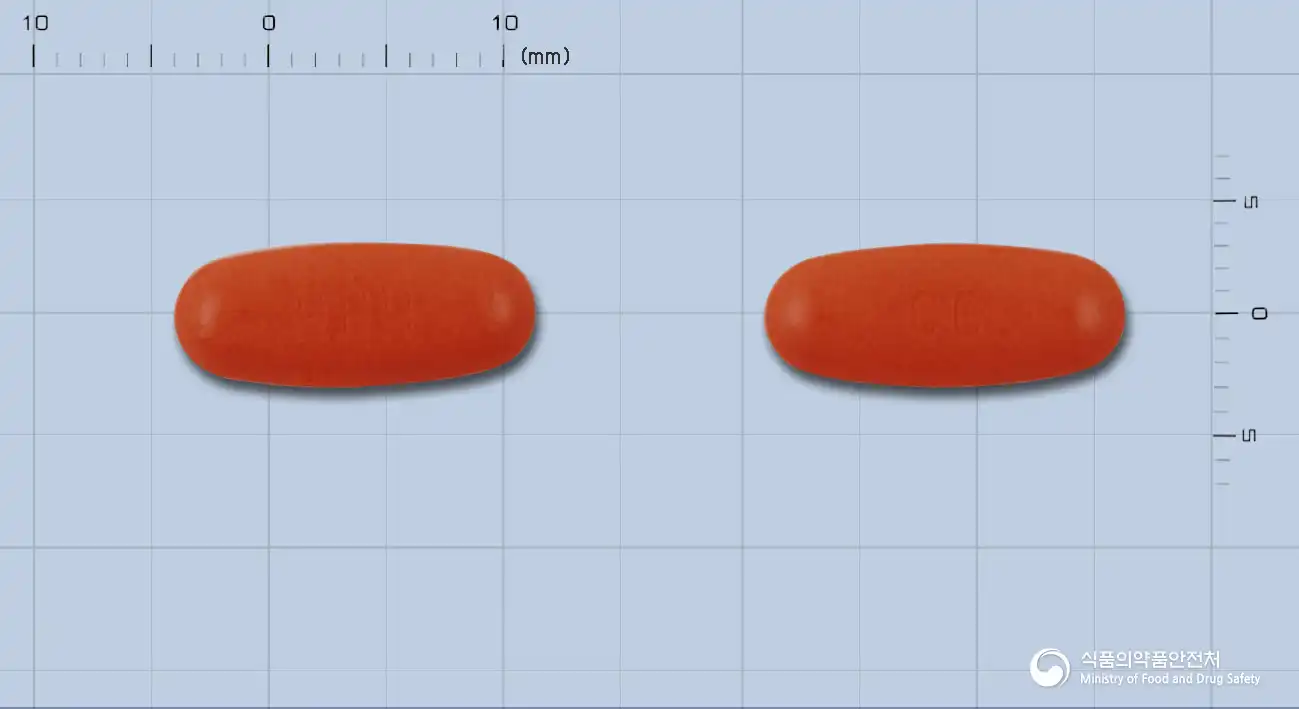
Valsartan 160mg · Hydrochlorothiazide 12.5mg
Tablet · Prescription medication · Combination
Novartis Korea Co., Ltd.
Valsartan · Hydrochlorothiazide
Prescription medication · Combination
Sandoz Korea Co., Ltd.
Valsartan · Hydrochlorothiazide
Prescription medication · Combination
Sandoz Korea Co., Ltd.
 Combination
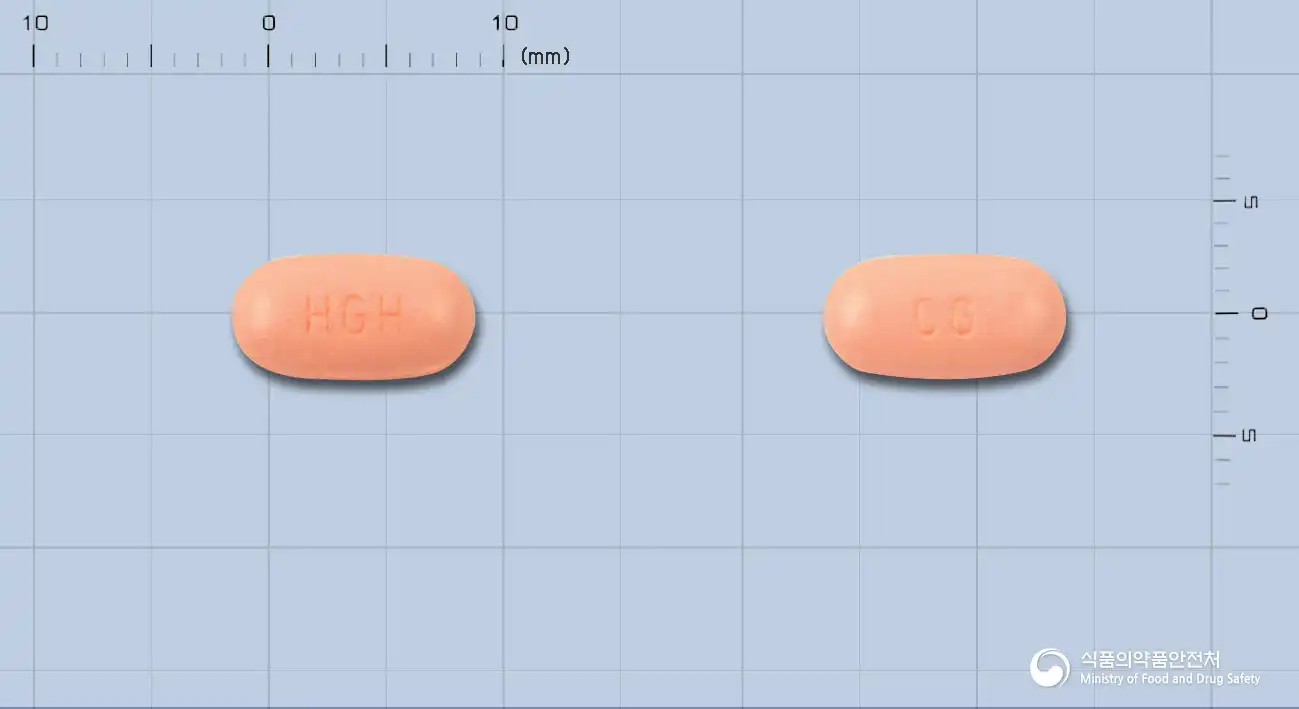
Valsartan 80mg · Hydrochlorothiazide 12.5mg
Tablet · Prescription medication · Combination
Novartis Korea Co., Ltd.
 Combination
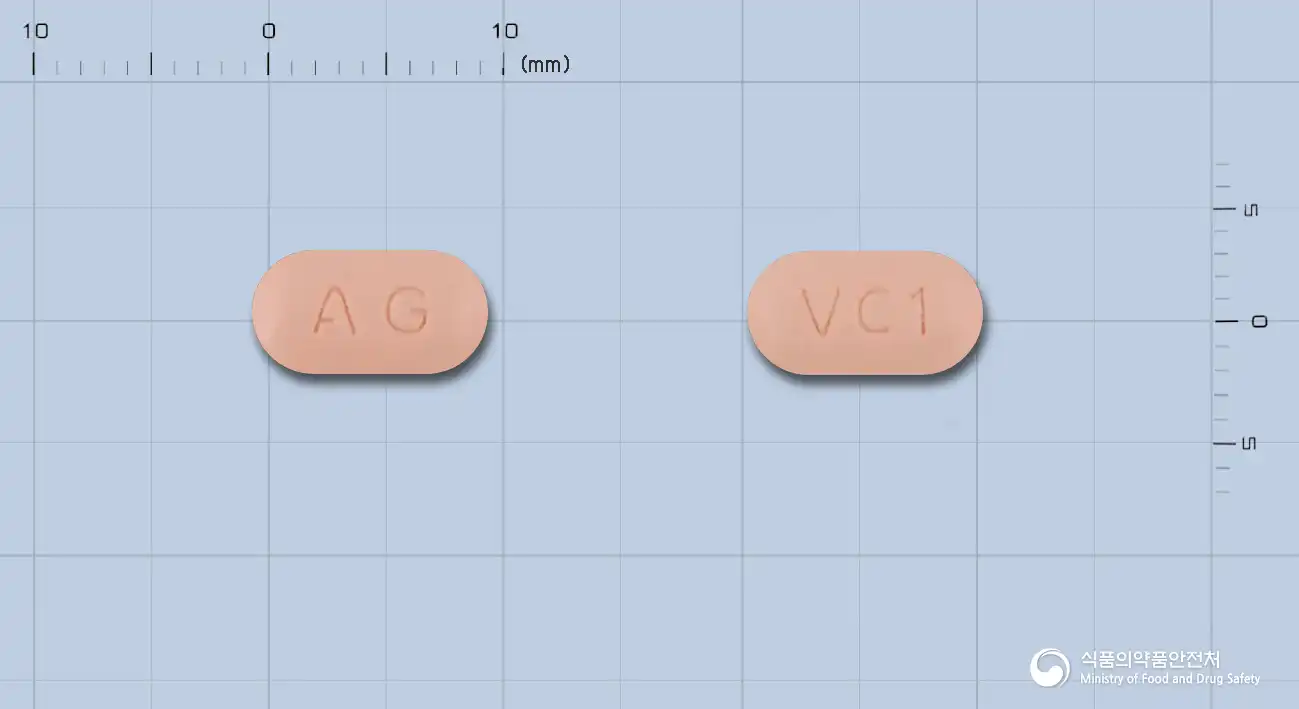
Valsartan 80mg · Hydrochlorothiazide 12.5mg
Tablet · Prescription medication · Combination
Anguk Pharmaceutical Co., Ltd.
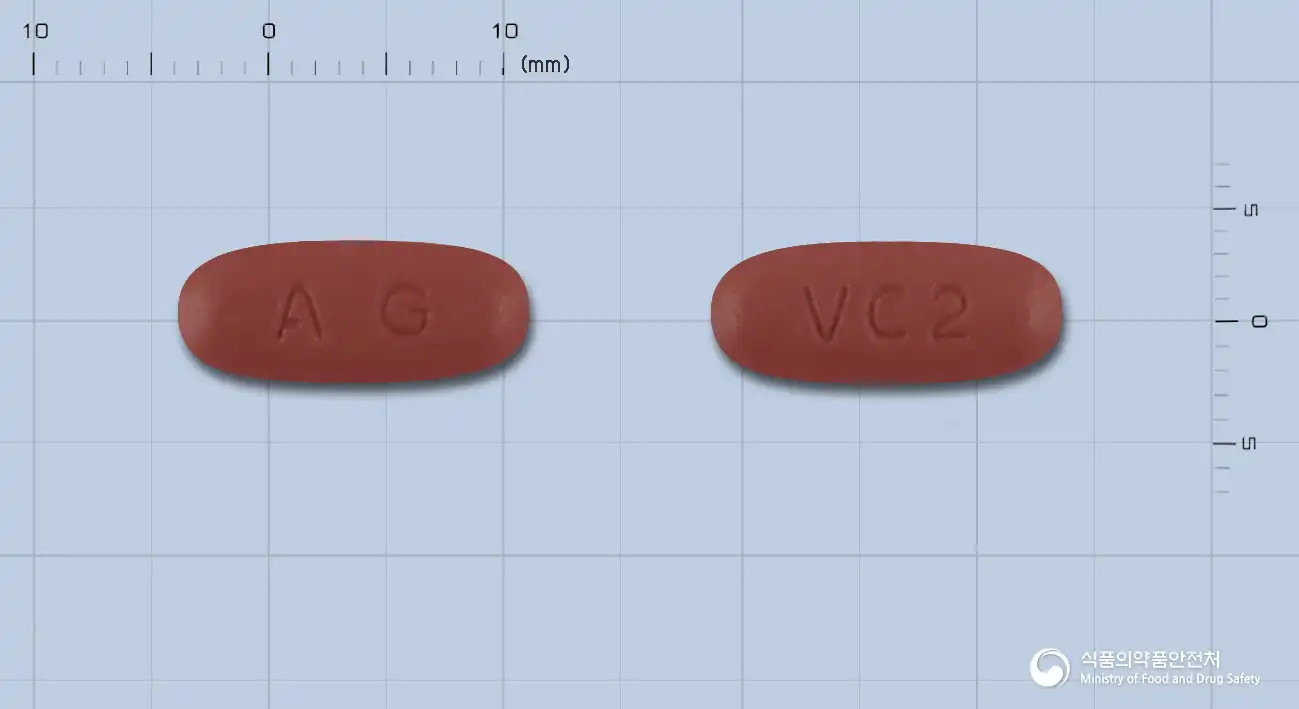 Combination
Valsartan 160mg · Hydrochlorothiazide 12.5mg
Tablet · Prescription medication · Combination
Anguk Pharmaceutical Co., Ltd.
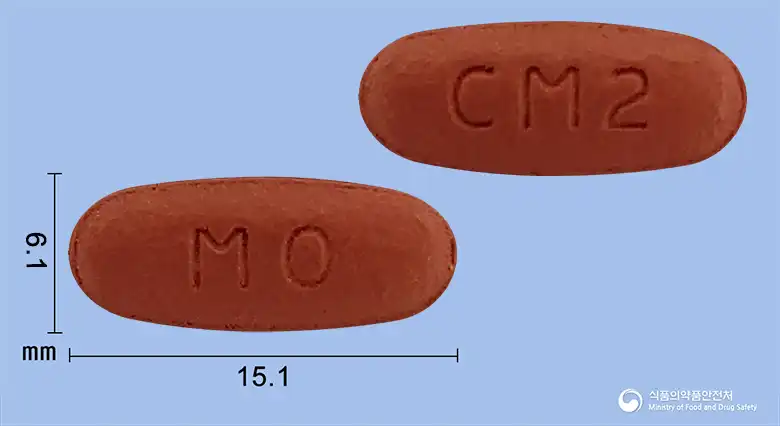 Combination
Valsartan 160mg · Hydrochlorothiazide 12.5mg
Tablet · Prescription medication · Combination
Albozen Korea Co., Ltd.
Even with the same ingredient, the dose and directions can differ by strength and dosage form. Talk to a doctor or pharmacist before switching from a medication you are already taking.
No questions yet.
For anything that needs medical judgment, consult a doctor or pharmacist.
This drug information is based on data provided by the Korea Ministry of Food and Drug Safety.
Consult a doctor or pharmacist for accurate dosage, administration, and usage instructions.