
 한국어
 English
 日本語
 中文(简体)
 Viewing now
Alpha Lipoic Acid Tablets (Thioctacid)
Thioctic Acid 200mg
Tablet · Prescription medication
Huons Meditech Co., Ltd.
MFDS item code 201403264 · Approved 2014.07.21
Relief of diabetic polyneuritis
This medication is used to relieve the symptoms of polyneuropathy caused by diabetes. It reduces pain and sensory disturbances due to nerve damage and helps restore nerve function. This reduces the discomfort experienced by patients in their daily lives and improves their quality of life.
Adults: Administer 600mg of thioctic acid orally once daily, 30 minutes before a meal, with a little water and without chewing, unless otherwise prescribed. Adjust the dose as appropriate according to age and symptoms.
This medication should not be used in patients with hypersensitivity. Additionally, it is not safe to administer to children and adolescents due to a lack of clinical experience. This medication contains lactose, so it should not be given to patients with genetic lactose metabolism disorders. During use, gastrointestinal-related symptoms such as nausea, vomiting, diarrhea, and abdominal pain may rarely occur. Allergic reactions such as skin rash, urticaria, and itching may also rarely occur. Caution is required as hypoglycemic symptoms such as dizziness, sweating, headache, and visual disturbances may appear due to a drop in blood sugar. Taste disorders may rarely occur, so report any abnormal symptoms. Alcohol consumption may worsen nerve damage and reduce the effectiveness of this medication, so it is advisable to avoid it as much as possible. This drug may be less effective when used with certain anticancer agents, hence caution is advised. When taken with insulin or other hypoglycemic agents, blood sugar may drop too low, so careful management of blood sugar is necessary. It is important not to take this medication with foods or drugs containing metal components such as iron, magnesium, or calcium. Pregnant or breastfeeding women should use it cautiously after consulting a physician, and it is safe not to administer while breastfeeding. Severe poisoning symptoms may occur in case of overdose, so strictly adhere to the prescribed dose. If poisoning symptoms are suspected, seek appropriate treatment at the hospital immediately. This medication should be kept out of the reach of children and stored in its original container to maintain quality and safety.
Nausea, vomiting, diarrhea, gastrointestinal pain, skin rash, urticaria, itching, dizziness due to decreased blood sugar levels, sweating, headache, visual disturbances, taste disturbances, indigestion, frequent urination, palpitations, abdominal bloating, altered consciousness, psychomotor agitation, seizures, lactic acidosis, hypoglycemia, shock, rhabdomyolysis, hemolysis, disseminated intravascular coagulation, bone marrow suppression, multiple organ failure
Not everyone experiences these, and they can vary from person to person.
This medication may be sensitive to air and moisture, so it should be stored in a tightly sealed container. It is best to maintain room temperature between 1 degree and 30 degrees Celsius. This way, the effectiveness of the medication can be preserved for a longer time.
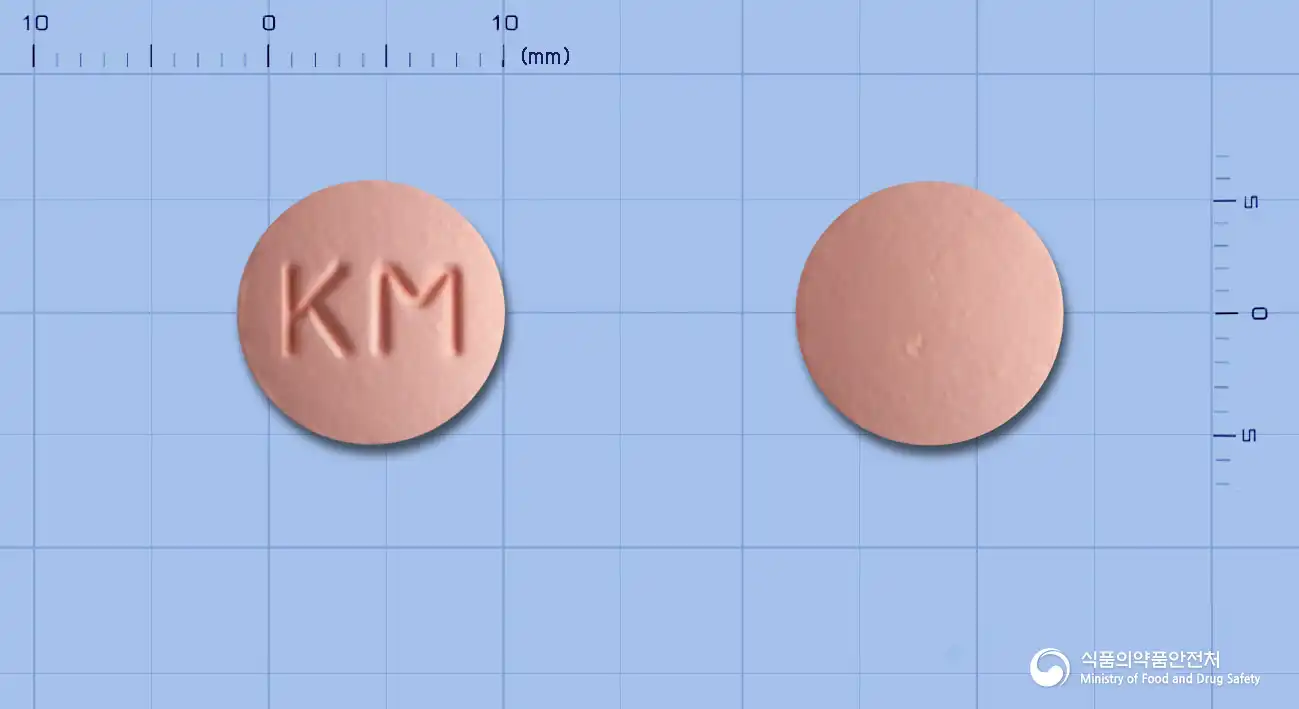
Pink round film-coated tablet
30 tablets/bottle, 500 tablets/bottle
Even with the same ingredient, strength, dosage form and how it is taken can differ.
Viewing nowThioctic Acid 200mg
Tablet · Prescription medication
Huons Meditech Co., Ltd.
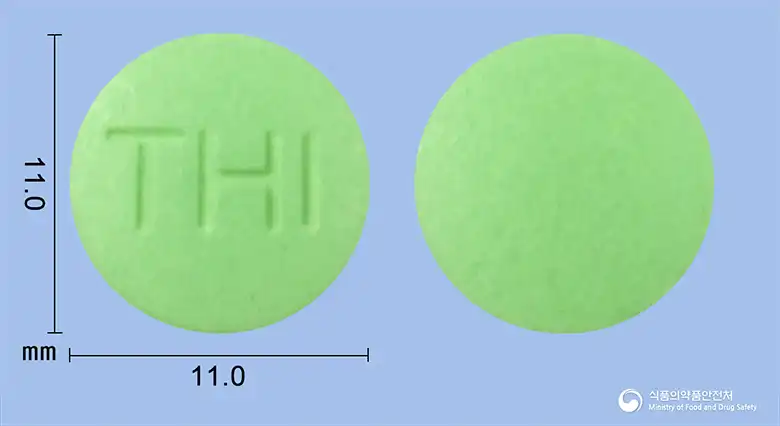
Thioctic Acid 200mg
Tablet · Prescription medication
Bukwang Pharmaceutical Co., Ltd.
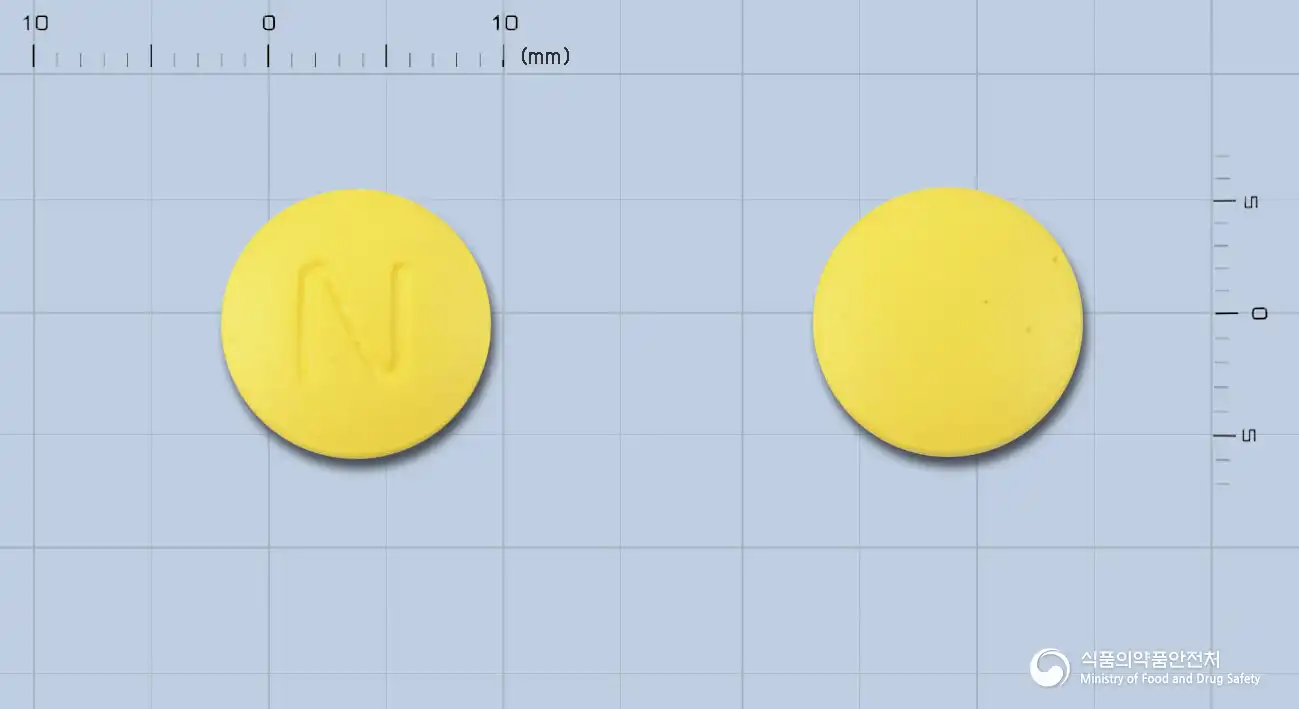
Thioctic Acid 200mg
Tablet · Prescription medication
Jongkundang Co., Ltd.
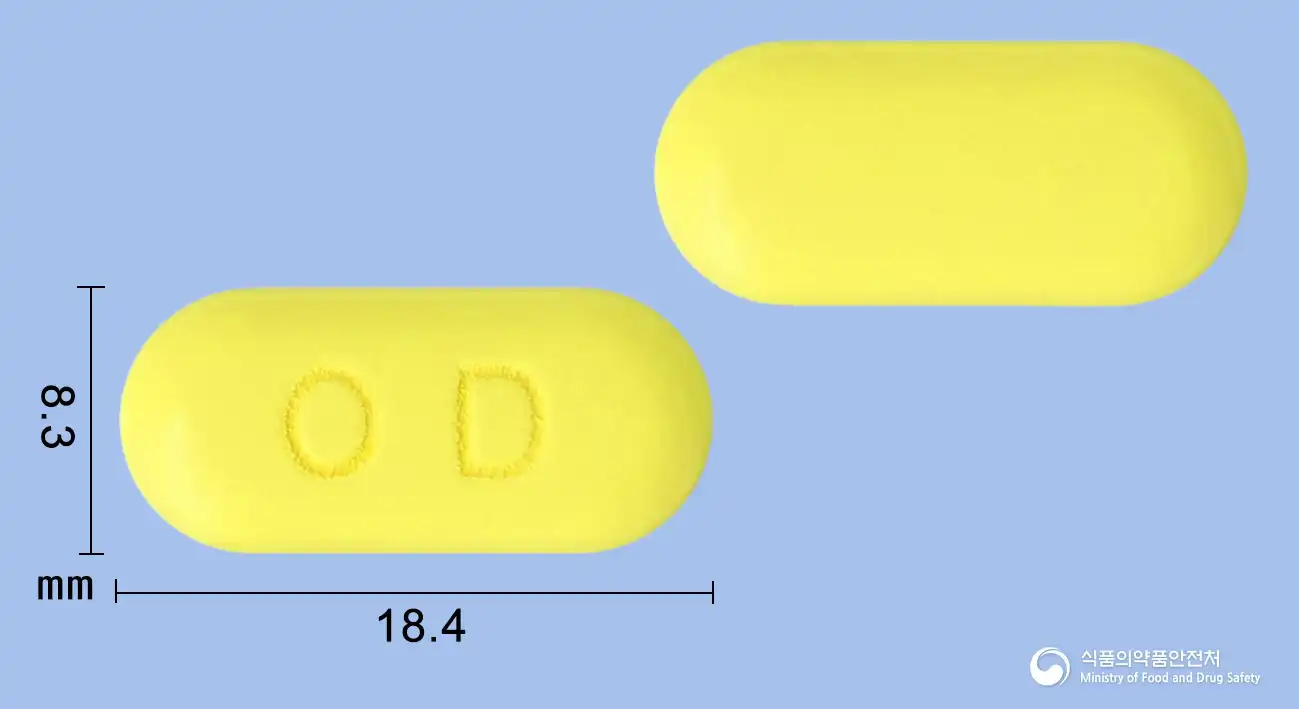
Thioctic Acid 600mg
Tablet · Prescription medication
Jongkundang Co., Ltd.
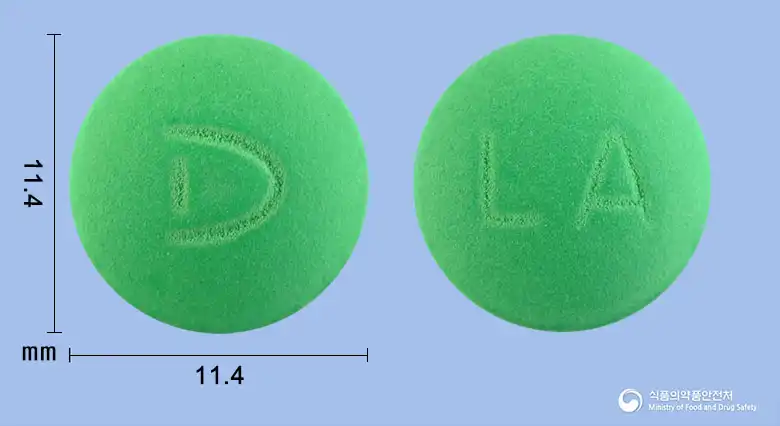
Thioctic Acid 200mg
Tablet · Prescription medication
Darim Biotech Co., Ltd.
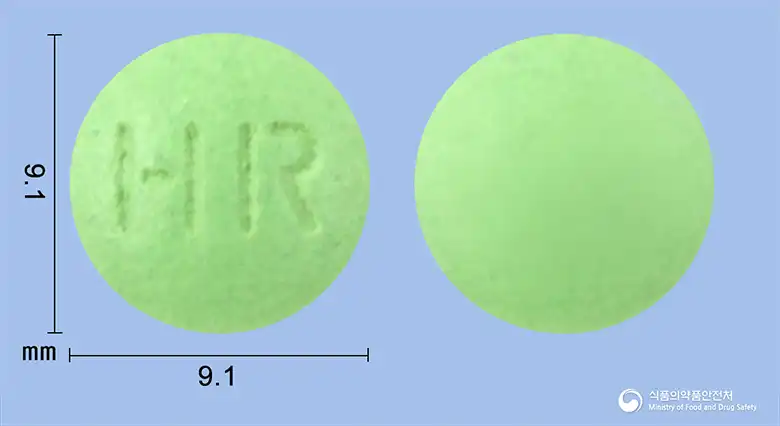
Thioctic Acid 600mg
Tablet · Prescription medication
Bukwang Pharmaceutical Co., Ltd.
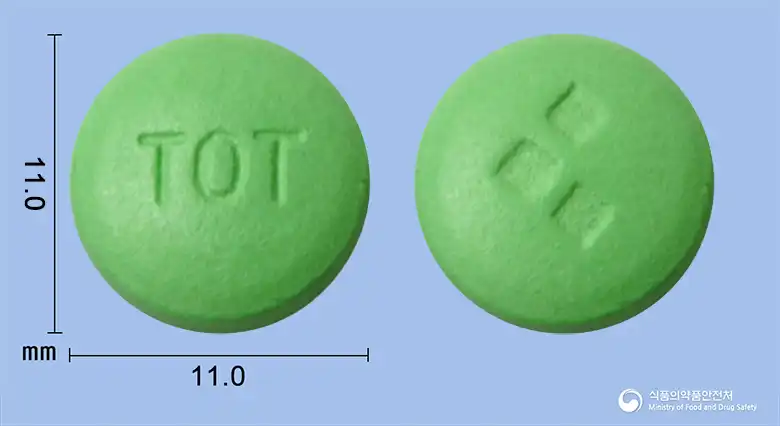
Thioctic Acid 200mg
Tablet · Prescription medication
Myungjin Pharmaceutical Co., Ltd.
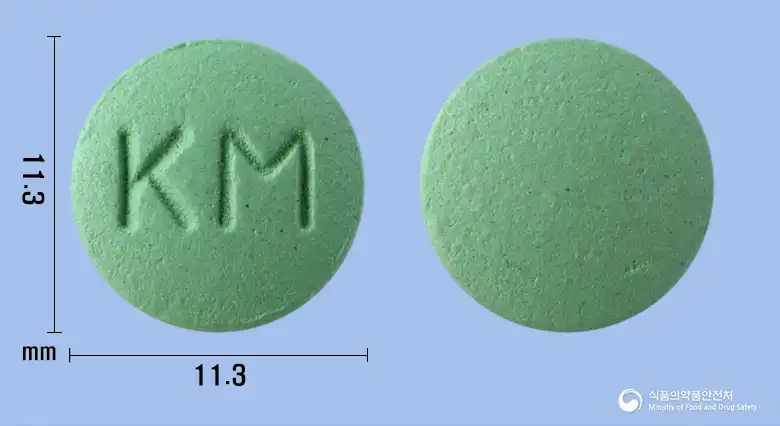
Thioctic Acid 200mg
Tablet · Prescription medication
(Huons Co., Ltd.)
Even with the same ingredient, the dose and directions can differ by strength and dosage form. Talk to a doctor or pharmacist before switching from a medication you are already taking.
No questions yet.
For anything that needs medical judgment, consult a doctor or pharmacist.
This drug information is based on data provided by the Korea Ministry of Food and Drug Safety.
Consult a doctor or pharmacist for accurate dosage, administration, and usage instructions.