
 한국어
한국어 English
 日本語
日本語 中文(简体)
 Viewing now
Magmil S Tablets (Magnesium Oxide)
Magnesium Oxide 250mg
Tablet · OTC medication
Samnam Pharmaceutical Co., Ltd.
MFDS item code 201403242 · Notified 2014.07.18 · Insurance code 653702060
Improvement of symptoms related to stomach (ulcers, inflammation) and excessive gastric acid, and relief of constipation
This medication helps improve symptoms from gastrointestinal disorders such as gastric and duodenal ulcers, gastritis, and excessive gastric acid through its antacid action. It is also used to relieve symptoms of constipation. Therefore, it is effective in managing both gastrointestinal discomfort and constipation issues simultaneously.
For gastric and duodenal ulcers, gastritis, and excessive gastric acid, take 0.5-1g of magnesium oxide daily in several divided doses. For constipation, take 2g daily in 1-2 divided doses. Start with the minimum dose and adjust gradually while observing the shape and condition of the stool.
This medication should not be used in patients with severely impaired renal function. Poor renal function can lead to excessive accumulation of magnesium in the body, which can be harmful to health. Additionally, it is advisable not to administer this medication to patients with diarrhea. Severe diarrhea may alter the medication's effectiveness or side effects. Caution should be exercised when administering this medication to patients with heart problems, those with already elevated serum magnesium levels, and elderly patients aged 65 years and older. These individuals may react more sensitively to the medication. When taking this medication, note that gastrointestinal side effects such as diarrhea may occur. Long-term intake of large amounts can elevate serum magnesium levels, so it's important to regularly check the status and reduce or discontinue the dosage if necessary. If symptoms such as dizziness, slowed pulse, severe drowsiness, decreased consciousness, shortness of breath, muscle weakness, dry mouth, or vomiting appear after taking this medication, stop taking it immediately and consult a doctor or pharmacist. It is advisable to bring the medication's instruction leaflet along. In cases where magnesium overdose symptoms are suspected, potassium injections may be necessary, so follow the healthcare provider's instructions. This medication may interfere with the absorption of certain antibiotics, particularly those in the tetracycline class, so it is recommended not to take them together. Additionally, because this medication can alter the gastrointestinal environment, it may affect the absorption or excretion of other medications, so caution is needed when using it with other drugs. Taking large amounts of this medication with milk or calcium preparations may result in a condition called milk-alkali syndrome; if symptoms occur, discontinue use. Finally, this medication can absorb moisture and carbon dioxide from the air, so it is important to store it in a dry, sealed container.
Not everyone experiences these, and they can vary from person to person.
This medication should not be taken with tetracycline-class antibiotics.
This medication may interact when taken with large amounts of milk and calcium preparations, so it is advisable to consult with a doctor or pharmacist.
This medication should be stored in a tightly sealed container that prevents air from circulating, and it is recommended to keep it at room temperature between 1 to 30 degrees Celsius. This will help maintain the medication's efficacy and prevent degradation.
White round tablets
1000 tablets/bottle
Even with the same ingredient, strength, dosage form and how it is taken can differ.
Viewing nowMagnesium Oxide 250mg
Tablet · OTC medication
Samnam Pharmaceutical Co., Ltd.
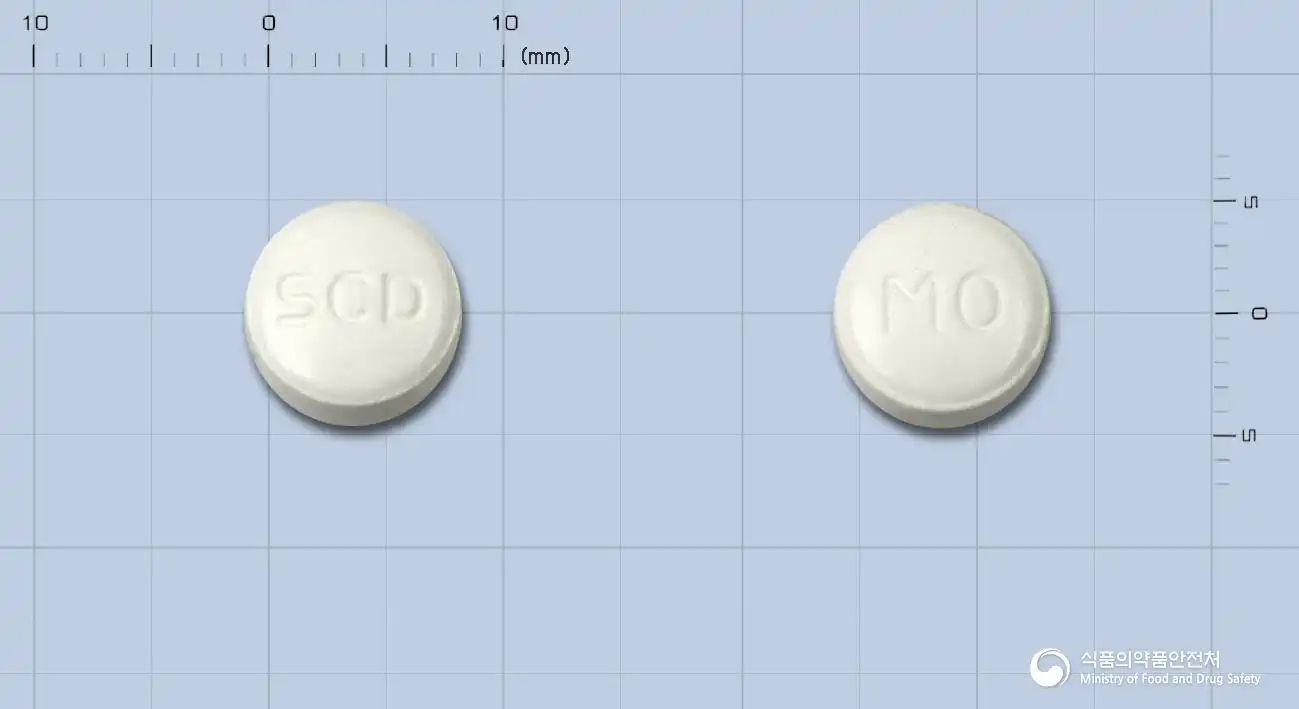
Magnesium Oxide 250mg
Tablet · OTC medication
Samcheondang Pharmaceutical Co., Ltd.
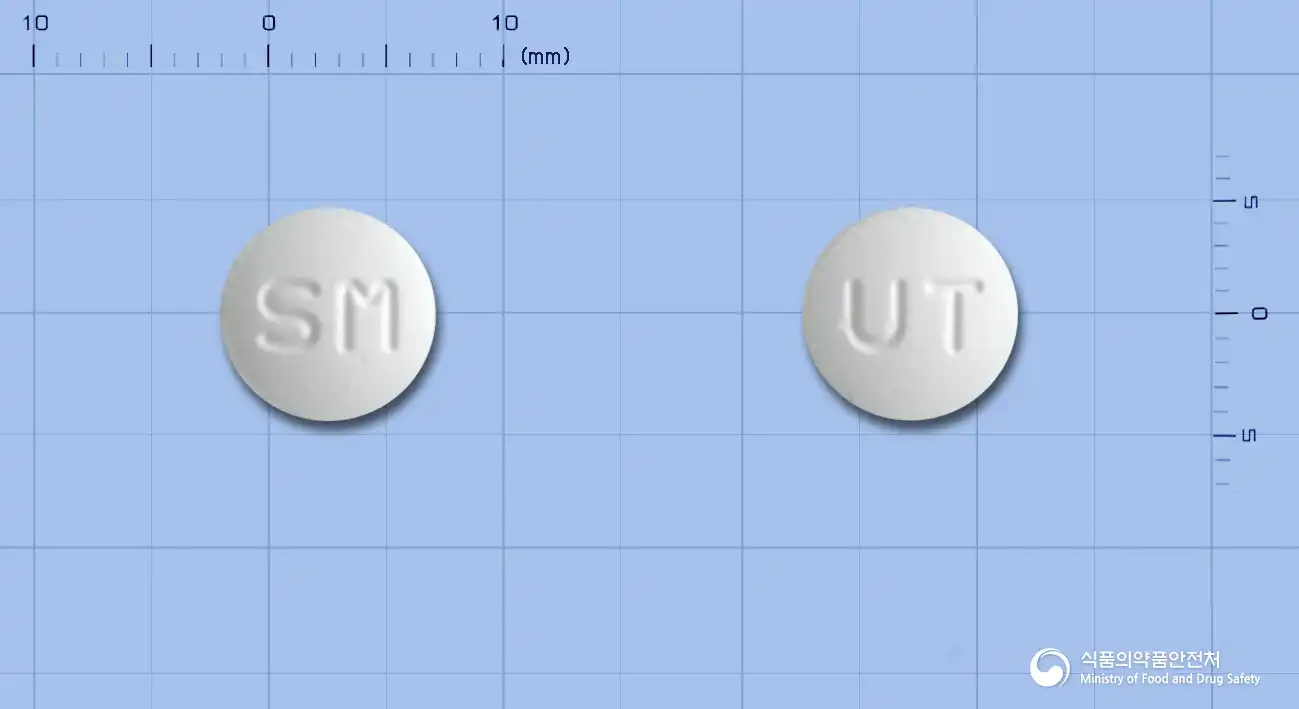
Magnesium Oxide 250mg
Tablet · OTC medication
Korea United Pharmaceutical Co., Ltd.
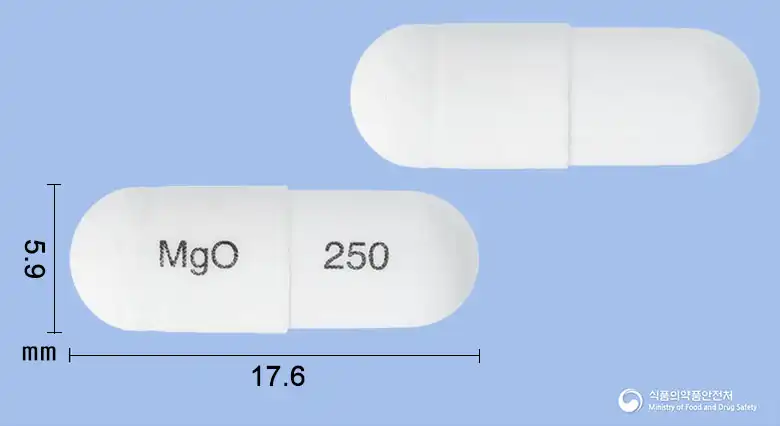
Magnesium Oxide 250mg
Hard capsule · OTC medication
Korea Pharma Co., Ltd.
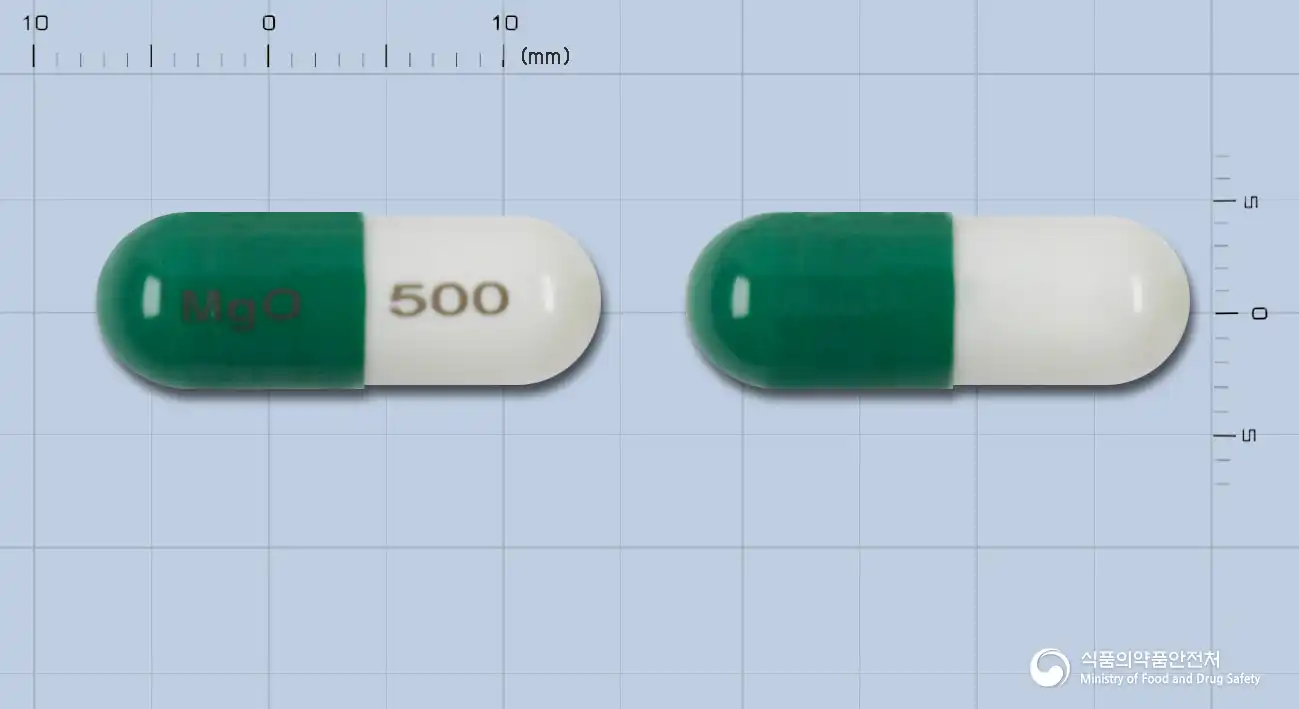
Magnesium Oxide 500mg
Hard capsule · OTC medication
Korea Pharma Co., Ltd.
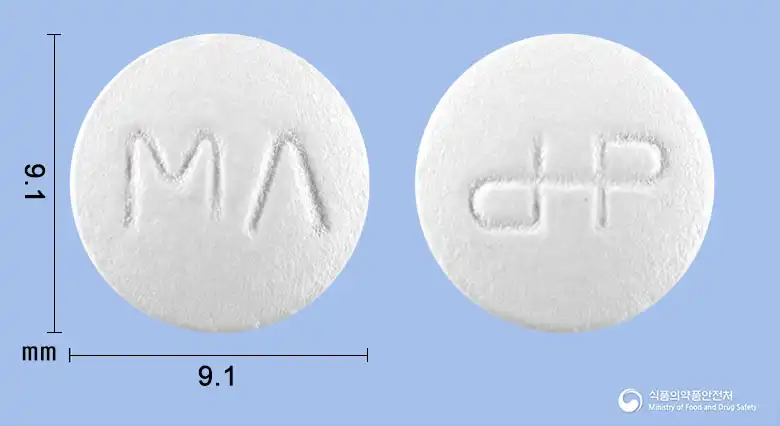
Magnesium Oxide 250mg
Tablet · OTC medication
Daehwa Pharmaceutical Co., Ltd.
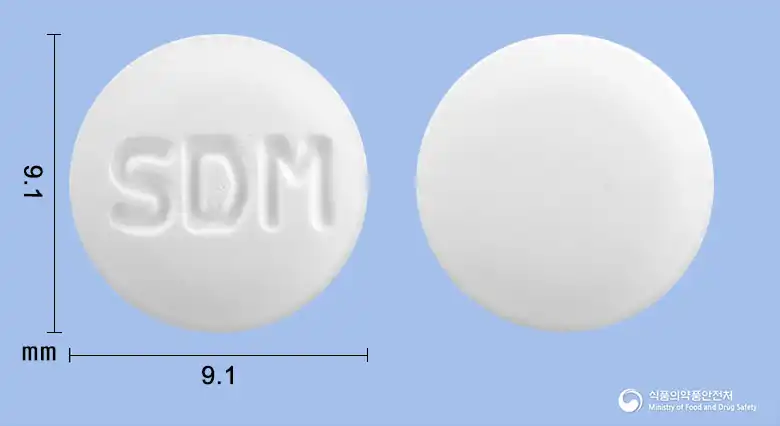
Magnesium Oxide 250mg
Tablet · OTC medication
Pharmgen Science Co., Ltd.
Even with the same ingredient, the dose and directions can differ by strength and dosage form. Talk to a doctor or pharmacist before switching from a medication you are already taking.
No questions yet.
For anything that needs medical judgment, consult a doctor or pharmacist.
This drug information is based on data provided by the Korea Ministry of Food and Drug Safety.
Consult a doctor or pharmacist for accurate dosage, administration, and usage instructions.