
 한국어
한국어 English
 日本語
日本語 中文(简体)
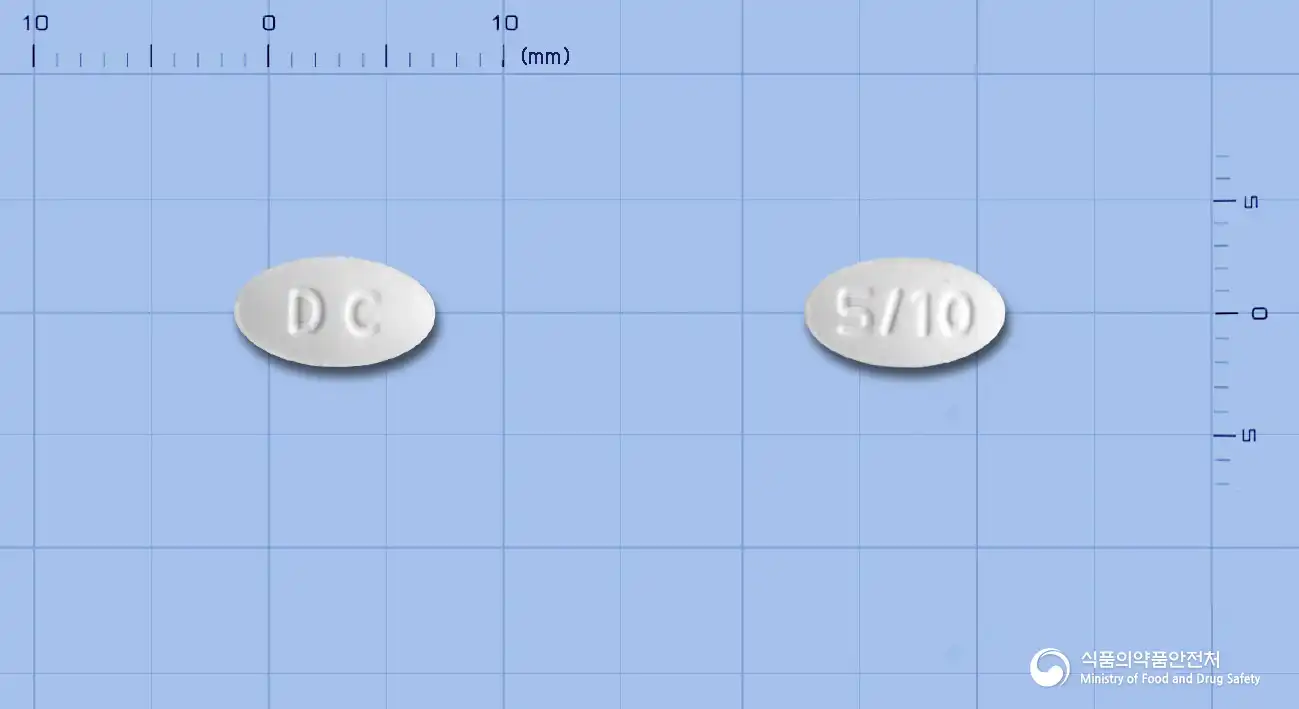 Viewing nowCombination
Caduceus Tablets 5mg/10mg
Atorvastatin Calcium 10.36mg · Amlodipine Besylate 6.94mg
Tablet · Prescription medication · Combination
Donggu Bio Pharmaceutical Co., Ltd.
MFDS item code 201403128 · Approved 2014.07.14 · Insurance code 657306490
(Hypertension, angina) Improvement of myocardial ischemia and reduction of risk of myocardial infarction and stroke in patients at risk of cardiovascular disease
This medication is used for patients who need to manage both blood pressure and cardiovascular health simultaneously. Amlodipine (S-Amlodipine) is used to treat hypertension and myocardial ischemia due to stable or variant angina, and it reduces the risk of angina in coronary artery disease patients and the risk of vascular reconstruction. Atorvastatin reduces the risk of myocardial infarction, stroke, and angina in patients at high risk for cardiovascular disease and improves blood lipid levels through the treatment of hypercholesterolemia and various dyslipidemias. It is especially effective for the prevention of cardiovascular disease in patients with type 2 diabetes and those with a family history or other risk factors. This combination of two medications is used to comprehensively improve vascular health and reduce the risk of cardiovascular disease.
This medication is to be administered only to adults, and the dosage should be individualized based on the efficacy and tolerability of each component, Amlodipine/Atorvastatin. Administer Amlodipine (S-Amlodipine) orally once daily, starting at 5 (2.5) mg, with dosage adjustments up to a maximum of 10 (5) mg once daily based on the patient’s response. Atorvastatin can be administered once daily in a range of 10 mg to 80 mg at any time during the day, without regard to food.
This medication should not be administered to certain patients. For instance, patients with allergies to this medication or similar components, very poor liver function, pregnant women or women who may become pregnant, nursing mothers, and patients with muscle disorders should not use this medication. Additionally, patients with severe aortic stenosis, cardiac shock, those within one month post-myocardial infarction, and unstable angina patients should also avoid this medication. This medication should be used with caution in patients with severely impaired kidney function, elderly individuals, alcoholics, and those with a history of liver disease. Patients at risk for rhabdomyolysis should have their muscle enzyme levels checked prior to administration and should use this medication carefully. Patients with acute heart failure or hypertensive crisis, those with slightly impaired liver function, and patients with severe myasthenia gravis should also be cautious. This medication generally has good tolerability; however, side effects such as flushing, fatigue, edema, palpitations, dizziness, headache, drowsiness, abdominal pain, nausea, weakness, lethargy, pain, weight gain/loss, hypotension, vasculitis, muscle tension increase, sensory loss/abnormal sensation, peripheral neuropathy, syncope, taste disturbance, tremors, extrapyramidal symptoms, erectile dysfunction, gynecomastia, changes in bowel habits, dry mouth, dyspepsia, gingival hypertrophy, gingival overgrowth, pancreatitis, vomiting, hyperglycemia, arthralgia, back pain, muscle cramps may occur. Rarely, muscle pain, rash, liver function abnormalities, and allergic reactions may occur, so if any unusual symptoms arise, one should consult a physician immediately. This medication can affect liver function, so liver function tests should be conducted regularly before and during treatment. Women who are pregnant or breastfeeding should not use this medication, and women who might become pregnant should employ appropriate contraception. The safety and efficacy of this medication in children and the elderly have not been fully established, so caution is warranted. In case of overdose, severe hypotension, shock, pulmonary edema, etc. may occur, which requires immediate emergency care. This medication may interact with several other drugs, so if taking other medications, one must inform their doctor or pharmacist. Particular caution is warranted when used concurrently with certain antibiotics, antifungals, immunosuppressants, some antihypertensives, hypoglycemic agents, and oral contraceptives, as dosage adjustments may be necessary. While taking this medication, regular checkups and adherence to physician instructions should be observed, and if unusual symptoms occur, one should consult healthcare professionals immediately.
Not everyone experiences these, and they can vary from person to person.
This medication should be stored in an airtight container to prevent exposure to air or moisture, at a temperature between 1 to 30 degrees Celsius. Proper storage will help maintain the medication's effectiveness for a long time.
White oval film-coated tablets
30 tablets/bottle
Even with the same ingredient, strength, dosage form and how it is taken can differ.
Viewing nowCombinationAtorvastatin Calcium 10.36mg · Amlodipine Besylate 6.94mg
Tablet · Prescription medication · Combination
Donggu Bio Pharmaceutical Co., Ltd.
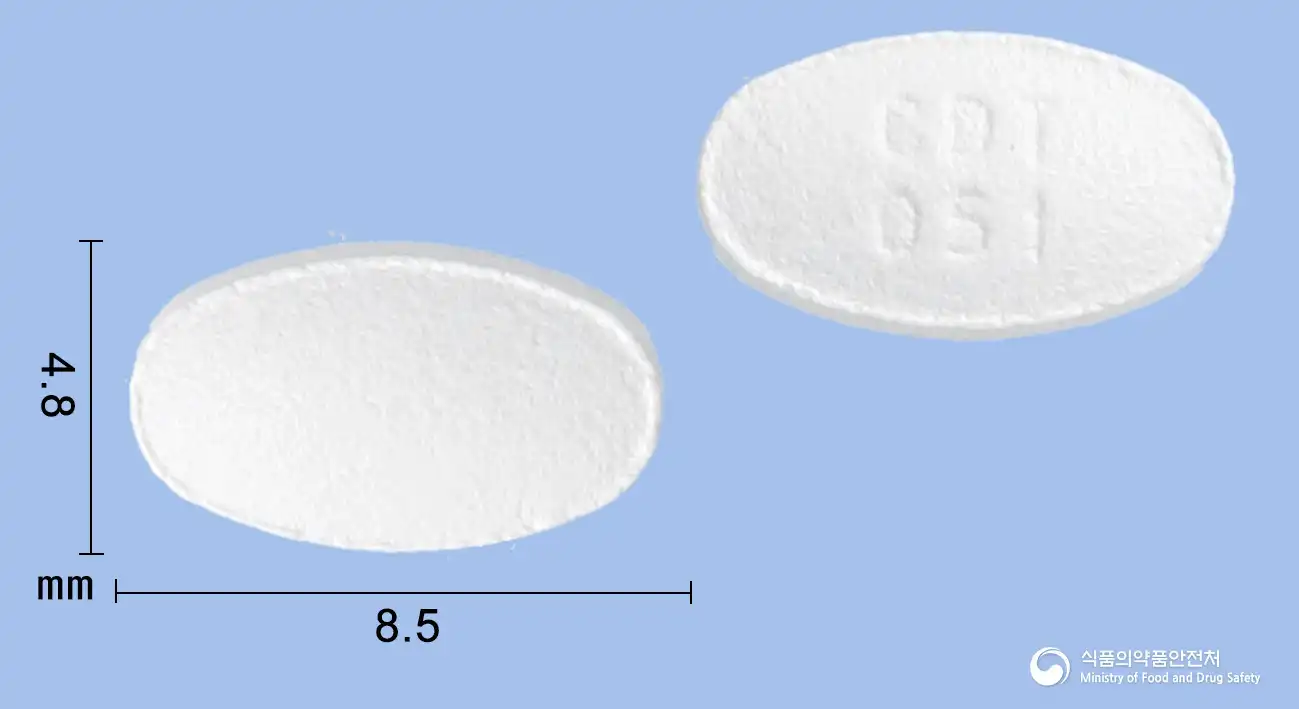 Combination
Atorvastatin Calcium Trihydrate 10.85mg · Amlodipine Besylate 6.94mg
Tablet · Prescription medication · Combination
Viatriss Korea Co., Ltd.
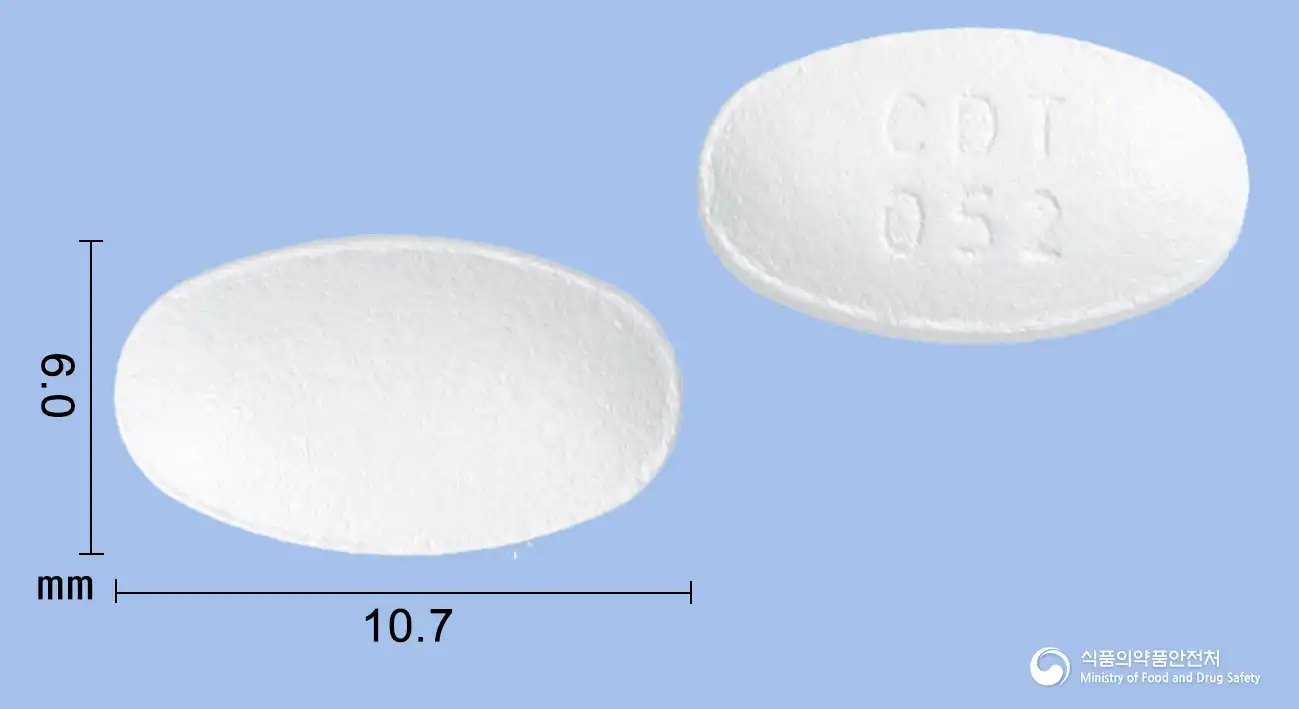 Combination
Atorvastatin Calcium Trihydrate 21.7mg · Amlodipine Besylate 6.94mg
Tablet · Prescription medication · Combination
Viatrise Korea Co., Ltd.
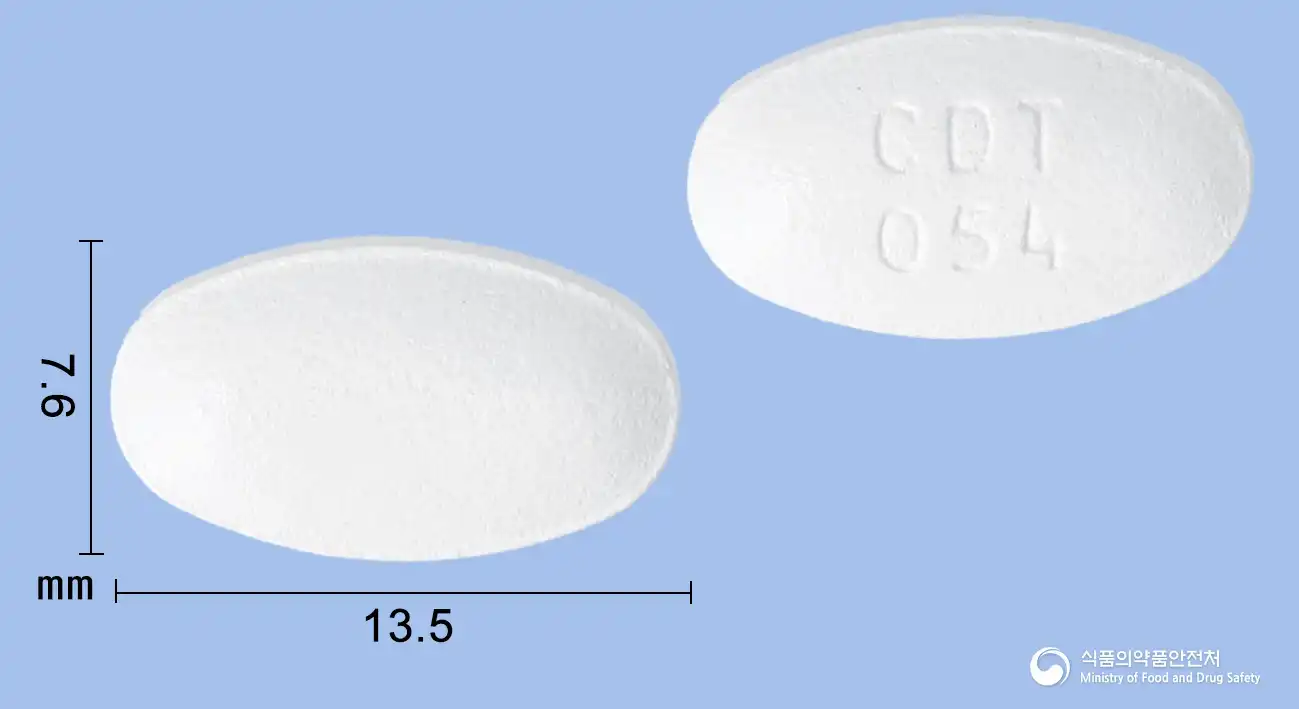 Combination
Atorvastatin Calcium Trihydrate 43.4mg · Amlodipine Besylate 6.94mg
Tablet · Prescription medication · Combination
Viatris Korea Co., Ltd.
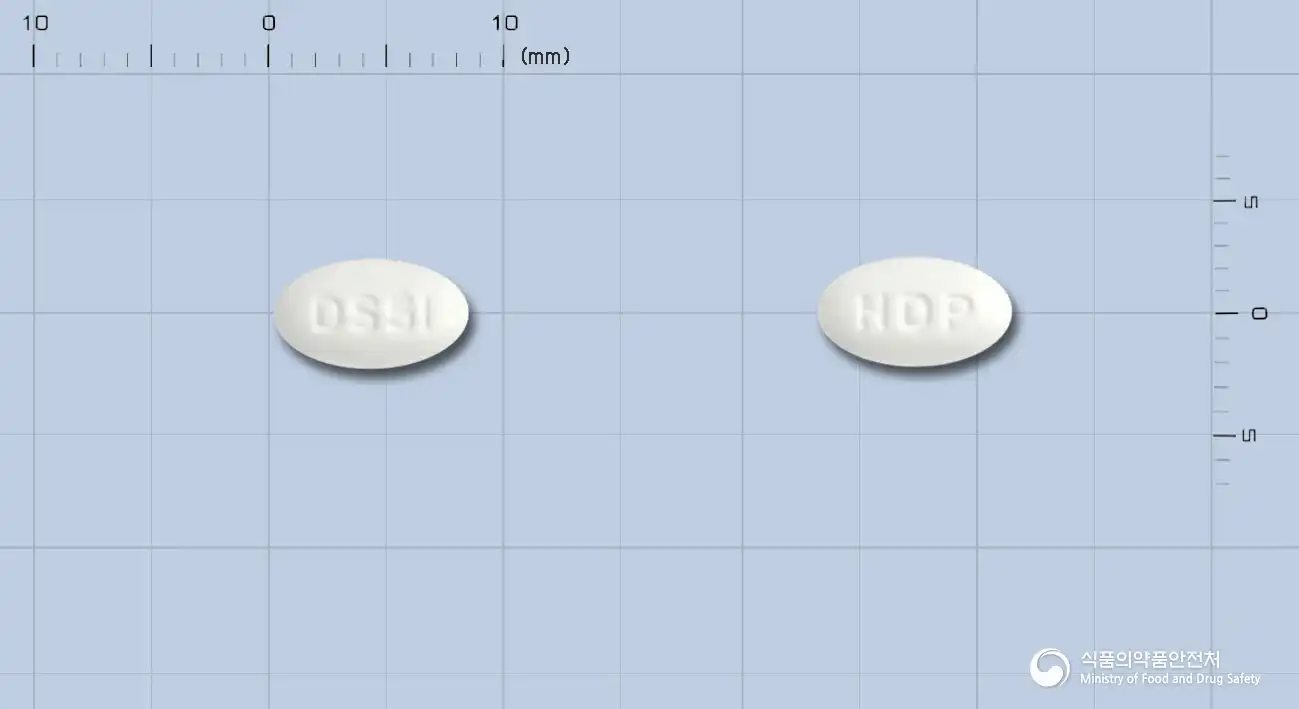 Combination
Atorvastatin Calcium Hydrate 10.85mg · Amlodipine Besylate 6.94mg
Tablet · Prescription medication · Combination
Hyundai Pharmaceutical Co., Ltd.
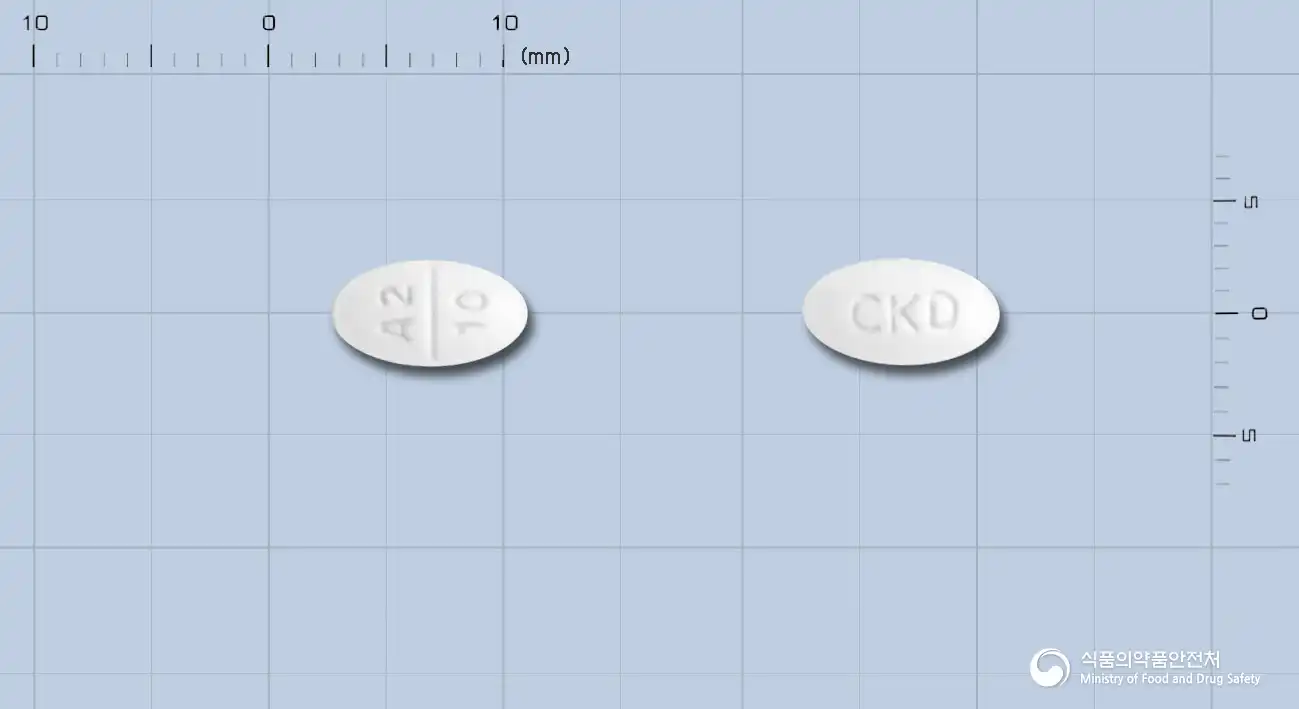 Combination
Amlodipine Besylate 6.94mg · Atorvastatin Calcium Trihydrate 10.36mg
Tablet · Prescription medication · Combination
Jongkundang Co., Ltd.
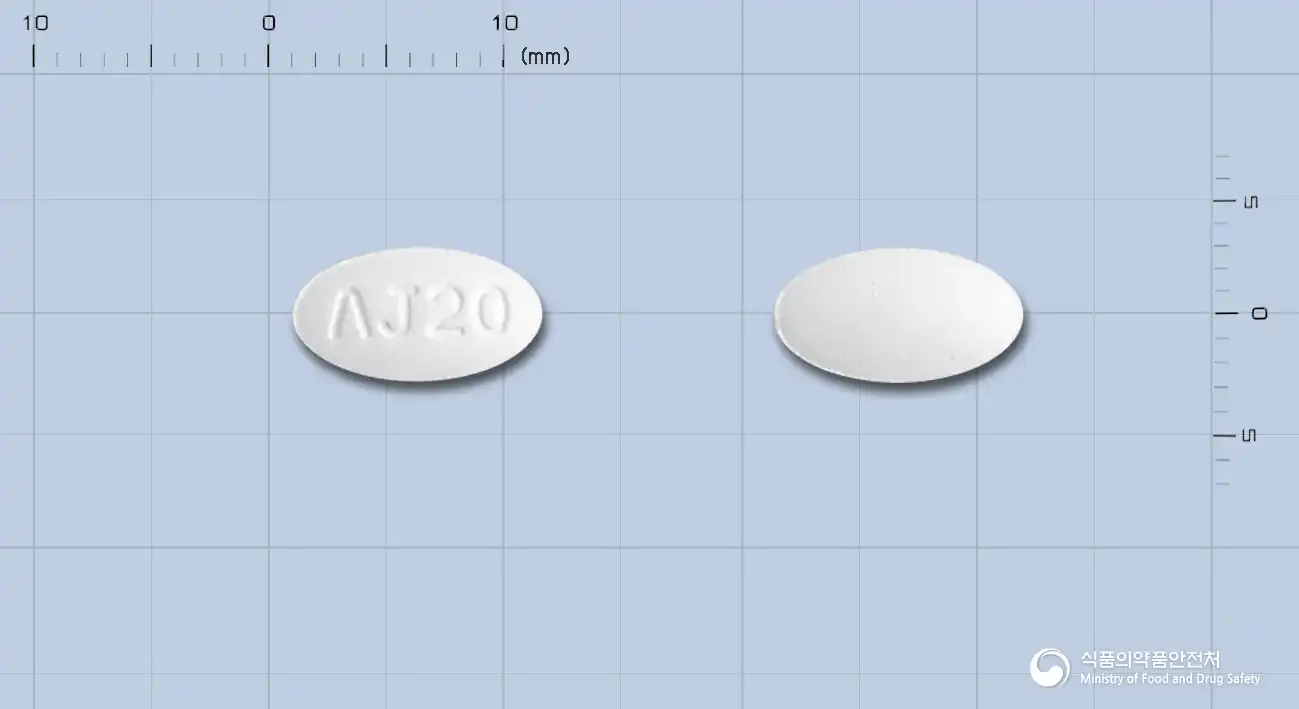 Combination
Atorvastatin Calcium 20.72mg · Amlodipine Besylate 6.94mg
Tablet · Prescription medication · Combination
Aju Pharmaceuticals Co., Ltd.
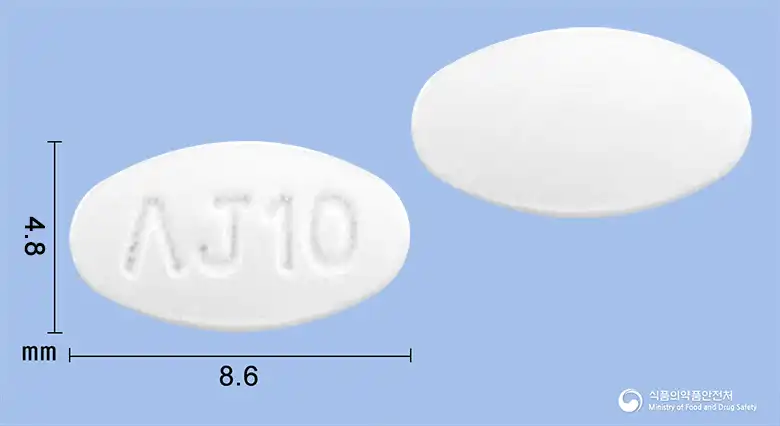 Combination
Atorvastatin Calcium 10.36mg · Amlodipine Besylate 6.94mg
Tablet · Prescription medication · Combination
Aju Pharmaceuticals Co., Ltd.
Even with the same ingredient, the dose and directions can differ by strength and dosage form. Talk to a doctor or pharmacist before switching from a medication you are already taking.
No questions yet.
For anything that needs medical judgment, consult a doctor or pharmacist.
This drug information is based on data provided by the Korea Ministry of Food and Drug Safety.
Consult a doctor or pharmacist for accurate dosage, administration, and usage instructions.