
 한국어
한국어 English
 日本語
日本語 中文(简体)
Dosage form image
Viewing nowHyalefloxacin Eye Drops (Levofloxacin Hydrate)
Levofloxacin Hydrate 5mg
Eye drops · Prescription medication
Hyal Pharmaceutical Co., Ltd.
MFDS item code 201403115 · Notified 2014.07.14 · Insurance code 684501081
Treatment of eye infections (blepharitis, conjunctivitis, etc.) and surgical sterilization.
This medication is effective against various bacteria, including Staphylococcus, Streptococcus, and Pneumococcus. It is used particularly for treating infections around the eye and within the eye, such as blepharitis, chalazia, dacryocystitis, conjunctivitis, keratitis, and corneal ulcers. It also helps maintain a sterile environment during ophthalmic surgeries. Using this medication can help alleviate inflammation and infection symptoms due to various ophthalmic conditions. When used safely, it can help maintain eye health and facilitate rapid recovery.
1 drop per administration, 3 times a day
This medication should not be used in patients with hypersensitivity to quinolone antibiotics. While using this medication, rare shock symptoms such as nausea, limb coldness, and difficulty breathing may occur; if these symptoms arise, administration should be stopped immediately and appropriate treatment should be sought. Furthermore, there may be signs of hypersensitivity such as cardiovascular collapse, loss of consciousness, angioedema, airway obstruction, rash, urticaria, and itching, so if any of these symptoms occur, administration should be discontinued. Temporary burning or irritation, discomfort may occur in the eye, and sometimes eye pain, redness, itching, conjunctivitis, keratitis, glare, blurred vision, tearing, and dryness may appear. Rarely, dizziness or corneal disorders may occur, and in severe cases, serious skin reactions similar to Stevens-Johnson syndrome may occur, so if these symptoms are observed, use should be discontinued. Hearing impairment or irritation symptoms may also occur. Cases of tendon rupture of the shoulder, hand, and Achilles tendon have been reported among patients using quinolone antibiotics like this one, particularly in the elderly or when used alongside steroids, the risk is increased. To prevent the development of resistant bacteria, this medication should only be used after sensitivity testing and for the minimum duration necessary; long-term use may allow for excessive growth of fungi or non-susceptible bacteria, so prolonged use should be avoided. Effectiveness against methicillin-resistant Staphylococcus aureus (MRSA) has not been proven, so if MRSA infection is suspected or symptoms do not improve, it should be replaced with another antibiotic. In pregnant women or women who may become pregnant, it should be used cautiously only when the therapeutic benefit outweighs the risk, and nursing mothers should either stop breastfeeding or halt drug administration. Safety and effectiveness have not been established in infants under 1 year of age, so it should not be used. This medication is for ophthalmic use only; care should be taken to avoid direct contact of the container tip with the eye during administration. To prevent contamination, it is advisable to avoid sharing. When storing, keep it out of reach of children and store it in a cool place away from direct sunlight.
Not everyone experiences these, and they can vary from person to person.
This medication should be stored in a tightly sealed container to protect it from exposure to air or light. The storage temperature should maintain room temperature between 1 to 30 degrees Celsius, and it is best kept in a dark place away from direct sunlight.
A transparent pale yellow to light yellow solution in a blue transparent plastic container.
6 milliliters per bottle
Even with the same ingredient, strength, dosage form and how it is taken can differ.
Levofloxacin Hydrate 5mg
Eye drops · Prescription medication
Hyal Pharmaceutical Co., Ltd.
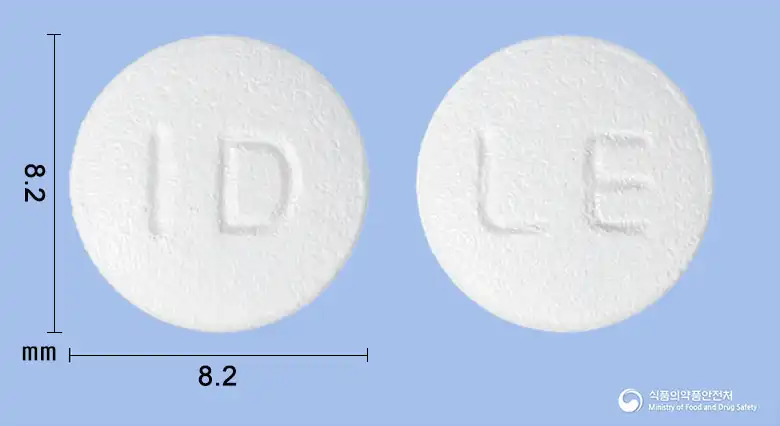
Levofloxacin Hydrate 100mg
Tablet · Prescription medication
Ildong Pharmaceutical Co., Ltd.
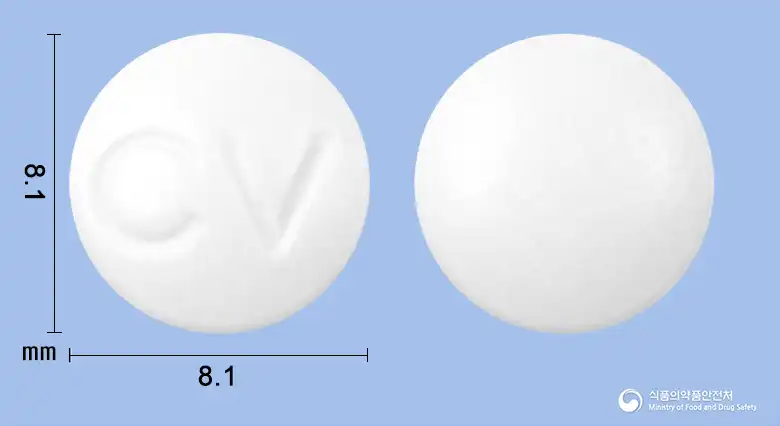
Levofloxacin 100mg
Tablet · Prescription medication
Jeil Pharmaceutical Co., Ltd.
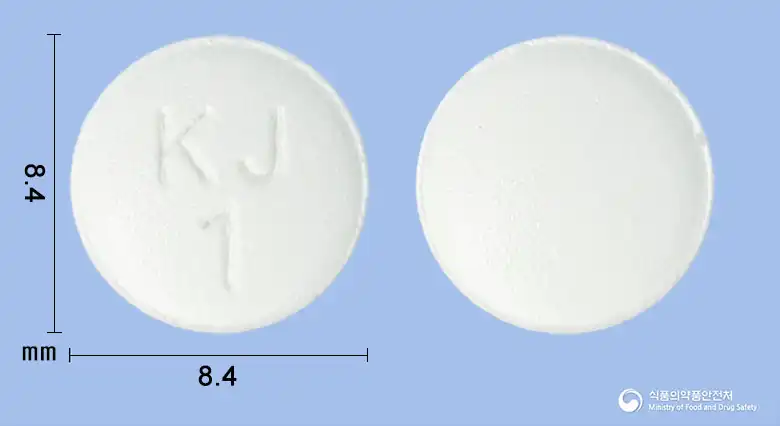
Levofloxacin Hydrate 100mg
Tablet · Prescription medication
International Pharmaceuticals Co., Ltd.
Levofloxacin 5.1246mg
Prescription medication
Jeil Pharmaceutical Co., Ltd.
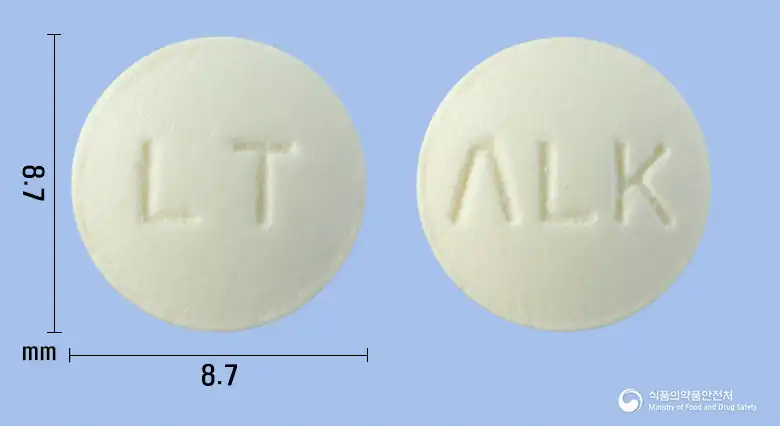
Levofloxacin Hydrate 100mg
Tablet · Prescription medication
SS Pharm Co., Ltd.
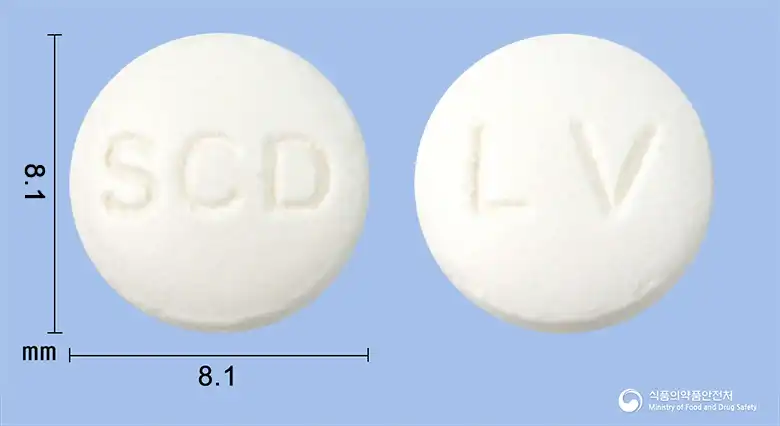
Levofloxacin Hydrate 102.49mg
Tablet · Prescription medication
Samchundang Pharmaceutical Co., Ltd.
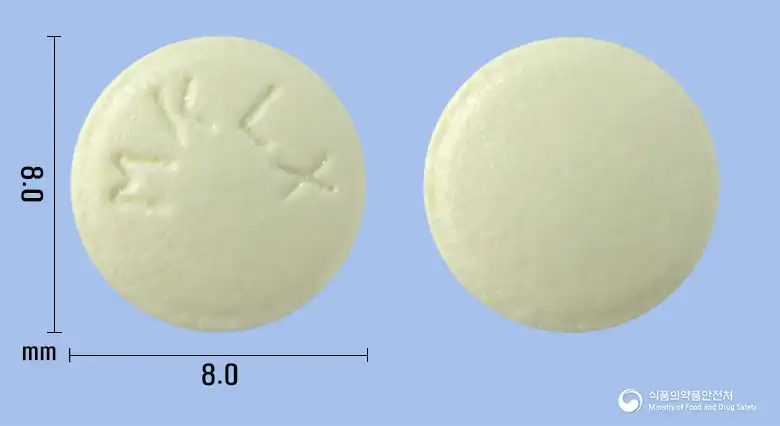
Levofloxacin Hydrate 100mg
Tablet · Prescription medication
Medica Korea Co., Ltd.
Even with the same ingredient, the dose and directions can differ by strength and dosage form. Talk to a doctor or pharmacist before switching from a medication you are already taking.
No questions yet.
For anything that needs medical judgment, consult a doctor or pharmacist.
This drug information is based on data provided by the Korea Ministry of Food and Drug Safety.
Consult a doctor or pharmacist for accurate dosage, administration, and usage instructions.