
 한국어
 English
 日本語
 中文(简体)
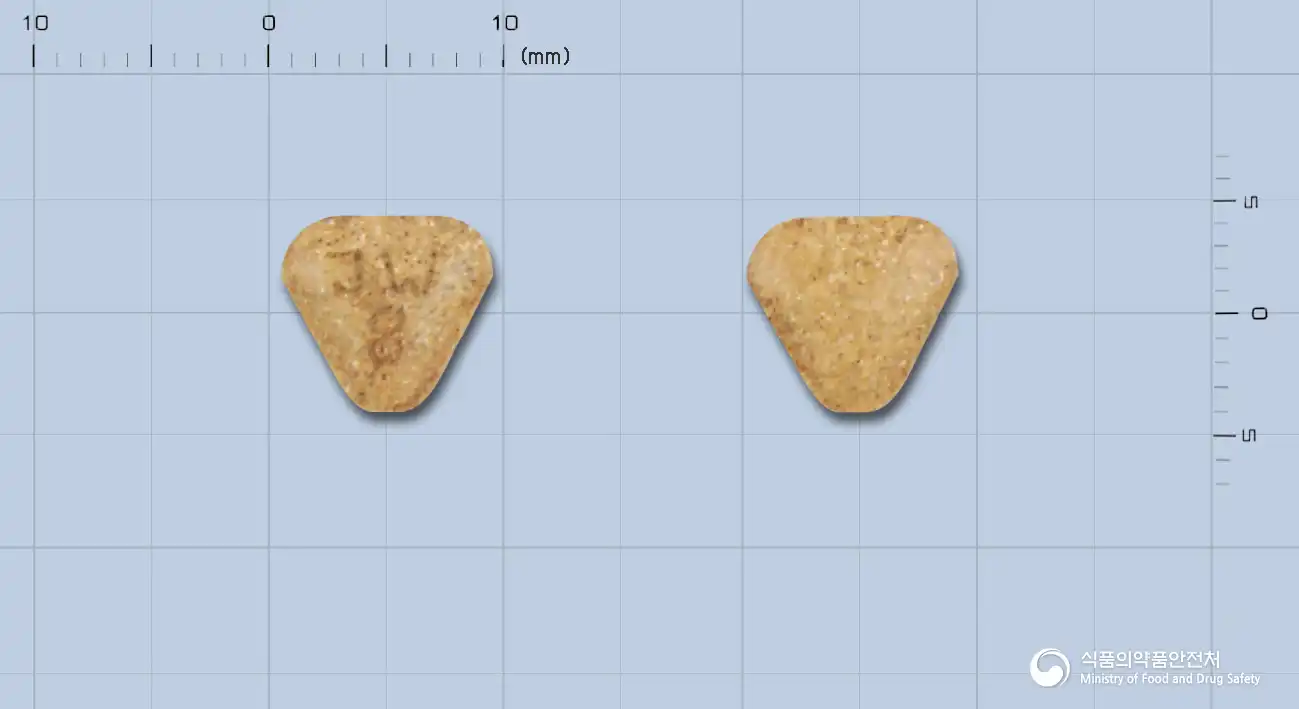
Dosage form image
Viewing nowCombinationNephmari Tablet
Rehmannia Root 416.7mg · Angelica Gigas Root 416.7mg +12 more
Tablet · OTC medication · Combination
Seoul Pharmaceutical Co., Ltd.
MFDS item code 201402892 · Notified 2014.06.30
This product's status changed to Expired on 2024.06.30. It may no longer be sold, so consult a doctor or pharmacist before taking it.
Relief of urinary tract inflammation (including cystitis), kidney disorders (including nephrotic syndrome), and edema
This medication is used to treat urinary tract infections such as cystitis and urethritis. It also helps improve swelling or edema symptoms caused by kidney diseases and nephrotic syndrome. In other words, it is effective for the treatment of urinary and kidney-related diseases.
Adults: 3~6 tablets per dose Take twice daily, morning and evening, on an empty stomach (before meals).
Aged 8~15 years: 2~3 tablets per dose
This medication should not be taken by women who are pregnant or may become pregnant, as the ingredients may cause uterine contractions and increase the risk of premature labor. Also, nursing women should avoid taking this medication because the ingredients can be passed into breast milk and cause diarrhea in infants. Those with genetic lactose intolerance or specific enzyme deficiencies should not take this medication, as it contains lactose which may cause issues. Individuals with high blood pressure, older adults, those with heart or kidney diseases, or those with edema should consult a doctor or pharmacist before taking this medication. Consultation is also necessary for those who have previously experienced allergic reactions such as skin rashes or itching when taking medications. Individuals experiencing diarrhea or loose stools, those with weak stomachs or symptoms of anorexia, nausea, vomiting, or those who are physically weak should consult with a healthcare professional before taking this medication. The prescribed dosage and administration must be strictly followed, and it is advisable not to take it with other antidiarrheal medications. Caregivers must supervise when administering this medication to children, and it should not be given to children under 5 years of age. If symptoms such as decreased urine output, facial or limb swelling, heaviness of the eyelids, stiff hands, elevated blood pressure, or headaches occur during use, discontinue taking the medication immediately and consult a healthcare professional. Prolonged use may lead to electrolyte imbalances such as hypokalemia; thus, regular blood tests should be performed to monitor the condition. If symptoms of muscle weakness, cramps, or paralysis appear, stop taking the medication and consult a doctor. If digestive symptoms such as anorexia, abdominal pain, nausea, vomiting, or diarrhea worsen, stop taking the medication and consult a healthcare professional. Be cautious of the increased risk of side effects when taking medications containing potassium or licorice along with certain diuretics. Since this medication also contains ingredients to treat diarrhea, if severe abdominal pain accompanies diarrhea, discontinue use and seek advice. If symptoms do not improve within 1-2 months after taking the medication, it is advised to consult a professional. Long-term use must be supervised by a doctor or pharmacist, and adherence to the dosage and instructions is essential due to the stimulatory effects of rhubarb. Caution is advised as using stimulant laxatives for more than a week can lead to tolerance and worsen constipation. When taking this medication alongside other herbal formulations, ensure that the same ingredients are not duplicated. This medication should be stored out of reach of children, away from direct sunlight, in a cool place with low humidity, and the lid should be securely closed. It is also important not to transfer this medication to another container to maintain product quality.
Not everyone experiences these, and they can vary from person to person.
This medication should be stored in an airtight container to prevent air or moisture intrusion and is best kept at room temperature between 1 and 30 degrees Celsius.
Brownish-yellow triangular tablets
360 tablets (10 tablets/PTPx18x2)
Even with the same ingredient, strength, dosage form and how it is taken can differ.
Rehmannia Root 416.7mg · Angelica Gigas Root 416.7mg +12 more
Tablet · OTC medication · Combination
Seoul Pharmaceutical Co., Ltd.
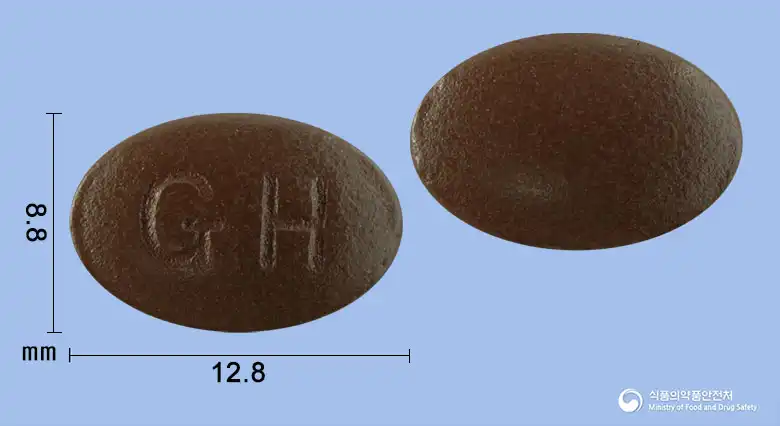 Combination
Rehmannia Root 416.7mg · Angelica Gigas Root 416.7mg +12 more
Tablet · OTC medication · Combination
(Y) Hanpung Pharmaceutical
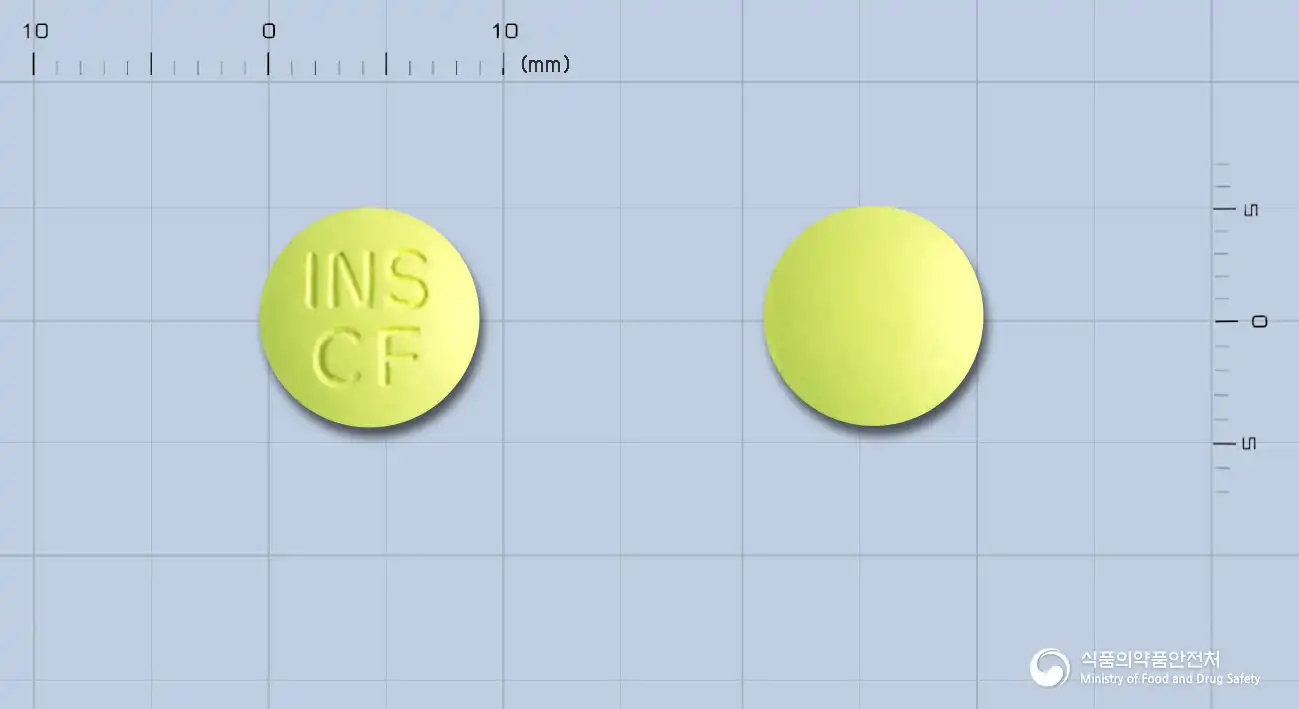
 Combination
Rehmannia Root 416.7mg · Angelica Gigas Root 416.7mg +12 more
Tablet · OTC medication · Combination
Jeongwoo New Drug Co., Ltd.
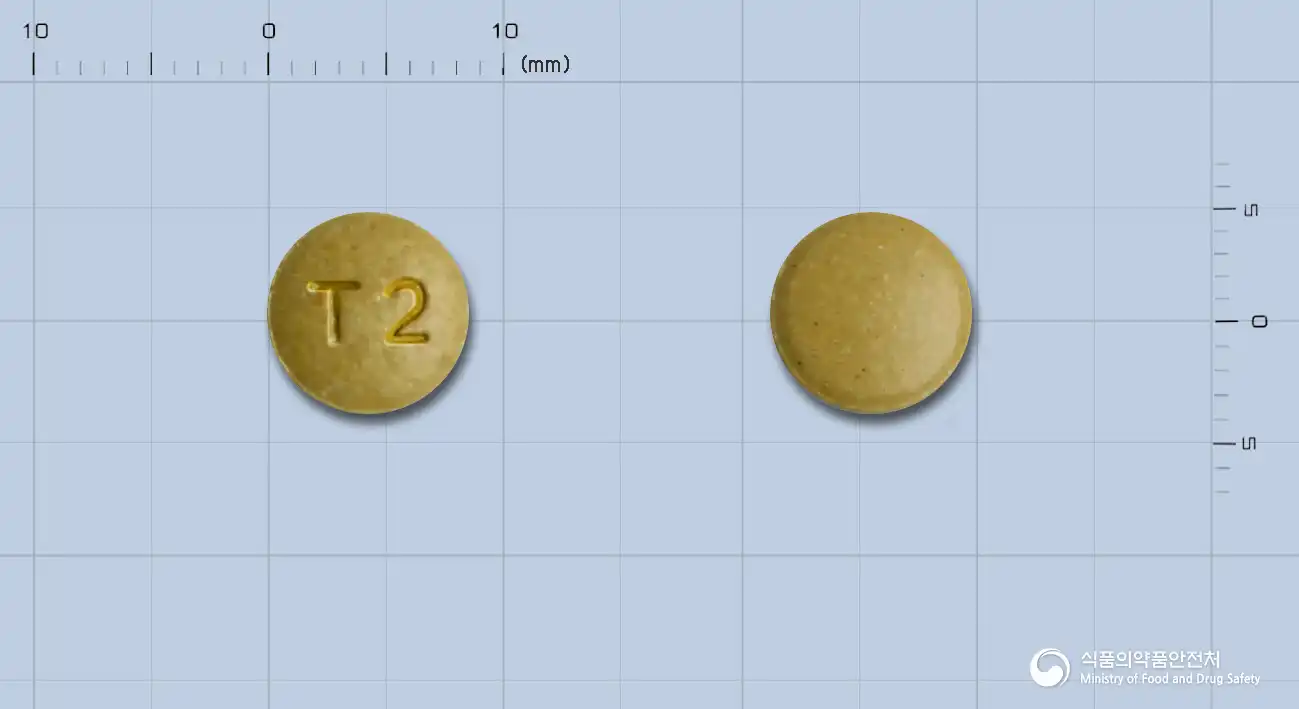
 Combination
Rehmannia Root 416.7mg · Angelica Gigas Root 416.7mg +12 more
Tablet · OTC medication · Combination
JBK Lab Co., Ltd.
 Combination
Rehmannia Root 416.7mg · Angelica Gigas Root 416.7mg +12 more
Tablet · OTC medication · Combination
Iworld Pharmaceutical Co., Ltd.
Rehmannia Root 416.7mg · Angelica Gigas Root 416.7mg +12 more
Tablet · OTC medication · Combination
Aprogen Pharmaceuticals, Co., Ltd.
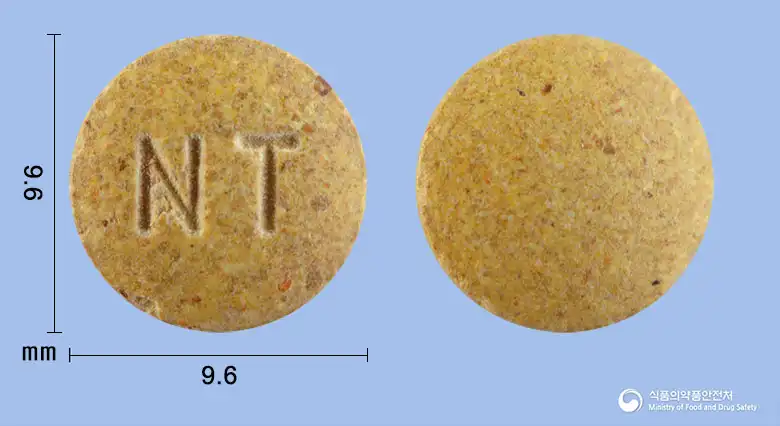 Combination
Rehmannia Root 416.7mg · Angelica Gigas Root 416.7mg +12 more
Tablet · OTC medication · Combination
Hansol Pharmaceutical Co., Ltd.
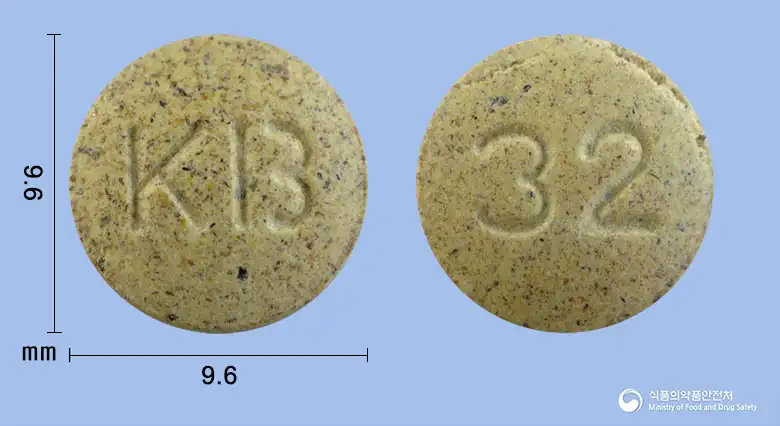 Combination
Rehmannia Root 416.7mg · Angelica Gigas Root 416.7mg +12 more
Tablet · OTC medication · Combination
Kyungbang Pharmaceutical Co., Ltd.
Even with the same ingredient, the dose and directions can differ by strength and dosage form. Talk to a doctor or pharmacist before switching from a medication you are already taking.
No questions yet.
For anything that needs medical judgment, consult a doctor or pharmacist.
This drug information is based on data provided by the Korea Ministry of Food and Drug Safety.
Consult a doctor or pharmacist for accurate dosage, administration, and usage instructions.