
 한국어
한국어 English
 日本語
日本語 中文(简体)
 Viewing now
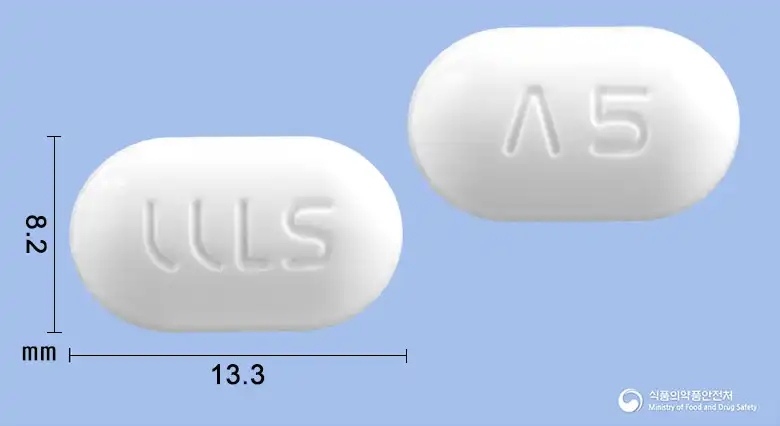
Almarin Tablets (Almagate)
Almagate 500mg
Tablet · OTC medication
White Life Science Co., Ltd.
MFDS item code 201402825 · Notified 2014.06.24 · Insurance code 625200370
Treatment of gastric and duodenal ulcers (gastritis, hyperacidity) and improvement of symptoms such as heartburn
This medication helps relieve symptoms caused by gastric and duodenal ulcers, gastritis, and hyperacidity. It also improves gastrointestinal discomfort such as heartburn, nausea, vomiting, stomach pain, and belching. This medication neutralizes stomach acid through its antacid effect, effectively alleviating symptoms. Therefore, it is used for symptom relief when there are gastric issues.
Take 1 g of Almagate 3 times a day, orally after chewing, 30 minutes to 1 hour after meals. An additional dose may be taken at bedtime if needed.
Children aged 12 years and older: Take 1 g of Almagate 3 times a day, orally after chewing, 30 minutes to 1 hour after meals. An additional dose may be taken at bedtime if needed.
This medication should not be taken by individuals who are allergic to this medication or its components. Patients with Alzheimer's disease, hemorrhoids, fluid retention, pregnancy-induced hypertension, diarrhea, and unexplained gastrointestinal bleeding should not take this medication. Additionally, since this medication contains lactose, patients with lactose intolerance or certain genetic disorders should avoid taking it. It is recommended not to take this medication simultaneously with tetracycline antibiotics. If you are taking other medications, consult your doctor or pharmacist as this medication may affect the absorption or excretion of those medications. In particular, it is necessary to take it at staggered intervals from nonsteroidal anti-inflammatory drugs, ulcer treatments, digitalis preparations, chlorpromazine, lansoprazole, prednisolone, penicillin, quinolones, iron preparations, and salicylates. Patients with impaired kidney function need to be cautious as magnesium or aluminum may accumulate in the body, and those with severe kidney impairment are advised against taking it. Furthermore, individuals who are physically weak or have inadequate dietary intake, and those with malabsorption issues may face effects on bone health with long-term usage. Elderly individuals, patients with gastrointestinal bleeding symptoms, pregnant women or those who may become pregnant, and nursing mothers should consult a specialist before taking this medication. If constipation or diarrhea occurs, or if symptoms do not improve within 2 weeks, discontinue use immediately and consult a specialist. The prescribed dosage and administration must be strictly followed, and when administering to children, guardians should supervise and guide properly. This medication should be stored out of reach of children, in the original container, away from direct sunlight, and kept in a cool, dry place.
Not everyone experiences these, and they can vary from person to person.
Do not take this medication concurrently with tetracycline antibiotics. Consult your doctor or pharmacist if you are taking nonsteroidal anti-inflammatory drugs, ulcer treatments, digitalis preparations, chlorpromazine, lansoprazole, prednisolone, penicillin, quinolones, iron (Fe) salts, salicylates.
This medication should be stored in a sealed container to prevent air or moisture from entering. Additionally, it is best to store the medication at room temperature between 1 to 30 degrees Celsius, avoiding excessively hot or cold places.
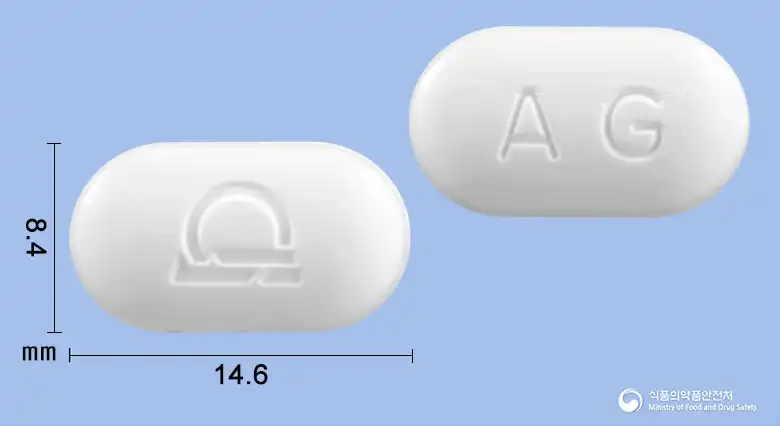
White rectangular tablets
500 tablets/bottle
Even with the same ingredient, strength, dosage form and how it is taken can differ.
Viewing nowAlmagate 500mg
Tablet · OTC medication
White Life Science Co., Ltd.
Almagate 10g
Suspension · OTC medication
Jeil Pharmaceutical Co., Ltd.
Almagate 10g
Suspension · OTC medication
IlYang Pharmaceutical Co., Ltd.
Almagate 500mg
Tablet · OTC medication
Youngpoong Pharmaceutical Co., Ltd.
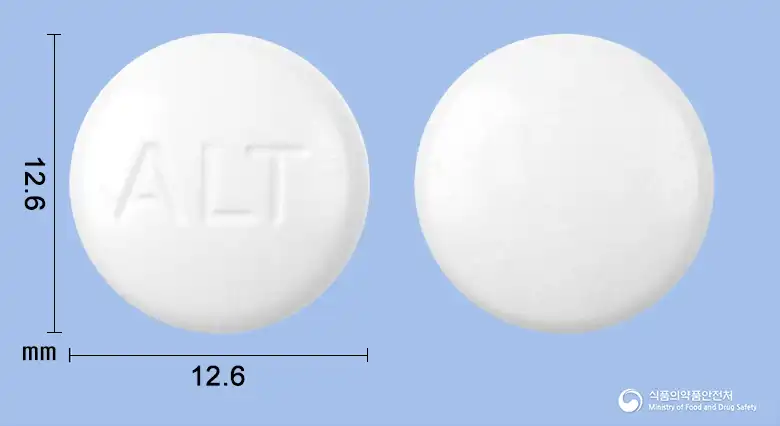
Almagate 500mg
Tablet · OTC medication
Il-Yang Pharmaceutical Co., Ltd.
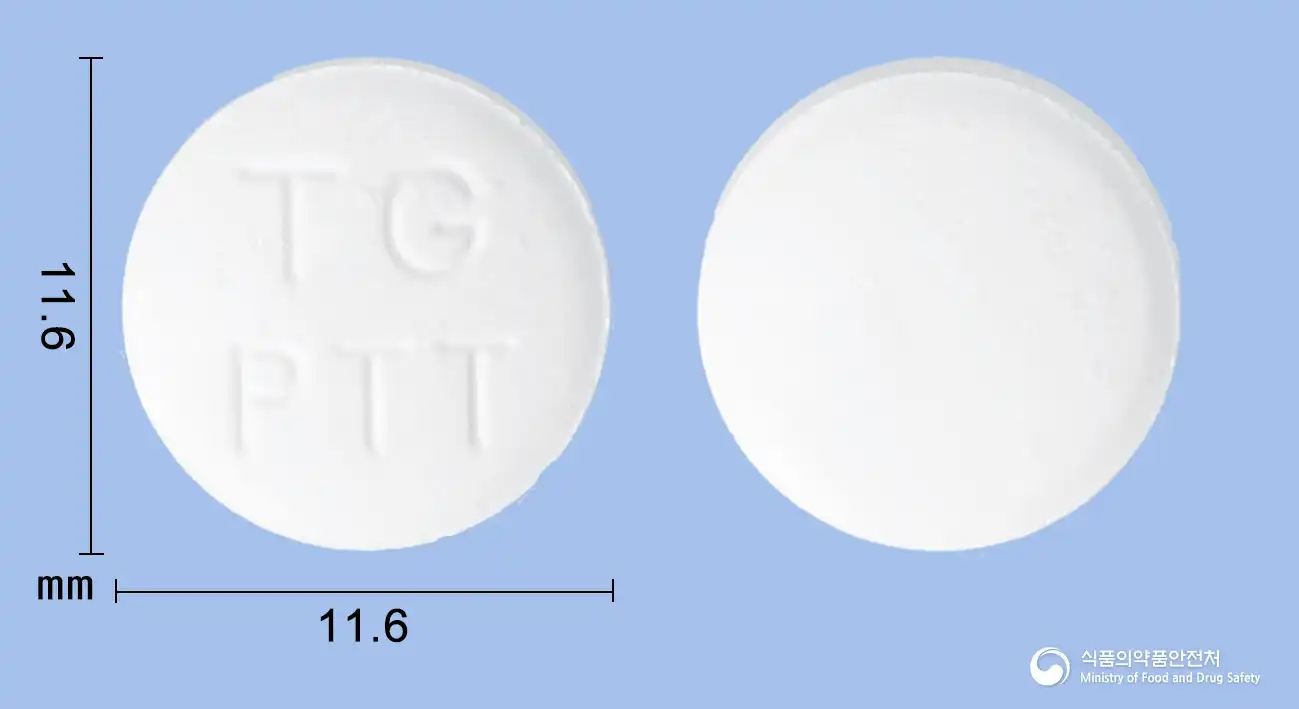
Almagate 500mg
Tablet · OTC medication
Taegeuk Pharmaceutical Co., Ltd.
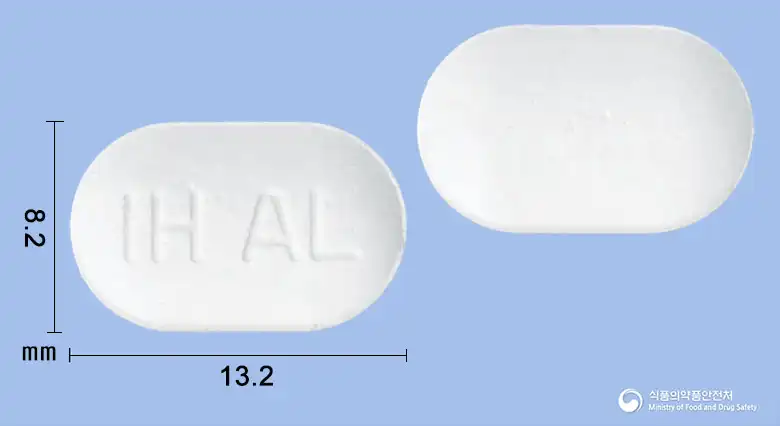
Almagate 500mg
Tablet · OTC medication
Ilhwa Co., Ltd.
Almagate 500mg
Tablet · OTC medication
Daewon Pharmaceutical Co., Ltd.
Even with the same ingredient, the dose and directions can differ by strength and dosage form. Talk to a doctor or pharmacist before switching from a medication you are already taking.
No questions yet.
For anything that needs medical judgment, consult a doctor or pharmacist.
This drug information is based on data provided by the Korea Ministry of Food and Drug Safety.
Consult a doctor or pharmacist for accurate dosage, administration, and usage instructions.