
 한국어
한국어 English
 日本語
日本語 中文(简体)
 Viewing now
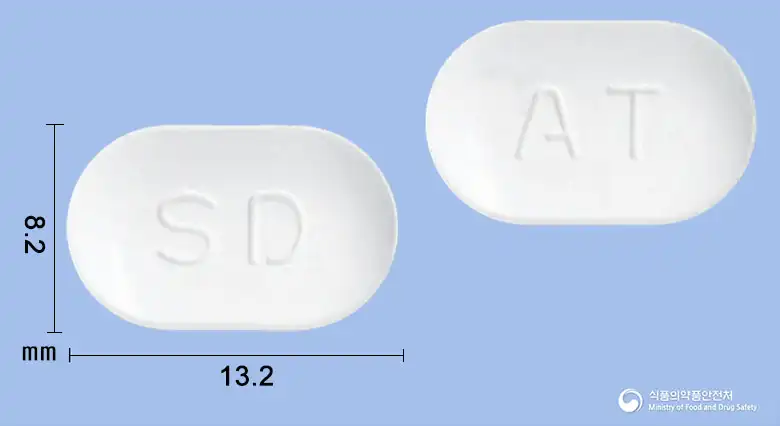
Almaro Tablet (Almagate)
Almagate 500mg
Tablet · OTC medication
PharmGen Science Co., Ltd.
MFDS item code 201402790 · Notified 2014.06.24 · Insurance code 670103640
Improvement of symptoms related to gastric and duodenal ulcers and gastritis (excess gastric acid, heartburn, etc.)
This medication is used for digestive diseases such as gastric and duodenal ulcers, gastritis, and excess gastric acid. It also helps alleviate symptoms like heartburn, nausea, vomiting, stomach pain, and belching. Through its antacid action, it neutralizes excessive gastric acid, protects the gastric mucosa, and alleviates symptoms. Therefore, it is used effectively to improve various symptoms related to dyspepsia.
Adults and children over 12 years: Take 1 g of Almagate 3 times a day, chewed orally 30 minutes to 1 hour after meals. An additional dose may be taken before bedtime if necessary.
Children over 12 years: Take 1 g of Almagate 3 times a day, chewed orally 30 minutes to 1 hour after meals. An additional dose may be taken before bedtime if necessary.
This medication should not be taken by individuals who are allergic to this medication or its components. Patients with Alzheimer's disease or hemorrhoids, those with excessive fluid retention, patients with gestational hypertension, patients with diarrhea, and those with unexplained gastrointestinal bleeding should not take this medication. This medication contains lactose, so individuals with genetic disorders that prevent lactose digestion should avoid it. It is advisable not to take this medication concurrently with tetracycline antibiotics, as it can interfere with the absorption of antibiotics. Those taking other medications should consult a doctor or pharmacist, as this medication may affect the absorption or excretion of other drugs. In particular, non-steroidal anti-inflammatory drugs, ulcer treatments, digoxin preparations, certain antibiotics, and iron supplements should have their dosage timing adjusted when taken with this medication. Patients with poor kidney function should be cautious, as the components of this medication may accumulate in the body. Individuals who are physically weak or have insufficient intake of phosphorus, as well as those with digestive absorption issues, should be careful as long-term use may affect bone health. Elderly individuals and patients with gastrointestinal bleeding symptoms, as well as pregnant or breastfeeding women, should consult a specialist before taking this medication. If constipation or diarrhea occurs during use or if symptoms do not improve within two weeks, discontinue use immediately and consult a doctor. This medication must always be taken according to the prescribed dosage and administration, and when given to children, it should be administered under the supervision of a guardian. When storing, keep it out of reach of children, place it in the original container, avoid direct sunlight, and store in a cool, dry place.
Constipation, diarrhea, risk of reduced blood phosphate levels, and possible mineral deposition disorders in bones
Not everyone experiences these, and they can vary from person to person.
Do not take this medication together with tetracycline antibiotics. Consult a doctor or pharmacist when taking it with non-steroidal anti-inflammatory drugs, ulcer treatments, digoxin preparations, chlorpromazine, lansoprazole, prednisolone, penicillin, quinolones, iron salts, or salicylates.
This medication should be stored in a sealed container to prevent air ingress. It is best to keep it at room temperature between 1°C and 30°C. This helps maintain the effectiveness of the medication and prevents deterioration.
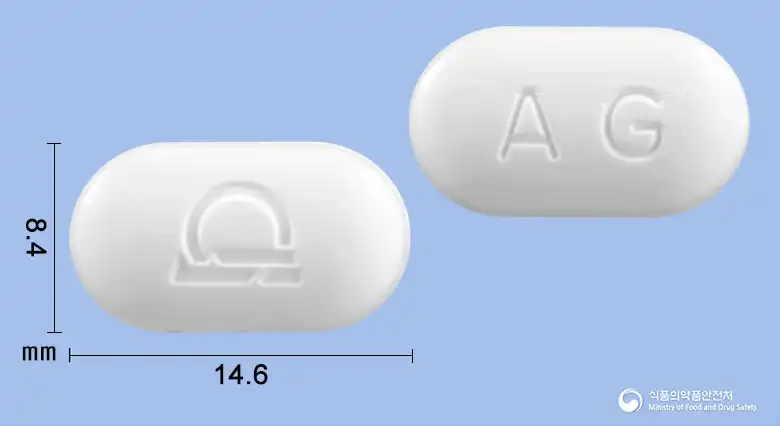
White oblong tablet
500 tablets/bottle
Even with the same ingredient, strength, dosage form and how it is taken can differ.
Viewing nowAlmagate 500mg
Tablet · OTC medication
PharmGen Science Co., Ltd.
Almagate 10g
Suspension · OTC medication
Jeil Pharmaceutical Co., Ltd.
Almagate 10g
Suspension · OTC medication
IlYang Pharmaceutical Co., Ltd.
Almagate 500mg
Tablet · OTC medication
Youngpoong Pharmaceutical Co., Ltd.
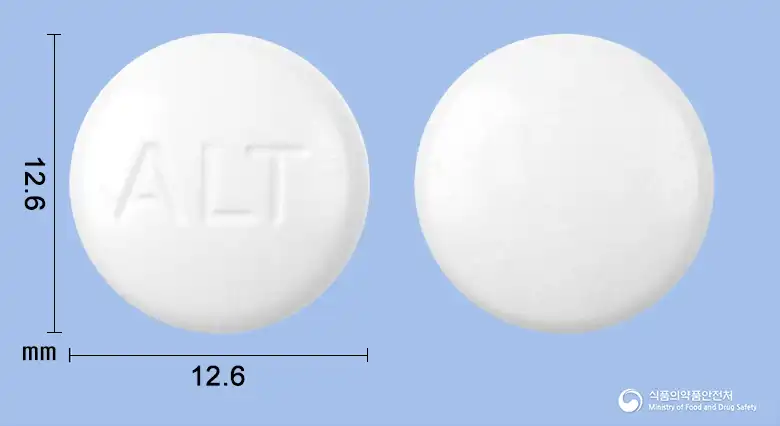
Almagate 500mg
Tablet · OTC medication
Il-Yang Pharmaceutical Co., Ltd.
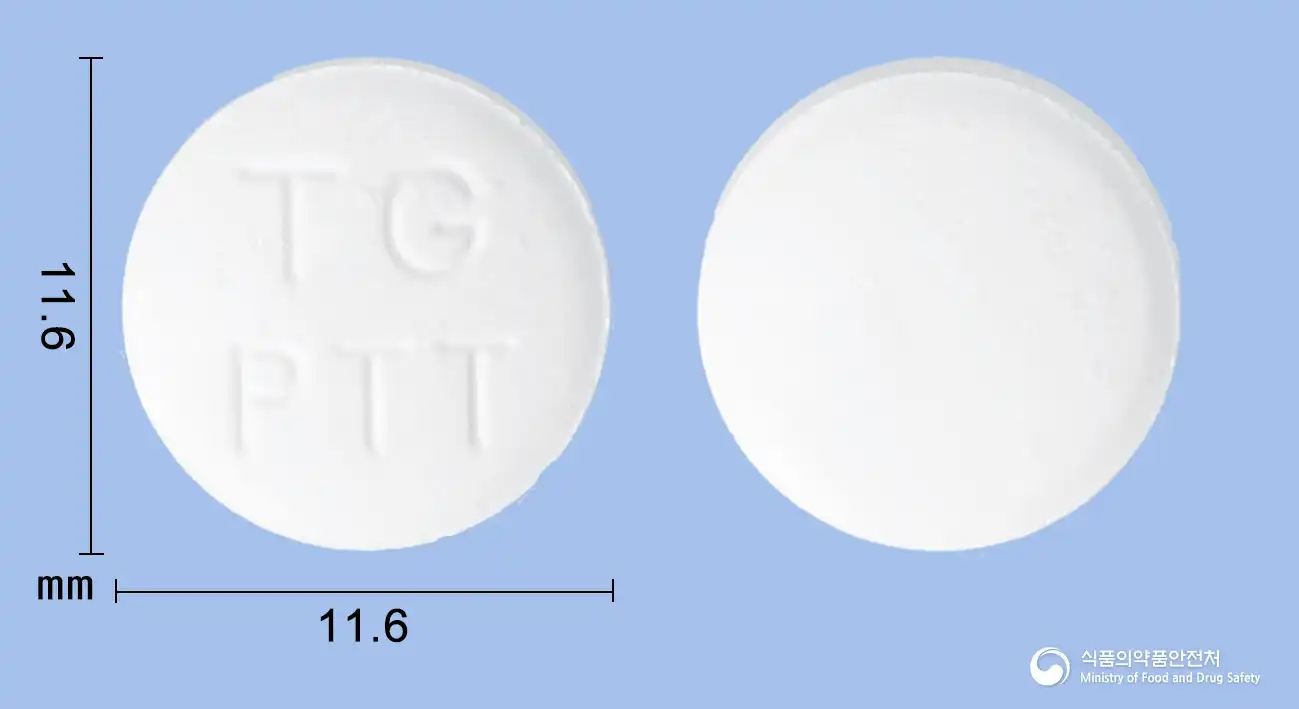
Almagate 500mg
Tablet · OTC medication
Taegeuk Pharmaceutical Co., Ltd.
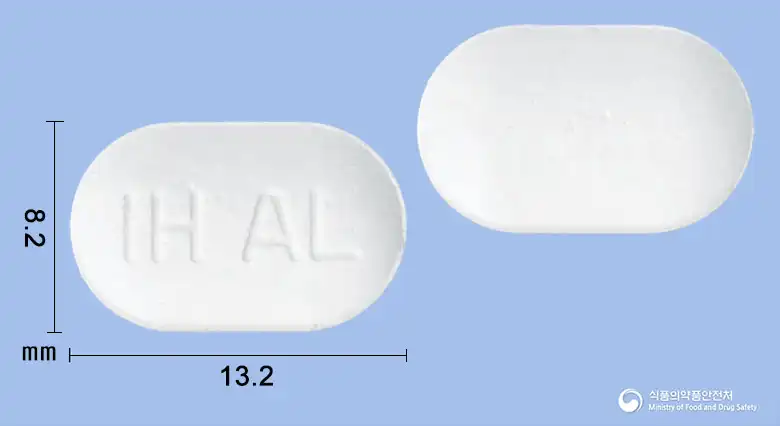
Almagate 500mg
Tablet · OTC medication
Ilhwa Co., Ltd.
Almagate 500mg
Tablet · OTC medication
Daewon Pharmaceutical Co., Ltd.
Even with the same ingredient, the dose and directions can differ by strength and dosage form. Talk to a doctor or pharmacist before switching from a medication you are already taking.
No questions yet.
For anything that needs medical judgment, consult a doctor or pharmacist.
This drug information is based on data provided by the Korea Ministry of Food and Drug Safety.
Consult a doctor or pharmacist for accurate dosage, administration, and usage instructions.