
 한국어
한국어 English
 日本語
日本語 中文(简体)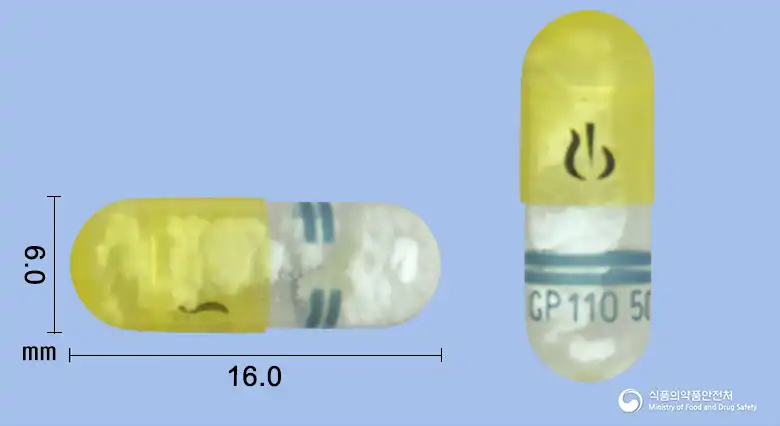
Summary
- Main use
- Maintenance therapy for alleviating symptoms of chronic obstructive pulmonary disease (COPD) (including bronchial symptoms)
- Who uses it
- Adults · Children
- Adult use
- Inhale 1 capsule using the Breezhaler (inhaler) once daily. This medication should be inhaled at the same time every day, and if a dose is missed, it should be taken as soon as possible on the same day. This medication should not be administered more than once a day.
- Child use
- This medication is not to be administered to pediatric patients under 18 years of age.
Ingredients
- Importer
- 한국노바티스(주)
Efficacy & effects
Maintenance therapy for alleviating symptoms of chronic obstructive pulmonary disease (COPD) (including bronchial symptoms)
- Symptoms of chronic obstructive pulmonary disease
View approved original textHide original text
This medication helps to relieve shortness of breath, cough, and phlegm symptoms associated with chronic obstructive pulmonary disease by dilating the bronchi. It is used as a maintenance therapy to maintain lung function and prevent deterioration through continuous usage.
How to use
Adult use
Inhale 1 capsule using the Breezhaler (inhaler) once daily. This medication should be inhaled at the same time every day, and if a dose is missed, it should be taken as soon as possible on the same day. This medication should not be administered more than once a day.
Child use
This medication is not to be administered to pediatric patients under 18 years of age.
Precautions
This medicine is a bronchodilator that is inhaled once daily. It is not suitable for use as an emergency drug for acute bronchospasm. Rarely, there may be a sudden contraction of the bronchi when using this drug; if such symptoms occur, use should be stopped immediately and a doctor consulted. It is advisable not to use this medication in asthma patients, as its safety and efficacy in asthma have not been established. This medication contains anticholinergic components, so patients with narrow-angle glaucoma or urinary retention should use it cautiously, and care should be taken to avoid getting powder in the eyes. Patients with allergies to this medication or lactose intolerance should not use it. Patients with heart disease, convulsions, thyroid disease, hypokalemia, diabetes, glaucoma, urinary retention, or kidney disease should use this medication with caution. Side effects such as headache, cough, rhinitis, dizziness, itching, dry mouth, and other symptoms may occur. If severe allergic reactions develop, use should be stopped immediately and treatment sought. This medication should only be administered by inhalation using the Breezhaler inhaler, and the capsule should not be swallowed. Learn the correct method of using the inhaler, store it in its original packaging to prevent moisture, and keep it out of reach of children. If pregnant or breastfeeding, consult a doctor before use to ensure safety. In case of overdose, symptoms such as rapid heartbeat, tremors, headache, nausea, and hypokalemia may occur, requiring immediate medical attention. It is advisable not to use this medication with other beta-2 agonists or anticholinergic drugs, and caution is required for patients with specific heart conditions or QT interval prolongations. Since this medication can raise blood sugar levels, diabetic patients should check their blood sugar regularly. This medicine is not to be used in patients under 18 years of age.
Side effects and when to seek care immediately
Serious side effects
Angioedema, urticaria, severe swelling (edema), dyspnea, paradoxical bronchospasm, pneumonia, pleural effusion, pneumothorax, spontaneous pneumothorax, respiratory distress, septic shock, pulmonary tuberculosis, septic shock, angioedema, increased blood pressure, significantly decreased urine output, generalized severe edema, narrow-angle glaucoma, acute narrow-angle glaucoma, cardiomyopathy, myocardial ischemia, congestive cardiomyopathy, deep vein thrombosis, headache (excluding severe neurological symptoms)
Mild side effects
Headache, cough, nasopharyngitis, upper respiratory tract infections, urinary tract infections, sinusitis, rhinitis, insomnia, dizziness, sensory abnormalities, glaucoma, ischemic heart disease, atrial fibrillation, tachycardia, palpitations, throat irritation including oropharyngeal pain, nosebleed, dyspepsia, dental caries, dry mouth, gastroenteritis, itching/rash, musculoskeletal pain, muscle cramps, limb pain, myalgia, bladder obstruction, urinary retention, fever, chest pain, peripheral edema, fatigue
Not everyone experiences these, and they can vary from person to person.
Storage
This medication is sensitive to air and moisture, so it should be stored in a sealed container. Additionally, it is crucial to store it in a cool place below 25 degrees Celsius to maintain its efficacy.
Appearance and packaging
Appearance
An inhalation capsule containing white powder with a yellow top and colorless transparent bottom (attached to the Breezhaler inhaler)
Package unit
30 capsules/box [(10 capsules/PTP * 3)]
Questions about this medicine
No questions yet.
For anything that needs medical judgment, consult a doctor or pharmacist.