
 한국어
 English
 日本語
 中文(简体)
Dosage form image
Viewing nowTrigren Capsule (Tripulsal)
Triflusal 300mg
Hard capsule · Prescription medication
Ilhwa Co., Ltd.
MFDS item code 201402046 · Approved 2014.04.30
This product's status changed to Expired on 2024.04.30. It may no longer be sold, so consult a doctor or pharmacist before taking it.
Prevention of arterial thromboembolic diseases (such as myocardial infarction and cerebrovascular disorders); inhibition of platelet aggregation
This medication is used to prevent arterial thromboembolic diseases, including complications from thrombosis, and inhibits platelet aggregation. It also helps prevent acute myocardial infarction that may occur due to unstable angina. It prevents thrombosis that may occur after vascular surgery and is used to prevent cerebrovascular disorders associated with transient ischemia or reversible ischemic neurological deficits (RIND). Due to these effects, it effectively prevents cardiovascular complications.
Adults: Administer 300 mg ∼ 900 mg of triflusal daily in divided doses during or after meals. - Preventive dose: Administer 300 mg orally once daily or every other day. - Maintenance dose: Administer 600 mg orally daily. - For patients at risk of thrombosis: Administer 900 mg orally daily. This medicine should preferably be taken with meals.
This medication should not be used in women who are pregnant or may become pregnant. It is safe not to administer it to patients with peptic ulcers or a history of peptic ulcers. Patients who are allergic to this medication, its components, or salicylate derivatives should avoid taking it. This medication should not be administered to patients who are currently bleeding. Patients with kidney or liver function issues should exercise more caution when using this medication. Patients at high risk of bleeding should also be carefully monitored while taking this medication. During treatment with this medication, gastrointestinal discomfort such as stomach pain, heartburn, dyspepsia, and nausea may occur; however, taking it with meals or using antacids can alleviate these symptoms. Rarely, side effects such as gastrointestinal bleeding, skin rash, headache, dizziness, tinnitus, hearing loss, hypertension, and shortness of breath may occur, and if symptoms are severe, immediate consultation with a physician is required. Usage experience in patients with weakened kidney or liver function is limited, so they should take it according to a doctor's instructions. Patients at risk of bleeding should be cautious due to the possibility of bleeding from trauma or other illnesses. This medication is not known to affect driving or machinery operation. If taken with anticoagulants or antihyperglycemic agents, this medication can enhance their effects, so dose adjustment must be discussed with a physician. Pregnant women or women who may become pregnant should not take this medication, and safety in children under 18 has not been established. In case of overdose, central nervous system symptoms, cardiac and respiratory changes, and gastrointestinal bleeding may occur, so immediate medical attention should be sought in such situations. This medication should be stored out of reach of children, and transferring it to another container may affect its quality, so it is advisable to keep it in the original container.
Not everyone experiences these, and they can vary from person to person.
This medication may be sensitive to air or moisture, so it must be stored in a tightly sealed container. It is important to maintain a storage temperature between 1 to 30 degrees Celsius to ensure the drug's effectiveness and safety.
A hard capsule filled with white or almost white powder, transparent
30 capsules/bottle, 100 capsules/bottle
Even with the same ingredient, strength, dosage form and how it is taken can differ.
Triflusal 300mg
Hard capsule · Prescription medication
Ilhwa Co., Ltd.
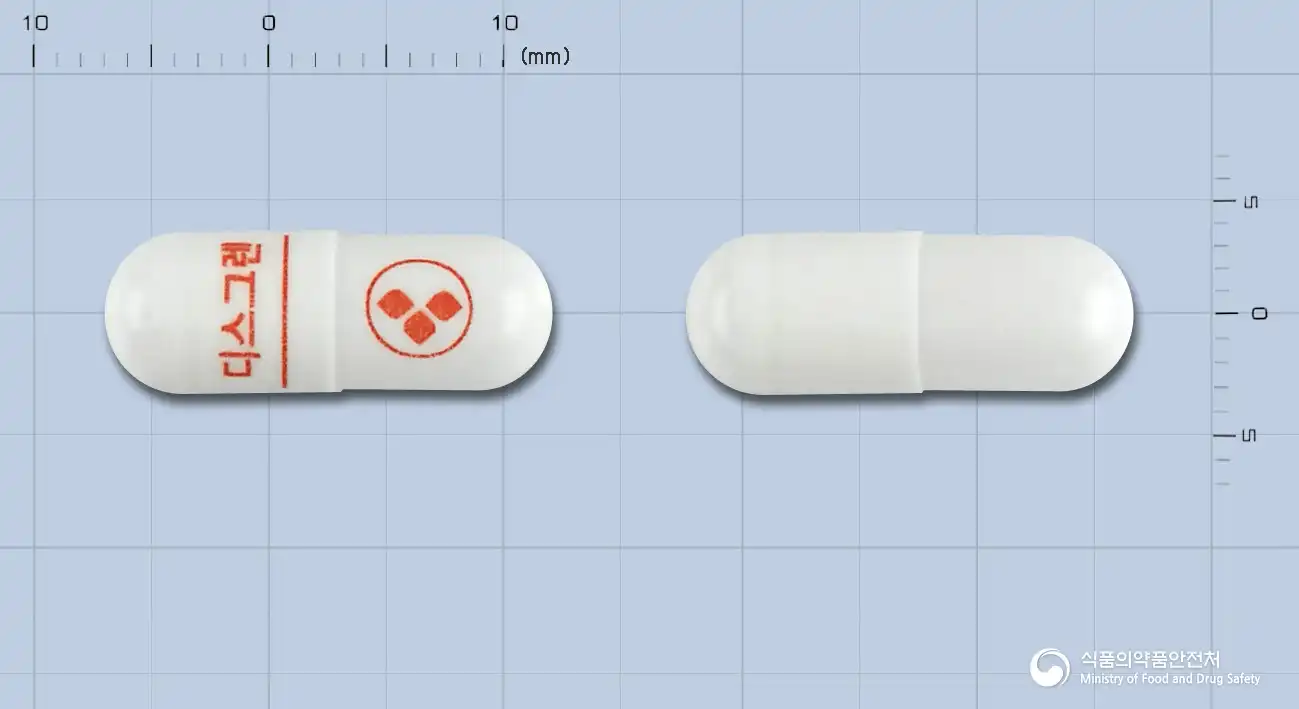
Triflusal 300mg
Hard capsule · Prescription medication
Myungin Pharmaceuticals Co., Ltd.
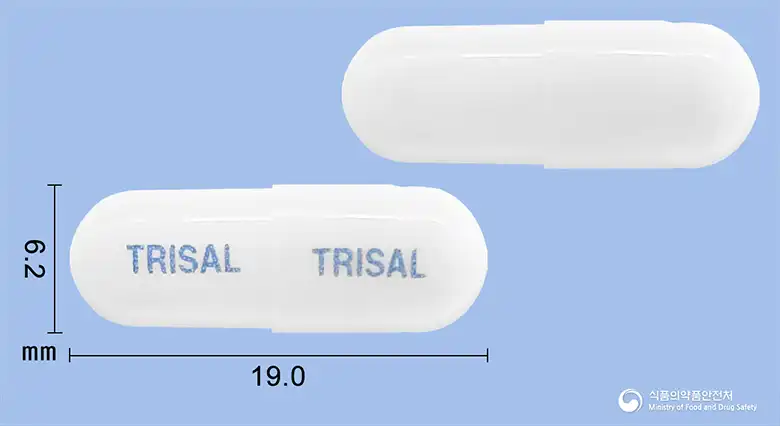
Triflusal 300mg
Hard capsule · Prescription medication
Hanin Pharmaceutical Co., Ltd.
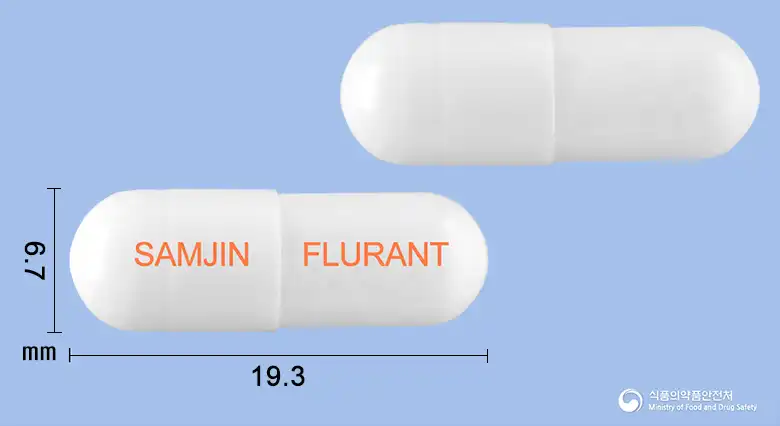
Triflusal 300mg
Hard capsule · Prescription medication
Samjin Pharmaceutical Co., Ltd.
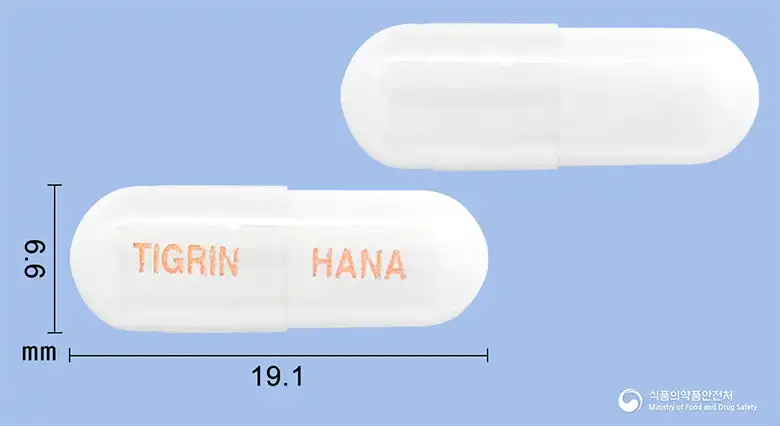
Triflusal 300mg
Hard capsule · Prescription medication
Hana Pharm Co., Ltd.
Triflusal 300mg
Hard capsule · Prescription medication
Yooyoung Pharmaceutical Co., Ltd.
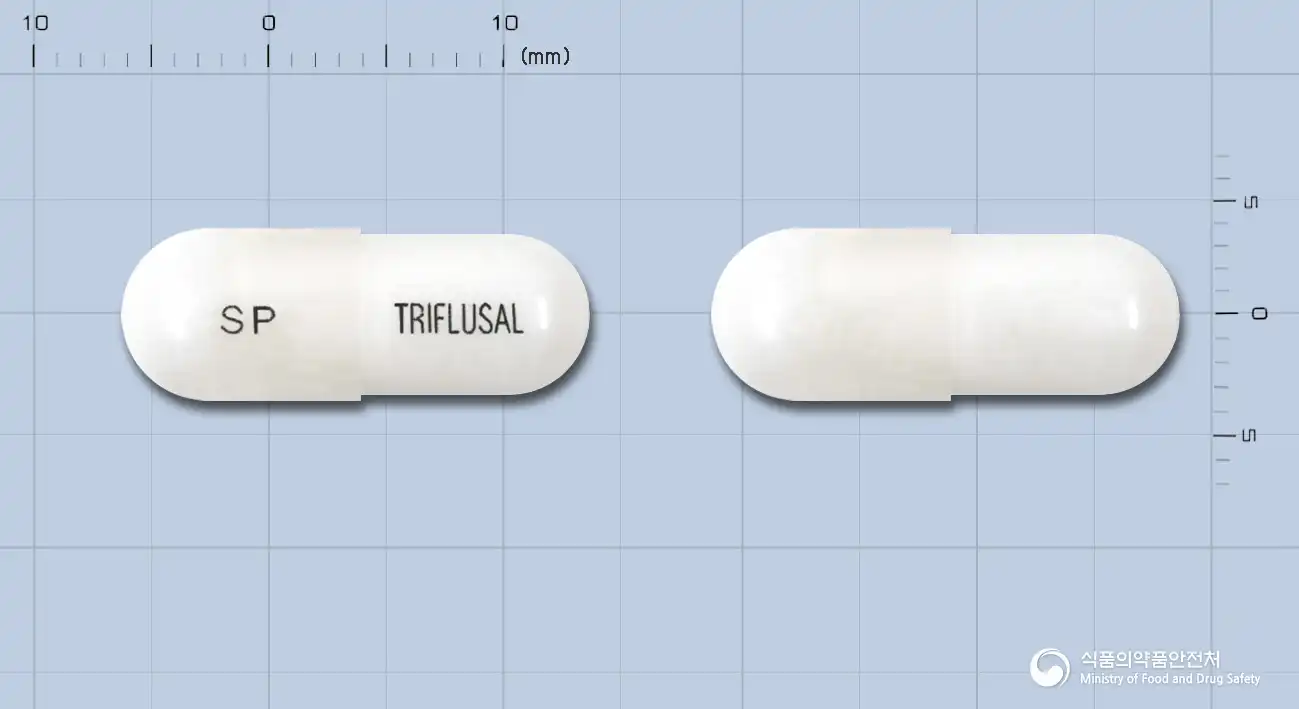
Triflusal 300mg
Hard capsule · Prescription medication
Sinphong Pharmaceutical Co., Ltd.
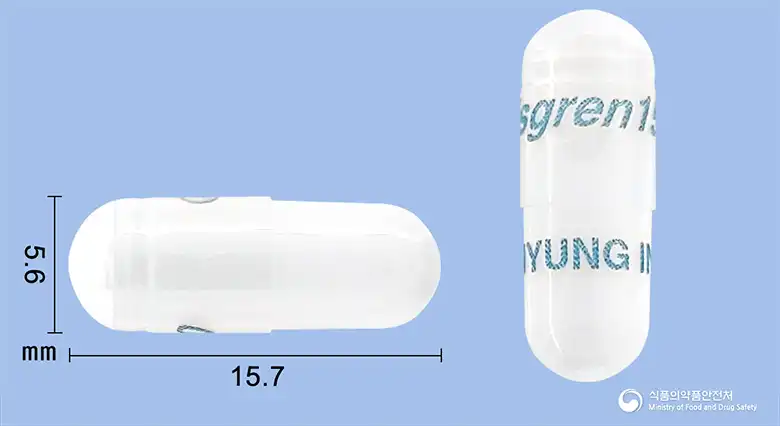
Triflusal 150mg
Hard capsule · Prescription medication
Myungin Pharmaceutical Co., Ltd.
Even with the same ingredient, the dose and directions can differ by strength and dosage form. Talk to a doctor or pharmacist before switching from a medication you are already taking.
No questions yet.
For anything that needs medical judgment, consult a doctor or pharmacist.
This drug information is based on data provided by the Korea Ministry of Food and Drug Safety.
Consult a doctor or pharmacist for accurate dosage, administration, and usage instructions.