
 한국어
 English
 日本語
 中文(简体)
Summary
- Main use
- Improvement of blood glucose control in type 2 diabetes mellitus
- Who takes it
- Adults
- Adult dose
- The recommended dose of this medicine, whether used as monotherapy or in combination therapy, is 20 mg once daily. It may be taken with or without food. When administered with a sulfonylurea, a dose reduction of the sulfonylurea may be considered to reduce the risk of hypoglycemia. No dose adjustment is required in patients with renal impairment. No dose adjustment is required in patients with mild to moderate hepatic impairment.
Ingredients
- Manufacturer
- Handok Co., Ltd.
Efficacy & effects
Improvement of blood glucose control in type 2 diabetes mellitus
- Blood sugar control in patients with type 2 diabetes
View approved original textHide original text
This medication is used to help control blood sugar levels in patients with type 2 diabetes. It serves as a complement to dietary and exercise regimens and can be administered alone or in combination with other medications. This effectively improves blood sugar levels to assist in diabetes management.
How to take
Adult dose
The recommended dose of this medicine, whether used as monotherapy or in combination therapy, is 20 mg once daily. It may be taken with or without food. When administered with a sulfonylurea, a dose reduction of the sulfonylurea may be considered to reduce the risk of hypoglycemia. No dose adjustment is required in patients with renal impairment. No dose adjustment is required in patients with mild to moderate hepatic impairment.
Precautions
This drug is used in the treatment of diabetes and should not be administered to certain patients. For example, it is not suitable for patients who are allergic to any component of this drug, those with type 1 diabetes, and patients with severe infections or those before and after surgery. Furthermore, patients with severe liver dysfunction, heart failure, or those at high risk of hypoglycemia should use this drug with caution. While taking this medication, hypoglycemic symptoms may occur; if experiencing hypoglycemic symptoms, one should consume sugar-containing foods immediately. Particularly, when taken together with other diabetes medications, the risk of hypoglycemia may increase, so caution is necessary. If symptoms suggesting pancreatitis such as abdominal pain or vomiting arise, consult a doctor immediately. This medication is not recommended for pregnant women or nursing mothers, and its safety has not been established in children. Elderly patients may have declining physiological functions, so their condition should be monitored closely during administration. In cases of overdose, the drug will be removed from the gastrointestinal tract, and clinical monitoring such as ECG will be performed, with additional treatment as necessary. It should be kept out of the reach of children and not transferred to a different container. Additionally, during the period of taking this medication, one should be fully aware of hypoglycemic symptoms and their management, and caution is required when driving or working at heights. Finally, this medication may cause side effects such as joint pain or skin diseases in some patients; if any unusual symptoms occur, consult healthcare personnel.
Side effects
- Hypoglycemia
- constipation
- intestinal obstruction
- liver dysfunction
- interstitial pneumonia
- pseudo-bullous pemphigoid
- acute pancreatitis
- dizziness
- abdominal distension
- abdominal discomfort
Show 133 moreCollapse
- nausea
- abdominal pain
- bloating
- stomatitis
- gastric polyps
- colonic polyps
- duodenal ulcer
- gastroesophageal reflux disease
- diarrhea
- decreased appetite
- increased amylase
- increased lipase
- elevated AST (GOT)
- elevated ALT (GPT)
- elevated GGT
- elevated ALP
- proteinuria
- ketonuria
- potential hematuria
- eczema
- rash
- itching
- allergic dermatitis
- arthralgia
- elevated CK (CPK)
- increased serum potassium levels
- lethargy
- allergic rhinitis
- elevated serum uric acid
- peripheral edema
- dyslipidemia
- herpes zoster
- limb pain
- epigastric pain
- gastritis
- dizziness
- upper respiratory infection
- headache
- dyspepsia
- chronic gastritis
- irritable bowel syndrome
- fatigue
- tremor
- asthenia
- hunger
- facial edema
- nausea
- viral upper respiratory infection
- rhinitis
- cold sweats
- pruritus
- diabetic retinopathy
- visual impairment
- cough
- pulmonary congestion
- dyspnea
- drug overdose
- benign prostatic hyperplasia
- cerebral infarct
- hyperglycemia
- liver biopsy
- neutropenia
- abnormal blood sugar
- increased blood sugar
- increased blood pressure
- hepatic coma
- lumbar spinal stenosis
- intervertebral disc protrusion
- intervertebral disc disorder
- spinal ligament ossification
- spinal foraminal stenosis
- rotator cuff syndrome
- bladder mass
- ureteral stones
- urinary stones
- coronary artery disease
- unstable angina
- gastroesophageal reflux disease
- gastric polyps
- gastritis
- biliary obstruction
- chronic cholecystitis
- soft tissue infection
- pneumonia
- cataracts
- depression
- iliac artery stenosis
- vertigo
- benign prostatic hyperplasia
- knee surgery
- urticaria
- glaucoma
- blurred vision
- age-related macular degeneration
- hyperthyroidism
- hyperparathyroidism
- coronary artery disease
- unstable angina
- angina
- otalgia
- vertigo
- iron deficiency anemia
- food allergy
- eyelid damage
- ligament sprain
- lip damage
- bruise
- vomiting
- abdominal pain
- gastrointestinal motility disorder
- decreased gastrointestinal motility
- enteritis
- toothache
- anal rectal discomfort
- acquired mixed hyperlipidemia
- hypertriglyceridemia
- vitamin D deficiency
- abnormal weight gain
- essential hypertension
- orthostatic hypotension
- white coat hypertension
- bleeding
- abnormal sputum
- toxic hepatitis
- non-alcoholic fatty liver disease
- alcoholic liver disease
- ovarian cyst
- vulvar pruritus
- menopausal symptoms
- eyelid damage
- ligament sprain
- lip damage
- bruise
Not everyone experiences these, and they can vary from person to person.
Storage
This medication should be stored in a tightly closed container to prevent air from entering, preferably at room temperature between 1 degree and 30 degrees Celsius. Storing it this way will help maintain the drug's effectiveness for a longer period.
Appearance and packaging
Appearance
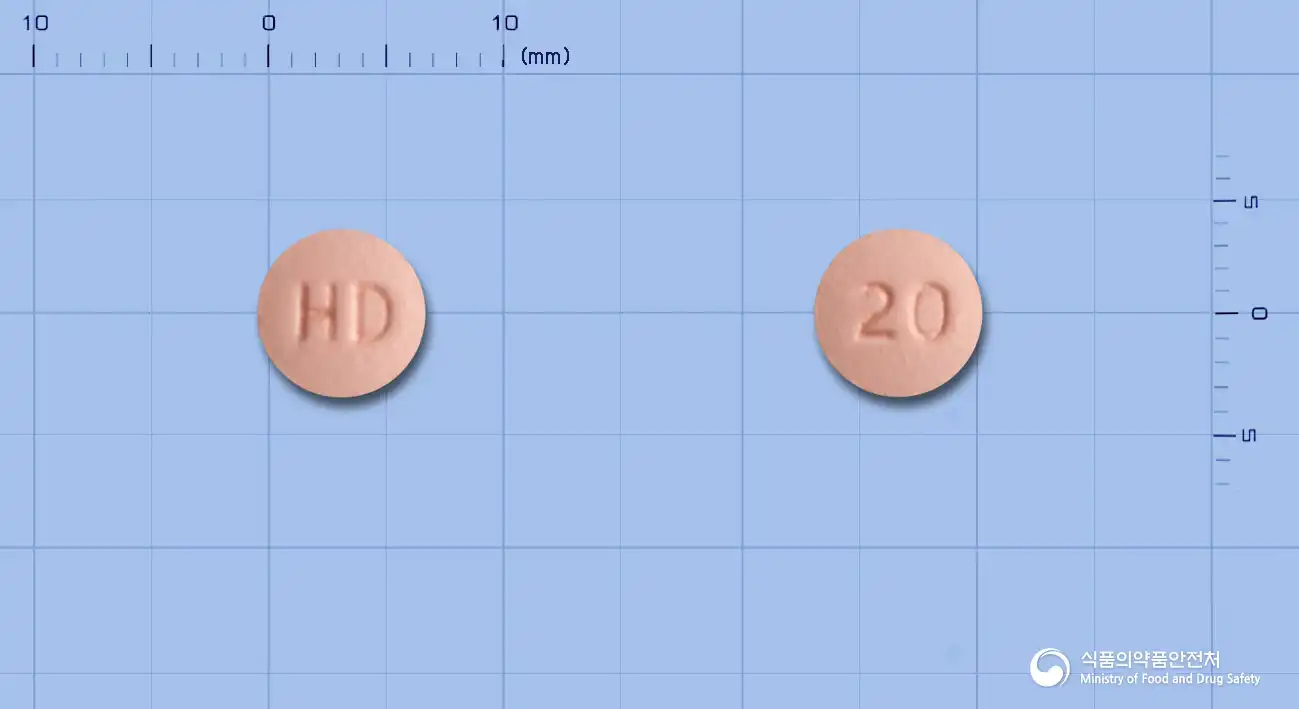
Pink round film-coated tablet
Package unit
30 tablets/bottle, 60 tablets/bottle
Questions about this medicine
No questions yet.
For anything that needs medical judgment, consult a doctor or pharmacist.