
 한국어
한국어 English
 日本語
日本語 中文(简体)
Dosage form image
Viewing nowCombinationRogis Tablet 5/160 Milligrams
Valsartan 160mg · Amlodipine Besylate 6.94mg
Tablet · Prescription medication · Combination
Samnam Pharmaceutical Co., Ltd.
MFDS item code 201401988 · Approved 2014.04.24
This product's status changed to Expired on 2024.04.24. It may no longer be sold, so consult a doctor or pharmacist before taking it.
Improvement in blood pressure control in essential hypertension
This medication is used for patients with essential hypertension when controlling blood pressure with either amlodipine or valsartan alone is insufficient. It effectively lowers blood pressure through a combination of two active ingredients, aiding in hypertension management. When blood pressure is stably controlled, the risk of complications such as heart disease or stroke can be reduced. Therefore, this medication plays an important role in the treatment of essential hypertension and effectively controls blood pressure.
The recommended dosage of this medication is one tablet once daily, to be taken with water regardless of meals. It is recommended to take it at the same time each day (e.g., in the morning). If blood pressure control is inadequate, a switch from amlodipine or valsartan monotherapy to this medication may be considered. Patients with renal impairment and hepatic impairment require special caution, and those aged 65 and older should be careful when increasing the dosage.
Safety and efficacy in pediatric patients under 18 years of age have not been established; therefore, the use of this medication is not recommended.
This medication can cause serious harm to the fetus if taken during the 2nd and 3rd trimesters of pregnancy; therefore, it should be discontinued immediately upon confirmation of pregnancy. Individuals allergic to any component of this medication or similar components should not take it, and pregnant or nursing women should avoid it. Patients with severely impaired kidney function or serious liver problems should not use this medication. Patients with diabetes or moderate to severe impairment in kidney function should be cautious when taking this medication with certain other drugs. Patients with a history of angioedema or those who have taken medications that could cause angioedema should not use this medication. This medication may cause hypotension, so patients with fluid or sodium deficiency should stabilize their condition and monitor their blood pressure closely before taking it. Patients with high potassium levels should frequently check potassium levels when taking this medication with potassium supplements or potassium-sparing diuretics. Patients with vascular issues in the kidneys should be carefully monitored as kidney function may worsen with this medication. Recent kidney transplant recipients should not use this medication as its safety has not been established. If symptoms of angioedema, such as swelling of the face, lips, or tongue, occur during treatment, the medication should be discontinued immediately and should not be taken again. Patients with heart failure or after myocardial infarction should closely monitor kidney function while taking this medication, as symptoms such as pulmonary edema may appear. Like other vasodilators, caution is needed when administering this medication to patients with aortic stenosis, mitral stenosis, or hypertrophic obstructive cardiomyopathy. When taken with other medications that have a strong blood pressure-lowering effect, there may be an increased risk of hypotension, worsening kidney function, and hyperkalemia; thus, caution is necessary. The dosage of this medication should be limited in patients with poor liver function, and immediate consultation with a physician is required if symptoms of liver dysfunction appear. Dizziness or fatigue may occur during treatment; therefore, caution should be exercised when driving or operating machinery. Overdose may lead to severe hypotension or arrhythmias, so if any abnormalities occur, medical attention should be sought immediately. This medication is not recommended for use in children as its safety and efficacy in patients under 18 years of age have not been established. In the elderly, it can be administered at the same dosage as adults, but their condition should be closely monitored.
Urticaria, severe swelling (edema), angioedema, chest tightness, difficulty breathing, cold sweat, pallor, severe rash with high fever, blisters, peeling skin, oral/ocular mucosal pain, dyspnea or difficulty breathing, asthma attacks, respiratory irregularities with cough and fever, jaundice (yellowing of the skin or eyes), extreme lethargy, sudden severe headache, thunderclap headache, seizure, confusion, visual disturbances.
Not everyone experiences these, and they can vary from person to person.
This medication should be stored in a tightly sealed container to protect it from air and moisture and should be kept at room temperature between 1 to 30 degrees Celsius. Proper storage will help maintain the effectiveness of the medication for a longer duration.
Dark yellow rectangular film-coated tablet
28 tablets (14 tablets/PTP packaging X 2)
Even with the same ingredient, strength, dosage form and how it is taken can differ.
Valsartan 160mg · Amlodipine Besylate 6.94mg
Tablet · Prescription medication · Combination
Samnam Pharmaceutical Co., Ltd.
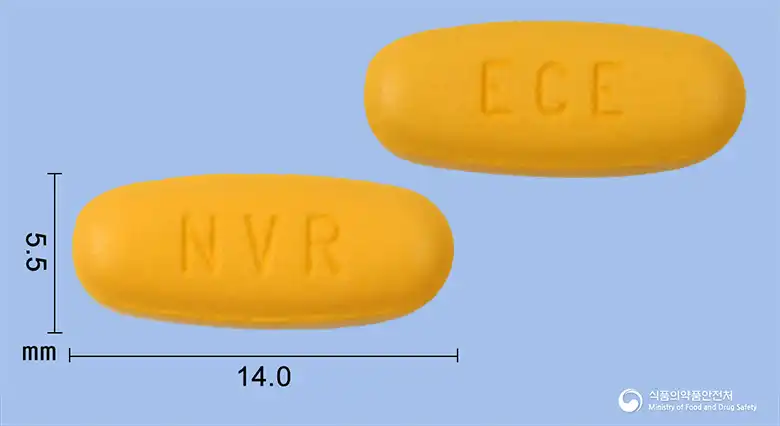 Combination
Valsartan 160mg · Amlodipine Besylate 6.94mg
Tablet · Prescription medication · Combination
Novartis Korea Co., Ltd.
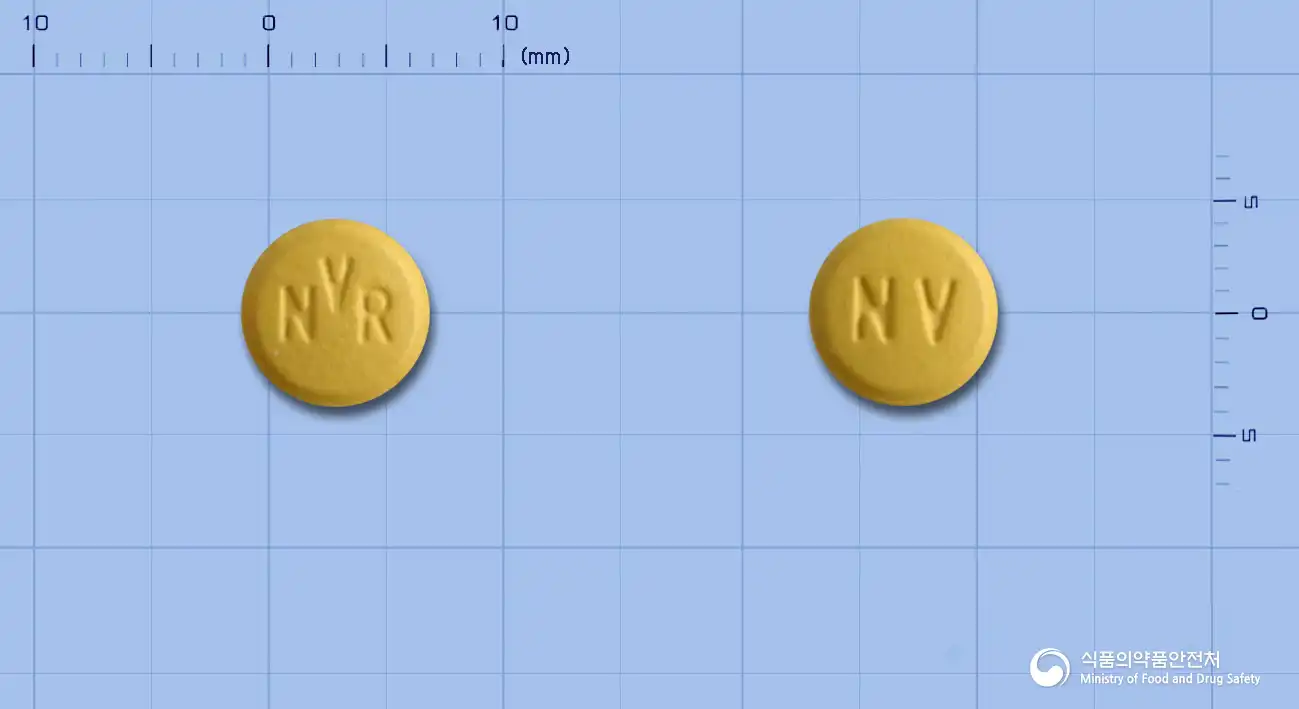 Combination
Valsartan 80mg · Amlodipine Besylate 6.94mg
Tablet · Prescription medication · Combination
Korea Novartis Co., Ltd.
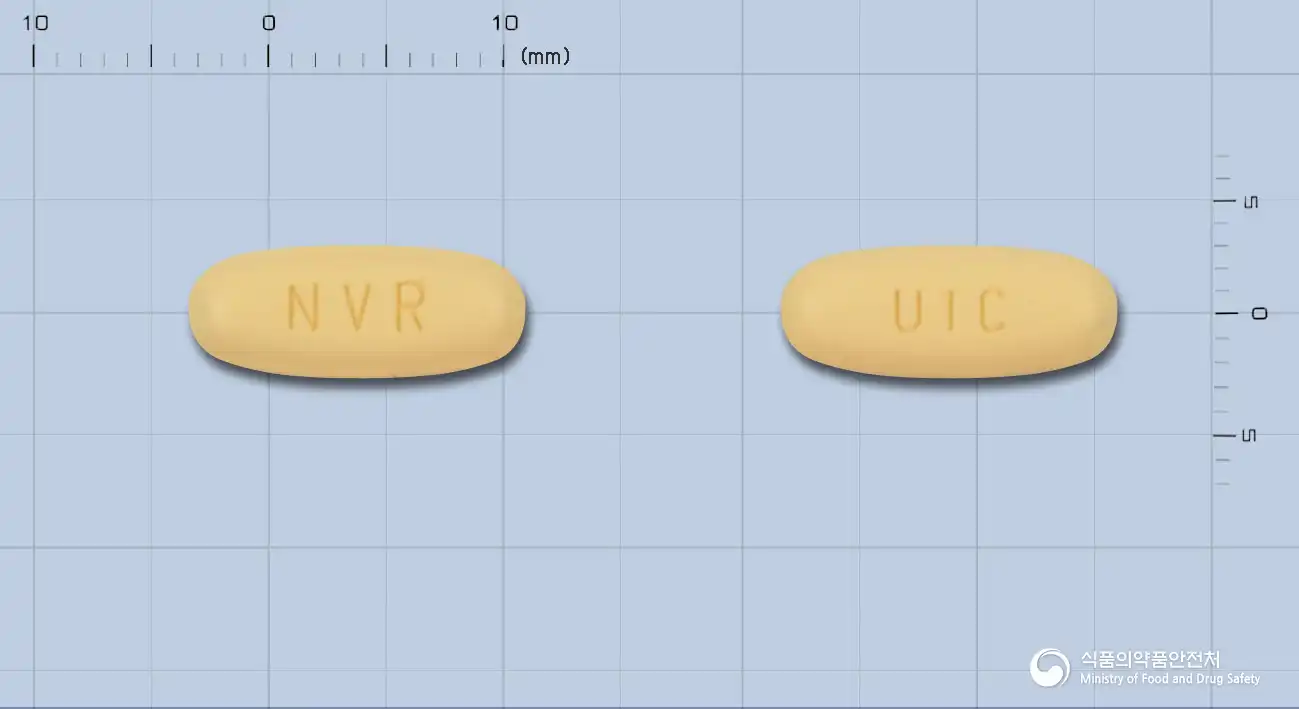 Combination
Valsartan 160mg · Amlodipine Besylate 13.87mg
Tablet · Prescription medication · Combination
Novartis Korea Co., Ltd.
Valsartan · Amlodipine Besylate
Prescription medication · Combination
Korea Sandose Co., Ltd.
Valsartan · Amlodipine Besylate
Prescription medication · Combination
Korea Sandos Co., Ltd.
Valsartan · Amlodipine Besylate
Prescription medication · Combination
Korea Sandos Co., Ltd.
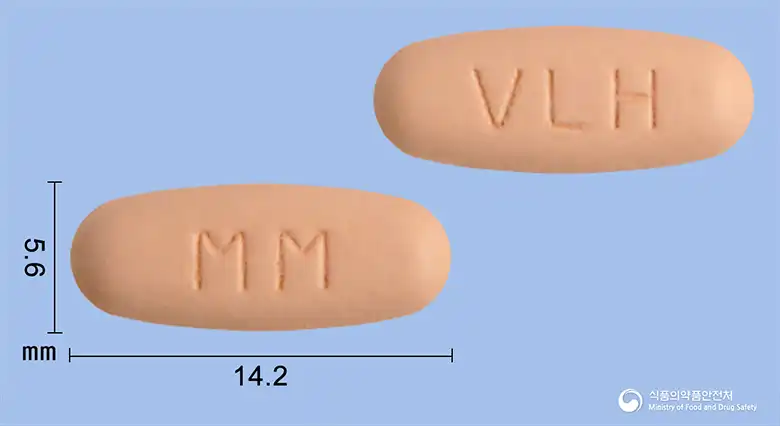 Combination
Valsartan 160mg · Amlodipine Besylate 13.87mg
Tablet · Prescription medication · Combination
Myungmoon Pharmaceutical Co., Ltd.
Even with the same ingredient, the dose and directions can differ by strength and dosage form. Talk to a doctor or pharmacist before switching from a medication you are already taking.
No questions yet.
For anything that needs medical judgment, consult a doctor or pharmacist.
This drug information is based on data provided by the Korea Ministry of Food and Drug Safety.
Consult a doctor or pharmacist for accurate dosage, administration, and usage instructions.