
 한국어
한국어 English
 日本語
日本語 中文(简体)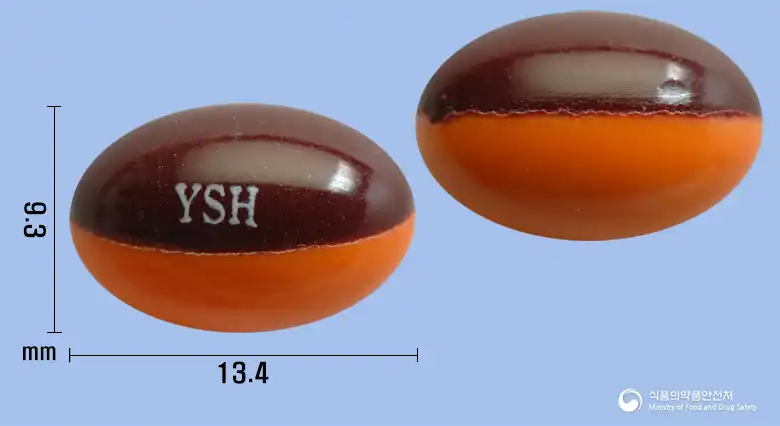
Summary
- Main use
- Relief of bone development disorders and peripheral circulation disorders (shoulder stiffness, cold extremities)
- Who takes it
- Adults
- Adult dose
- For those aged 12 and older and adults: Take 1 capsule twice a day.
Ingredients
- Tocopherol Acetate200mg / 1 capsule
- Magnesium Oxide250mg / 1 capsule
- Thiamine Nitrate15mg / 1 capsule
- Riboflavin6mg / 1 capsule
- Pyridoxine Hydrochloride1mg / 1 capsule
- Nicotinamide50mg / 1 capsule
- Cholecalciferol Concentrate Powder1000μg / 1 capsule
- Manufacturer
- 영풍제약(주)
Efficacy & effects
Relief of bone development disorders and peripheral circulation disorders (shoulder stiffness, cold extremities)
- Physical fatigue
- reduced stamina
- bone developmental disorders
- tooth developmental disorders
- rickets
- peripheral circulation disorders
- shoulder stiffness
- neck stiffness
- numbness in hands and feet
- cold extremities
- neuralgia
- myalgia
View approved original textHide original text
The vitamins D, E, B1, B2, and B6 included in this medication help supplement deficiencies during physical fatigue, pregnancy, breastfeeding, and the periods of illness and recovery, as well as during growth and old age. Vitamin D is effective in preventing bone and tooth developmental disorders and rickets, and relieves peripheral blood circulation disorders and menopausal symptoms, such as shoulder and neck stiffness and numbness or coldness in the hands and feet. Furthermore, it aids in pain relief from neuralgia, myalgia, and arthralgia, as well as improving inflammatory diseases such as angular cheilitis, cheilitis, stomatitis, glossitis, eczema, and dermatitis. It is also effective for eye fatigue and muscle cramps due to magnesium deficiency, contributing to overall health improvement and symptom alleviation.
How to take
Adult dose
For those aged 12 and older and adults: Take 1 capsule twice a day.
Precautions
This medication should not be taken by patients with hypercalcemia or sarcoidosis, an unknown cause systemic inflammatory disease, and those with kidney diseases. Additionally, those with allergies or hypersensitivity to this medicine or its components, infants under 12 months, patients with kidney stones, severe renal failure, and individuals allergic to soybean oil or peanuts should also avoid this medication. Care should be taken not to take this medication together with phosphates, calcium salts, oral tetracycline preparations, antacids, and certain medications such as levodopa while on treatment. Women undergoing treatment, those who are pregnant or may become pregnant, breastfeeding individuals, premature infants, children, patients with cardiovascular issues, patients with kidney impairment or hypoproteinemia, and those with a history of kidney stones should consult a professional before taking this medication. Moreover, individuals with dyslipidemia, diabetic dyslipidemia, or pancreatitis, or those who are hypersensitive to Yellow No. 5 included in this medication should also exercise caution. If unusual symptoms such as nausea, vomiting, diarrhea, skin rashes, abnormal heartbeats, or central nervous system dysfunction occur, discontinue use immediately and consult a professional. In females, menstruation may become quicker or heavier and bleeding may persist longer due to this medication. Those taking oral contraceptives containing estrogen or with thrombophilia should be cautious of an increased risk of thrombosis when taking vitamin E. Prolonged high-dose pyridoxine intake can lead to neurological damage, and high doses can cause side effects such as peptic ulcers, blood sugar control disorders, hyperuricemia, and liver damage. Excessive intake may lead to gastrointestinal symptoms, hypernatremia, congestive heart failure, and edema; hence caution is needed. When taken with aldosterone antagonists or triamterene, there is a possibility of developing hyperkalemia. If symptoms do not improve after about a month of taking this medication, consult a professional; it is essential to adhere to the prescribed usage and dosage. This medication can turn urine yellow, which may affect clinical test results, so be aware of this. It is advisable to avoid teas containing tannins, such as green tea and black tea, before and after taking this medication. Patients at risk of lipid overload should monitor plasma lipid levels and adjust the dosage of medications as necessary, especially if receiving another intravenous lipid preparation, taking into account the total lipid amount. Lastly, this medication should be stored out of the reach of children, protected from direct sunlight, and kept in a cool, dry place sealed tightly to maintain quality and prevent misuse.
Side effects and when to seek care immediately
Serious side effects
Heart failure (cardiac arrest)
Mild side effects
Nausea, vomiting, diarrhea, discomfort in the stomach, constipation, rash, redness, loose stools, red spots, menstruation becoming quicker or prolonged bleeding, sensory neuropathy or neurological symptoms (peripheral neurogenic dysfunction), promotion of peptic ulcers, impairment of glucose tolerance, hyperuricemia, liver damage, hypernatremia, congestive heart failure, edema, abnormalities in plasma lipids
Not everyone experiences these, and they can vary from person to person.
Interactions
Drug interactions
Do not take this medication together with phosphates, calcium salts, oral tetracycline preparations, antacids, or levodopa. When used with oral contraceptives containing estrogen, aldosterone antagonists, triamterene, or intravenous lipid preparations, consult with a doctor or pharmacist.
Food interactions
It is advisable not to take this medication together with tannin-containing teas, such as green tea and black tea, during or before and after consumption.
Storage
This medication may be sensitive to air and moisture; hence it should be stored in a tightly sealed container. The storage temperature should ideally be maintained between 1 to 30 degrees Celsius at room temperature to safely preserve the medication's effectiveness.
Appearance and packaging
Appearance
A red oval soft capsule with one side being reddish and the other side being orange, containing a yellowish-brown oily substance.
Package unit
360 capsules (180 capsules (10 capsules/PTP×18)×2), 180 capsules (90 capsules (10 capsules/PTP×9)×2)
Questions about this medicine
No questions yet.
For anything that needs medical judgment, consult a doctor or pharmacist.