
 한국어
한국어 English
 日本語
日本語 中文(简体)
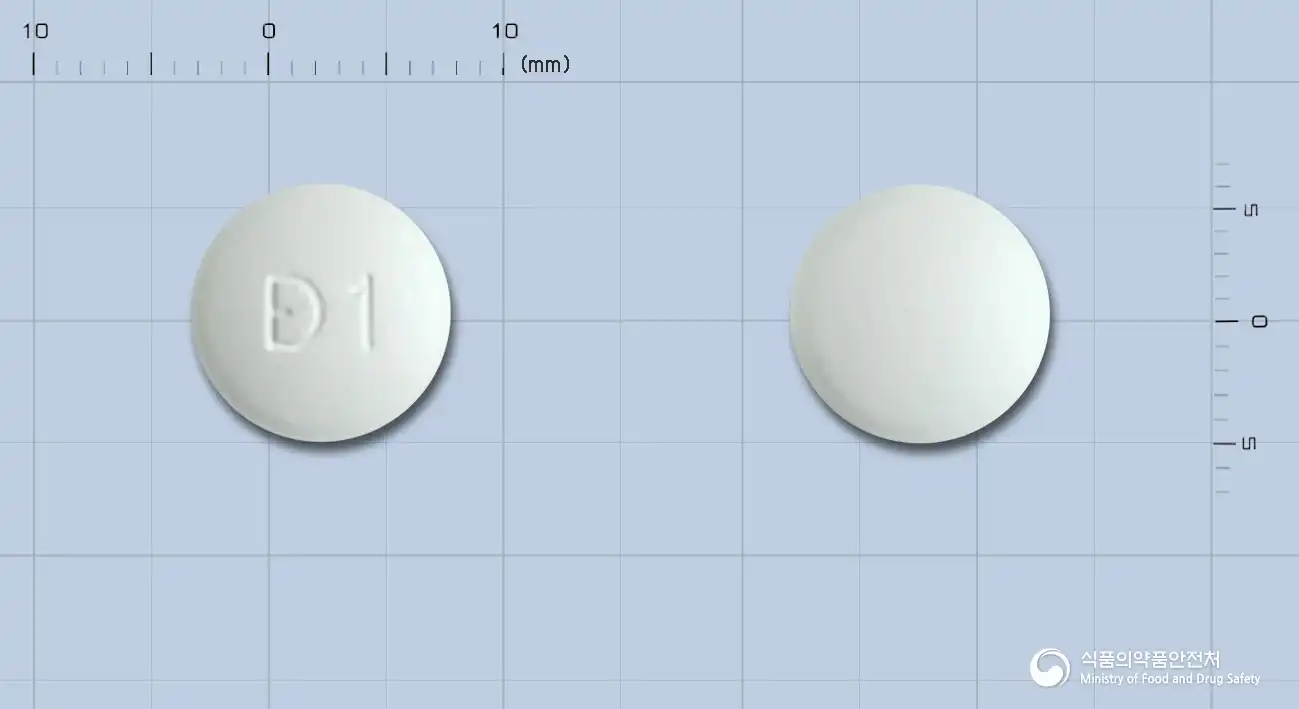 Viewing nowCombination
Ravisujeong
Ranitidine Hydrochloride 84mg · Tripotassium Bismuth Dicitrate 100mg +1 more
Tablet · Prescription medication · Combination
Daewoong Bio Co., Ltd.
MFDS item code 201401486 · Approved 2014.03.31
Treatment of gastric and duodenal ulcers and gastritis (including gastroesophageal reflux disease) and prevention of Mendelson syndrome
This medication is used to treat ulcers occurring in the stomach and duodenum, gastritis, and conditions such as Zollinger-Ellison syndrome. It is also effective for gastroesophageal reflux disease, and is administered to prevent Mendelson syndrome prior to surgery. It is suitable for ulcers occurring post-surgery and for gastric and duodenal ulcers induced by non-steroidal anti-inflammatory drugs (NSAIDs). In summary, it is used to improve various ulcer and inflammatory conditions related to the stomach and duodenum as well as pre and post-surgical states.
Generally, take 2 tablets orally twice daily, in the morning and before bed, regardless of meals. 1) Gastric and duodenal ulcers - Either take 2 tablets twice daily or take 4 tablets once daily before bedtime. - Particularly for patients with duodenal ulcers, taking 4 tablets twice daily in the morning and before bed can achieve a higher treatment rate. - The dosage is the same for ulcers induced by NSAIDs or during long-term NSAID use.
This medication should not be used in patients undergoing dialysis or those with kidney dysfunction. It should also not be administered to patients with a history of allergic reactions to this medication or its ingredients, those with acute porphyria, patients who have undergone upper gastrointestinal surgery, women who are pregnant or may become pregnant, premature infants and newborns, and patients on a potassium-restricted diet. Patients with liver dysfunction, a history of drug allergies, elderly patients, those with past kidney issues, and patients taking NSAIDs should use this medication cautiously. In particular, as it may conceal symptoms of stomach cancer, it should be administered to gastric ulcer patients or middle-aged patients who have recently experienced new dyspeptic symptoms only after confirming they do not have malignant diseases. Patients with Helicobacter pylori infection with gastric or duodenal ulcers may require bacterial eradication therapy, and caution is necessary for critically ill patients in intensive care or those with hypophosphatemia and patients who have difficulty swallowing. This medication can rarely cause severe allergic reactions such as anaphylactic shock, so if abnormal symptoms occur during administration, discontinue use immediately and seek appropriate treatment. Skin rashes, hives, angioedema, fever, and bronchospasm are among the possible hypersensitivity reactions. Hematological abnormalities may also occur rarely, including leukopenia, thrombocytopenia, liver function abnormalities, hepatitis, arrhythmias, gastrointestinal disturbances, mental confusion, dizziness, drowsiness, myalgia, hair loss, and changes in stool color. If such abnormal symptoms appear, consult a doctor immediately to discontinue use or receive appropriate treatment. Avoid long-term use, and use the minimum dose while closely observing the treatment progress. Elderly patients or those with chronic pulmonary disease, diabetes, or weakened immune systems may have an increased risk of developing pneumonia. Activities requiring driving or operating dangerous machinery should be avoided in cases of dizziness or drowsiness. This medication may affect the absorption or metabolism of other drugs, particularly anticoagulants, certain antibiotics, and anticonvulsants, thus dose adjustments or changes in dosing intervals may be necessary when using them together. When taken with sucralfate, it should be administered with a gap of at least 2 hours to prevent absorption interference. It is safest for pregnant or breastfeeding women to avoid using this medication, and its safety in children has not been established, so it is advisable not to administer it to them. In case of overdose, treatment options may include inducing vomiting, gastric lavage, and blood dialysis if necessary. Finally, this medication reduces gastric acid secretion, which can promote the growth of bacteria in the stomach, and if used long-term, it may affect the eyes, so regular ophthalmic examinations may be necessary.
Hives, angioedema (severe swelling), bronchospasm (difficulty breathing), shock (severe allergic reaction), anaphylactic shock, severe rash with fever, hematological abnormalities (pancytopenia, agranulocytosis, acquired immune hemolytic anemia), liver abnormalities (including jaundice hepatitis), severe swelling, arrhythmias, vasculitis, myoclonus, rhabdomyolysis, Stevens-Johnson syndrome, toxic epidermal necrolysis, acute interstitial nephritis
Not everyone experiences these, and they can vary from person to person.
This medication should be stored in a tightly closed container to prevent air from entering, and it is preferable to keep it at room temperature between 1 and 30 degrees Celsius. Proper storage helps maintain the medication's effectiveness.
Round white film-coated tablet
30 tablets/bottle, 300 tablets/bottle
Even with the same ingredient, strength, dosage form and how it is taken can differ.
Viewing nowCombinationRanitidine Hydrochloride 84mg · Tripotassium Bismuth Dicitrate 100mg +1 more
Tablet · Prescription medication · Combination
Daewoong Bio Co., Ltd.
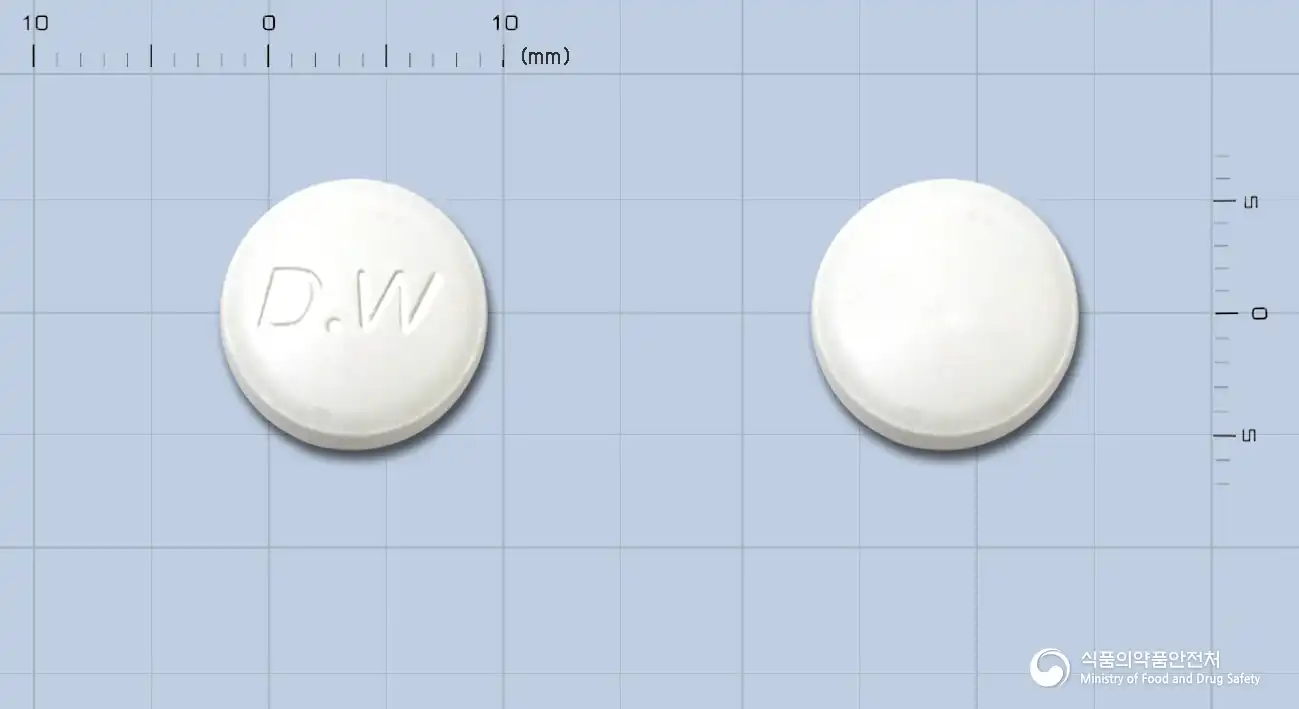 Combination
Ranitidine Hydrochloride 84mg · Tripotassium Bismuth Dicitrate 100mg +1 more
Tablet · Prescription medication · Combination
Daewoong Pharmaceutical Co., Ltd.
Ranitidine Hydrochloride 84mg · Tripotassium Bismuth Dicitrate 100mg +1 more
Tablet · Prescription medication · Combination
Nexpharm Korea Co., Ltd.
 Combination
Ranitidine Hydrochloride 84mg · Tripotassium Bismuth Dicitrate 100mg +1 more
Tablet · Prescription medication · Combination
HUONS BioScience Co., Ltd.
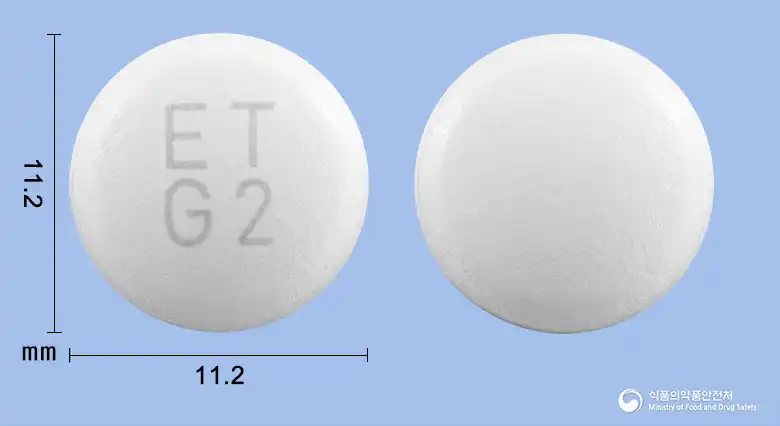 Combination
Ranitidine Hydrochloride 84mg · Tripotassium Bismuth Dicitrate 100mg +1 more
Tablet · Prescription medication · Combination
Teragen Etex Co., Ltd.
Ranitidine Hydrochloride 84mg · Sucralfate Hydrate 300mg +1 more
Tablet · Prescription medication · Combination
Korea Pavise Pharmaceutical Co., Ltd.
Ranitidine Hydrochloride 84mg · Sucralfate Hydrate 300mg +1 more
Tablet · Prescription medication · Combination
Kwangdong Pharmaceutical Co., Ltd.
Ranitidine Hydrochloride · Tripotassium Bismuth Dicitrate +1 more
Prescription medication · Combination
Hankook Hyutex Pharmaceutical Co., Ltd.
Even with the same ingredient, the dose and directions can differ by strength and dosage form. Talk to a doctor or pharmacist before switching from a medication you are already taking.
No questions yet.
For anything that needs medical judgment, consult a doctor or pharmacist.
This drug information is based on data provided by the Korea Ministry of Food and Drug Safety.
Consult a doctor or pharmacist for accurate dosage, administration, and usage instructions.