
 한국어
한국어 English
 日本語
日本語 中文(简体)
 Viewing now
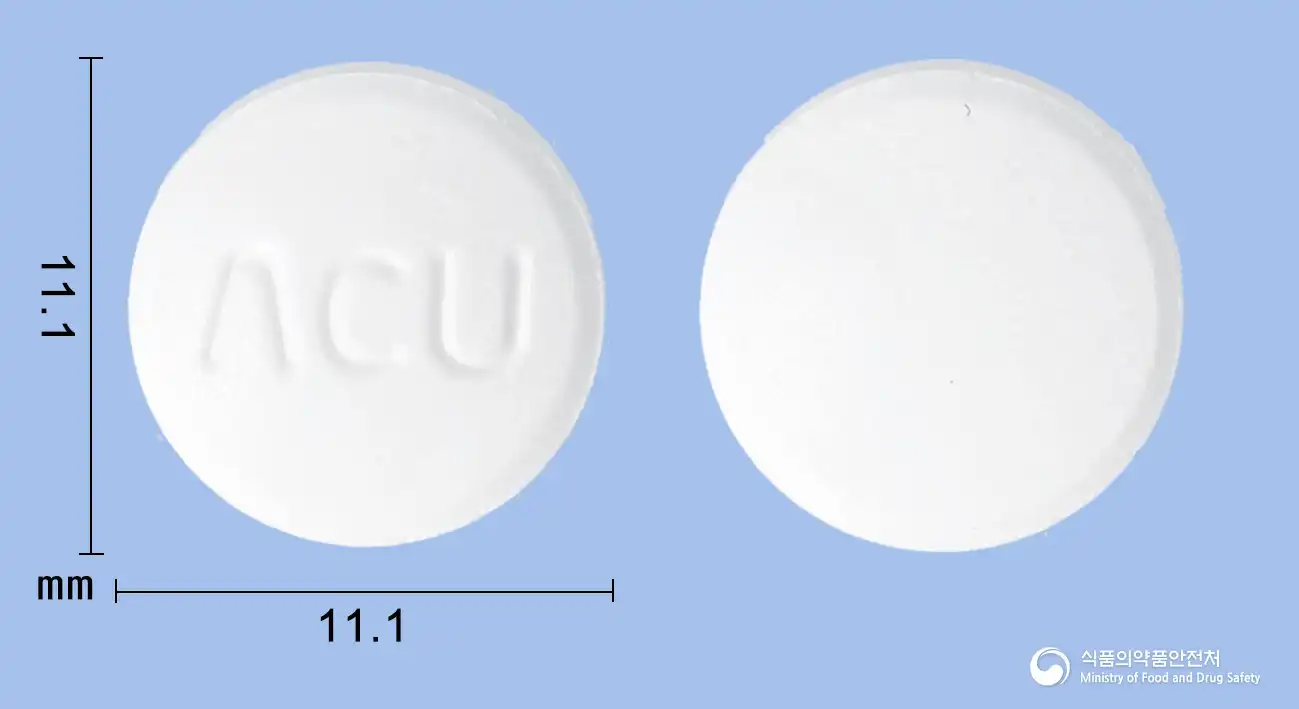
Allicurso 300 mg Ursodeoxycholic Acid Tablet
Ursodeoxycholic Acid 300mg
Tablet · Prescription medication
Allico Pharmaceutical Co., Ltd.
MFDS item code 201401055 · Notified 2014.03.07 · Insurance code 656004890
Effect on primary biliary cirrhosis (improvement of liver function) and prevention of gallstones
This medication is used to improve liver function in patients with primary biliary cirrhosis and to prevent gallstones in obese patients who have experienced rapid weight loss and in patients with stomach cancer who have undergone gastric resection.
In primary biliary cirrhosis, ursodeoxycholic acid is taken as 300 mg three times a day with meals. For prevention of gallstones in patients experiencing rapid weight loss, take 300 mg twice a day. In patients with stomach cancer after gastric resection, take 300 mg once a day.
This medication should not be administered to certain patients. For example, people who are allergic to the components of this medication or bile acids, those with severe biliary obstruction, patients with acute hepatitis, those with certain types of gallstones, those with a non-functioning gallbladder, those with persistent acute cholecystitis or cholangitis, pregnant or nursing women, children, those with renal diseases, those with acute ulcers in the stomach or duodenum, and patients with inflammatory bowel diseases such as Crohn's disease should not take this medication. Additionally, those with severe pancreatic disease or gallstones in the bile ducts should use this medication with caution. While taking this medication, gastrointestinal symptoms such as diarrhea, nausea, vomiting, abdominal pain, constipation, and heartburn may occur, and allergic reactions such as skin itching or rash may also arise. Rarely, serious side effects such as pneumonia, liver dysfunction, or blood cell reduction may occur, so if symptoms arise, consult a doctor immediately. Patients with severe liver disease may experience worsening symptoms, so caution is needed, and regular liver function tests should be conducted during treatment. This medication may interact with other drugs, so if you are taking oral antidiabetic medications or antacids, lipid-lowering agents, etc., be sure to inform your doctor or pharmacist. Pregnant or nursing women are advised to avoid taking this medication, and caution is necessary when administered to children or the elderly as safety and efficacy have not been established. In case of overdose, diarrhea may primarily occur, so it's important to adhere to the prescribed dosage and consult medical personnel immediately if unusual symptoms appear. This medication should be stored out of reach of children and kept tightly closed in its original container.
Interstitial pneumonia (fever, cough, shortness of breath, abnormal chest X-ray), increased serum bilirubin levels (stopping of administration needed), urticaria
Not everyone experiences these, and they can vary from person to person.
This medication may be sensitive to air and moisture, so it should be stored in a sealed container. The storage temperature should be maintained at room temperature between 1 degree and 30 degrees Celsius, avoiding excessively hot or cold places.
For domestic use: white round tablets For export: white round film-coated tablets
For domestic use - 30 tablets/PTP [(10 tablets/PTP) × 3], For domestic use - 30 tablets/bottle, For domestic use - 300 tablets/bottle, For export - 30 tablets/PTP [10 tablets/PTP × 3]
Even with the same ingredient, strength, dosage form and how it is taken can differ.
Viewing nowUrsodeoxycholic Acid 300mg
Tablet · Prescription medication
Allico Pharmaceutical Co., Ltd.
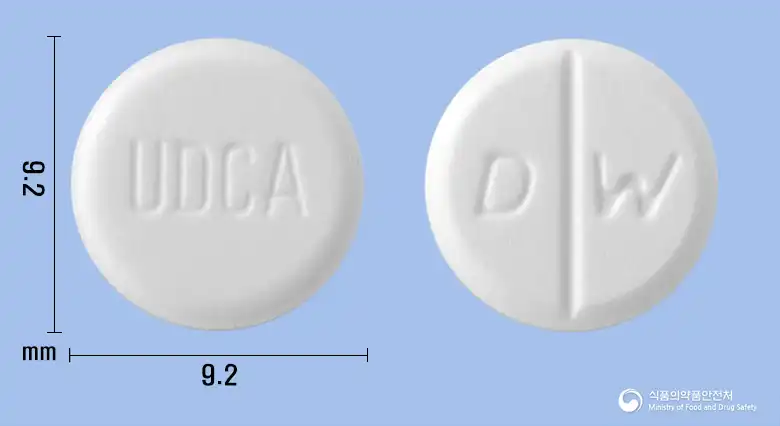
Ursodeoxycholic Acid 100mg
Tablet · OTC medication
DAEWOONG PHARMACEUTICAL CO., LTD.
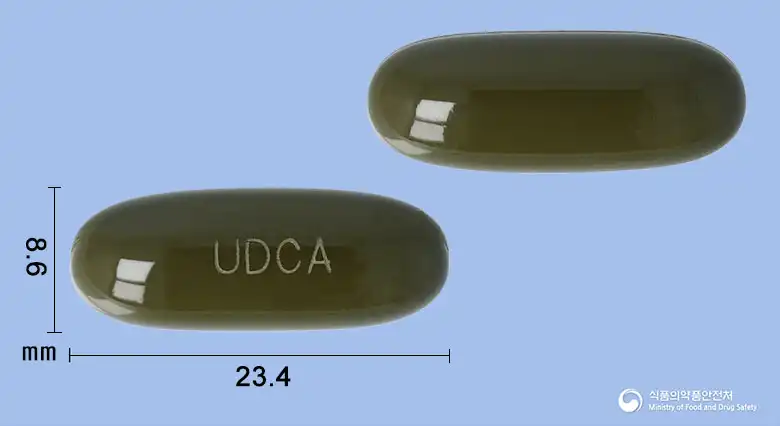
Ursodeoxycholic Acid 100mg
Soft capsule · OTC medication
DAEWOONG PHARMACEUTICAL CO., LTD.
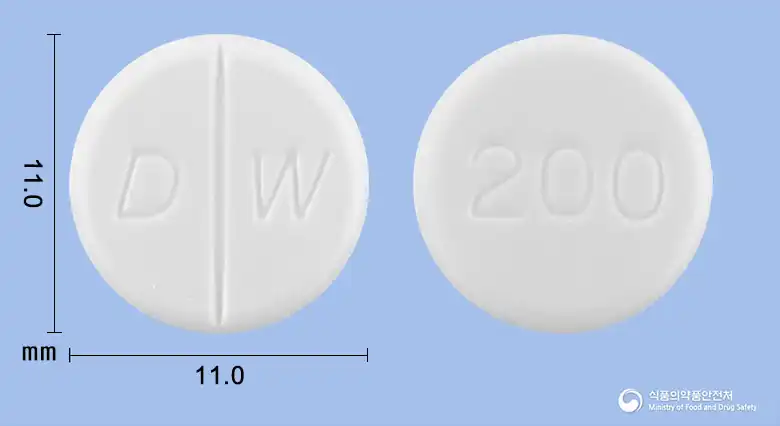
Ursodeoxycholic Acid 200mg
Tablet · Prescription medication
(Daiwoo Pharmaceutical Co., Ltd.)
Ursodeoxycholic Acid 250mg
Hard capsule · Prescription medication
Daewoong Pharmaceutical Co., Ltd.
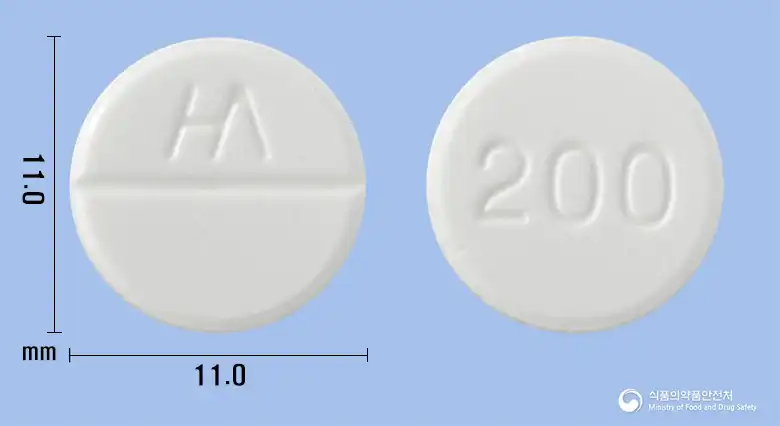
Ursodeoxycholic Acid 200mg
Tablet · Prescription medication
Hanol Biopharma Co., Ltd.
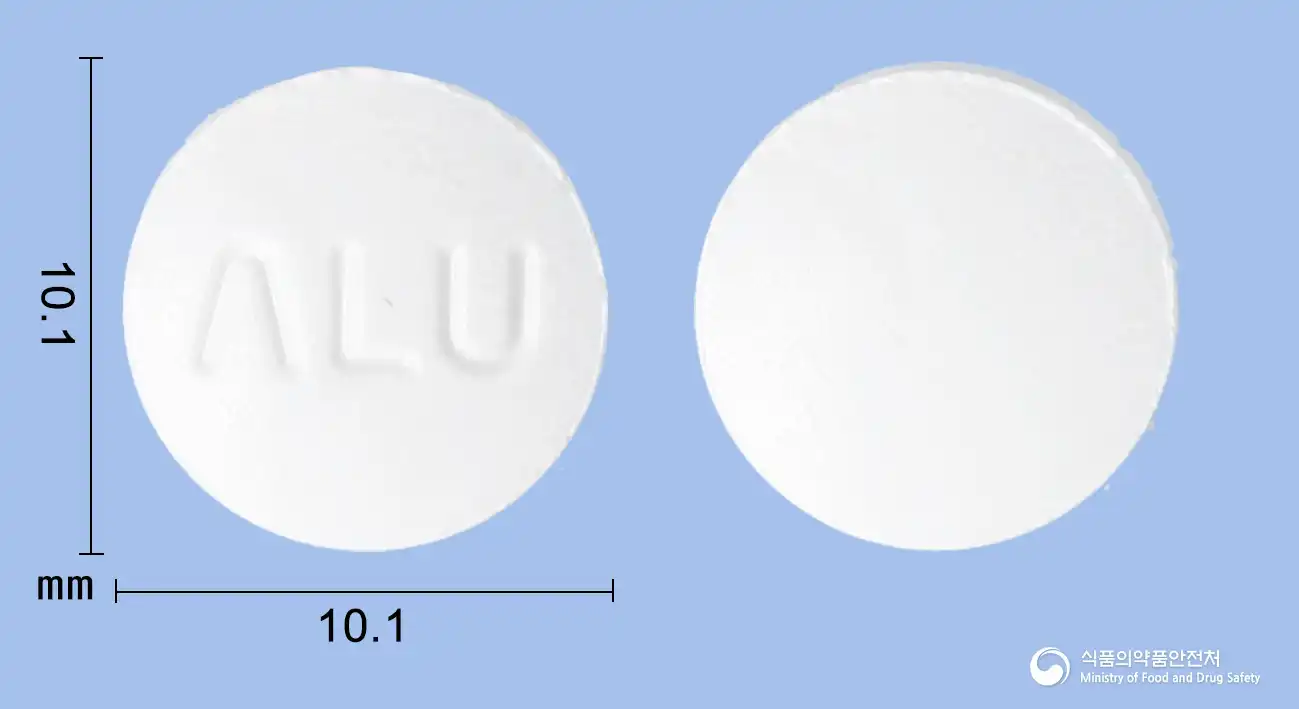
Ursodeoxycholic Acid 200mg
Tablet · Prescription medication
Allico Pharmaceutical Co., Ltd.
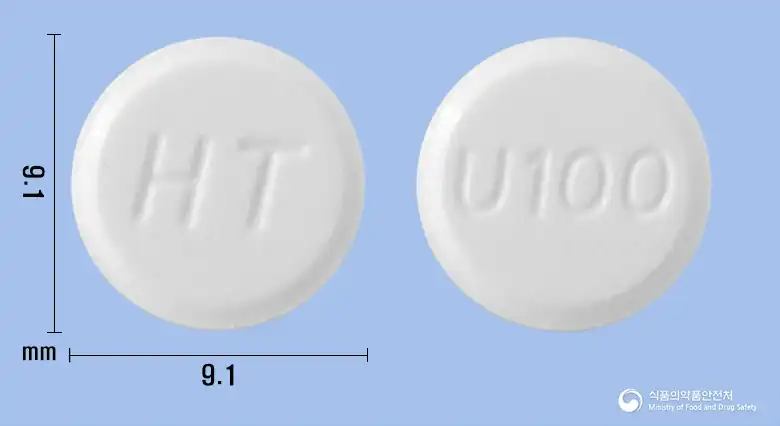
Ursodeoxycholic Acid 100mg
Tablet · OTC medication
Hanmi Pharmaceutical Co., Ltd.
Even with the same ingredient, the dose and directions can differ by strength and dosage form. Talk to a doctor or pharmacist before switching from a medication you are already taking.
No questions yet.
For anything that needs medical judgment, consult a doctor or pharmacist.
This drug information is based on data provided by the Korea Ministry of Food and Drug Safety.
Consult a doctor or pharmacist for accurate dosage, administration, and usage instructions.