
 한국어
한국어 English
 日本語
日本語 中文(简体)
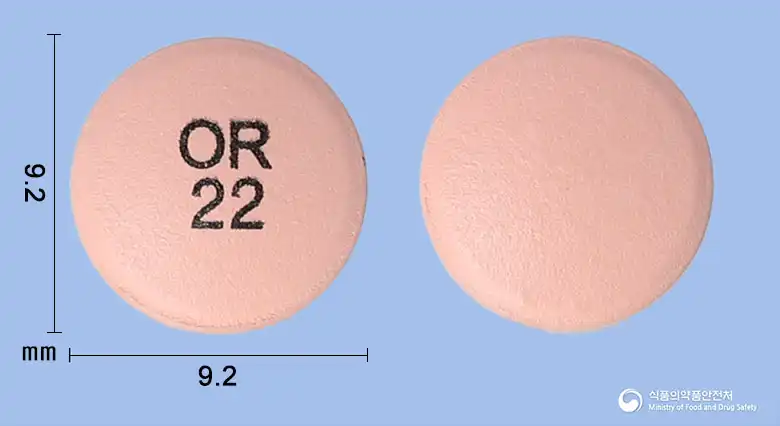 Viewing nowCombination
Olostat Tablet 20/20 mg (Olmesartan Medoxomil, Rosuvastatin)
Rosuvastatin Calcium 20.8mg · Olmesartan Medoxomil 20mg
Tablet · Prescription medication · Combination
Daewoong Pharmaceutical Co., Ltd.
MFDS item code 201400426 · Approved 2014.01.29 · Insurance code 641605700
Effectiveness in treating hypertension and hypercholesterolemia, and risk reduction for cardiovascular diseases
This medication is intended for patients who require combined administration of the two components, olmesartan medoxomil and rosuvastatin. Olmesartan medoxomil is primarily effective for treating essential hypertension. Meanwhile, rosuvastatin is used as an adjunctive treatment for dyslipidemia conditions such as hypercholesterolemia, which cannot be managed by diet and exercise alone. It also helps lower total cholesterol and LDL cholesterol levels in patients with hypercholesterolemia, thereby delaying the progression of atherosclerosis. It reduces patients’ risk of cardiovascular diseases and helps decrease the risk of events such as stroke, myocardial infarction, and complications post-arterial revascularization. Therefore, this medication is used in the treatment of patients who have both hypertension and lipid abnormalities.
The recommended initial dose of olmesartan medoxomil for adults is 10 mg once daily, which can be taken without regard to meals. If blood pressure is not well controlled, the dose may be increased to 20 mg once daily, with a maximum allowable increase up to 40 mg once daily. Elderly patients and those with mild liver impairment do not require dose adjustments, while the maximum dosage for patients with kidney impairment is 20 mg once daily. The initial dose of rosuvastatin is 5 mg once daily.
Safety and efficacy in children under 18 years are not established.
This drug may cause serious harm to the fetus if taken during pregnancy, especially in the second and third trimesters, so it should be discontinued immediately upon confirmation of pregnancy. Patients with allergies to any ingredient of this medication, women who are pregnant or nursing, patients with severely impaired kidney or liver function, and those with specific muscle diseases should not take this medication. Extreme caution should be exercised in patients with very low blood pressure or unstable kidney function as using this drug may lead to lowered blood pressure and worsened kidney function. Symptoms such as muscle pain, muscle weakness, or myopathy may occur, so if these symptoms arise, patients should immediately inform healthcare personnel and may need to discontinue medication if necessary. This drug can affect liver function, so liver function tests should be conducted regularly before and during treatment, particularly in patients with a history of liver disease. Drug interactions may occur, so patients must inform healthcare personnel of all medications currently being taken. Elderly patients or those with impaired kidney function may experience an increased concentration of this drug in their bodies, necessitating dose adjustments and careful monitoring. In the case of overdose, a decrease in blood pressure or arrhythmias may occur, necessitating immediate medical attention. Since there is no specific antidote, treatment will be symptomatic. The safety and efficacy of this medication have not been thoroughly established for children under 18, so it is advisable not to use it in this age group. During treatment, patients should avoid alcohol, and be cautious when engaging in activities that could be dangerous, such as driving or operating machinery, as dizziness or drowsiness may occur.
Hives, severe swelling (edema), tightness in the chest, difficulty breathing, cold sweat, paleness, severe rash with fever, blisters, skin peeling, pain in oral/ocular mucous membranes, shortness of breath or difficulty breathing, asthma attacks, respiratory distress accompanied by cough and fever, jaundice (yellowing of the skin or eyes), profound lethargy, sudden and severe headaches, thunderclap headache, seizures, confusion, vision disturbances, paralysis, urination changes.
Headache, dizziness, sensory impairment, drowsiness, gastroesophageal reflux, constipation, cavities, dyspepsia, gastric ulcers, gastritis, gastroenteritis, musculoskeletal stiffness, atrial fibrillation, hypoglycemia, chest pain, palpitations, hypercholesterolemia, hyperlipidemia, hyperuricemia, arthralgia, arthritis, myalgia, rash, itching, vomiting, chronic malabsorption syndrome-like intestinal disease, abdominal pain, diarrhea, epistaxis, upper respiratory infection, cough, hypertension, thrombocytopenia, hair loss, fatigue.
Not everyone experiences these, and they can vary from person to person.
This medication should be stored in a tightly sealed container to prevent exposure to air or moisture. The recommended storage temperature is room temperature between 1 to 30 degrees Celsius. This helps to maintain the drug's efficacy and safety.
Pink, round, film-coated tablets
30 tablets/PTP[((10 tablets/PTP)x3)], 30 tablets/bottle
Even with the same ingredient, strength, dosage form and how it is taken can differ.
Viewing nowCombinationRosuvastatin Calcium 20.8mg · Olmesartan Medoxomil 20mg
Tablet · Prescription medication · Combination
Daewoong Pharmaceutical Co., Ltd.
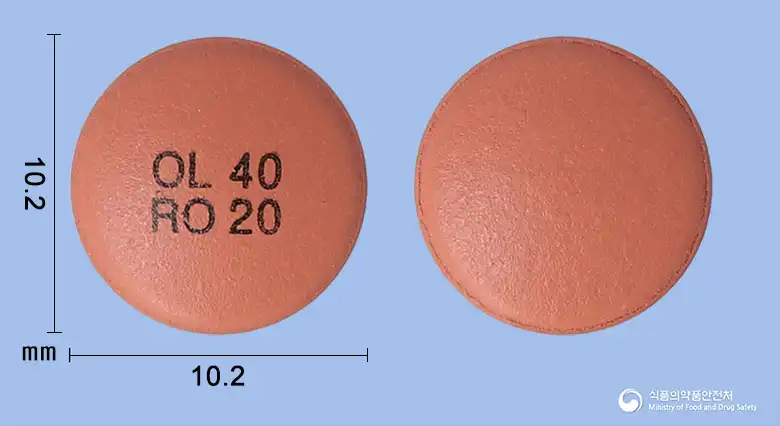 Combination
Rosuvastatin Calcium 20.8mg · Olmesartan Medoxomil 40mg
Tablet · Prescription medication · Combination
Daewoong Pharmaceutical Co., Ltd.
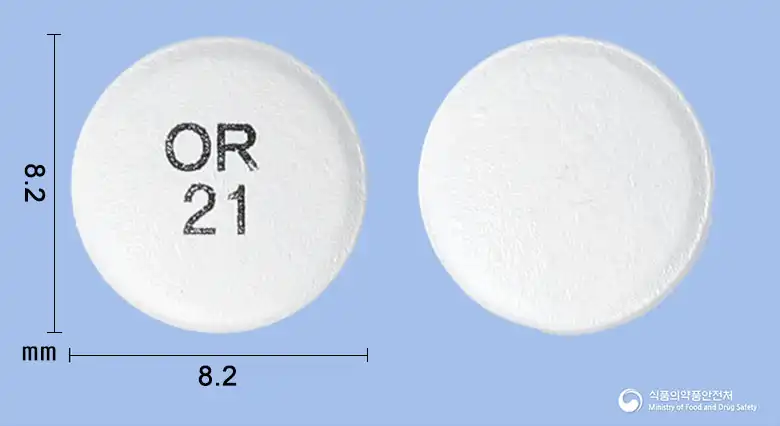 Combination
Rosuvastatin Calcium 10.4mg · Olmesartan Medoxomil 20mg
Tablet · Prescription medication · Combination
Daewoong Pharmaceutical Co., Ltd.
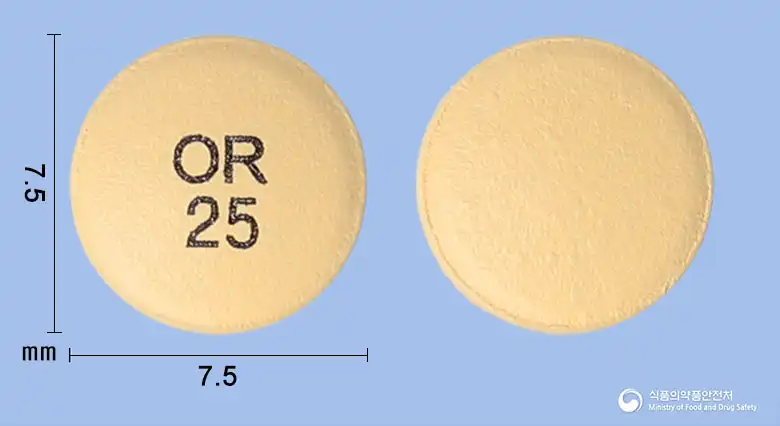 Combination
Rosuvastatin Calcium 5.2mg · Olmesartan Medoxomil 20mg
Tablet · Prescription medication · Combination
Daewoong Pharmaceutical Co., Ltd.
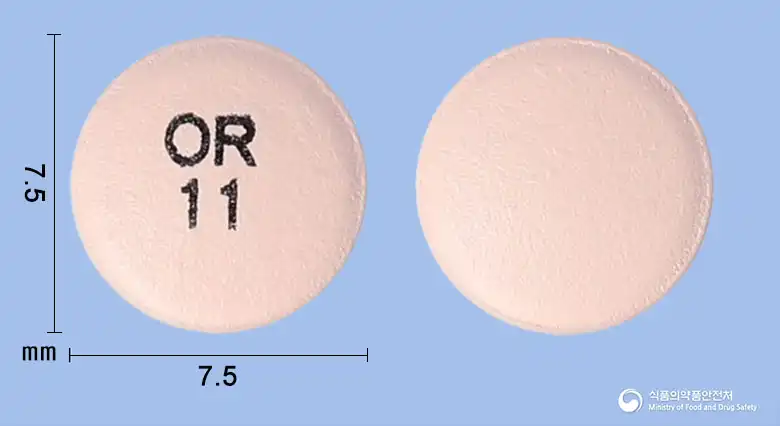 Combination
Rosuvastatin Calcium 10.4mg · Olmesartan Medoxomil 10mg
Tablet · Prescription medication · Combination
(Co., Ltd. Daewoong Pharmaceutical)
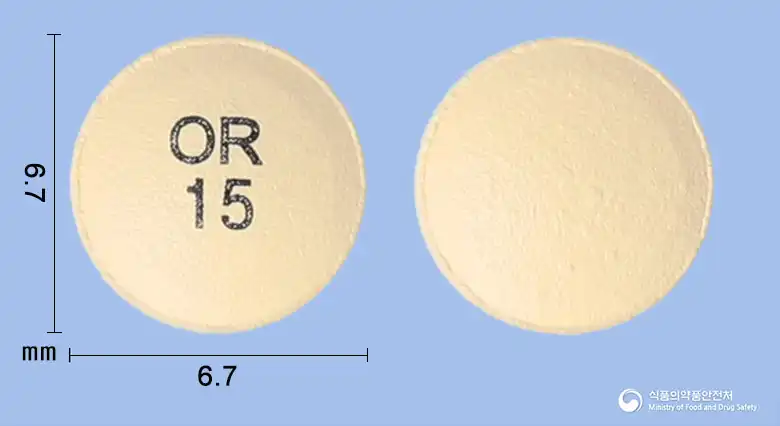 Combination
Rosuvastatin Calcium 5.2mg · Olmesartan Medoxomil 10mg
Tablet · Prescription medication · Combination
(Co., Ltd.) Daewoong Pharmaceutical
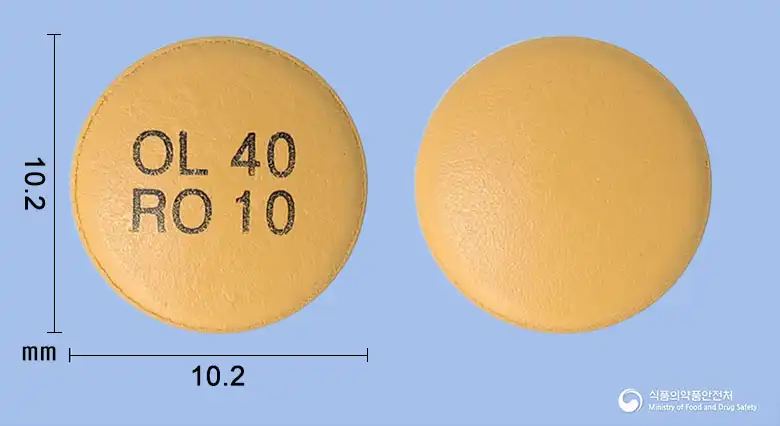 Combination
Rosuvastatin Calcium 10.4mg · Olmesartan Medoxomil 40mg
Tablet · Prescription medication · Combination
Daewoong Pharmaceutical Co., Ltd.
Olmesartan Medoxomil 20mg · Rosuvastatin Calcium 20.8mg
Tablet · Prescription medication · Combination
Mothers Pharmaceuticals Co., Ltd.
Even with the same ingredient, the dose and directions can differ by strength and dosage form. Talk to a doctor or pharmacist before switching from a medication you are already taking.
No questions yet.
For anything that needs medical judgment, consult a doctor or pharmacist.
This drug information is based on data provided by the Korea Ministry of Food and Drug Safety.
Consult a doctor or pharmacist for accurate dosage, administration, and usage instructions.