
 한국어
한국어 English
 日本語
日本語 中文(简体)
Dosage form image
Viewing nowCombinationAverin Max Extended-Release Tablet 2/500mg
Glimepiride 2mg · Metformin Hydrochloride 500mg
Tablet · Prescription medication · Combination
Huons Co., Ltd.
MFDS item code 201400384 · Approved 2014.01.28
This product's status changed to Expired on 2024.01.28. It may no longer be sold, so consult a doctor or pharmacist before taking it.
Blood sugar control and improvement in type 2 diabetes
This drug is used for patients with type 2 diabetes who, despite dietary and exercise therapy, are insufficiently controlled on sulfonylurea or metformin alone. It is also effective in substituting combination therapy with sulfonylureas and metformin. This helps manage blood sugar levels more stably and reduces the risk of complications associated with diabetes.
This medication is administered once daily before the main meal or with meals. If a dose is missed, do not take more than the prescribed dose at the next scheduled time. This drug is an extended-release formulation, so do not chew or break it; swallow it whole. The initial dosage is 2/500mg once daily, and the dose can be adjusted based on the patient's blood sugar levels and current medications.
This drug may cause severe lactic acidosis or hypoglycemia, so it should be discontinued if renal function declines rapidly. If there are signs of dehydration, temporary suspension of this medication and consultation with a doctor are necessary. Special caution is needed for patients with decreased renal function or those taking certain medications. Patients with cardiovascular diseases or a history of myocardial infarction must consider the risks before using this medication. Patients with type 1 diabetes, acute metabolic acidosis, or severe liver dysfunction should not use this drug. Women who are pregnant or breastfeeding should not take this medication. There is an increased risk of hypoglycemia in the early stages of dosing, so caution is necessary in cases of irregular meals, excessive exercise, or alcohol consumption. This drug may cause various side effects such as gastrointestinal disturbances, skin allergies, and hematological abnormalities, and any abnormal symptoms should be reported to a physician immediately. Tablets should be swallowed whole; do not crush or chew them, and the tablet shell passing in the stool is normal. Regular monitoring of blood sugar control and renal function is essential, and dosage adjustments or discontinuation of the drug may be necessary. There are many potential drug interactions, so inform your doctor or pharmacist of any concomitant medications. In case of overdose, immediate emergency treatment is required, and if hypoglycemia symptoms appear, sugar should be ingested or medical assistance should be sought. It is advisable to avoid alcohol consumption, as acute or chronic drinking may increase the risk of side effects from this medication. The elderly are commonly experiencing decreased renal function, so dosage adjustments and frequent checks of renal function are necessary. Patients planning pregnancy or currently pregnant are recommended to consult a physician about switching to other treatment methods, such as insulin therapy.
Hives, severe swelling (edema), difficulty breathing, chest tightness, hypotension, shock (severe allergic reaction symptoms), liver damage, jaundice, sudden and very severe headache, seizures, confusion, visual disturbances, paralysis (serious neurological symptoms), significant decrease in urine output, severe generalized edema, hypertension, lactic acidosis, hypoglycemia, thrombocytopenic purpura, liver failure, blood abnormalities (thrombocytopenia, leukopenia)
Not everyone experiences these, and they can vary from person to person.
Keep this medication in a tightly closed container to prevent air or moisture from entering. It is advisable to maintain the storage temperature between 1 degree and 30 degrees Celsius at room temperature.
White, oblong, film-coated, triple-layer tablet
30 tablets/bottle
Even with the same ingredient, strength, dosage form and how it is taken can differ.
Glimepiride 2mg · Metformin Hydrochloride 500mg
Tablet · Prescription medication · Combination
Huons Co., Ltd.
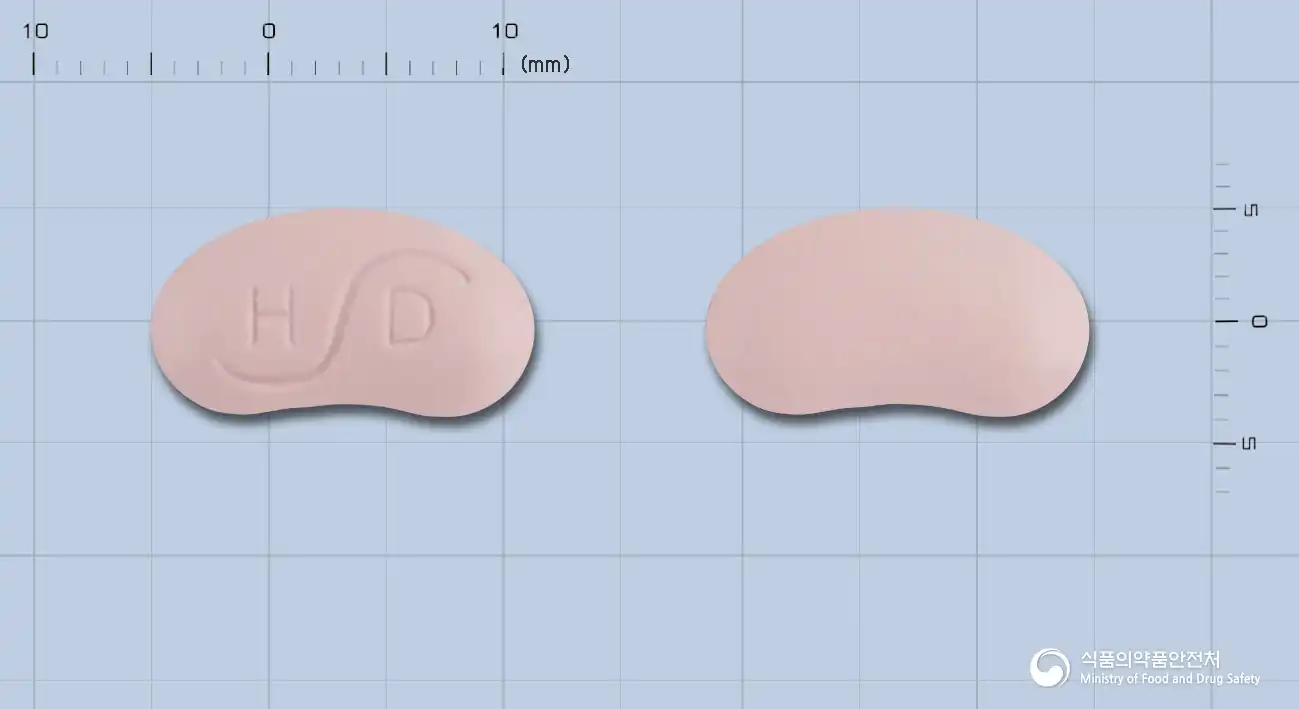 Combination
Metformin Hydrochloride 500mg · Glimepiride 1mg
Tablet · Prescription medication · Combination
Hanmi Pharmaceutical Co., Ltd.
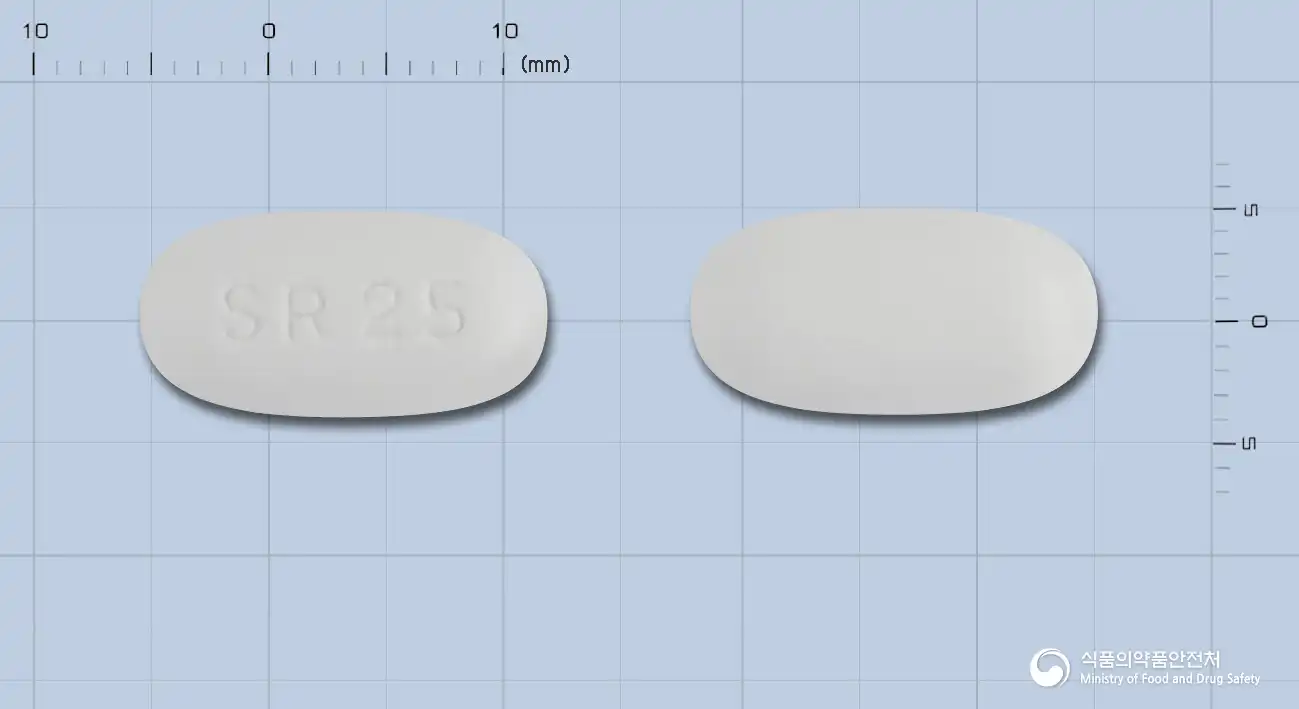 Combination
Metformin Hydrochloride 500mg · Glimepiride 2mg
Tablet · Prescription medication · Combination
Handok Co., Ltd.
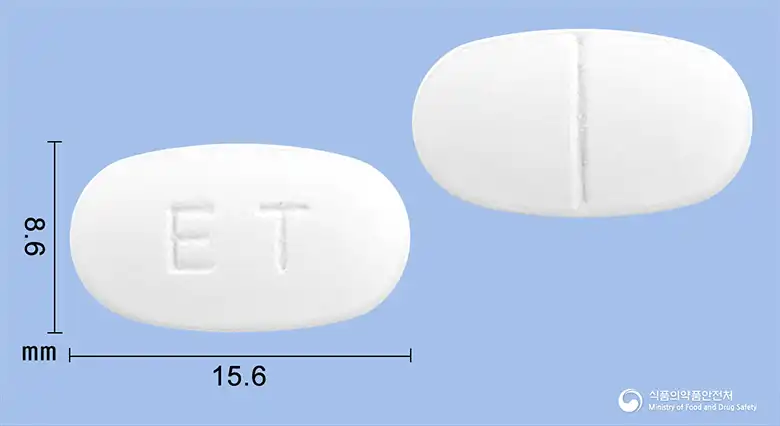 Combination
Metformin Hydrochloride 500mg · Glimepiride 2mg
Tablet · Prescription medication · Combination
Teragen Etex Co., Ltd.
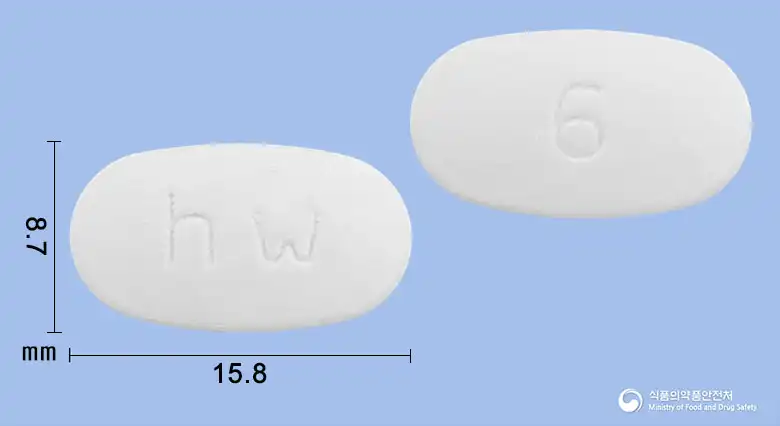 Combination
Glimepiride 2mg · Metformin Hydrochloride 500mg
Tablet · Prescription medication · Combination
Hawon Pharmaceutical Co., Ltd.
Metformin Hydrochloride 500mg · Glimepiride 2mg
Tablet · Prescription medication · Combination
TDS Pharm Co., Ltd.
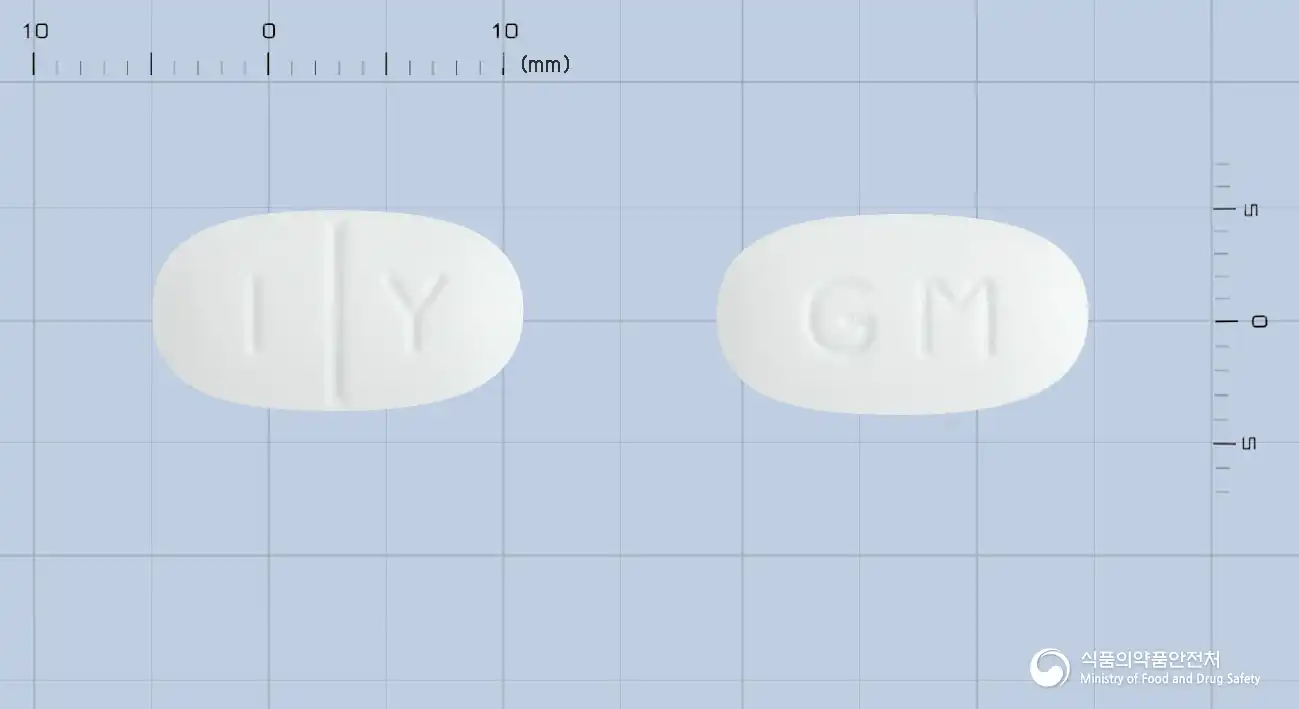 Combination
Glimepiride 2mg · Metformin Hydrochloride 500mg
Tablet · Prescription medication · Combination
Il Yang Pharmaceutical Co., Ltd.
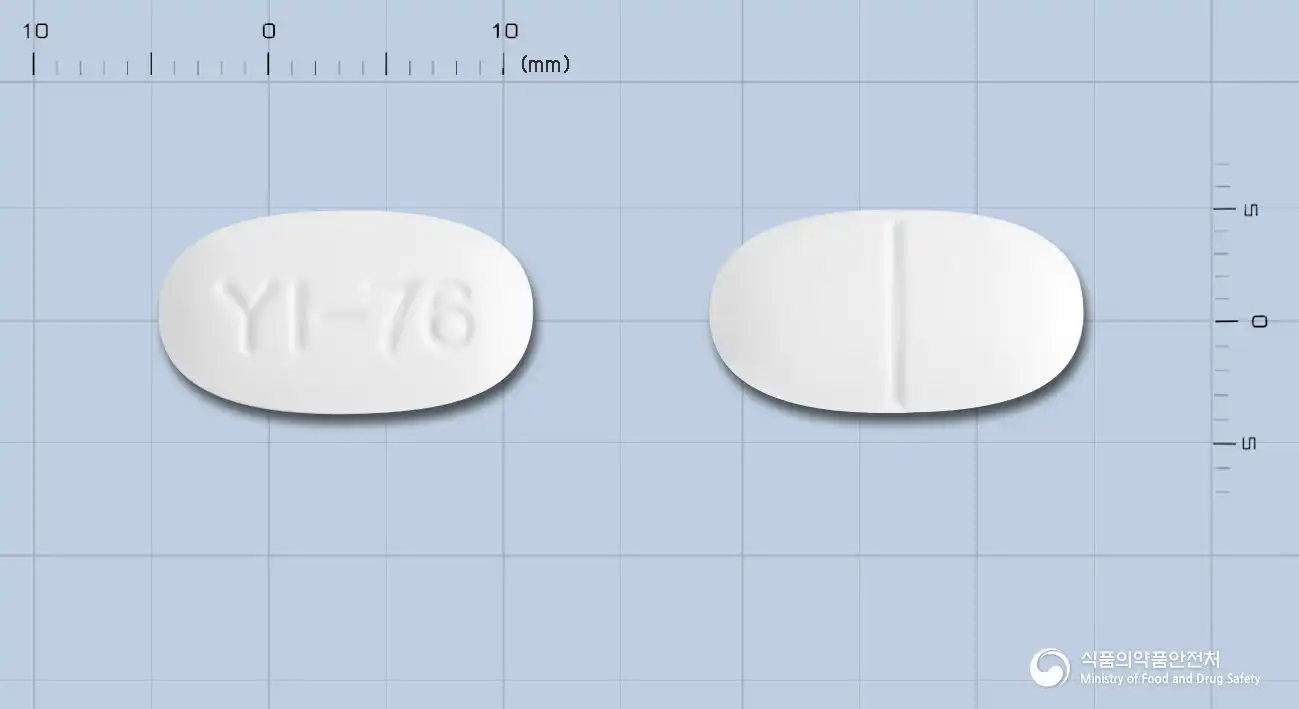 Combination
Glimepiride 2mg · Metformin Hydrochloride 500mg
Tablet · Prescription medication · Combination
Youngil Pharmaceutical Co., Ltd.
Even with the same ingredient, the dose and directions can differ by strength and dosage form. Talk to a doctor or pharmacist before switching from a medication you are already taking.
No questions yet.
For anything that needs medical judgment, consult a doctor or pharmacist.
This drug information is based on data provided by the Korea Ministry of Food and Drug Safety.
Consult a doctor or pharmacist for accurate dosage, administration, and usage instructions.