
 한국어
 English
 日本語
 中文(简体)
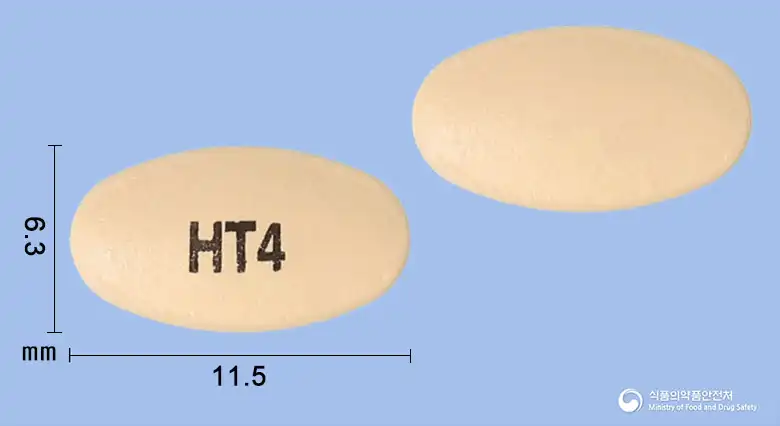 Viewing now
Pantoprazole Sodium Sesquihydrate 40mg
Pantoprazole Sodium Sesquihydrate 45.1mg
Tablet · Prescription medication
HanKook Hyutex Pharmaceuticals Co., Ltd.
MFDS item code 201400351 · Approved 2014.01.27 · Insurance code 649102250
Treatment and prevention of recurrence of gastric and duodenal ulcers, gastroesophageal reflux disease, and gastric acid hypersecretion
This medication is used in combination with antibiotics to prevent recurrence of gastric and duodenal ulcers infected with Helicobacter pylori. It is also effective for treating duodenal ulcers and gastric ulcers, as well as improving symptoms of moderate to severe gastroesophageal reflux disease. It is used to control gastric acid secretion in conditions such as Zollinger-Ellison syndrome. This medication helps in the treatment and prevention of various gastrointestinal diseases.
1. Antibiotic combination therapy to prevent recurrence of gastroduodenal ulcers associated with Helicobacter pylori infection - Usually, adults take 40mg of pantoprazole per dose twice daily (before breakfast and dinner) in combination with the following antibiotics for 1 week. Swallow without chewing or crushing. (1) Take 1,000mg of amoxicillin per dose and 500mg of clarithromycin per dose twice daily for 1 week, or (2) Take 500mg of metronidazole per dose and 500mg of clarithromycin per dose twice daily for 1 week, or (3) Take 1,000mg of amoxicillin per dose and 500mg of metronidazole per dose twice daily for 1 week. - Regimens using metronidazole in (2) and (3) should be used only when regimen 1 is inappropriate. - If additional treatment with pantoprazole is indicated to ensure ulcer healing, the recommended doses for duodenal and gastric ulcers according to the regimens below should be considered. - If combination therapy is not required (e.g., negative for Helicobacter pylori infection), use pantoprazole monotherapy according to the regimens below. 2. Gastric ulcer and reflux esophagitis - Usually, adults take 40mg of pantoprazole once daily before breakfast with water, without chewing or crushing. - Most cases may heal within 4 weeks, although the healing period may vary among patients. If not healed after the initial 4 weeks, continue treatment for an additional 4 weeks. - If there has been no response to other treatments, the dose may be doubled (to 80mg of pantoprazole per day). 3. Duodenal ulcer - Usually, adults take 40mg of pantoprazole once daily before breakfast with water, without chewing or crushing. - Most cases may heal within 2 weeks, although the healing period may vary among patients. If not healed after the initial 2 weeks, continue treatment for an additional 2 weeks. - If there has been no response to other treatments, the dose may be doubled (to 80mg of pantoprazole per day). 4. Zollinger-Ellison syndrome and other pathological hypersecretory conditions - Start with an initial dose of 80mg of pantoprazole per day, then increase or decrease the dose according to measurements of gastric acid secretion. - Doses above 80mg should be divided into 2 doses per day. - Temporary dose increases to 160mg or more are possible, but should be used only for as long as needed to achieve adequate acid control. - The duration of treatment is not limited, but should be modified according to clinical need. ◯ For patients with severe liver impairment, reduce the dose to no more than 20mg of pantoprazole once daily. ◯ Do not exceed 40mg of pantoprazole per day in older adults or patients with renal impairment. As an exception, older adults may take 40mg of this medicine per dose twice daily (before breakfast and dinner) for 1 week as part of the antibiotic combination therapy described above, without chewing or crushing. ◯ Antibiotic combination therapy should not be used in patients with moderate to severe hepatic/renal impairment. There are insufficient data on the efficacy and safety of this combination therapy.
This medication should not be used in patients with moderate to severe liver or kidney dysfunction, as there is insufficient clinical experience regarding its safety and efficacy. Patients with hypersensitivity to this medication, its components, or benzimidazole derivatives, or those who have previously experienced severe allergic reactions should not be administered this medication. Particular caution is required when using this medication in conjunction with penicillin or macrolide antibiotics in patients with hypersensitivity. It is safer for pregnant women in the early stages or those who may become pregnant, as well as nursing women, to avoid using this medication. Patients with genetic disorders such as lactose intolerance, lactase deficiency, or glucose-galactose malabsorption should also avoid taking this medication. Various side effects, such as abdominal pain, headache, dizziness, skin rash, myalgia, etc., may occur during treatment; if any abnormal symptoms arise, immediate consultation with healthcare professionals is required. Regular testing, including liver function and blood tests, is necessary during long-term use, especially if taking the medication for more than a year due to an increased risk of side effects. This medication inhibits gastric acid secretion, which may interfere with the absorption of some drugs, so notifying a doctor or pharmacist of any other medications being taken is essential. Caution is warranted for potential drug interactions when taken with specific antiviral agents or antibiotics. Activities requiring caution, such as driving or operating machinery, should be avoided in case symptoms like dizziness or blurred vision occur. Pregnant or nursing women should consult a specialist before taking this medication, and safety in children and adolescents has not been sufficiently established. Tablets should be swallowed whole without chewing or crushing, and should be stored out of reach of children. In case of overdose, appropriate treatment should be provided based on symptoms, as there is no specific antidote available. Long-term use of this medication may lead to polyp formation in the stomach; therefore, it should only be used at the lowest effective dose and for the shortest duration necessary.
Not everyone experiences these, and they can vary from person to person.
This medication should be stored in a container that blocks light, as it may be sensitive to light. Additionally, it is important to maintain a room temperature between 1 and 30 degrees Celsius while storing the medication. This will help preserve the efficacy of the medication for a longer period.
Yellow oval tablet with enteric coating
28 tablets/bottle
Even with the same ingredient, strength, dosage form and how it is taken can differ.
Viewing nowPantoprazole Sodium Sesquihydrate 45.1mg
Tablet · Prescription medication
HanKook Hyutex Pharmaceuticals Co., Ltd.
Pantoprazole Sodium Sesquihydrate 45.1mg
Injections · Prescription medication
Takeda Korea Pharmaceutical Co., Ltd.
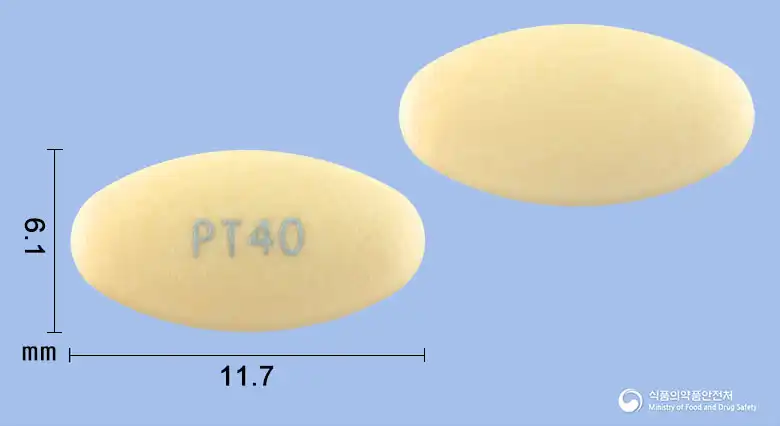
Pantoprazole Sodium Sesquihydrate 45.1mg
Tablet · Prescription medication
Dong-A ST Co., Ltd.
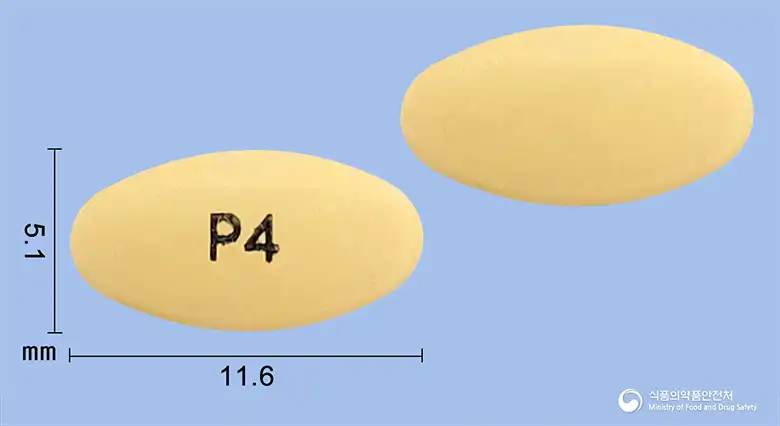
Pantoprazole Sodium Sesquihydrate 45.1mg
Tablet · Prescription medication
Youngjin Pharmaceutical Co., Ltd.
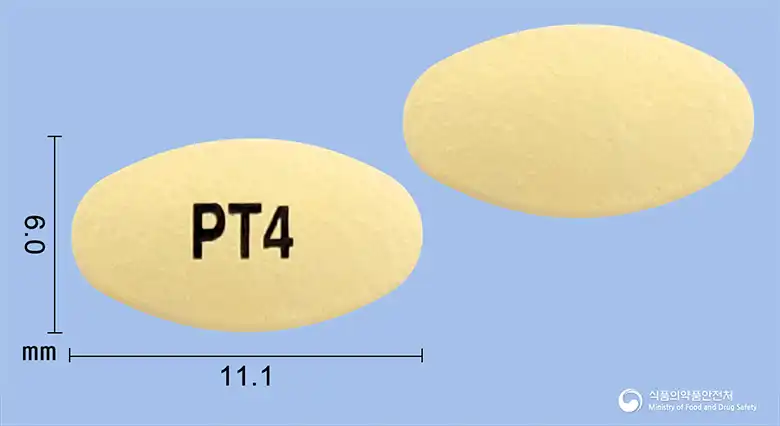
Pantoprazole Sodium Sesquihydrate 45.1mg
Tablet · Prescription medication
Albozen Korea Co., Ltd.
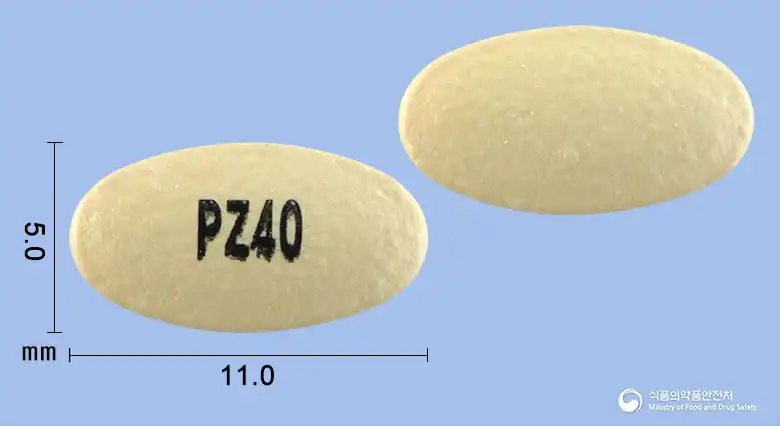
Pantoprazole Sodium Sesquihydrate 45.1mg
Tablet · Prescription medication
Daewoo Pharmaceutical Co., Ltd.
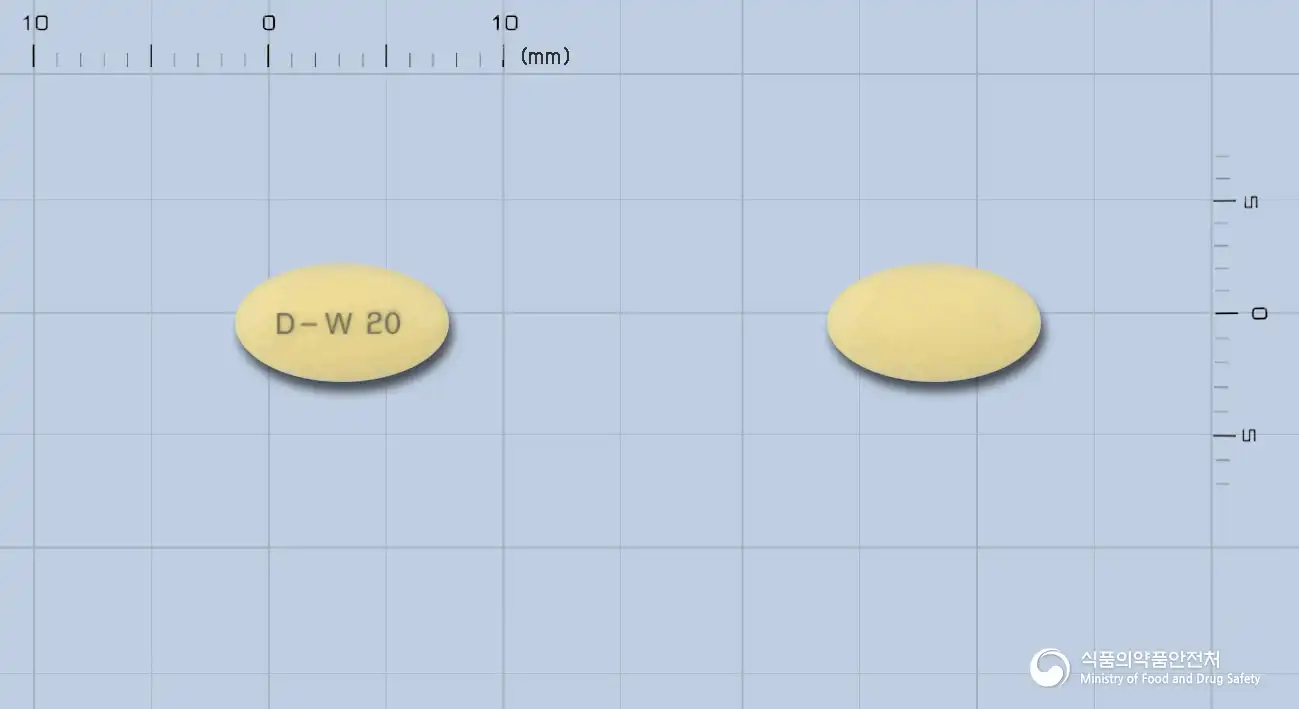
Pantoprazole Sodium Sesquihydrate 22.6mg
Tablet · Prescription medication
Dongwha Pharm Co., Ltd.
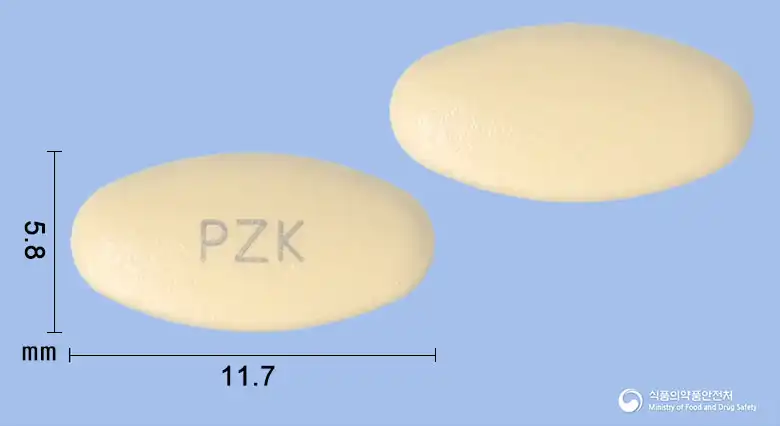
Pantoprazole Sodium Sesquihydrate 45.1mg
Tablet · Prescription medication
Genewon Sciences Co., Ltd.
Even with the same ingredient, the dose and directions can differ by strength and dosage form. Talk to a doctor or pharmacist before switching from a medication you are already taking.
No questions yet.
For anything that needs medical judgment, consult a doctor or pharmacist.
This drug information is based on data provided by the Korea Ministry of Food and Drug Safety.
Consult a doctor or pharmacist for accurate dosage, administration, and usage instructions.