
 한국어
한국어 English
 日本語
日本語 中文(简体)
Dosage form image
Viewing nowOlopatadine Eye Drops (Olopatadine Hydrochloride)
Olopatadine Hydrochloride 1.11mg
Eye drops · Prescription medication
Poongrim Pharmaceutical Co., Ltd.
MFDS item code 201400350 · Approved 2014.01.27 · Insurance code 649001122
Relief of symptoms of allergic conjunctivitis
Used to relieve symptoms such as itching, redness, and tearing of the eyes caused by allergic conjunctivitis.
Instill 1 drop twice a day (at intervals of 6 to 8 hours). Treatment may continue for up to 4 months if necessary.
This medication should not be used by patients who are allergic to its active ingredient or any of its components. Using this medication may cause headaches or a strange taste, and dizziness may rarely occur. Commonly, spot-like keratitis, keratitis, pain, dryness, swelling, itching, discharge, redness, changes in eyelid skin, and discomfort may occur. Rarely, glare or blurred vision and eyelid erythema may appear. Nasal dryness or symptoms of rhinitis may rarely occur, and dryness of the mouth has also been reported infrequently. Contact dermatitis may occur, and fatigue may be experienced. When using this medication, the eyes may become overly sensitive, and symptoms such as weakness, cold symptoms, nausea, pharyngitis, sinusitis, rash, abdominal pain, liver dysfunction, jaundice, increased blood pressure, decrease in white blood cells or lymphocytes, elevated blood test values, and difficulty urinating may sometimes occur. The phosphate ingredients included in this medication may very rarely cause corneal calcification in patients with severe corneal damage, so caution is advised. This medication is a non-sedating antihistamine, but may cause temporary blurred vision after instillation, so it is important to wait until vision clears before driving or operating machinery. If you have been on long-term steroid therapy, you should taper off according to your doctor's instructions, and when using this medication in seasonal allergy patients, it is recommended to start before the symptoms appear and continue until they resolve. If there is no effect, do not use it for an extended period, and the benzalkonium chloride in this medication may cause eye irritation and discoloration of contact lenses, so contact lens wearers should wait more than 15 minutes after use, and avoid wearing contact lenses if the eyes are red. The safety of this medication during pregnancy has not been fully confirmed, so it should be used cautiously under a doctor's guidance. If breastfeeding, you should consult a doctor as it may affect the baby. The safety and efficacy in children under 3 years old have not been established, and there is no need for separate dosage adjustments in the elderly. This medication should be used topically on the eyes only, and care should be taken to avoid contact of the tip of the container with the eyes for other uses, and when used with other eye drops, an interval of at least 5 minutes should be maintained. When not in use, keep the container tightly closed, store in a cool place away from direct sunlight, and keep out of reach of children.
Not everyone experiences these, and they can vary from person to person.
This medication must be stored in a tightly sealed container that blocks light and prevents air from entering. It is important to maintain a storage temperature between 4 degrees and 25 degrees Celsius. Proper storage ensures the effectiveness and safety of the medication.
A colorless to pale yellow transparent liquid in an opaque white plastic bottle for eye drops
5 mL/bottle, 6 mL/bottle
Even with the same ingredient, strength, dosage form and how it is taken can differ.
Olopatadine Hydrochloride 1.11mg
Eye drops · Prescription medication
Poongrim Pharmaceutical Co., Ltd.
Olopatadine Hydrochloride 1.11mg
Eye drops · Prescription medication
Novartis Korea Co., Ltd.
Olopatadine Hydrochloride 5mg
Tablet · Prescription medication
Korea Kyowa Kirin Co., Ltd.
Olopatadine Hydrochloride 2.22mg
Eye drops · Prescription medication
Novartis Korea Co., Ltd.
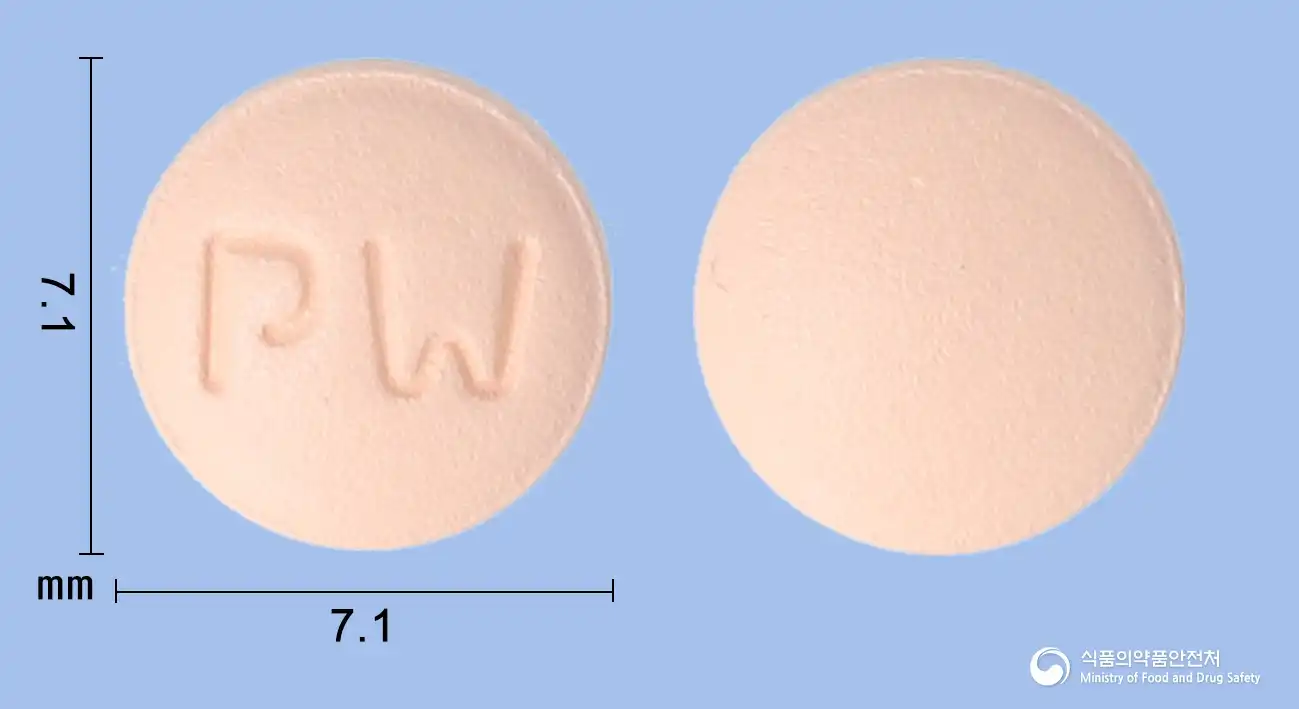
Olopatadine Hydrochloride 5mg
Tablet · Prescription medication
Daewoong Pharmaceutical Co., Ltd.
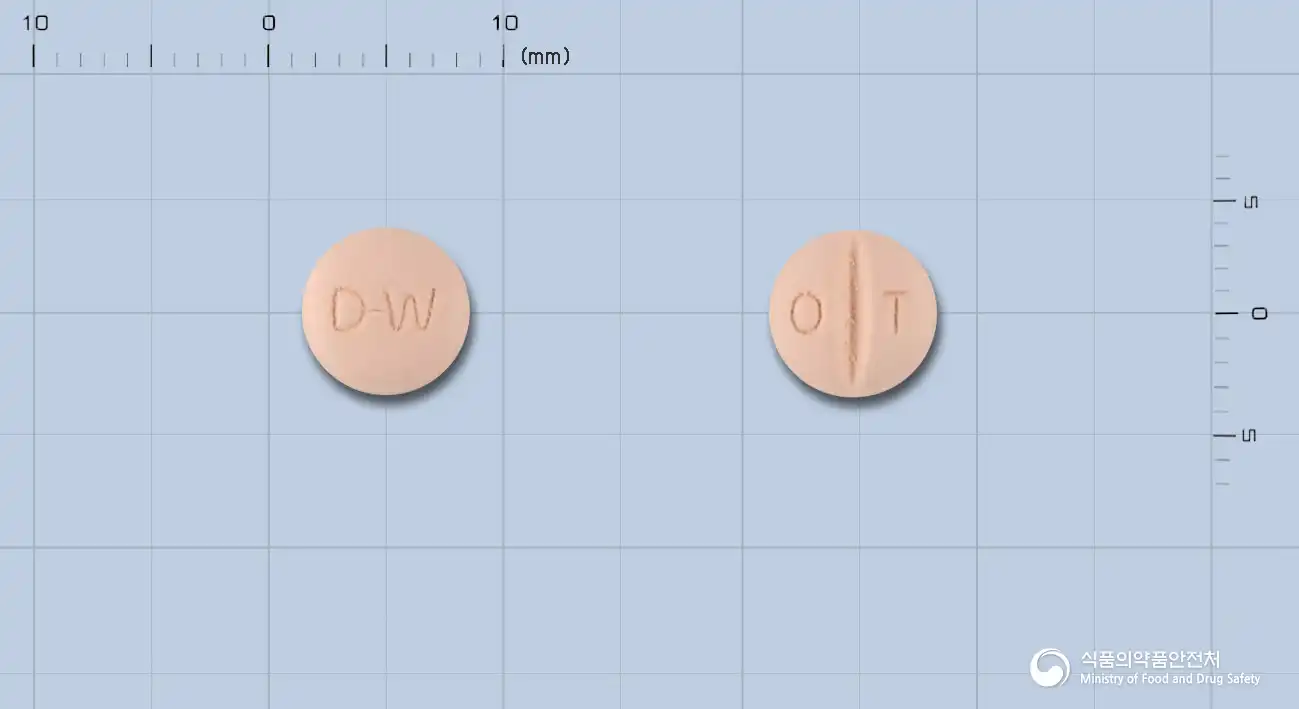
Olopatadine Hydrochloride 5mg
Tablet · Prescription medication
Dongwha Pharmaceutical Co., Ltd.
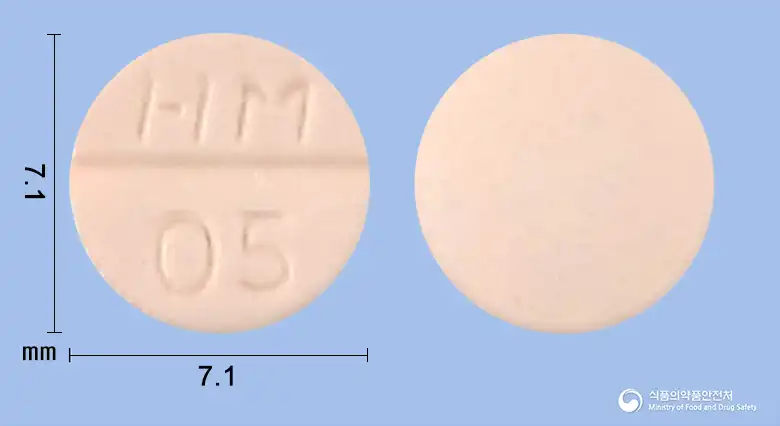
Olopatadine Hydrochloride 5mg
Tablet · Prescription medication
Hanmi Pharmaceutical Co., Ltd.
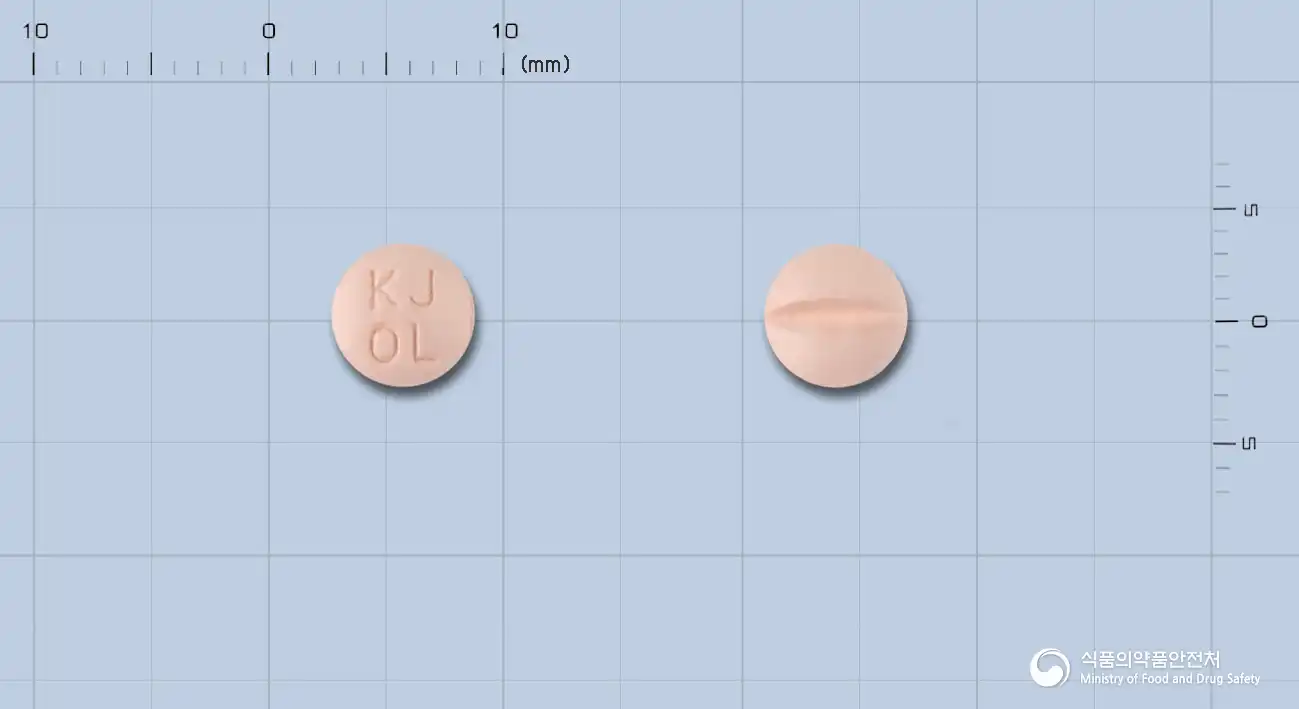
Olopatadine Hydrochloride 5mg
Tablet · Prescription medication
International Pharmaceutical Co., Ltd.
Even with the same ingredient, the dose and directions can differ by strength and dosage form. Talk to a doctor or pharmacist before switching from a medication you are already taking.
No questions yet.
For anything that needs medical judgment, consult a doctor or pharmacist.
This drug information is based on data provided by the Korea Ministry of Food and Drug Safety.
Consult a doctor or pharmacist for accurate dosage, administration, and usage instructions.