
 한국어
한국어 English
 日本語
日本語 中文(简体)
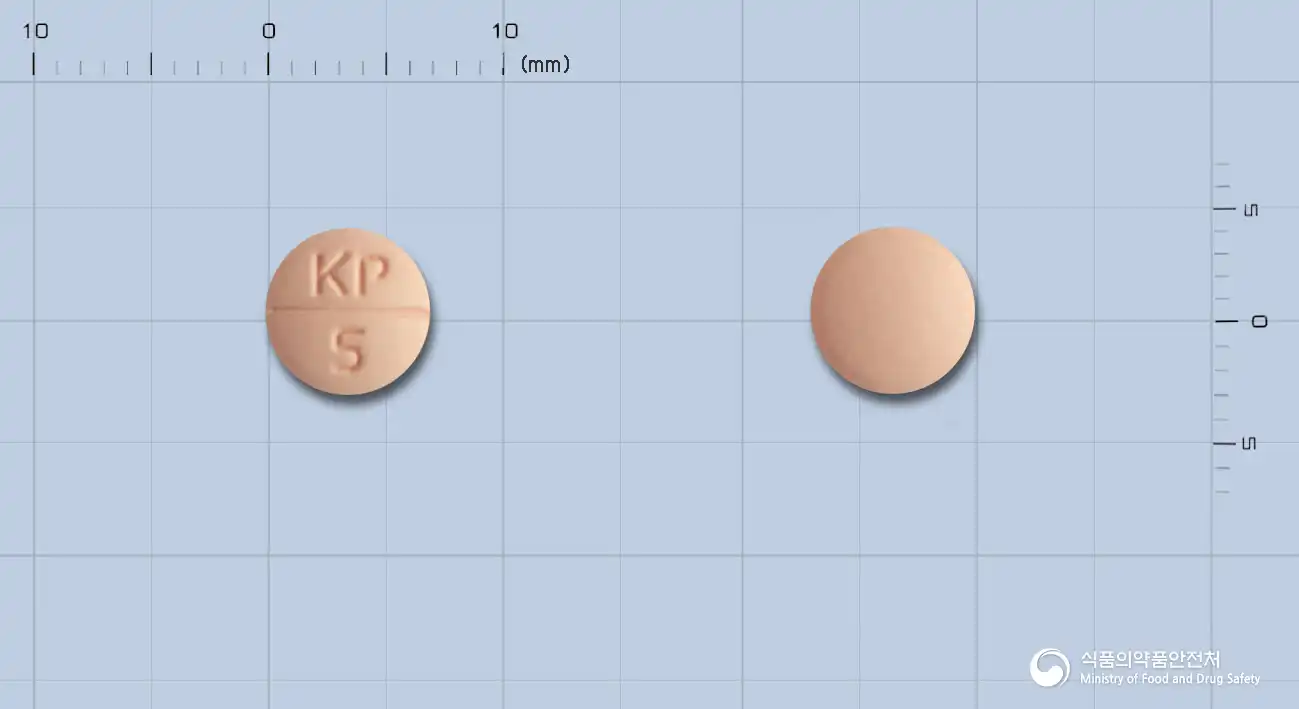 Viewing now
Olpatadine Tablets (Olpatadine Hydrochloride)
Olopatadine Hydrochloride 5mg
Tablet · Prescription medication
Korea Pharma Co., Ltd.
MFDS item code 201400194 · Approved 2014.01.17 · Insurance code 653005310
Relief of allergic rhinitis and itching from skin conditions (such as eczema, dermatitis, etc.)
This medication is used to relieve itching associated with a variety of skin diseases, including allergic rhinitis, urticaria, and conditions such as eczema or dermatitis, in both adults and children. It is particularly effective for itching due to eczema herpeticum in adults. This medication helps alleviate discomfort for patients suffering from these symptoms and aids in improving their condition.
In general, adults can take 5mg of olpatadine hydrochloride orally twice a day (in the morning and before bedtime). Adjust as appropriate based on age and symptoms.
Children over 10 years old can take 5mg of olpatadine hydrochloride orally twice a day (in the morning and before bedtime).
This medication contains lactose, so it should not be used in patients with hereditary conditions that cause lactose intolerance. The use of this medication should be approached with caution in patients with impaired kidney function, the elderly, or patients with liver dysfunction. This medication contains a coloring agent known as Yellow No. 5, and those allergic to this component should also exercise caution. During the use of this medication, side effects such as drowsiness, liver function abnormalities, fatigue, dry mouth, and abdominal pain may occur, so it is essential to monitor the patient's condition closely. Severe side effects, such as acute hepatitis, liver dysfunction, and jaundice, may occur, so if any unusual symptoms arise, treatment should be immediately halted and consultation with a healthcare professional should take place. Drowsiness and elevated liver enzyme levels have been reported in both children and adults, so caution is warranted. It is safe to avoid driving or operating hazardous machinery while taking this medication. Patients receiving steroid treatment should gradually adjust their steroid dosage when using this medication, and seasonal allergy patients are advised to start taking it before symptoms begin. Pregnant women or women who may become pregnant should only use this medication after carefully weighing the benefits and risks, and breastfeeding women are advised to avoid use or discontinue breastfeeding if possible. The safety of this medication has not been adequately established in children under 10 years of age, so its use is not recommended. The elderly may have decreased bodily functions, so they should start with a lower dose and monitor their condition closely while taking the medication. This medication may affect allergy testing, so it is advisable not to take it before undergoing tests. Keep out of reach of children, and transferring to another container should be avoided as it may compromise the quality.
Not everyone experiences these, and they can vary from person to person.
This medication should be stored in a tightly closed container to prevent exposure to air or moisture. It is best to maintain the storage temperature between 1 and 30 degrees Celsius.
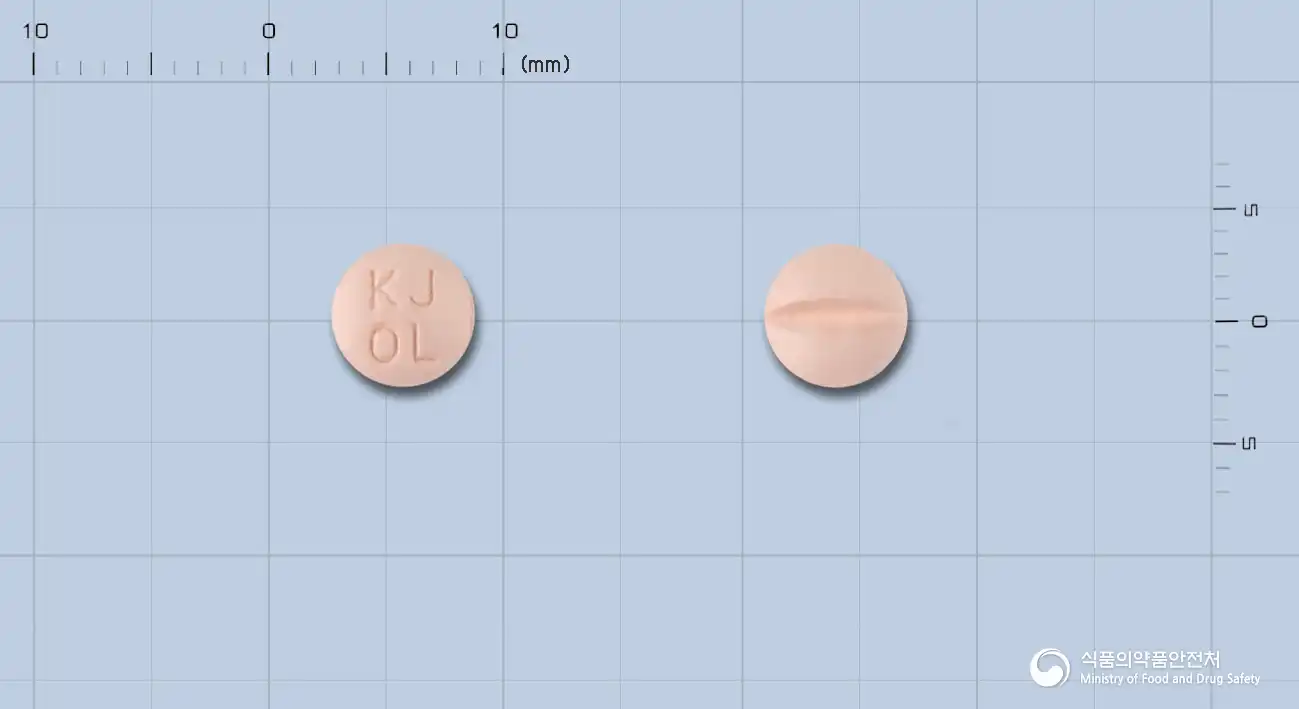
Pale yellow circular film-coated tablet
30 tablets/bottle. 300 tablets/bottle
Even with the same ingredient, strength, dosage form and how it is taken can differ.
Viewing nowOlopatadine Hydrochloride 5mg
Tablet · Prescription medication
Korea Pharma Co., Ltd.
Olopatadine Hydrochloride 1.11mg
Eye drops · Prescription medication
Novartis Korea Co., Ltd.
Olopatadine Hydrochloride 5mg
Tablet · Prescription medication
Korea Kyowa Kirin Co., Ltd.
Olopatadine Hydrochloride 2.22mg
Eye drops · Prescription medication
Novartis Korea Co., Ltd.
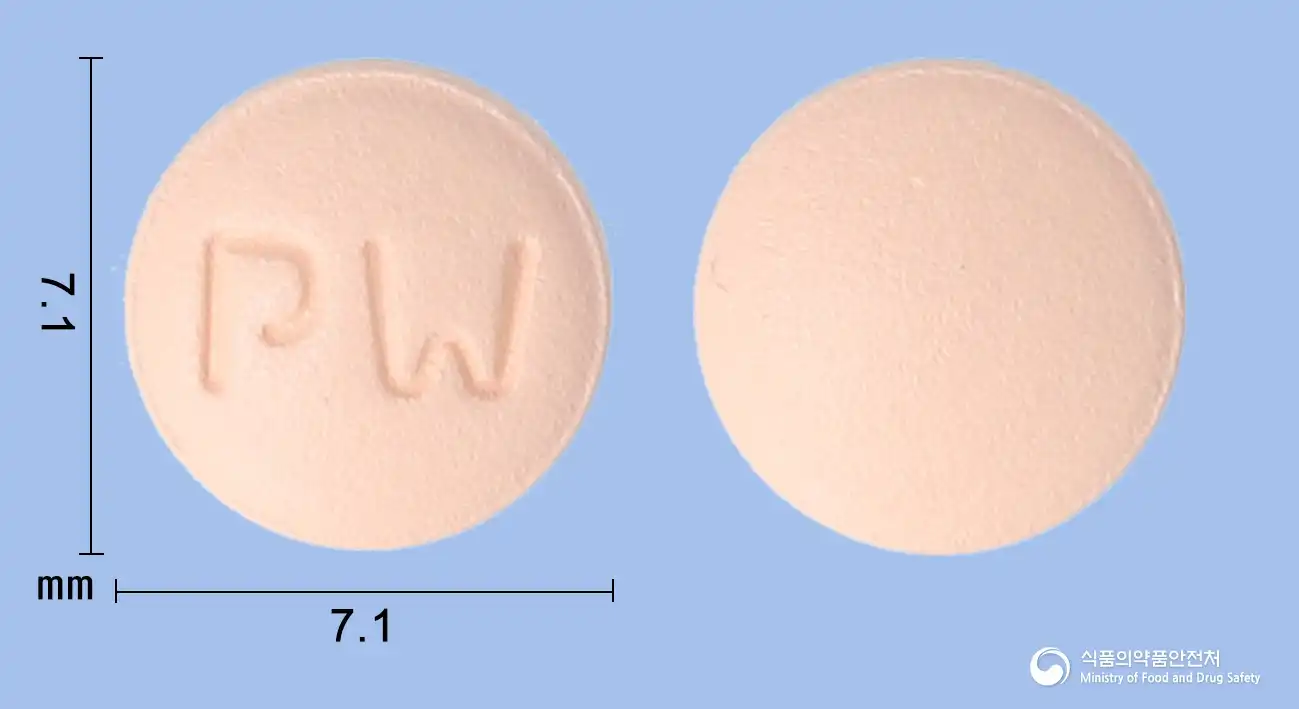
Olopatadine Hydrochloride 5mg
Tablet · Prescription medication
Daewoong Pharmaceutical Co., Ltd.
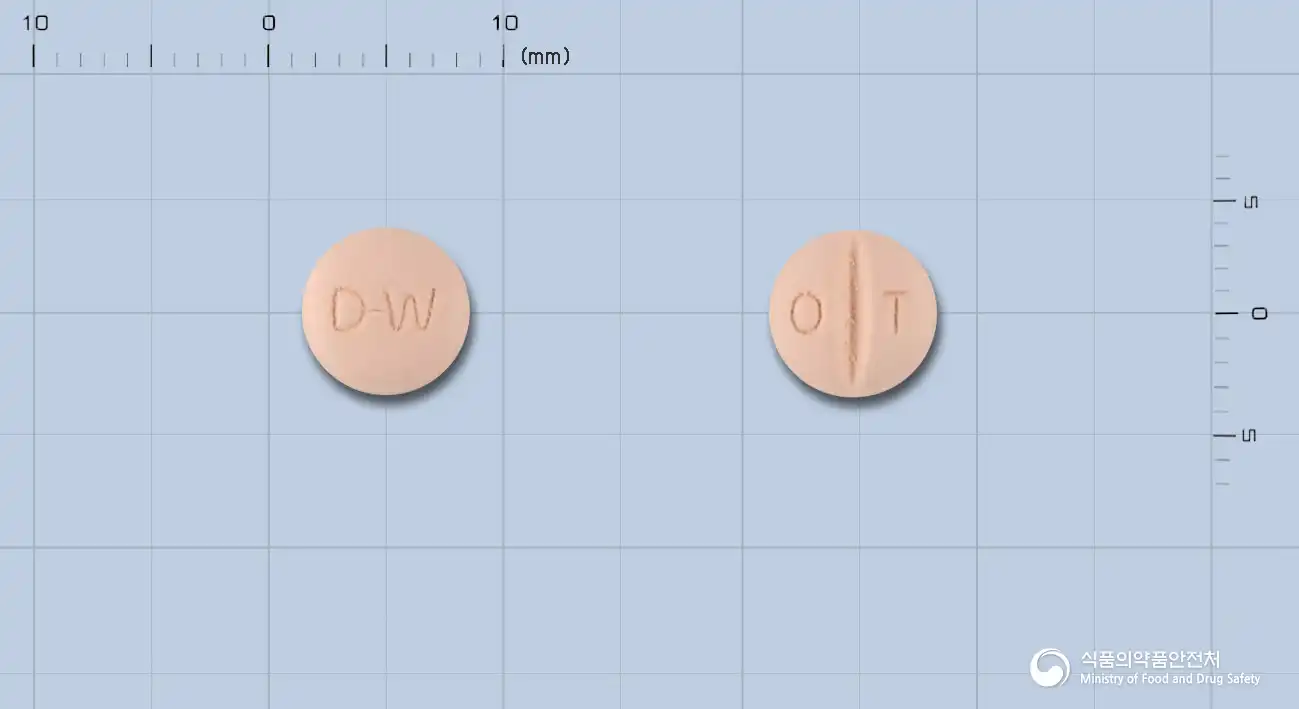
Olopatadine Hydrochloride 5mg
Tablet · Prescription medication
Dongwha Pharmaceutical Co., Ltd.
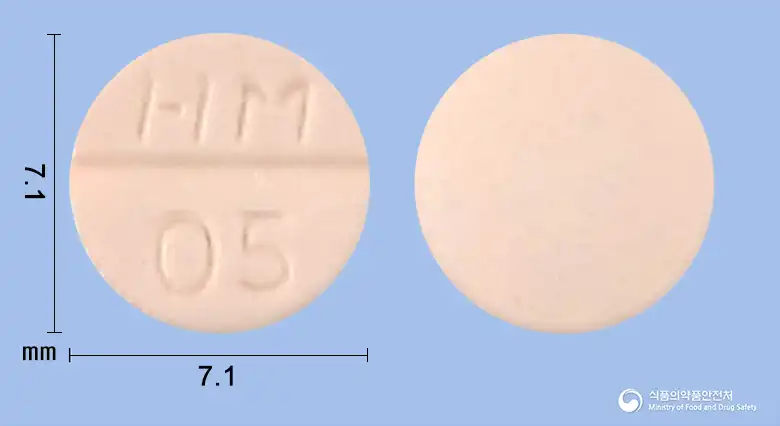
Olopatadine Hydrochloride 5mg
Tablet · Prescription medication
Hanmi Pharmaceutical Co., Ltd.
Olopatadine Hydrochloride 5mg
Tablet · Prescription medication
International Pharmaceutical Co., Ltd.
Even with the same ingredient, the dose and directions can differ by strength and dosage form. Talk to a doctor or pharmacist before switching from a medication you are already taking.
No questions yet.
For anything that needs medical judgment, consult a doctor or pharmacist.
This drug information is based on data provided by the Korea Ministry of Food and Drug Safety.
Consult a doctor or pharmacist for accurate dosage, administration, and usage instructions.