
 한국어
 English
 日本語
 中文(简体)
 Viewing now
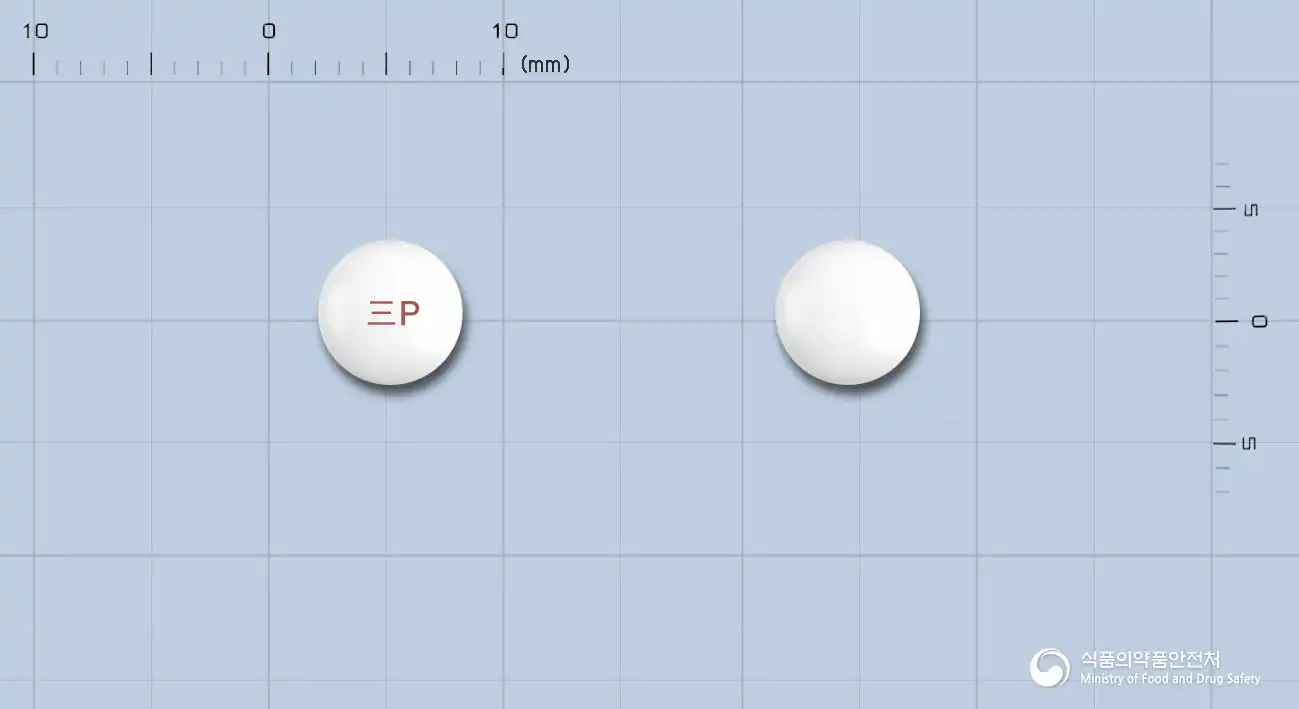
Fedex Tablets (Eperisone Hydrochloride)
Eperisone Hydrochloride 50mg
Tablet · Prescription medication
Samik Pharmaceutical Co., Ltd.
MFDS item code 201400118 · Approved 2014.01.13 · Insurance code 644003400
Relief of painful muscle spasms (such as low back pain) and spastic paralysis caused by neurological disorders
This medication is effective for painful muscle spasms caused by musculoskeletal disorders, such as cervical radiculopathy, adhesive capsulitis, and lumbar pain. It is also used for spastic paralysis occurring in neurological diseases, helping with various brain and spinal cord-related disorders, including cerebrovascular accidents, spastic spinal paralysis, cervical spondylosis, postoperative sequelae, trauma sequelae, amyotrophic lateral sclerosis, and cerebral palsy. This drug alleviates muscle stiffness and pain, contributing to patients' functional recovery and improvement in daily life. Thus, it is used to treat muscle stiffness and pain associated with musculoskeletal and neurological diseases.
Adults: Administer 50㎎ of eperisone hydrochloride per dose, 3 times daily after meals. The dose may be adjusted appropriately according to age and symptoms.
This medication should not be used in certain patients. First, individuals who have an allergic reaction to this drug should avoid taking it. Additionally, this drug should not be given to patients with severe myasthenia gravis where muscles are very weak. This medication contains lactose, so patients with genetic disorders that prevent lactose digestion should also refrain from using it. There are patients who need to be cautious while using this medication. Individuals with a history of allergies should be particularly careful, and patients with liver function problems should be cautious as this drug may worsen liver function. Various side effects may occur during the use of this medication. Rarely, a serious allergic reaction such as shock may occur; if symptoms appear, discontinue use immediately and seek appropriate treatment. Liver function test values may rise, so regular monitoring is necessary. It can also affect kidney function, requiring careful observation of proteinuria and changes in blood test values. Additionally, symptoms of blood abnormalities such as anemia should be monitored. Skin rash, itching, insomnia, drowsiness, headache, sensory disturbances in arms or legs, nausea, vomiting, constipation, and diarrhea may also occur as digestive symptoms. Issues related to the urinary tract may result in difficulty urinating or a sensation of residual urine, and systemic symptoms such as weakness, dizziness, or decreased muscle tone may also occur. If serious skin reactions occur, such as Stevens-Johnson syndrome, discontinue the medication immediately and consult a healthcare professional. Drowsiness or decreased concentration may occur while taking this medication, so it is advisable to avoid driving or operating dangerous machinery. Furthermore, caution is needed when using this drug alongside similar medications or certain muscle relaxants, as this may cause issues with visual acuity. Pregnant women or those who may become pregnant should only use this medication if the benefits outweigh the risks, as its safety is not confirmed. During breastfeeding, this medication should be avoided if possible, and if necessary, breastfeeding should be discontinued. The safety has not been sufficiently confirmed for children, so use is restricted. Older adults may have decreased physical function and thus should use a lower dosage or be more cautious.
Not everyone experiences these, and they can vary from person to person.
This medication should be stored in a tightly sealed container to prevent air ingress and is best kept at room temperature between 1 and 30 degrees Celsius. Proper storage will help maintain the drug's effectiveness for a longer time.
White round tablet
30 tablets/bottle, 500 tablets/bottle
Even with the same ingredient, strength, dosage form and how it is taken can differ.
Viewing nowEperisone Hydrochloride 50mg
Tablet · Prescription medication
Samik Pharmaceutical Co., Ltd.
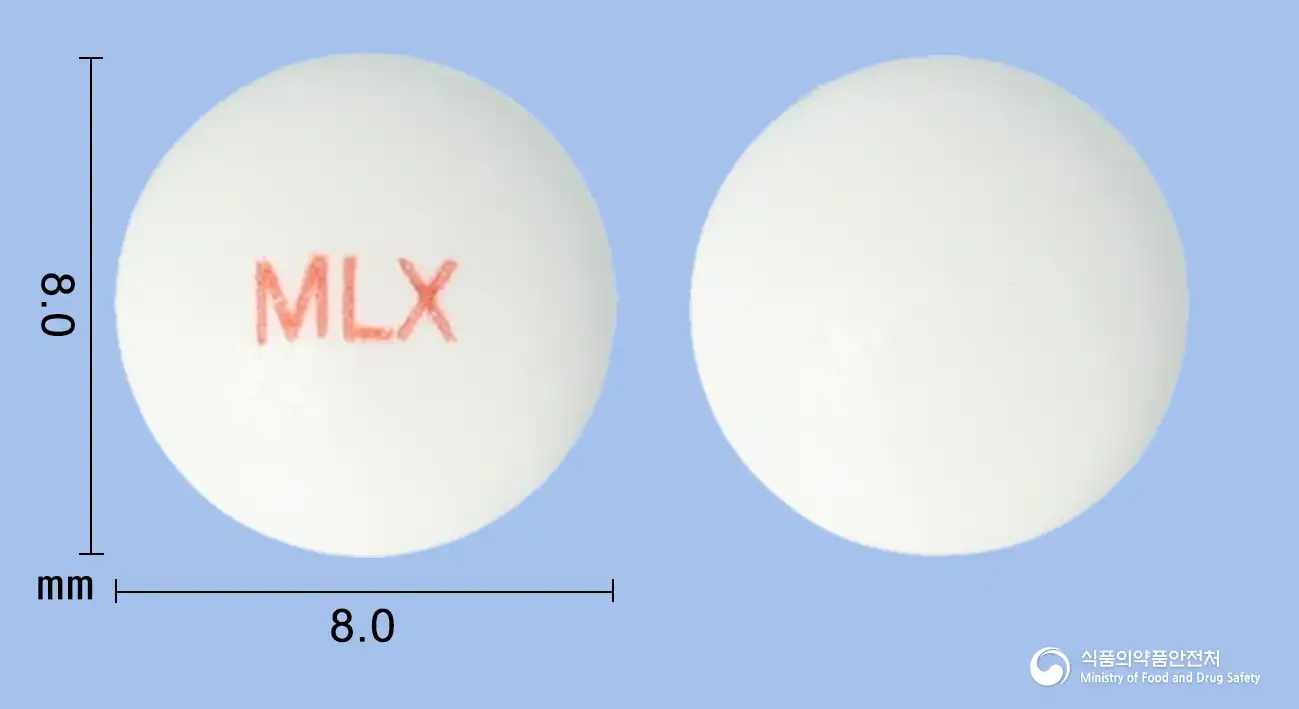
Eperisone Hydrochloride 50mg
Tablet · Prescription medication
Chodang Pharmaceutical Co., Ltd.
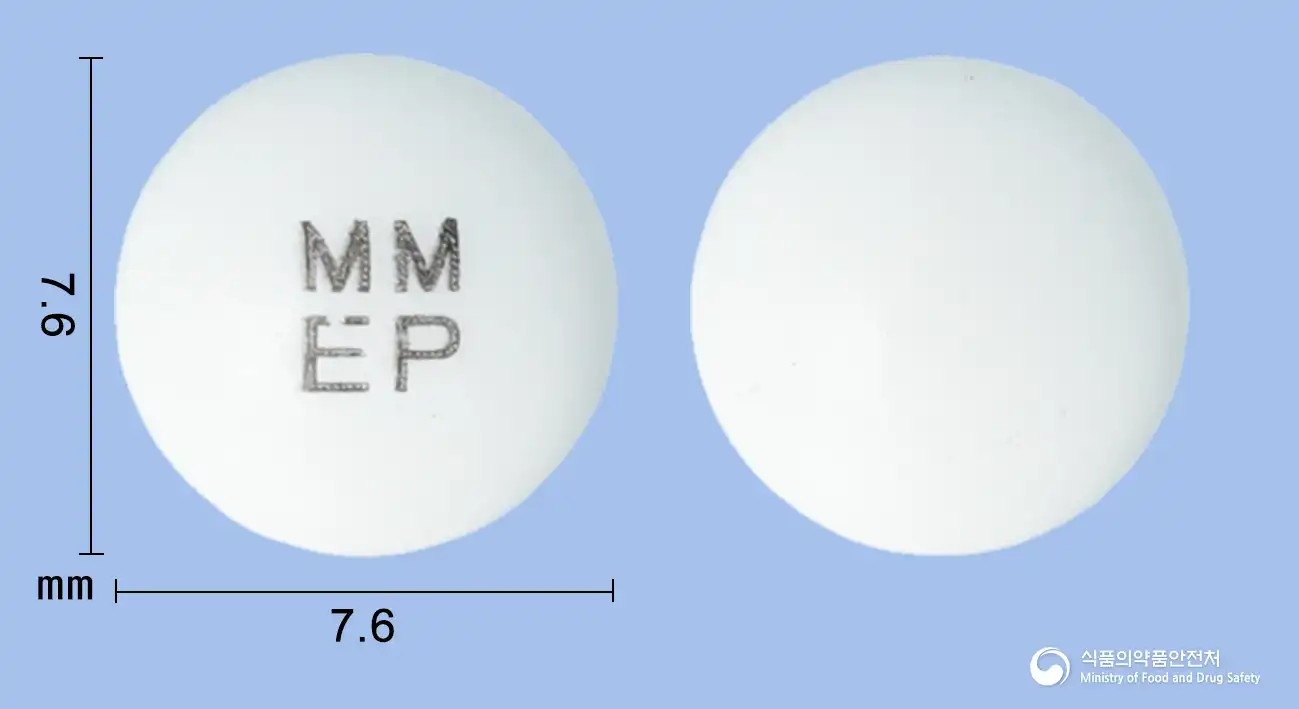
Eperisone Hydrochloride 50mg
Tablet · Prescription medication
Myeongmun Pharmaceutical Co., Ltd.
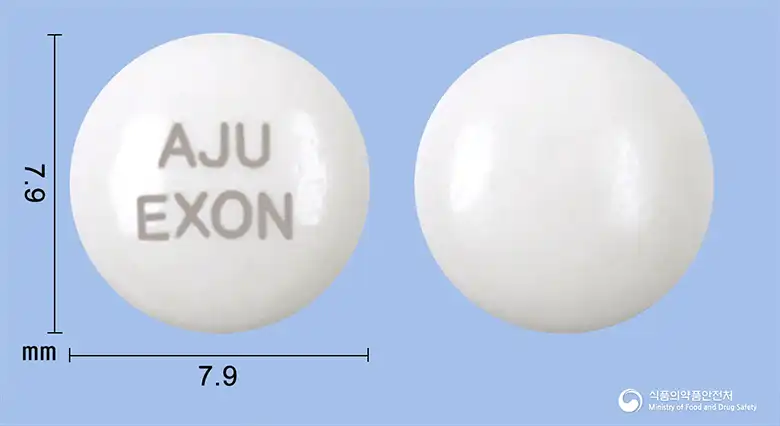
Eperisone Hydrochloride 50mg
Prescription medication
Aju Pharmaceutical Co., Ltd.
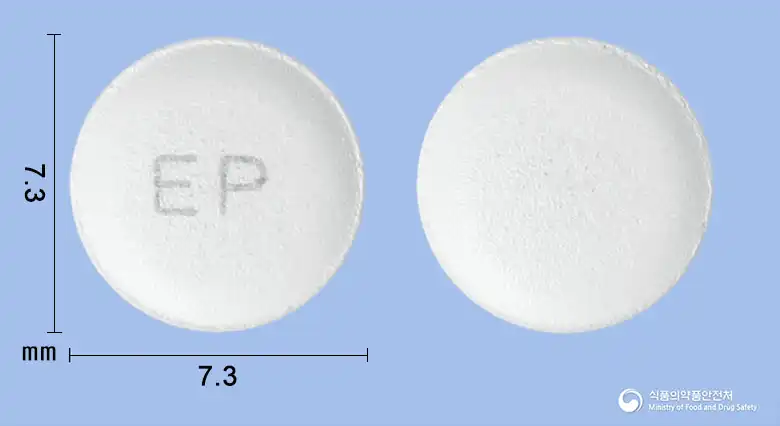
Eperisone Hydrochloride 50mg
Tablet · Prescription medication
Daewoo Pharmaceutical Co., Ltd.
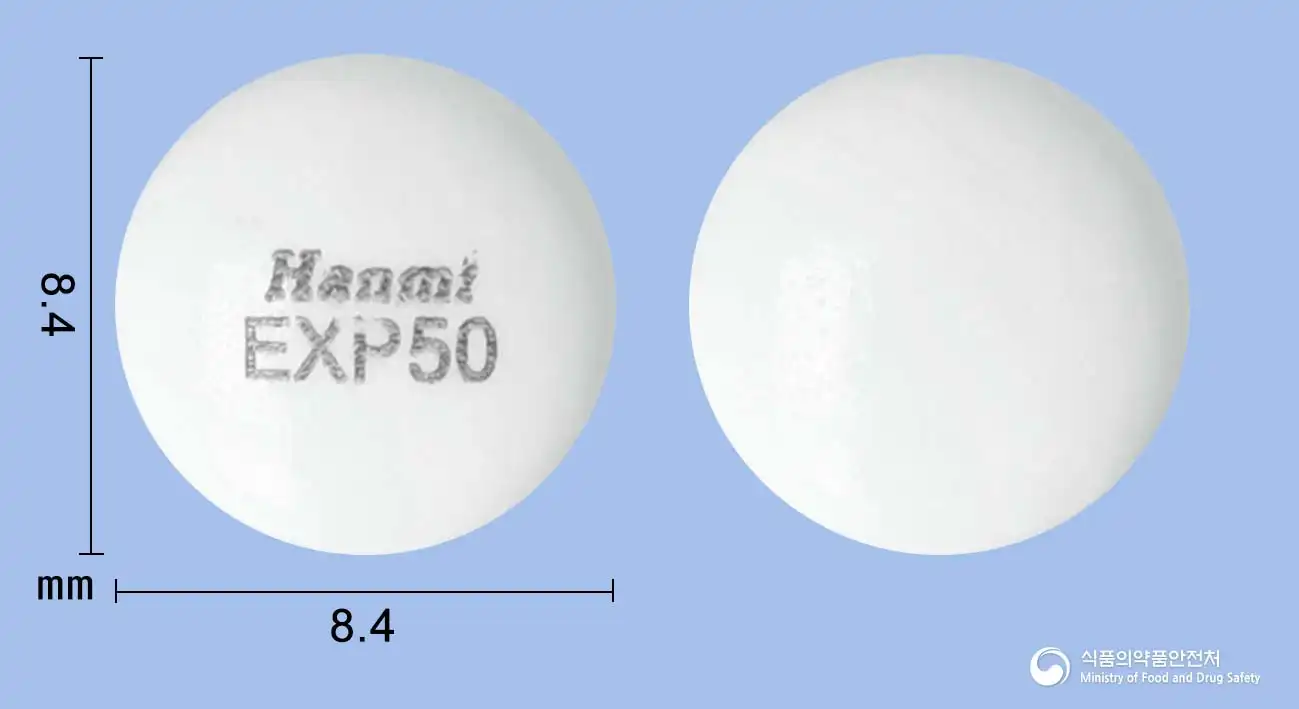
Eperisone Hydrochloride 50mg
Prescription medication
Hanmi Pharmaceutical Co., Ltd.
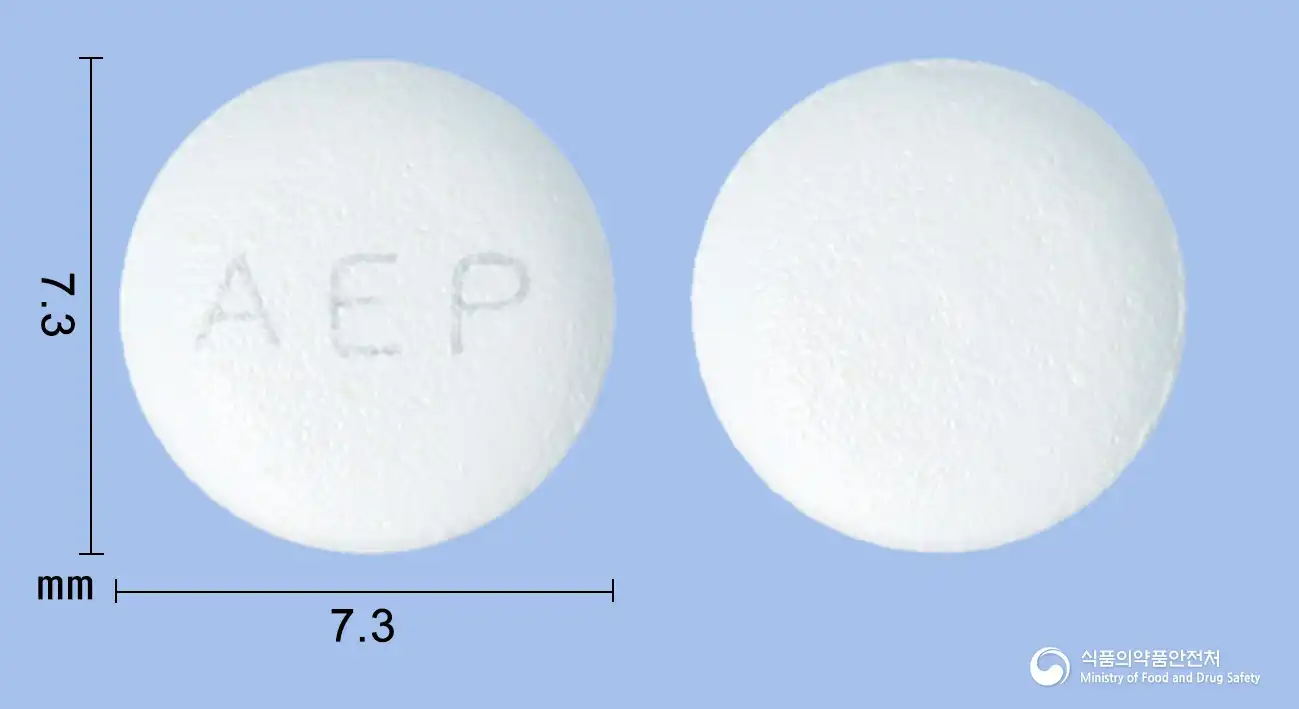
Eperisone Hydrochloride 50mg
Tablet · Prescription medication
Kyungdong Pharmaceutical Co., Ltd.
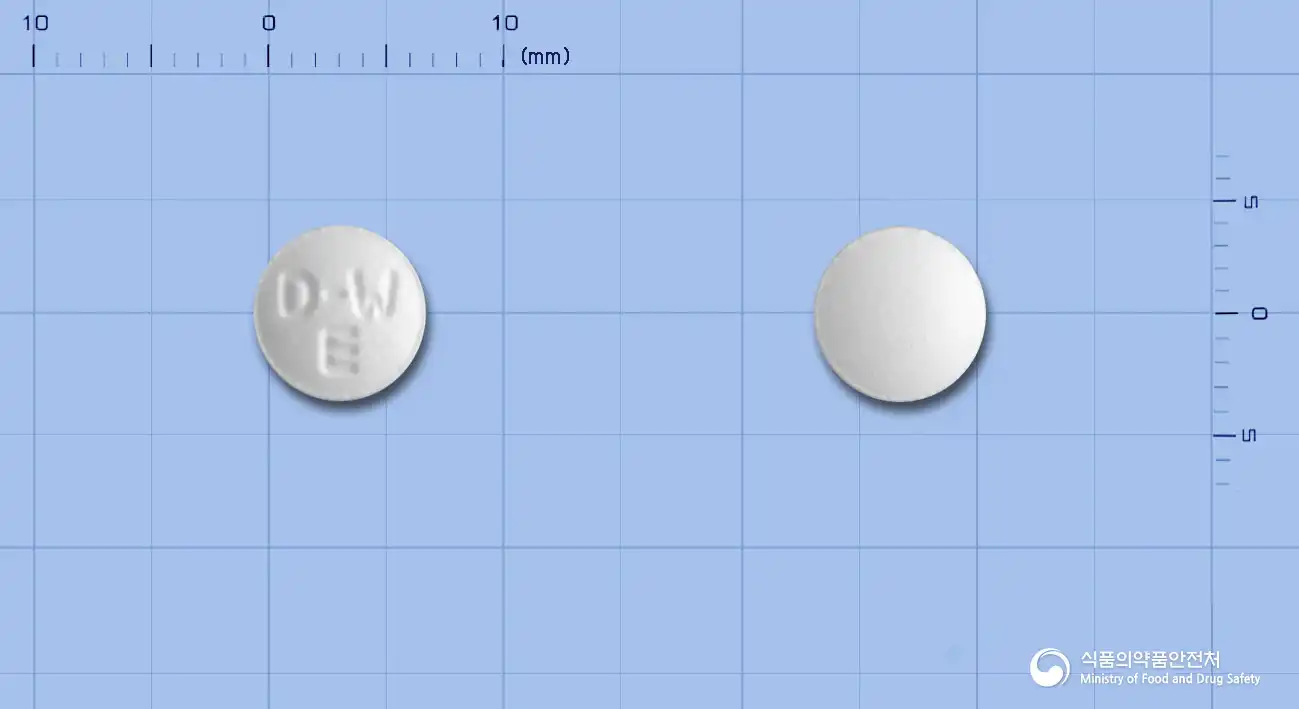
Eperisone Hydrochloride 50mg
Tablet · Prescription medication
Dongwha Pharmaceutical Co., Ltd.
Even with the same ingredient, the dose and directions can differ by strength and dosage form. Talk to a doctor or pharmacist before switching from a medication you are already taking.
No questions yet.
For anything that needs medical judgment, consult a doctor or pharmacist.
This drug information is based on data provided by the Korea Ministry of Food and Drug Safety.
Consult a doctor or pharmacist for accurate dosage, administration, and usage instructions.