
 한국어
 English
 日本語
 中文(简体)
Dosage form image
Viewing nowIbetapill (Irbesartan)
Irbesartan 150mg
Prescription medication
Ilhwa Co., Ltd.
MFDS item code 201310363 · Approved 2013.11.28
This product's status changed to Expired on 2023.11.28. It may no longer be sold, so consult a doctor or pharmacist before taking it.
Treatment of essential hypertension and nephropathy in patients with type 2 diabetes and hypertension
This medicine is used to manage blood pressure in patients with essential hypertension. Also, as part of hypertension treatment, it is effective in preventing or delaying the progression of kidney disease in patients with type 2 diabetes who have hypertension. Therefore, it helps maintain renal health in patients with essential hypertension who require blood pressure management and in patients with both hypertension and diabetes.
This drug may be taken regardless of meals. 1. Essential hypertension Adults: Administer irbesartan 150 mg orally once daily; if the effect is insufficient, the dose may be increased to 300 mg. In general, blood pressure control over 24 hours is better with 150 mg once daily than with 75 mg once daily; however, 75 mg may be considered in special cases (e.g., at the start of treatment, in patients receiving hemodialysis, or in elderly patients aged 75 years and older). If blood pressure is not adequately controlled with monotherapy, another antihypertensive may be administered concomitantly. The effect is increased, in particular, when administered with a low dose of a diuretic (e.g., hydrochlorothiazide). 2. Nephropathy in patients with type 2 diabetes and hypertension Adults: It is recommended to initiate oral treatment with this drug at 150 mg once daily and increase the dose to 300 mg for maintenance. If necessary, another antihypertensive may be administered concomitantly to achieve the target blood pressure. ○ Elderly patients Dosage adjustment is generally not necessary; however, an initial dose of 75 mg should be considered in patients aged 75 years and older. ○ Patients with renal impairment Dosage adjustment is generally not necessary; however, an initial dose of 75 mg should be considered in patients receiving hemodialysis. ○ Patients with hepatic impairment Although dosage adjustment is generally not necessary in patients with mild to moderate hepatic impairment, it is recommended not to exceed 150 mg daily. However, there is no clinical experience in patients with severe hepatic impairment.
This medication can cause serious harm to the fetus and newborn, especially during pregnancy, and should not be taken by pregnant women or women who may become pregnant. Patients with hypersensitivity to this medication, severe liver disease, hereditary angioedema, or specific genetic disorders should not receive it. Caution should be exercised when administering to elderly patients, those with hyperkalemia, and patients with liver disease, and blood pressure, kidney function, and electrolyte status should be monitored frequently. During treatment with this medication, mild side effects such as dizziness, fatigue, headache, and cough may occur; however, serious side effects may also rarely happen, so caution is needed. Serious adverse reactions such as angioedema, hyperkalemia, shock, renal failure, liver dysfunction, hypoglycemia, and rhabdomyolysis may occur, so immediate consultation with a healthcare professional is required if any unusual symptoms appear. For patients with impaired liver function, dose adjustment is necessary, and it is not administered to patients with severe liver disease. It is advisable not to take the medication for 24 hours prior to surgery, and there is a risk of hypotension in patients with reduced blood volume, so caution is needed. In patients with renal vascular hypertension or impaired kidney function, there is a risk of acute renal failure, so use should be avoided or administered carefully. This medication can be used in combination with other antihypertensives; however, it should be avoided in combination with potassium-sparing agents or potassium supplements as they may dangerously elevate potassium levels in the blood. When taken with lithium preparations, lithium levels may increase, resulting in toxicity, so blood levels should be monitored closely. Caution is needed when taken in combination with nonsteroidal anti-inflammatory drugs as they may reduce the antihypertensive effect or worsen kidney function. This medication may be excreted in breast milk, so breastfeeding women should avoid it or discontinue nursing. Safety in pediatric patients has not been established, and administration to children is not recommended. In cases of overdose, symptoms such as hypotension or arrhythmias may occur, necessitating immediate treatment. This medication should be stored out of reach of children and should not be transferred to another container for safety. Caution should be exercised while driving or operating machinery as dizziness or fatigue may be experienced.
Not everyone experiences these, and they can vary from person to person.
This medication may be sensitive to air or moisture, so it must be stored in a tightly closed container. Additionally, it should be kept in a cool, dry place below 30 degrees Celsius to maintain effectiveness.
White or almost white, oval-shaped tablets with both sides convex
30 tablets/bottle, 100 tablets/bottle
Even with the same ingredient, strength, dosage form and how it is taken can differ.
Irbesartan 150mg
Prescription medication
Ilhwa Co., Ltd.
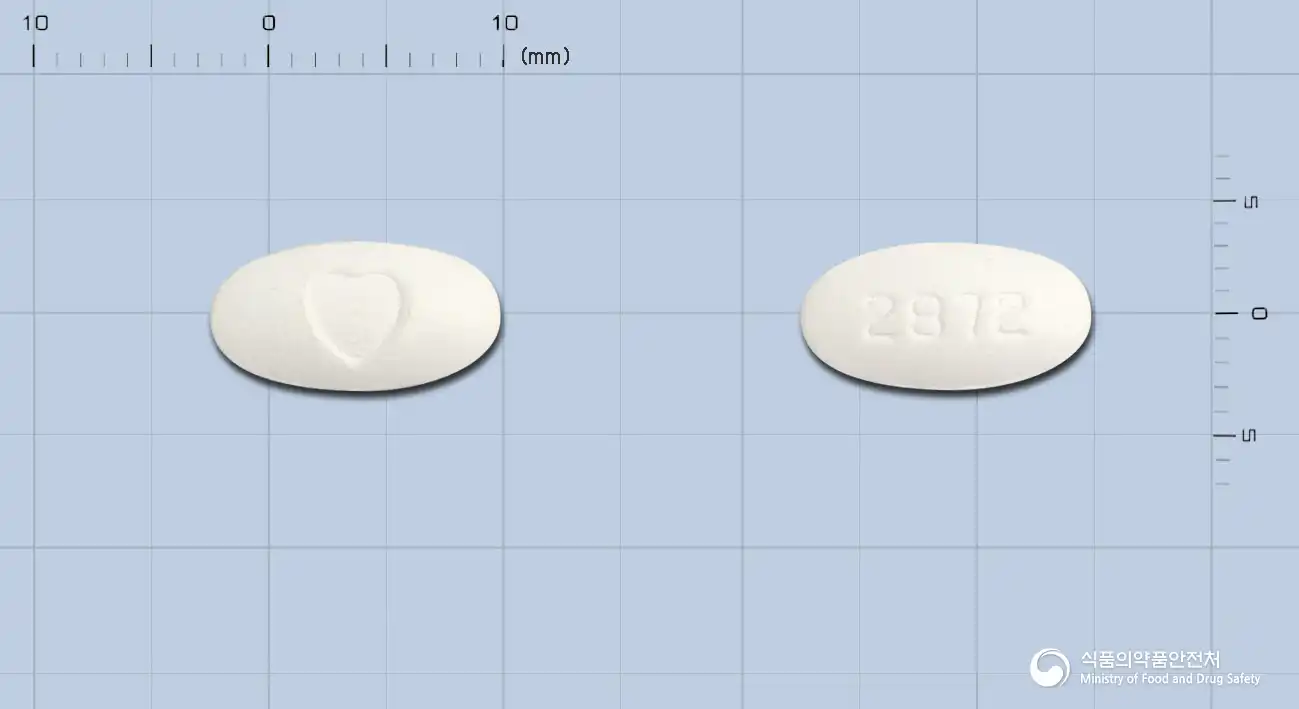
Irbesartan 150mg
Tablet · Prescription medication
Handok Co., Ltd.
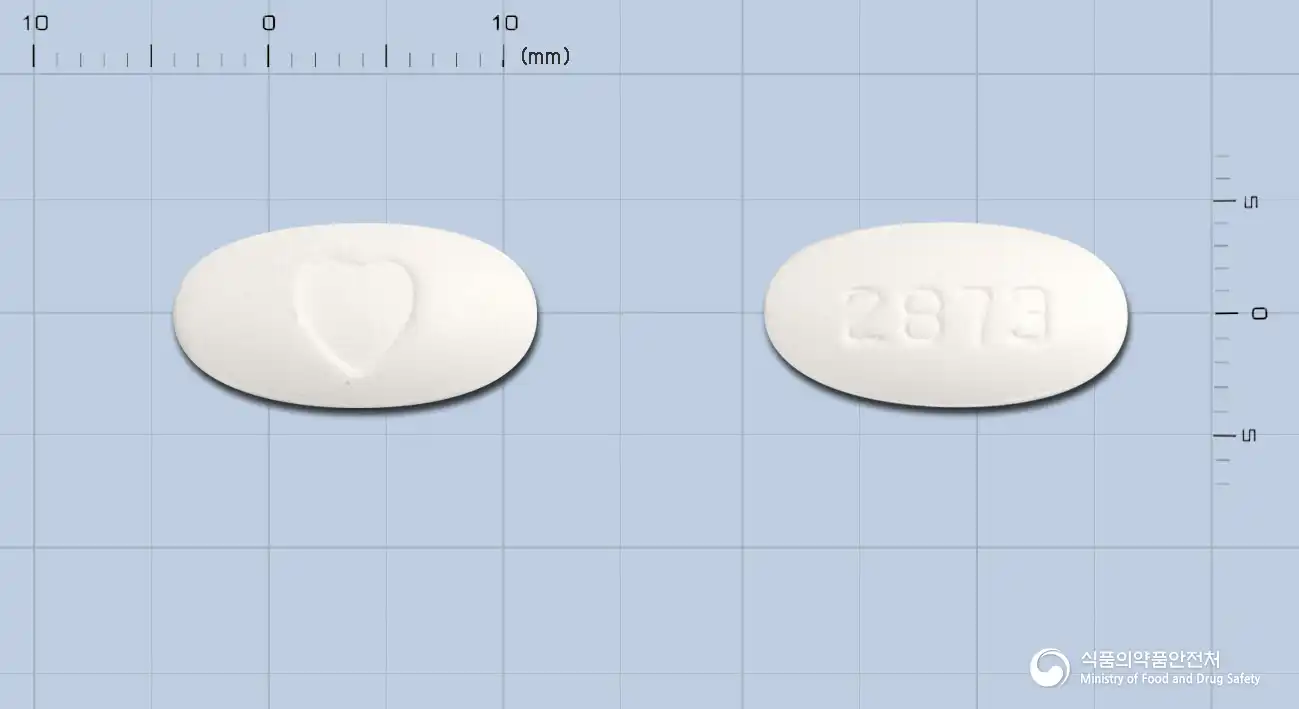
Irbesartan 300mg
Tablet · Prescription medication
Handok Co., Ltd.
Irbesartan 150mg
Tablet · Prescription medication
Hanwha Pharmaceutical Co., Ltd.

Irbesartan 150mg
Tablet · Prescription medication
Kips Biopharma Co., Ltd.
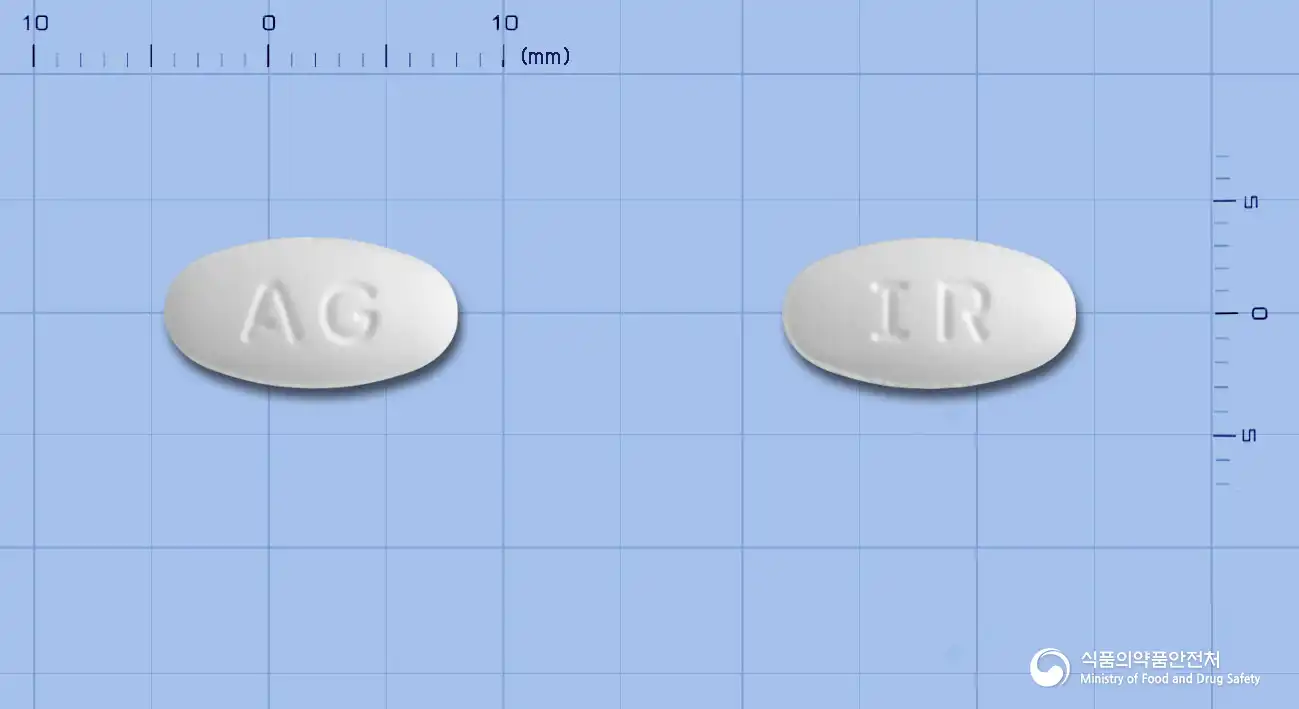
Irbesartan 150mg
Tablet · Prescription medication
Anguk Pharmaceutical Co., Ltd.
Irbesartan 150mg
Prescription medication
Bionex Co., Ltd.
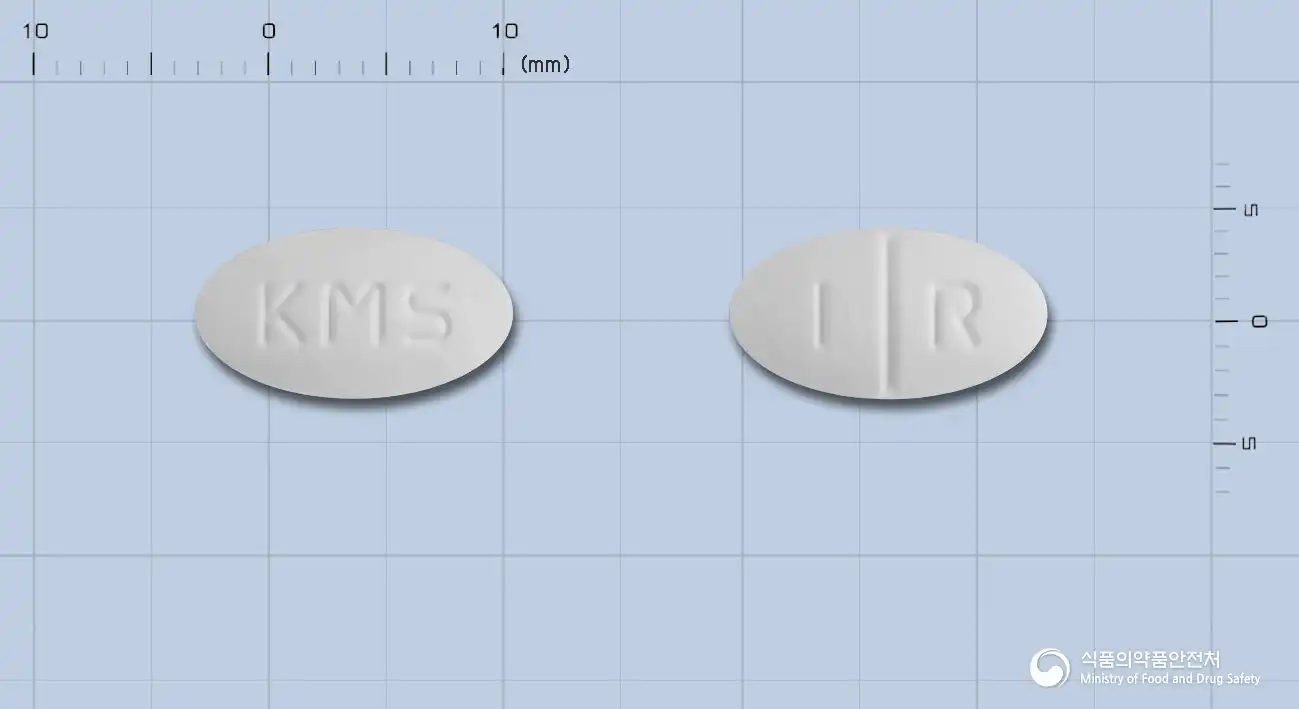
Irbesartan 150mg
Tablet · Prescription medication
KMS Pharmaceutical Co., Ltd.
Even with the same ingredient, the dose and directions can differ by strength and dosage form. Talk to a doctor or pharmacist before switching from a medication you are already taking.
No questions yet.
For anything that needs medical judgment, consult a doctor or pharmacist.
This drug information is based on data provided by the Korea Ministry of Food and Drug Safety.
Consult a doctor or pharmacist for accurate dosage, administration, and usage instructions.