
 한국어
한국어 English
 日本語
日本語 中文(简体)
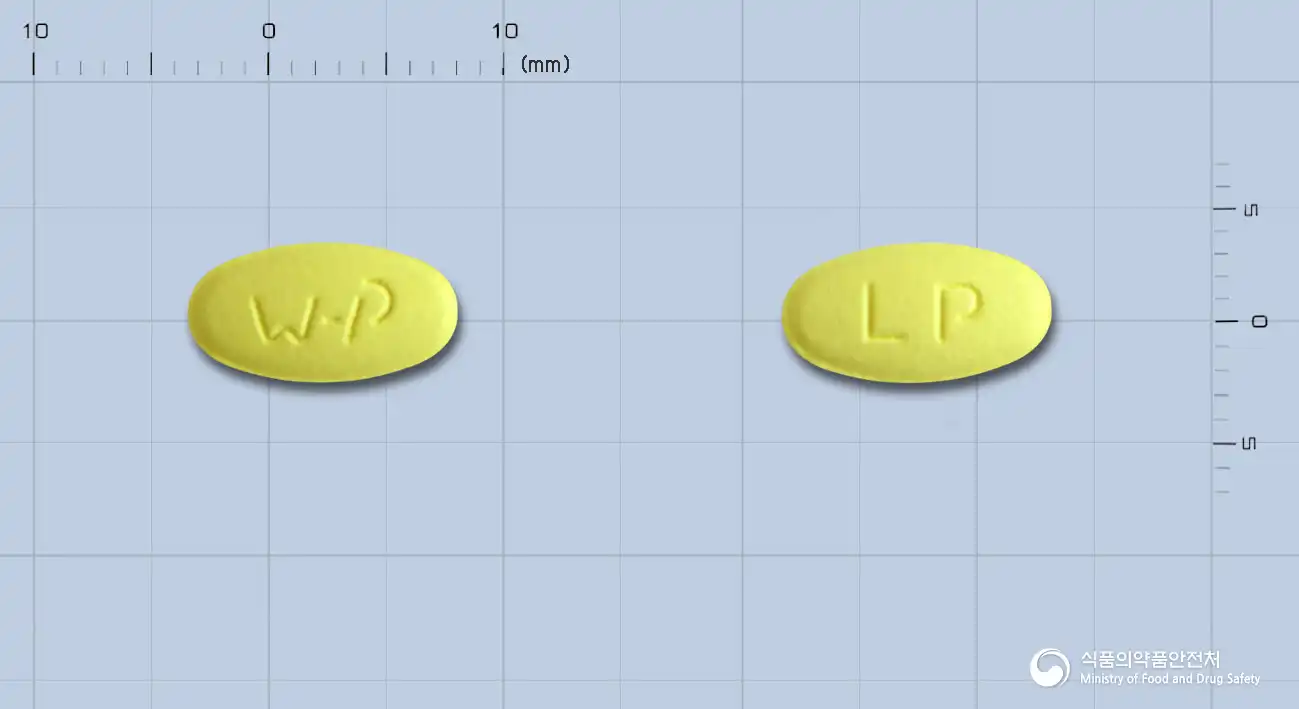 Viewing nowCombination
Losartan Plus Tablet
Losartan Potassium 50mg · Hydrochlorothiazide 12.5mg
Tablet · Prescription medication · Combination
White Life Science Co., Ltd.
MFDS item code 201310295 · Approved 2013.11.26 · Insurance code 625200290
Improvement of blood pressure control when single therapy for hypertension is insufficient
This medication is used to effectively lower and control blood pressure in hypertensive patients whose blood pressure control is inadequate with monotherapy.
The usual dose for adults is one tablet of losartan potassium 50 mg/hydrochlorothiazide 12.5 mg once daily. A dose exceeding losartan potassium 100 mg/hydrochlorothiazide 25 mg per day is not advisable. Patients whose blood pressure is not controlled with monotherapy of losartan or hydrochlorothiazide should start on a regimen of losartan potassium 50 mg/hydrochlorothiazide 12.5 mg once daily.
There is no experience in using this medication in children and adolescents (under 18 years), so the losartan-hydrochlorothiazide combination should not be administered to this age group.
This medication can cause serious harm to the fetus if taken during pregnancy, especially in the second and third trimesters, so it must be discontinued immediately if pregnancy is confirmed. This medication should not be administered to patients who are allergic to its components, have severely impaired kidney function, anuria, severe liver disease, or are pregnant. Patients with extremely low blood pressure or kidney function issues, a history of liver disease, hyperuricemia or gout, elderly patients, etc., should use this medication with caution. This medication can affect blood electrolyte levels; therefore, potassium, sodium, and other levels should be checked regularly through blood tests, and immediate medical consultation is necessary if symptoms of electrolyte imbalance occur. The hydrochlorothiazide component can make the skin sensitive to sunlight, increasing the risk of skin cancer, so sunscreen should be used when exposed to sunlight, and any skin abnormalities should be reported immediately. Concurrent use of this medication with other antihypertensives or potassium supplements may lead to dangerously high potassium levels in the blood; therefore, potassium supplements or salt substitutes containing potassium should not be taken without consulting a doctor. Additionally, this medication can cause dizziness or drowsiness, so caution is needed when driving or operating machinery. There is insufficient experience in using this medication in children and adolescents, so it should not be administered to these populations. When storing this medication, keep it out of reach of children, and store it in the original container with the lid tightly closed to maintain quality.
Hives, angioedema (may cause airway obstruction due to laryngeal/glottic swelling, swelling of the face/lips/pharynx/tongue), skin exfoliation, hemolysis, chest pain, facial swelling, fever, orthostatic hypotension, syncope, angina, arrhythmia (atrial fibrillation, sinus bradycardia, tachycardia, ventricular tachycardia, ventricular fibrillation), cerebrovascular accident, hypotension, myocardial infarction, secondary atrioventricular block, dyspnea, acute respiratory distress syndrome (ARDS), pulmonary edema, acute renal failure, liver
Abdominal pain, edema/swelling, palpitations, back pain, dizziness, cough, sinusitis, upper respiratory infection, weakness/fatigue, diarrhea, nausea, headache, bronchitis, pharyngitis, angioedema (swelling of lips and eyelids and facial rash), chest pain, facial swelling, fever, orthostatic hypotension, syncope, angina, arrhythmia (atrial fibrillation, sinus bradycardia, tachycardia, ventricular tachycardia, ventricular fibrillation), hypotension, loss of appetite, constipation, toothache, dry mouth, dyspepsia, flatulence, stomach upset
Not everyone experiences these, and they can vary from person to person.
This medication is sensitive to light and should be stored in a special container that avoids light. Additionally, store the medication at room temperature, between 1°C and 30°C, not too hot or too cold.
Yellow oval film-coated tablet
30 tablets/bottle, 100 tablets/bottle
Even with the same ingredient, strength, dosage form and how it is taken can differ.
Viewing nowCombinationLosartan Potassium 50mg · Hydrochlorothiazide 12.5mg
Tablet · Prescription medication · Combination
White Life Science Co., Ltd.
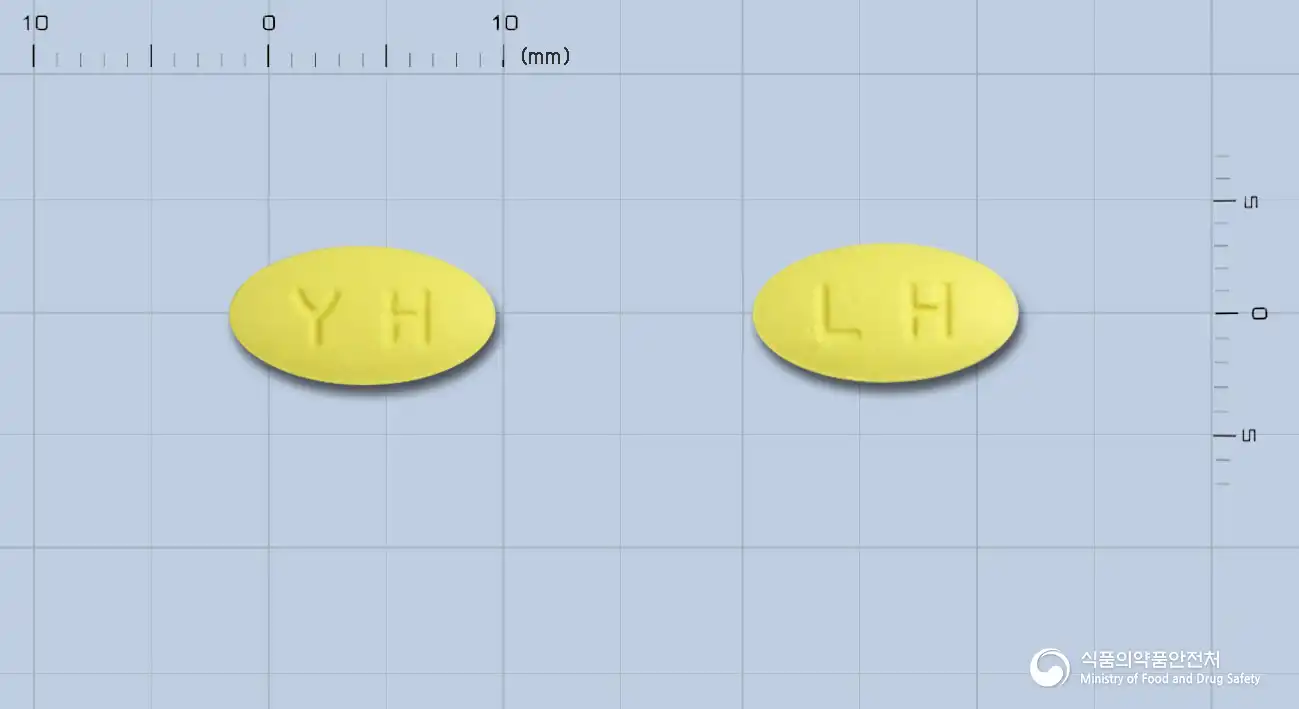 Combination
Losartan Potassium 50mg · Hydrochlorothiazide 12.5mg
Tablet · Prescription medication · Combination
(Co., Ltd.) Yuhan
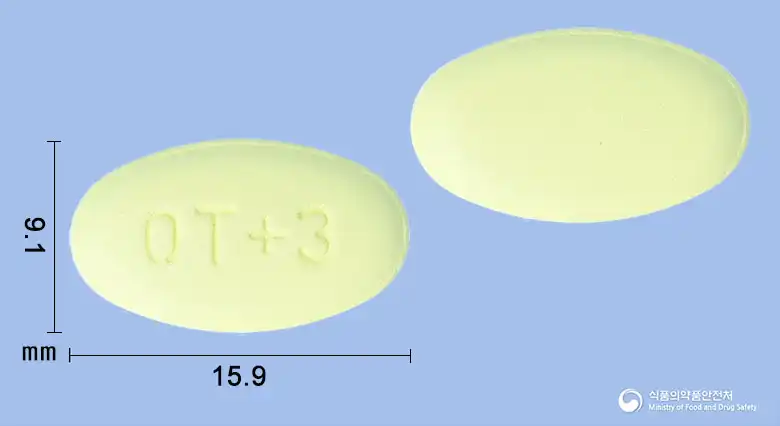 Combination
Losartan Potassium 100mg · Hydrochlorothiazide 25mg
Tablet · Prescription medication · Combination
Hanmi Pharmaceutical Co., Ltd.
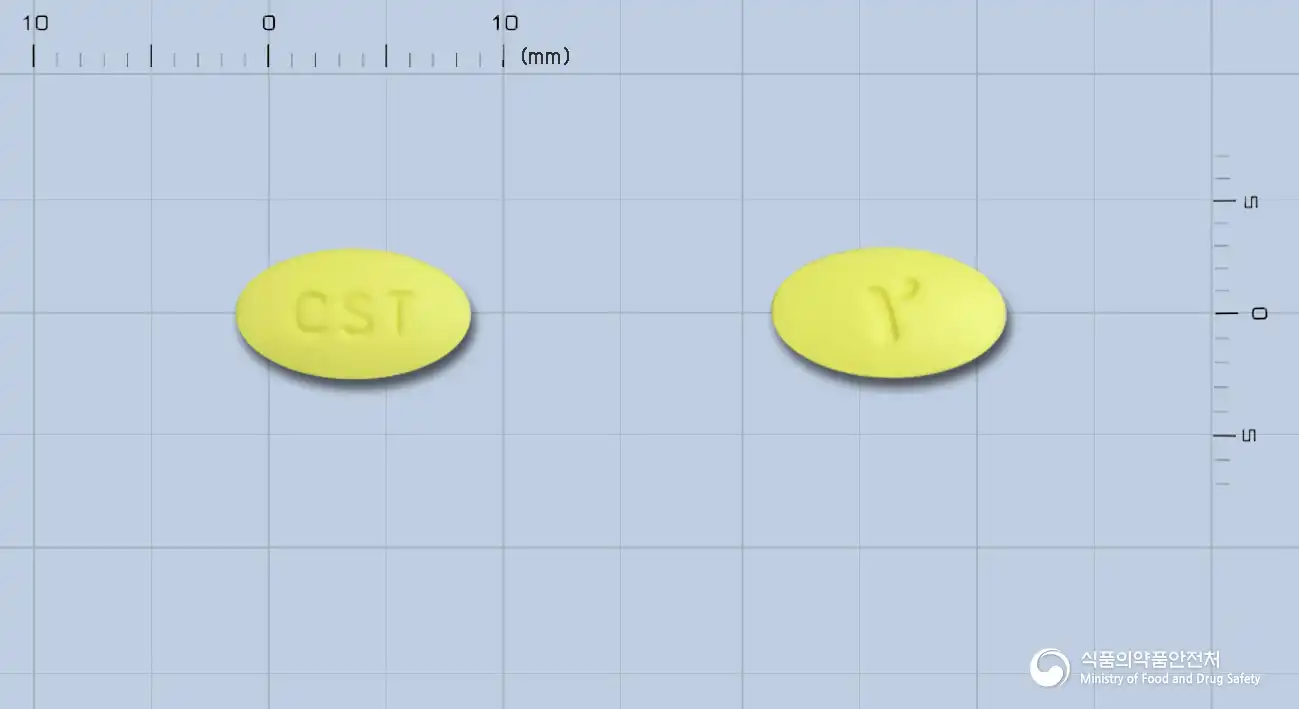 Combination
Losartan Potassium 50mg · Hydrochlorothiazide 12.5mg
Tablet · Prescription medication · Combination
(Co., Ltd. ) Yuyoung Pharmaceutical
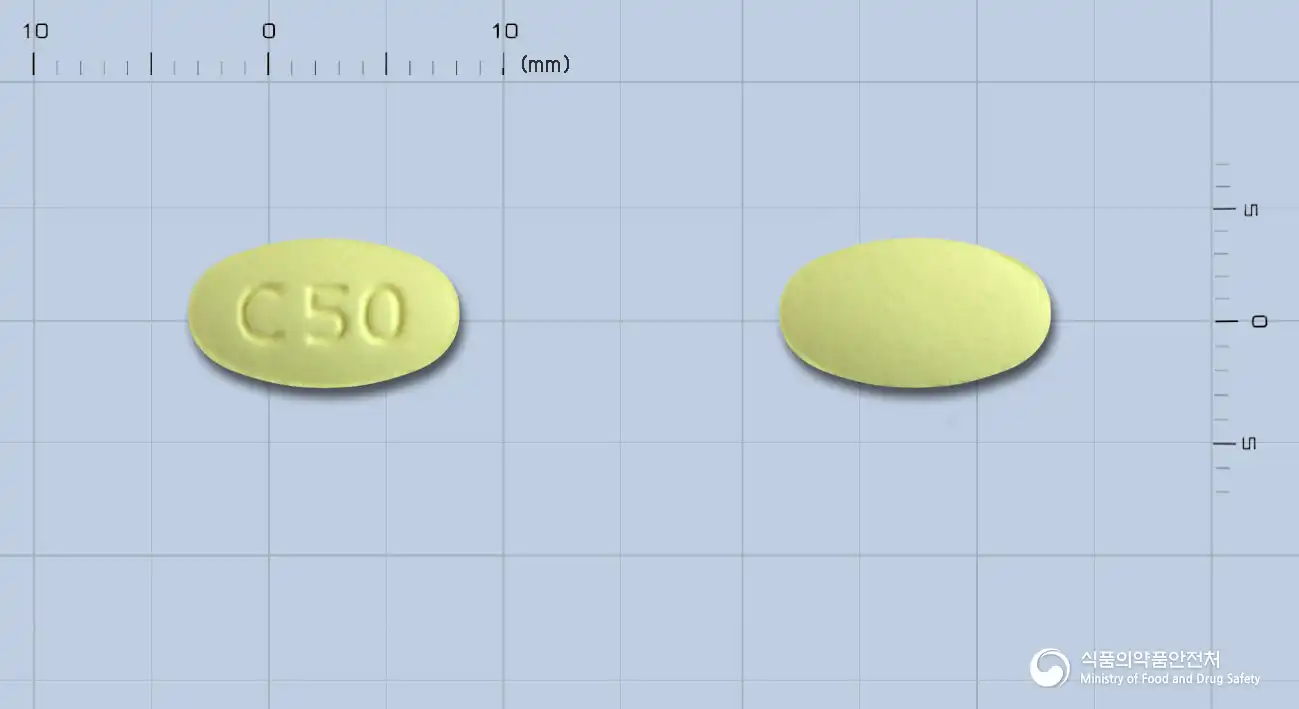 Combination
Losartan Potassium 50mg · Hydrochlorothiazide 12.5mg
Tablet · Prescription medication · Combination
Youngpoong Pharmaceutical Co., Ltd.
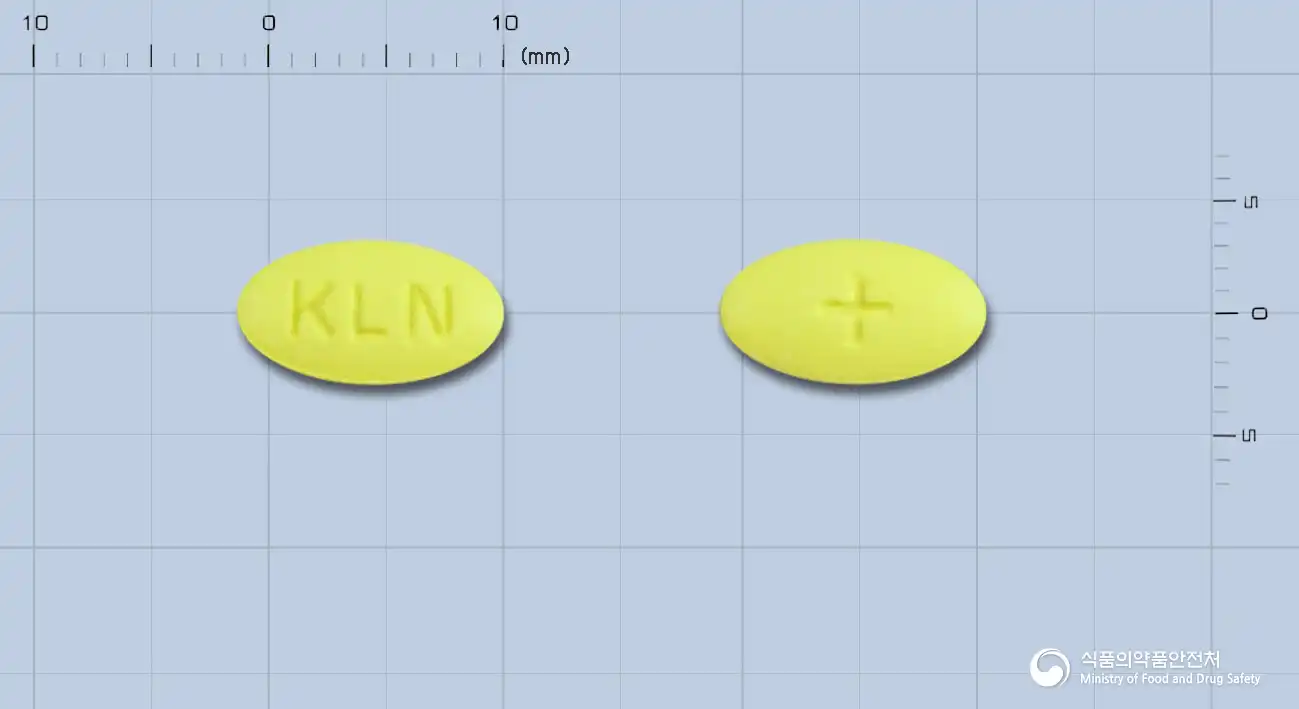 Combination
Losartan Potassium 50mg · Hydrochlorothiazide 12.5mg
Tablet · Prescription medication · Combination
Kolon Pharmaceutical Co., Ltd.
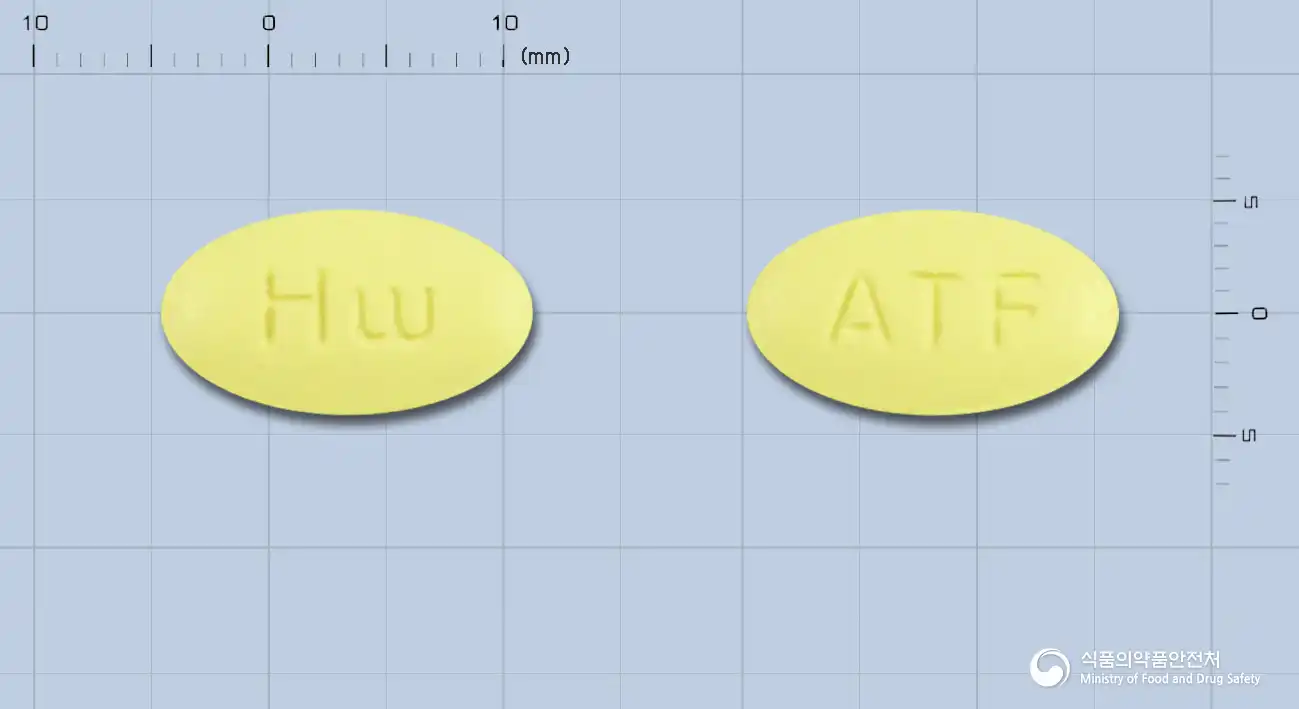 Combination
Losartan Potassium 100mg · Hydrochlorothiazide 25mg
Tablet · Prescription medication · Combination
NBK Pharmaceutical Co., Ltd.
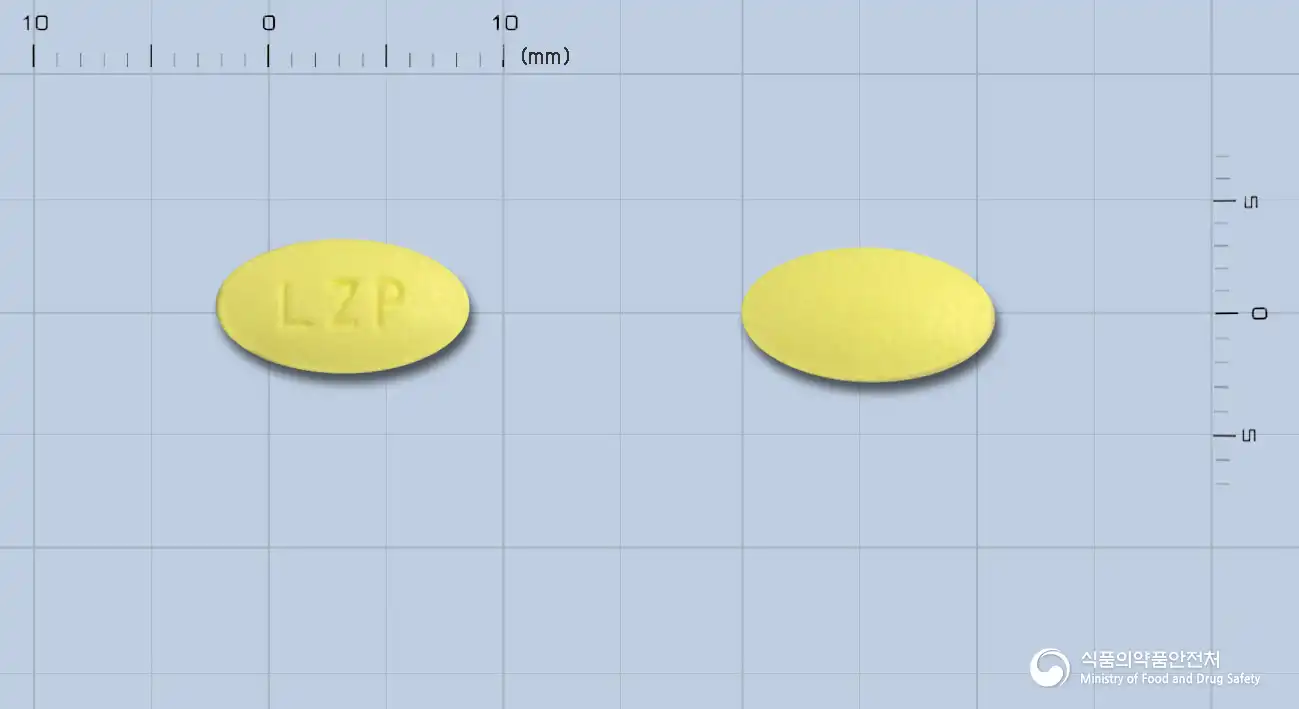 Combination
Losartan Potassium 50mg · Hydrochlorothiazide 12.5mg
Tablet · Prescription medication · Combination
Dongkwang Pharmaceutical Co., Ltd.
Even with the same ingredient, the dose and directions can differ by strength and dosage form. Talk to a doctor or pharmacist before switching from a medication you are already taking.
No questions yet.
For anything that needs medical judgment, consult a doctor or pharmacist.
This drug information is based on data provided by the Korea Ministry of Food and Drug Safety.
Consult a doctor or pharmacist for accurate dosage, administration, and usage instructions.