
 한국어
 English
 日本語
 中文(简体)
Dosage form image
Viewing nowBoryeong Pilocarpine Tablets (Pilocarpine Hydrochloride)
Pilocarpine Hydrochloride 5mg
Tablet · Prescription medication
Boryeong Co., Ltd.
MFDS item code 201310113 · Approved 2013.11.13
This product's status changed to Expired on 2023.11.13. It may no longer be sold, so consult a doctor or pharmacist before taking it.
Treatment of xerostomia after head and neck radiotherapy and oral and ocular dryness associated with Sjögren's syndrome
This medication is used to treat xerostomia resulting from salivary gland function impairment after radiotherapy in patients with head and neck cancer. It is also effective in alleviating xerostomia and dry eyes experienced by patients with Sjögren's syndrome. This improves the dryness of patients' mouths and eyes, thus enhancing their quality of life.
1) Patients with head or neck cancer As the initial dose, administer 1 tablet (5㎎) orally 3 times daily. The usual daily dose is 3~6 tablets (15~30㎎; 2 tablets per dose). A beneficial response is observed when administered as maintenance therapy for at least 12 weeks, even if improvement occurred early in treatment. In general, the incidence of adverse effects increases as the dose is increased. Use the lowest dose that is tolerated and effective as the maintenance dose. 2) Patients with Sjögren's syndrome Administer 1 tablet orally 4 times daily for 6 weeks.
This medication should be used with caution under strict medical observation in patients with severe cardiovascular diseases as it may cause abnormal blood flow or heart rhythm. When using this medication in the eyes, especially for night driving or in patients who have had vision correction, there may be blurred vision or visual disturbances, so caution is advised when driving at night or performing hazardous tasks in dark places. Increased airway resistance and heightened tension of bronchial smooth muscle may occur, so patients with asthma, chronic bronchitis, or chronic obstructive pulmonary disease should use it under medical supervision. Patients with asthma, hypersensitivity to the drug, acute iritis, or closed-angle glaucoma, as well as those with lactose intolerance or related genetic disorders, should not use this medication. This medication can cause various adverse reactions, including sweating, nausea, diarrhea, headache, visual disturbances, blood pressure changes, and skin rashes. If any unusual symptoms occur, consult a physician immediately. Patients suspected of having gallstones or biliary diseases should use it with caution due to the risk of problems with the gallbladder or bile ducts, and those with kidney stone disease should also be careful as renal colic may worsen. This medication can affect the central nervous system, so patients with mental disorders or cognitive impairment should use it based on physician judgment. Visual disturbances may occur during use so risky activities such as night driving or operating machinery should be avoided. Caution is needed for dehydration risk in patients who cannot maintain adequate fluid intake or who experience excessive sweating. Patients with moderate or severe liver dysfunction should start with a lower initial dose, and it is not recommended for patients with severe liver impairment. Patients with heart conduction disorders or those taking certain heart medications should exercise caution when using this drug, and co-administration with other parasympathetic agents may enhance or antagonize the effect. During pregnancy, this medication may pose a risk to the fetus, so it should only be used after consulting a physician if the benefits outweigh the risks. Nursing mothers should also consider discontinuing the drug or breastfeeding due to the possibility of excretion in breast milk. The safety and efficacy in pediatric patients have not been verified, so it is advisable not to use it in children. Elderly patients may experience increased blood concentrations of the drug and a heightened risk of side effects, so caution is advised. Severe side effects can occur with overdose, so immediate medical attention is required for appropriate treatment. This medication should be kept out of reach of children, and transferring it to another container could lead to degradation in quality or risk of accidents.
Not everyone experiences these, and they can vary from person to person.
This medication should be stored in a tightly sealed container to protect it from air and moisture. It is important to maintain the storage temperature between 1 to 30 degrees Celsius to preserve the drug's efficacy and safety over time.
White, round, film-coated tablets with both sides convex
30 tablets/bottle, 100 tablets/bottle
Even with the same ingredient, strength, dosage form and how it is taken can differ.
Pilocarpine Hydrochloride 5mg
Tablet · Prescription medication
Boryeong Co., Ltd.
Pilocarpine Hydrochloride 20mg
Eye drops · Prescription medication
Samil Pharmaceutical Co., Ltd.
Pilocarpine Hydrochloride 20mg
Solution · Prescription medication
Korea Novartis Co., Ltd.
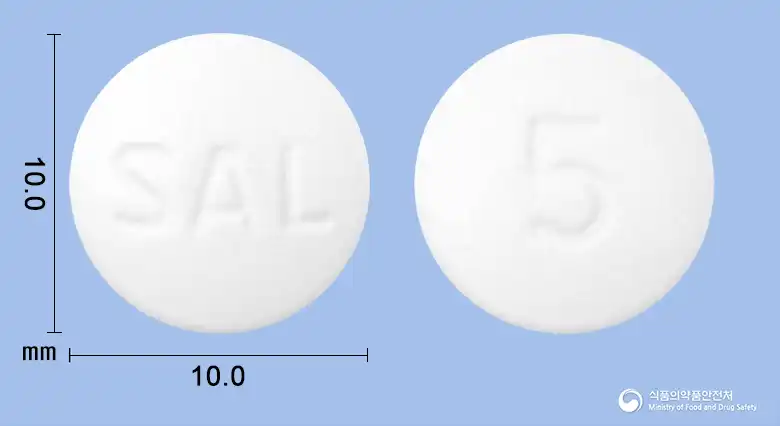
Pilocarpine Hydrochloride 5mg
Tablet · Prescription medication
Korea Ezij (Co., Ltd.)
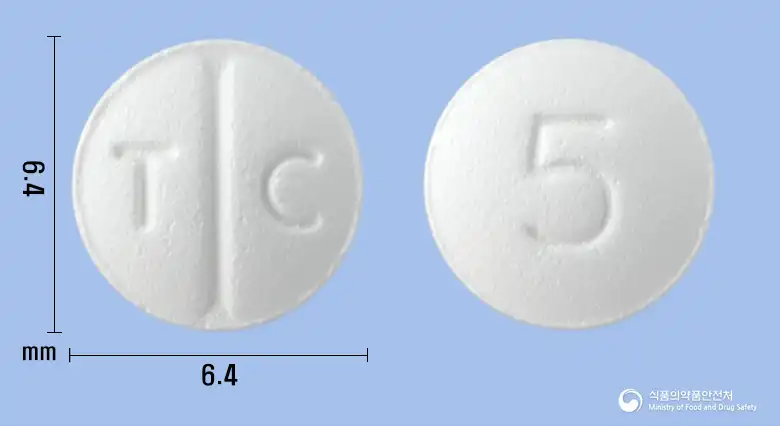
Pilocarpine Hydrochloride 5mg
Tablet · Prescription medication
CTC Bio, Inc.
Pilocarpine Hydrochloride 10mg
Eye drops · Prescription medication
Daewoo Pharmaceutical Co., Ltd.
Even with the same ingredient, the dose and directions can differ by strength and dosage form. Talk to a doctor or pharmacist before switching from a medication you are already taking.
No questions yet.
For anything that needs medical judgment, consult a doctor or pharmacist.
This drug information is based on data provided by the Korea Ministry of Food and Drug Safety.
Consult a doctor or pharmacist for accurate dosage, administration, and usage instructions.