
 한국어
한국어 English
 日本語
日本語 中文(简体)
 Viewing now
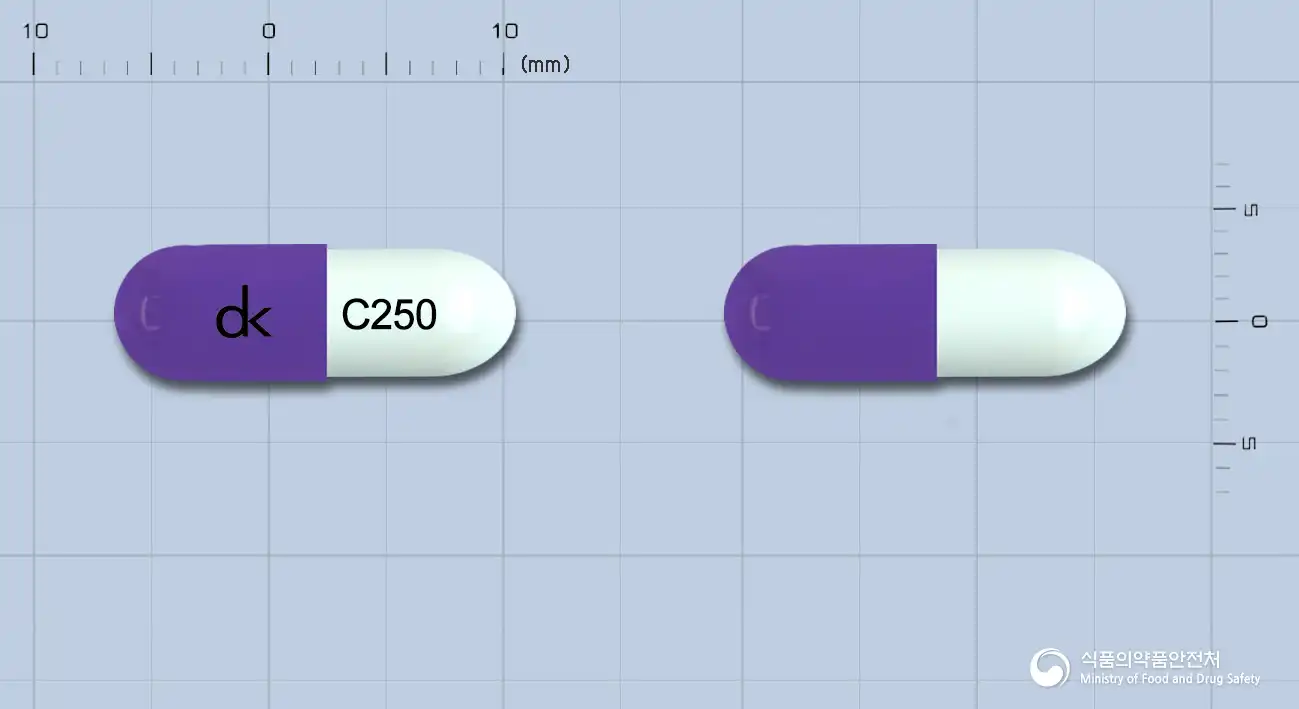
Bicycler Capsule (Cefaclor Hydrate)
Cefaclor Hydrate 250mg
Hard capsule · Prescription medication
Dongkuk Pharmaceutical Co., Ltd.
MFDS item code 201310013 · Approved 2013.11.04 · Insurance code 653402900
Treatment of respiratory and urinary tract infections such as otitis media and pneumonia.
This medication is effective against various bacterial infections including Streptococcus pneumoniae, influenza bacillus, Staphylococcus, Escherichia coli, and others. It is mainly indicated for treatment of respiratory infections such as otitis media, pneumonia, pharyngitis, tonsillitis, and bronchitis. It is also effective against urinary tract infections including pyelonephritis, cystitis, and gonococcal urethritis. Additionally, it is used for skin and soft tissue infections such as boils, abscesses, folliculitis, soft tissue infections, infectious gangrene, subcutaneous abscess, mancob, and wound infections. In summary, it is widely used for treating respiratory, urinary, and skin infections caused by various bacteria.
As cefaclor, administer 250mg (potency) orally every 8 hours. In cases of severe infections (such as pneumonia) and low susceptibility infections, the dosage can be doubled. For acute gonococcal urethritis, administer 3g of this medication with 1g of probenecid as a single dose.
Administer 20mg (potency) per Kg of body weight divided every 8 hours. In cases of severe infections, otitis media, and infections with low susceptibility, 40mg (potency) per Kg of body weight can be administered, with a maximum dosage of
This medication is an antibiotic that kills bacteria by binding to specific proteins and interfering with bacterial cell wall synthesis. This medication should not be used in patients who have previously experienced severe allergic reactions or shock due to this medication or cephalosporin antibiotics. Additionally, caution should be exercised in patients with a history of allergic reactions to penicillin antibiotics or those with a predisposition to allergies such as asthma, rash, or hives. Patients with severe renal impairment, those who have difficulty swallowing, elderly patients, and those with poor overall health should be closely monitored during administration, as vitamin K deficiency symptoms may occur. Caution is also advised in patients with gastrointestinal disorders, particularly those with a history of colitis. This medication may rarely cause severe allergic reactions such as shock or anaphylaxis; if symptoms occur during administration, discontinue immediately and seek appropriate treatment. Severe skin reactions may occur, so if rash, blisters, or skin peeling appears, discontinue administration immediately and consult a physician. Blood tests may show leukopenia, anemia, or thrombocytopenia, necessitating regular testing and monitoring. Liver dysfunction or renal impairment may also occur, so periodic liver and kidney function tests should be performed, and administration should be stopped if abnormalities are discovered. Gastrointestinal symptoms such as diarrhea, abdominal pain, and vomiting may occur, and in severe cases, pseudomembranous colitis may develop, so consult a physician if symptoms worsen. Respiratory symptoms such as interstitial pneumonia or eosinophilic lung infiltration may rarely occur; if difficulty breathing or persistent coughing develops, discontinue use and seek treatment. Central nervous system side effects may include anxiety, agitation, dizziness, or drowsiness; thus, symptoms should be monitored. Alterations in flora such as stomatitis or candidiasis may rarely occur. This medication may cause vitamin K deficiency symptoms; therefore, caution regarding bleeding tendencies is advised, and vitamin supplementation may be necessary if required. When using this medication, susceptibility testing should be conducted to prevent the development of resistant bacteria, and it should be administered for only the minimum necessary duration. There may be interaction when used in combination with other antibiotics, especially when used with drugs that affect the kidneys; careful monitoring is required. When used with anticoagulants, the risk of bleeding may increase, therefore, regular blood coagulation status checks should be made, and dosage adjustments may be necessary. The effectiveness of oral contraceptives may be reduced when used together, so it is advisable to use alternate methods of contraception. Women who are pregnant or breastfeeding should use this medication cautiously, as its safety has not been adequately established based on a physician's judgment. Caution is warranted in newborns, particularly those under 1 month of age, as the safety and efficacy of this medication in this population have not been established. In elderly patients, due to diminished physiological function, adverse reactions may occur more easily, thus dosages and intervals should be adjusted, and overall condition should be closely monitored. During the use of this medication, false positive results may appear in urine tests; therefore, caution is advised in interpreting test results.
Not everyone experiences these, and they can vary from person to person.
This medication should be stored at room temperature, and it is important to keep it in a tightly sealed container to prevent air from entering. This helps maintain the effectiveness of the medication and prevent deterioration.
A hard capsule with a purple upper part and a white lower part containing a yellowish powder.
30 capsules/bottle, 300 capsules/bottle
Even with the same ingredient, strength, dosage form and how it is taken can differ.
Viewing nowCefaclor Hydrate 250mg
Hard capsule · Prescription medication
Dongkuk Pharmaceutical Co., Ltd.

Cefaclor Hydrate 250mg
Hard capsule · Prescription medication
Ildong Pharmaceutical Co., Ltd.
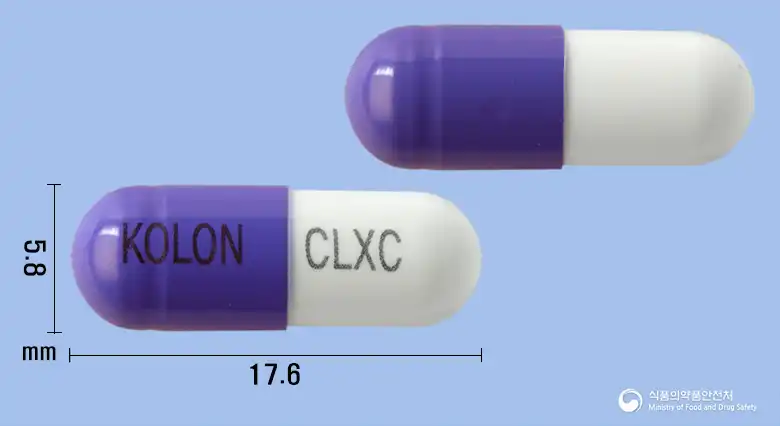
Cefaclor Hydrate 250mg
Hard capsule · Prescription medication
Kolon Pharmaceutical Co., Ltd.
Cefaclor Hydrate 3.75g
Syrup · Prescription medication
Youngjin Pharmaceutical Co., Ltd.

Cefaclor Hydrate 250mg
Hard capsule · Prescription medication
Shinil Pharmaceutical Co., Ltd.
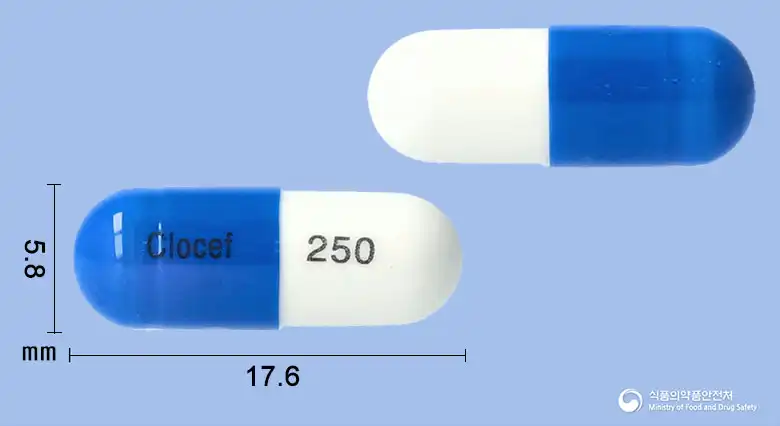
Cefaclor Hydrate 250mg
Hard capsule · Prescription medication
Hanmi Pharmaceutical Co., Ltd.
Cefaclor Hydrate 2.5g
Syrup · Prescription medication
Hanmi Pharmaceutical Co., Ltd.
Cefaclor Hydrate 3.75g
Syrup · Prescription medication
Shinpoong Pharmaceutical Co., Ltd.
Even with the same ingredient, the dose and directions can differ by strength and dosage form. Talk to a doctor or pharmacist before switching from a medication you are already taking.
No questions yet.
For anything that needs medical judgment, consult a doctor or pharmacist.
This drug information is based on data provided by the Korea Ministry of Food and Drug Safety.
Consult a doctor or pharmacist for accurate dosage, administration, and usage instructions.