
 한국어
 English
 日本語
 中文(简体)
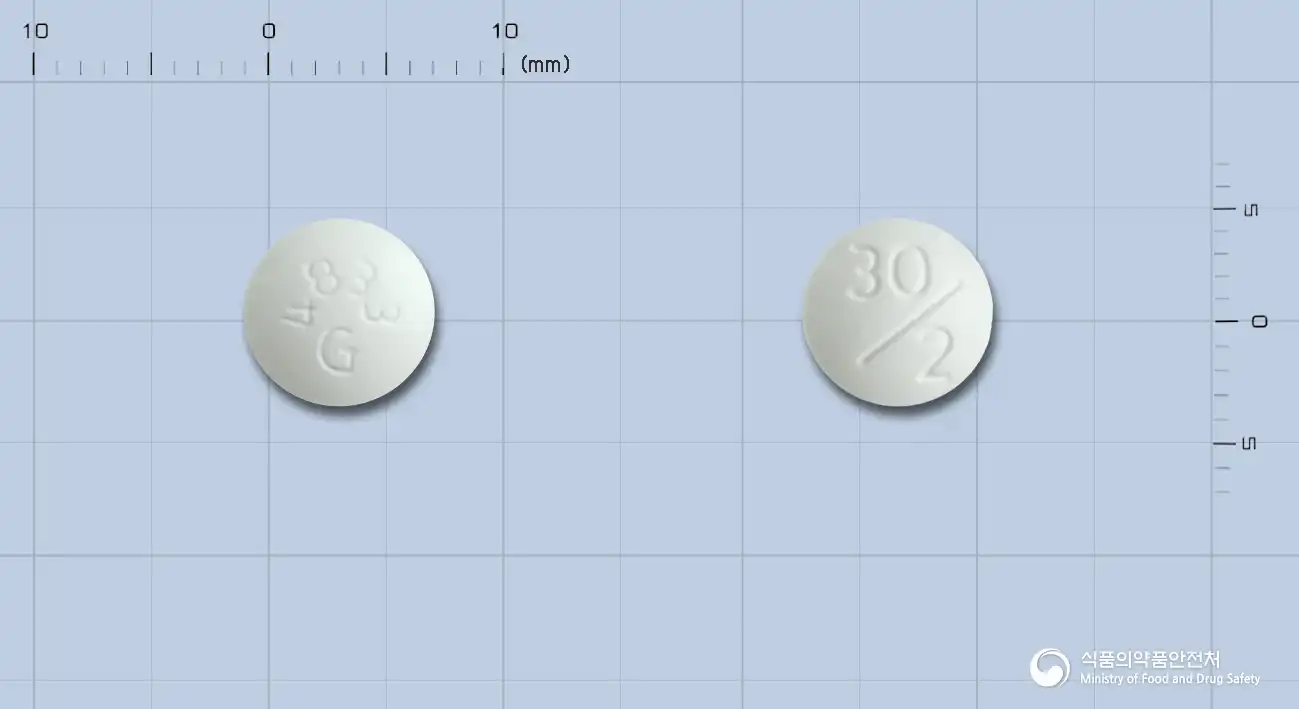 Viewing nowCombination
Actosril Tablets 30/2 mg
Pioglitazone Hydrochloride 33.06mg · Glimepiride 2mg
Tablet · Prescription medication · Combination
Celltrion Pharmaceutical Co., Ltd.
MFDS item code 201309844 · Approved 2013.10.21 · Insurance code 693903490
Improvement of glycemic control in patients with type 2 diabetes mellitus
This medication is used to improve blood sugar control in patients with type 2 diabetes. The effects are enhanced when taken together with lifestyle modifications such as dietary control and exercise. The combination of glimepiride and pioglitazone works together to reliably lower blood sugar levels. This helps those who struggle with blood sugar management. Therefore, this medication plays an essential role in the treatment of type 2 diabetes.
The dose of this drug should be individualized based on the patient's efficacy and tolerability. Take this drug once daily with breakfast. 1. Patients whose blood glucose is not adequately controlled with glimepiride monotherapy: The dose should be based on the patient's current glimepiride dose. Considering the initial concomitant dose of pioglitazone (15mg per day), pioglitazone 15mg may be administered with glimepiride. After assessing the adequacy of the treatment response, this drug may be administered once daily as a pioglitazone/glimepiride 30mg/2mg or 30mg/4mg tablet. 2. Patients switching to this drug from concomitant therapy with pioglitazone and glimepiride: Based on the patient's existing doses of pioglitazone and glimepiride, this drug may be administered at the same dose as a 30mg/2mg or 30mg/4mg tablet. Maximum recommended dose This drug is an oral formulation containing 30mg pioglitazone + 2mg glimepiride or 30mg pioglitazone + 4mg glimepiride. The maximum daily dose of pioglitazone is 30mg, and the maximum daily dose of glimepiride is 8mg. Failure to follow the appropriate dosage regimen may cause hypoglycemia. The initial dose of this drug should be based on the patient's current pioglitazone and/or sulfonylurea therapy. Patients sensitive to glucose-lowering agents should be closely monitored during dose adjustment. After starting this drug, closely monitor for adverse reactions associated with fluid retention. Changes in diabetes treatment may affect glycemic control, so use caution and ensure appropriate monitoring. After switching to this drug, closely monitor for hypoglycemia for 1-2 weeks. Allow sufficient time to assess the adequacy of the treatment response. Ideally, the response to treatment should be assessed using glycated hemoglobin (HbA1c), which is a better indicator of long-term glycemic control than fasting plasma glucose (FPG). HbA1c reflects blood glucose levels over the preceding 2-3 months. In clinical use of this drug, if glycemic control measured by FPG has not worsened, administration for an appropriate period (8-12 weeks) to assess changes in HbA1c is recommended. In patients with type 2 diabetes and systolic dysfunction, prescribe the lowest dose of this drug only if pioglitazone has been safely tolerated after titration from 15mg to 30mg. If further dose adjustments are required, closely monitor the patient for weight gain, edema, or signs and symptoms of worsening congestive heart failure (CHF).
This medication is used in the treatment of type 2 diabetes. It may put a strain on the heart, so it should not be used in patients with heart failure or severe heart conditions. Additionally, if you experience rapid weight gain, shortness of breath, or swelling in your legs while taking this medication, you should consult your doctor immediately. While this medication lowers blood sugar levels, caution is needed when used alongside insulin, as it can increase the risk of hypoglycemia. Symptoms of hypoglycemia include dizziness, cold sweats, and severe fatigue; if these symptoms occur, prompt action is necessary. It can affect liver function, so liver function tests should be conducted regularly before and during treatment. If liver function worsens, use of this medication may need to be discontinued. For women, this medication may induce ovulation, increasing the risk of pregnancy; therefore, appropriate contraceptive measures should be taken. Women who are pregnant or planning to become pregnant must consult their doctor. This medication should not be used in patients with a history of bladder cancer or active bladder cancer, and any symptoms such as blood in urine or pain during urination should be reported to a doctor immediately. Elderly patients or those with decreased kidney function have a higher risk of hypoglycemia, so dose adjustments and monitoring are necessary. Additionally, this medication may interact with other drugs, so if you are taking other medications, you must inform your doctor or pharmacist. It is essential to follow the prescribed method of administration and dosage while receiving regular blood sugar checks and health assessments during the use of this medication.
Not everyone experiences these, and they can vary from person to person.
This medication may be sensitive to air and moisture; therefore, it should be stored in a tightly sealed container. The optimal storage temperature is at room temperature between 1 to 30 degrees Celsius.
White to grayish-white, convex round tablets
28 tablets (14 tablets/PTP packaging x 2)
Even with the same ingredient, strength, dosage form and how it is taken can differ.
Viewing nowCombinationPioglitazone Hydrochloride 33.06mg · Glimepiride 2mg
Tablet · Prescription medication · Combination
Celltrion Pharmaceutical Co., Ltd.
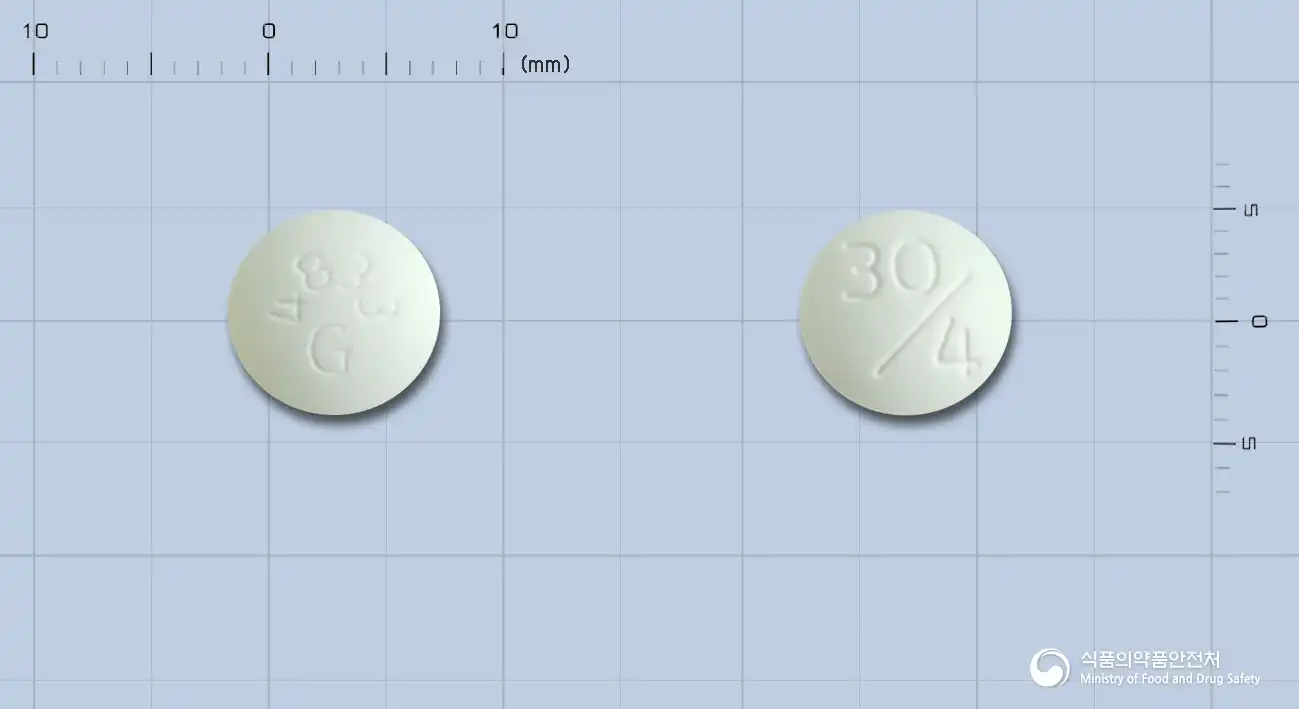 Combination
Pioglitazone Hydrochloride 33.06mg · Glimepiride 4mg
Tablet · Prescription medication · Combination
Celltrion Pharmaceutical Co., Ltd.
Even with the same ingredient, the dose and directions can differ by strength and dosage form. Talk to a doctor or pharmacist before switching from a medication you are already taking.
No questions yet.
For anything that needs medical judgment, consult a doctor or pharmacist.
This drug information is based on data provided by the Korea Ministry of Food and Drug Safety.
Consult a doctor or pharmacist for accurate dosage, administration, and usage instructions.