
 한국어
한국어 English
 日本語
日本語 中文(简体)
 Viewing now
Eperilm Tablet (Eperisone Hydrochloride)
Eperisone Hydrochloride 50mg
Tablet · Prescription medication
Mothers Pharmaceuticals Co., Ltd.
MFDS item code 201309808 · Approved 2013.10.18 · Insurance code 622801590
Treatment of musculoskeletal diseases (painful muscle spasms) and neurological diseases (spastic paralysis)
This medication is used to relieve pain and muscle spasms related to musculoskeletal diseases. It is helpful for conditions such as shoulder-hand syndrome, periarthritis of the shoulder, and low back pain. It is also effective in improving symptoms of spastic paralysis due to neurological diseases, including cerebrovascular disorders, sequelae of spinal cord injury, cerebral palsy, and spastic spinal cord lesions. This medication relaxes muscle tension and alleviates pain, providing comfort in patients' daily lives. Therefore, it is used for the treatment of muscle rigidity and pain associated with musculoskeletal and neurological diseases.
Eperisone hydrochloride: 50mg per dose, taken orally three times daily after meals. Adjust dosage as appropriate according to age and symptoms.
This medication should not be administered to specific patients. First, those who have had an allergic reaction to this medication in the past should not take it. Furthermore, patients with severe muscle weakness should refrain from using this medication. This product contains lactose, so patients with genetic disorders causing lactose intolerance should also avoid it. Caution is advised when using this medication. Patients with a history of drug allergies should use it carefully. Patients with liver function issues should be cautious as this medication may worsen liver function. Serious side effects may appear rarely while taking this medication. For example, shock can occur, so symptoms should be closely monitored, and if abnormal symptoms arise, the medication should be discontinued immediately and appropriate treatment sought. Liver enzyme levels may rise, and kidney function issues can develop, necessitating regular testing. Allergic reactions such as blood abnormalities, skin rashes, and itching may also occur. Moreover, neurological symptoms such as insomnia, drowsiness, headaches, limb numbness, and muscle cramps have been reported. Gastrointestinal issues including nausea, vomiting, loss of appetite, and abdominal pain should also be monitored. Urinary issues or generalized weakness, along with dizziness, may occur infrequently. Serious skin reactions, such as Stevens-Johnson syndrome, necessitate immediate discontinuation of the medication and a visit to a hospital. Drowsiness or decreased concentration may occur while taking this medication, so it is advisable to avoid hazardous activities such as driving or operating machinery. There may be interactions with other medications, so caution is advised, especially when combined with similar drugs. Women who are pregnant or may become pregnant should consult a physician before taking this medication, and nursing mothers should ideally avoid it or discontinue breastfeeding. Safety has not been adequately established for children, so caution is needed when using this medication. Elderly patients may have diminished bodily functions, thus requiring adjustment of medication dosage and caution.
Shock, anaphylactic reactions, angioedema, toxic epidermal necrolysis, and mucosal-skin-eye syndrome (Stevens-Johnson syndrome), liver dysfunction (ALT, AST, ALP elevation), proteinuria, increased BUN, anemia.
Not everyone experiences these, and they can vary from person to person.
This medication should be stored in a tightly sealed container to prevent air from entering, at a temperature between 1 to 30 degrees Celsius. This will help maintain the effectiveness of the medication and prevent deterioration.
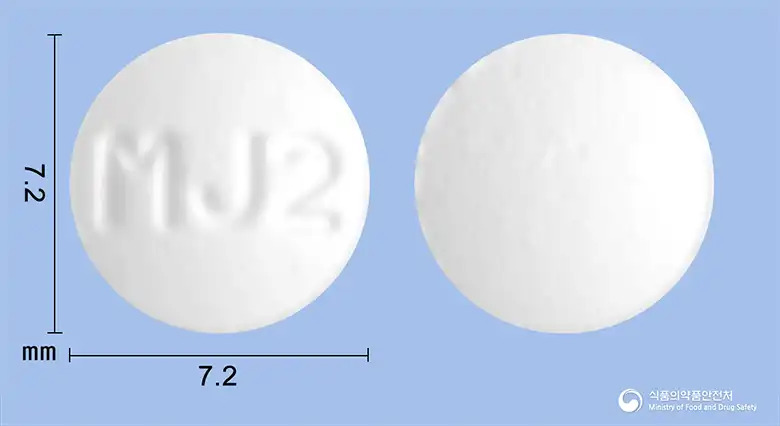
White, round film-coated tablet
30 tablets/bottle, 500 tablets/bottle
Even with the same ingredient, strength, dosage form and how it is taken can differ.
Viewing nowEperisone Hydrochloride 50mg
Tablet · Prescription medication
Mothers Pharmaceuticals Co., Ltd.
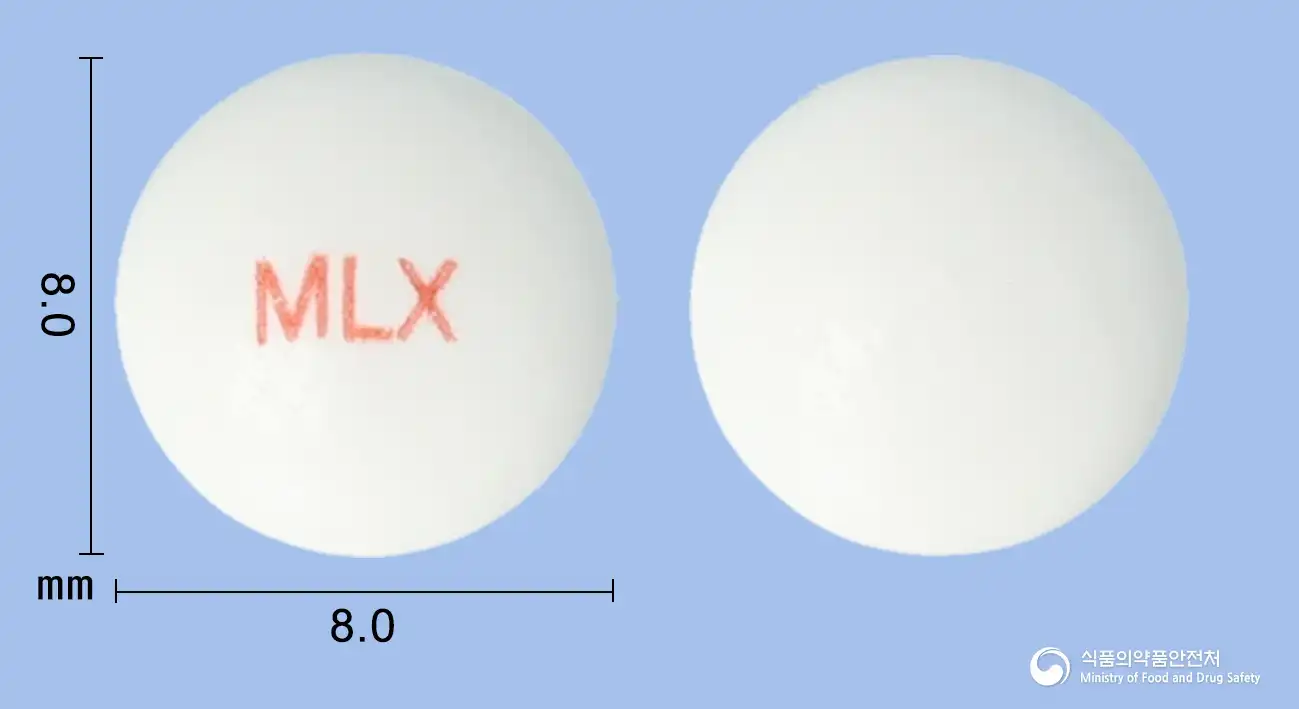
Eperisone Hydrochloride 50mg
Tablet · Prescription medication
Chodang Pharmaceutical Co., Ltd.
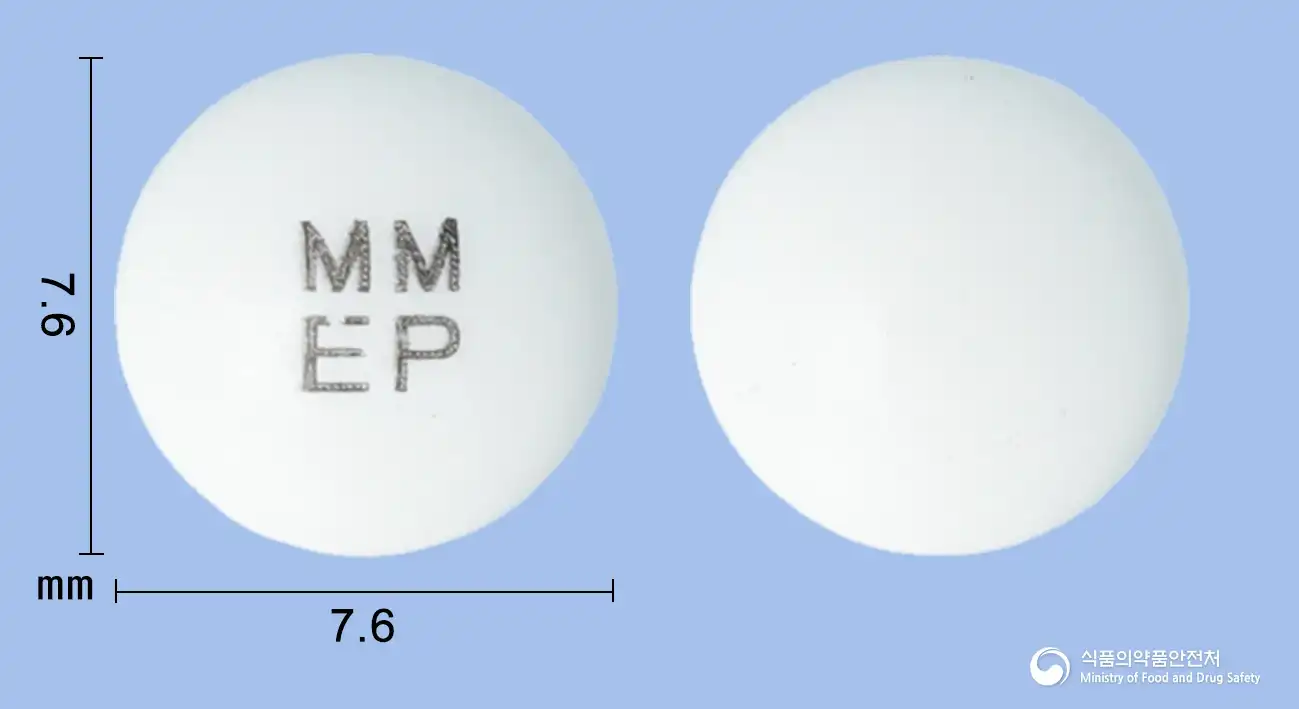
Eperisone Hydrochloride 50mg
Tablet · Prescription medication
Myeongmun Pharmaceutical Co., Ltd.
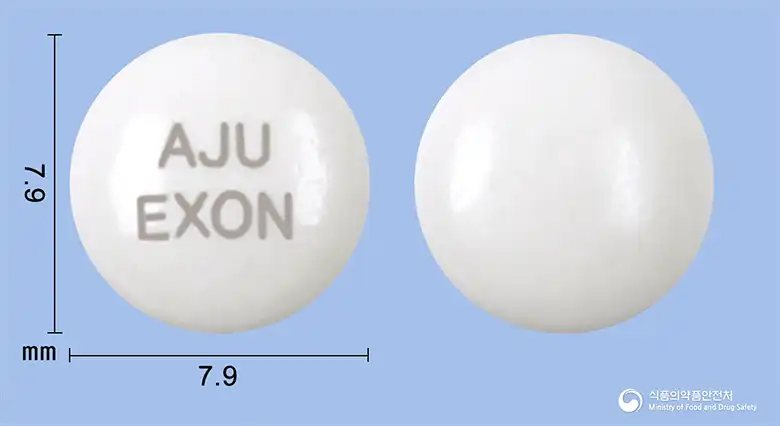
Eperisone Hydrochloride 50mg
Prescription medication
Aju Pharmaceutical Co., Ltd.
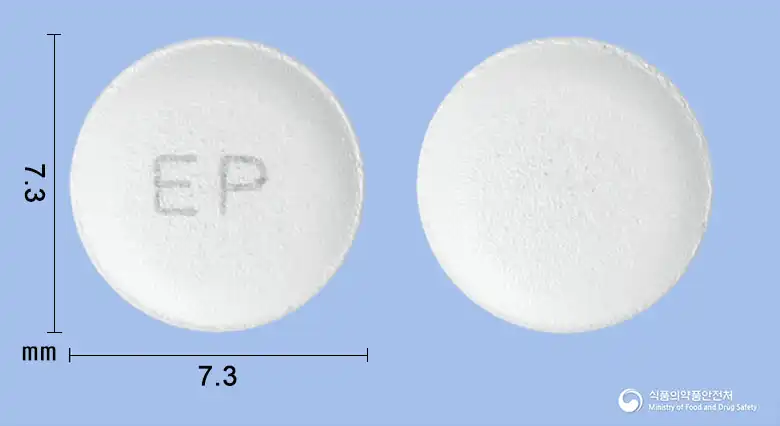
Eperisone Hydrochloride 50mg
Tablet · Prescription medication
Daewoo Pharmaceutical Co., Ltd.
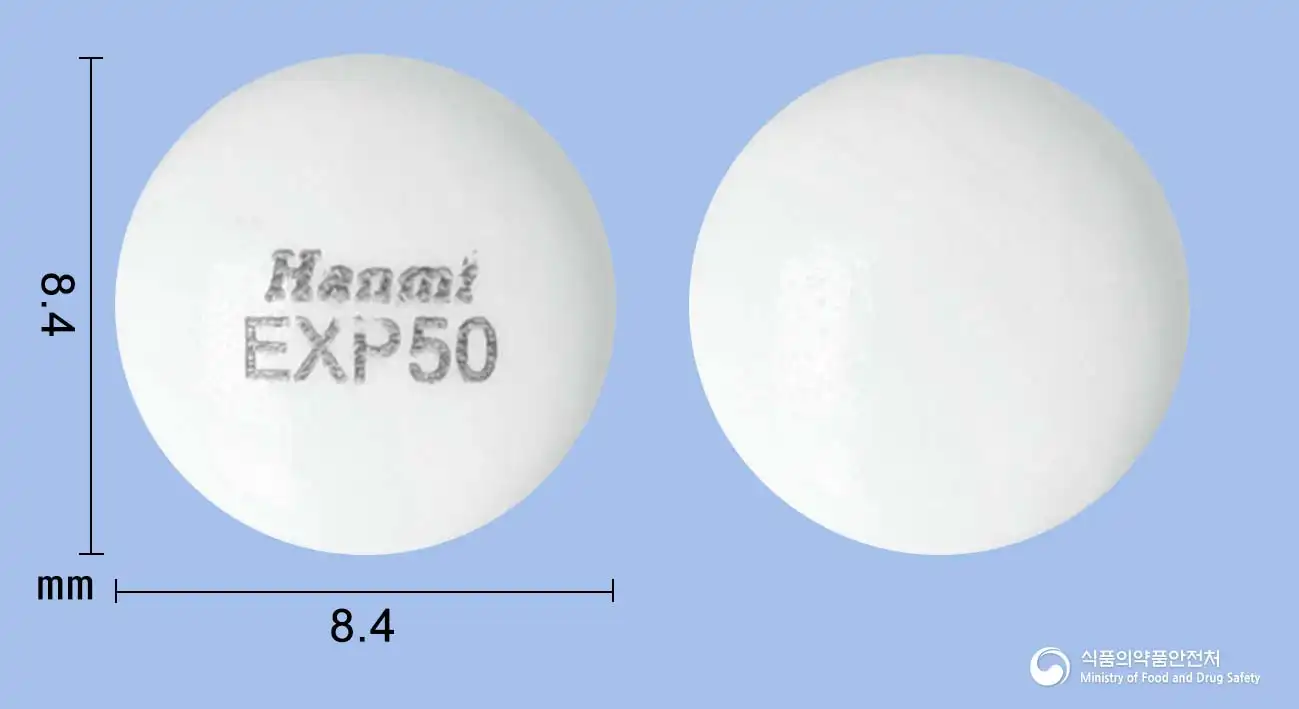
Eperisone Hydrochloride 50mg
Prescription medication
Hanmi Pharmaceutical Co., Ltd.
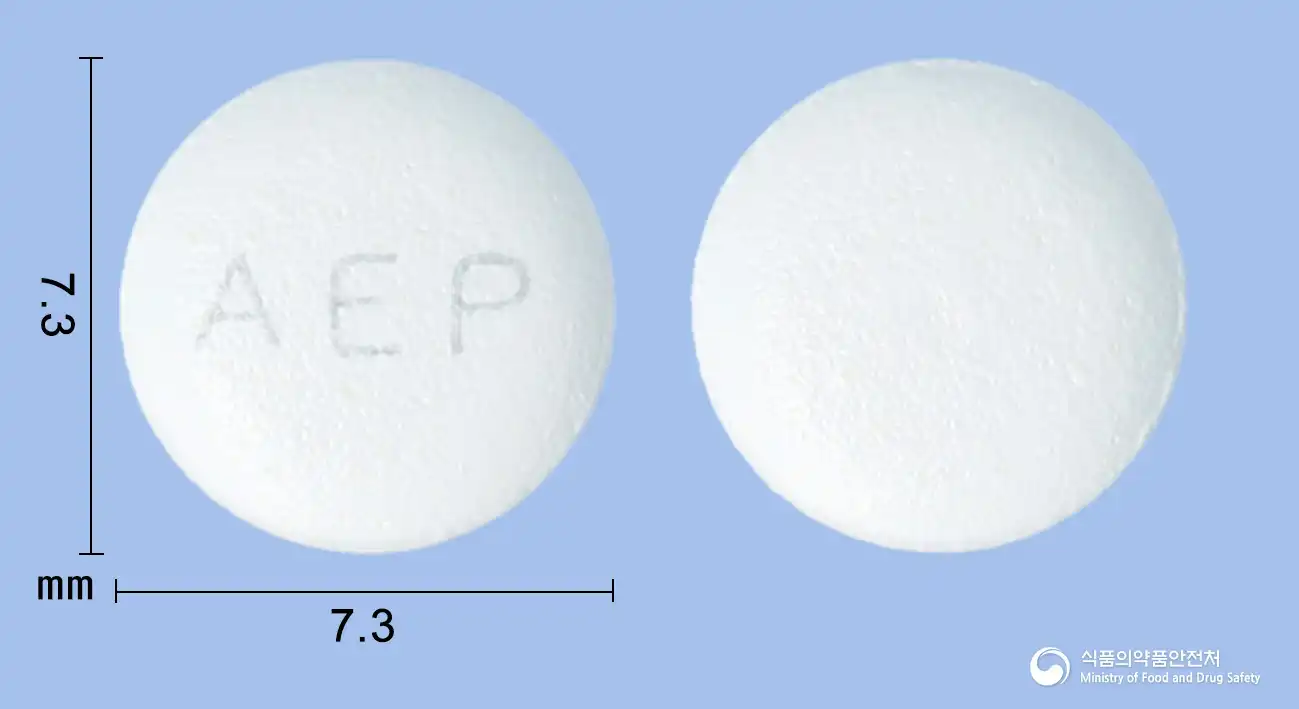
Eperisone Hydrochloride 50mg
Tablet · Prescription medication
Kyungdong Pharmaceutical Co., Ltd.
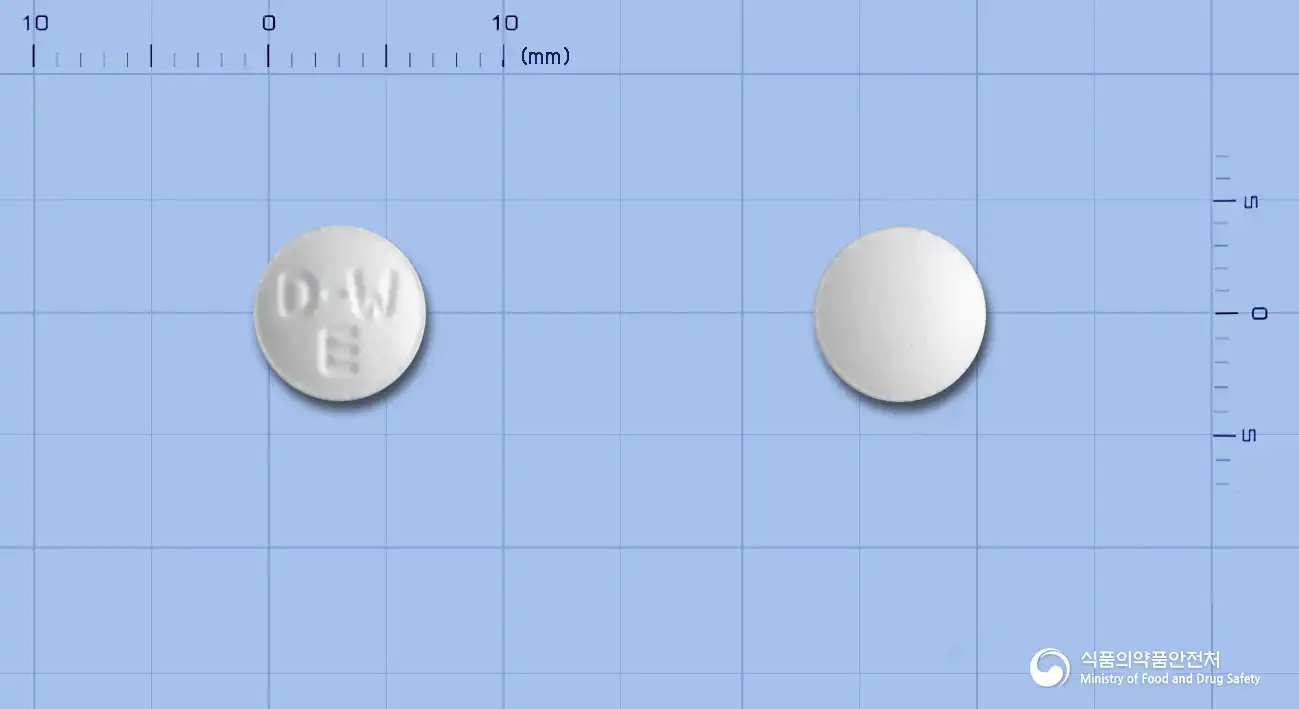
Eperisone Hydrochloride 50mg
Tablet · Prescription medication
Dongwha Pharmaceutical Co., Ltd.
Even with the same ingredient, the dose and directions can differ by strength and dosage form. Talk to a doctor or pharmacist before switching from a medication you are already taking.
No questions yet.
For anything that needs medical judgment, consult a doctor or pharmacist.
This drug information is based on data provided by the Korea Ministry of Food and Drug Safety.
Consult a doctor or pharmacist for accurate dosage, administration, and usage instructions.