
 한국어
한국어 English
 日本語
日本語 中文(简体)
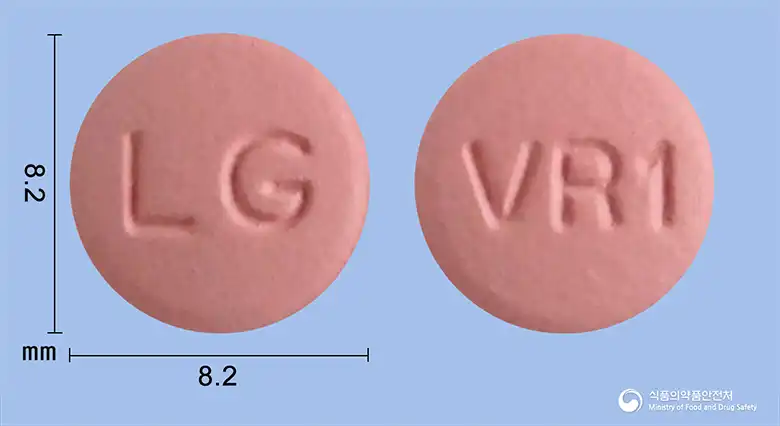 Viewing nowCombination
Rovatin Tablet 10/80 mg
Valsartan 80mg · Rosuvastatin Calcium Micronized 10.4mg
Tablet · Prescription medication · Combination
LG Chem, Ltd.
MFDS item code 201309655 · Approved 2013.10.10 · Insurance code 668902650
Treatment of hypertension and heart failure (reduction of cardiovascular disease risks)
This medication is used for patients who need to take both valsartan and rosuvastatin at the same time. First, valsartan is effective mainly for patients with essential hypertension and heart failure intolerant to ACE inhibitors, helping reduce the risk of death after myocardial infarction. Rosuvastatin is used as an adjunct to dietary therapy for patients with hypercholesterolemia and various types of dyslipidemia, and it is particularly effective in slowing the progression of atherosclerosis. Moreover, it contributes to a reduction in the risk of stroke, myocardial infarction, and arterial revascularization in patients at high risk for cardiovascular disease. Thus, this medication plays an important role in the prevention and treatment of hypertension and cardiovascular diseases, aiding in the improvement of the patient's health condition.
◆ Valsartan 1. Essential Hypertension It should be taken with water during meals or between meals. It is recommended to take it at the same time each day if possible (e.g., in the morning). Adults: 80 mg orally once daily is recommended as valsartan. For patients whose blood pressure is not well controlled, the dose may be increased to 160 mg daily or combined with a diuretic. If additional blood pressure lowering is needed, the maximum daily dose can be increased to 320 mg.
Safety and efficacy have not been established in children and adolescents under 18 years, hence it is not administered.
This medication can cause serious harm to the fetus if taken during pregnancy, especially in the second and third trimesters, so it should be stopped immediately upon confirmation of pregnancy. It should not be administered to patients with severe liver or kidney impairment, muscle disorders, or certain allergies. Elderly patients, those with high potassium levels in the blood, and patients with poor liver function should be particularly cautious when using this medication, and regular testing may be necessary. During treatment, symptoms like muscle pain, weakness, or severe fatigue may occur, and if such symptoms arise, the patient should inform their doctor immediately. This medication may interact with other drugs, so patients should inform healthcare providers about any other medications they are taking. Breastfeeding women are advised to avoid using this medication; if unavoidable, breastfeeding should be discontinued. Overdosing may result in severe hypotension or decreased consciousness, necessitating immediate medical attention. It is advisable not to use this medication in children or adolescents, as safety and efficacy have not been sufficiently established. Store this medication out of reach of children and do not transfer to other containers.
Urticaria, severe swelling (edema), chest tightness, difficulty breathing, cold sweat, pallor, severe rash with fever, blisters, skin peeling, mucosal pain in the mouth/eyes, shortness of breath or breathing difficulties, asthma attacks, respiratory disturbances associated with cough and fever, yellowing of the skin or eyes (jaundice), severe lethargy, sudden and severe headaches, lightning headaches, seizures, confusional state, visual disturbances, paralysis, urination issues
Dyspepsia, nausea, dizziness, headache, conjunctival hemorrhage, constipation, malaise, chest pain, facial swelling, peripheral edema, nasopharyngitis, urinary tract infection, contusions, increased liver amino transferase (AST, ALT) levels, increased serum creatine phosphokinase, increased serum potassium, increased gamma-glutamyl transpeptidase, musculoskeletal stiffness, limb pain, sensory loss, anxiety, upper respiratory tract infection, pharyngitis, tonsillitis, spinal stenosis, occurrence of use
Not everyone experiences these, and they can vary from person to person.
This medication is sensitive to light, so it should be stored in a container that does not allow light to enter. Additionally, to maintain the effectiveness of the medication, it is important to store it at room temperature, between 1 and 30 degrees Celsius.
Pink, round, film-coated tablets
56 tablets (14 tablets/PTP x 4)
Even with the same ingredient, strength, dosage form and how it is taken can differ.
Viewing nowCombinationValsartan 80mg · Rosuvastatin Calcium Micronized 10.4mg
Tablet · Prescription medication · Combination
LG Chem, Ltd.
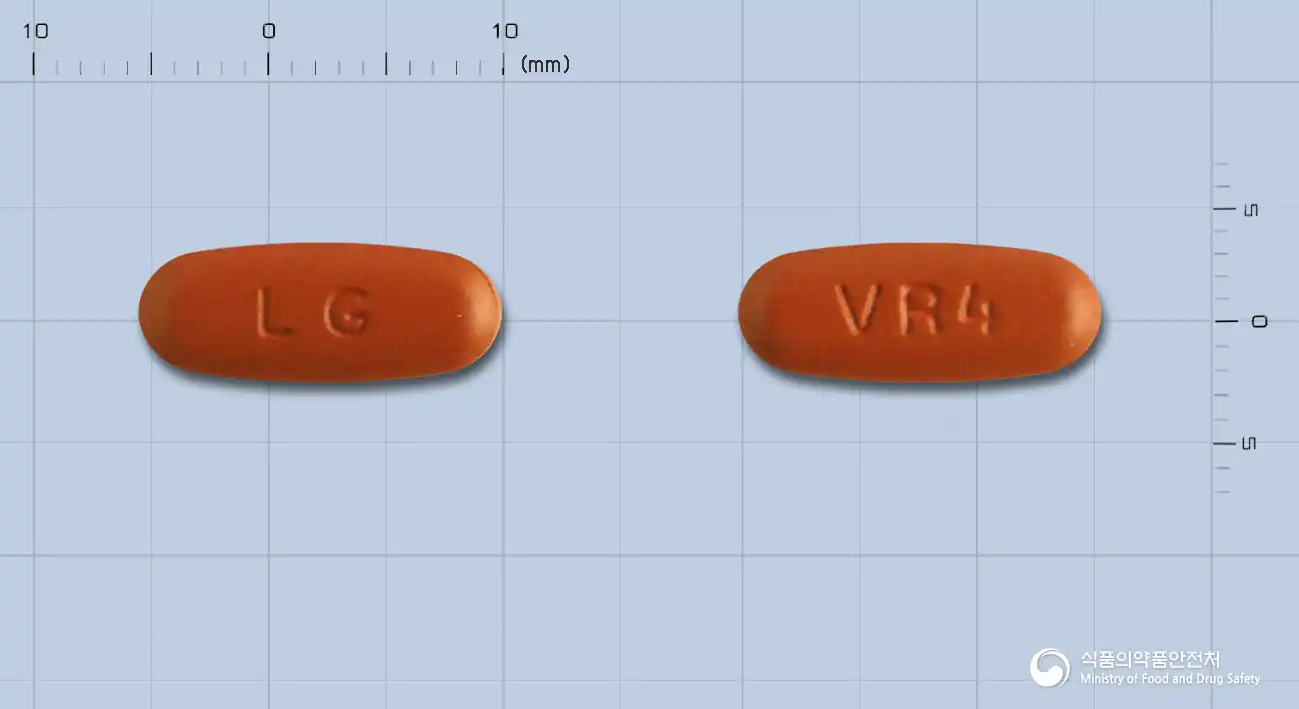 Combination
Valsartan 160mg · Rosuvastatin Calcium Micronized 20.8mg
Tablet · Prescription medication · Combination
LG Chemical Co., Ltd.
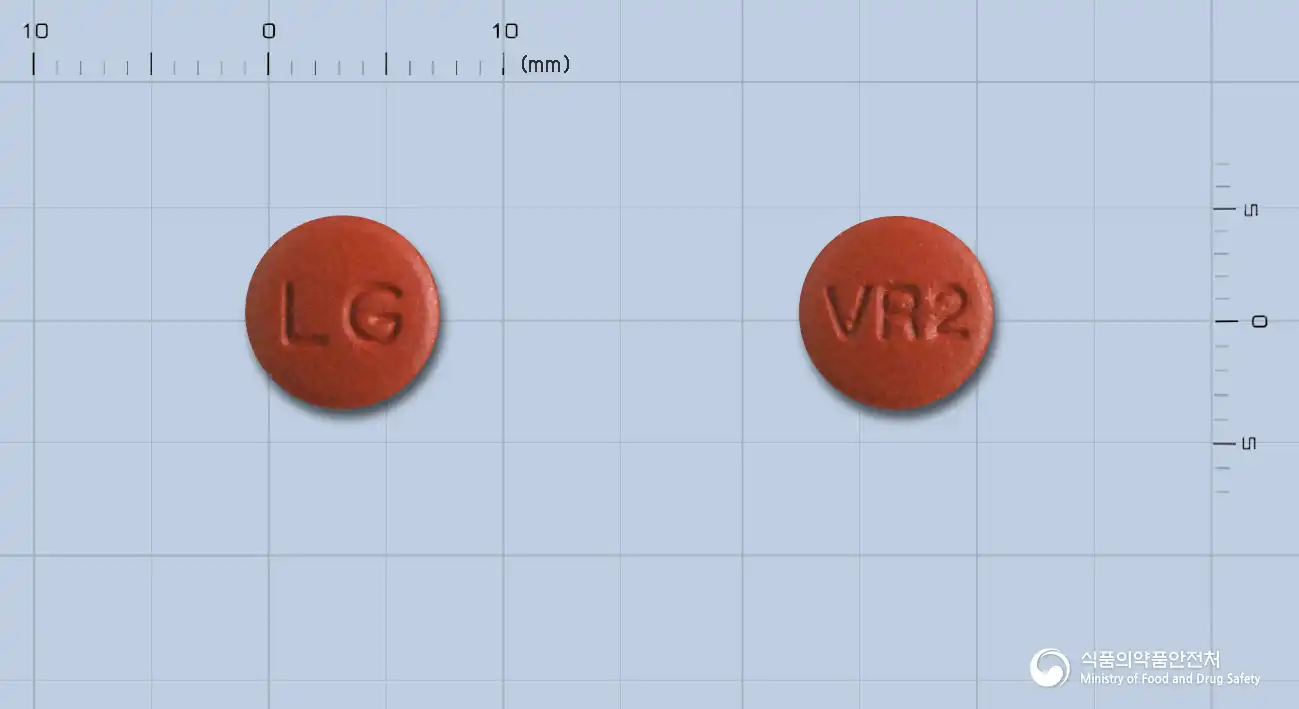 Combination
Valsartan 80mg · Rosuvastatin Calcium Micronized 20.8mg
Tablet · Prescription medication · Combination
LG Chem, Ltd.
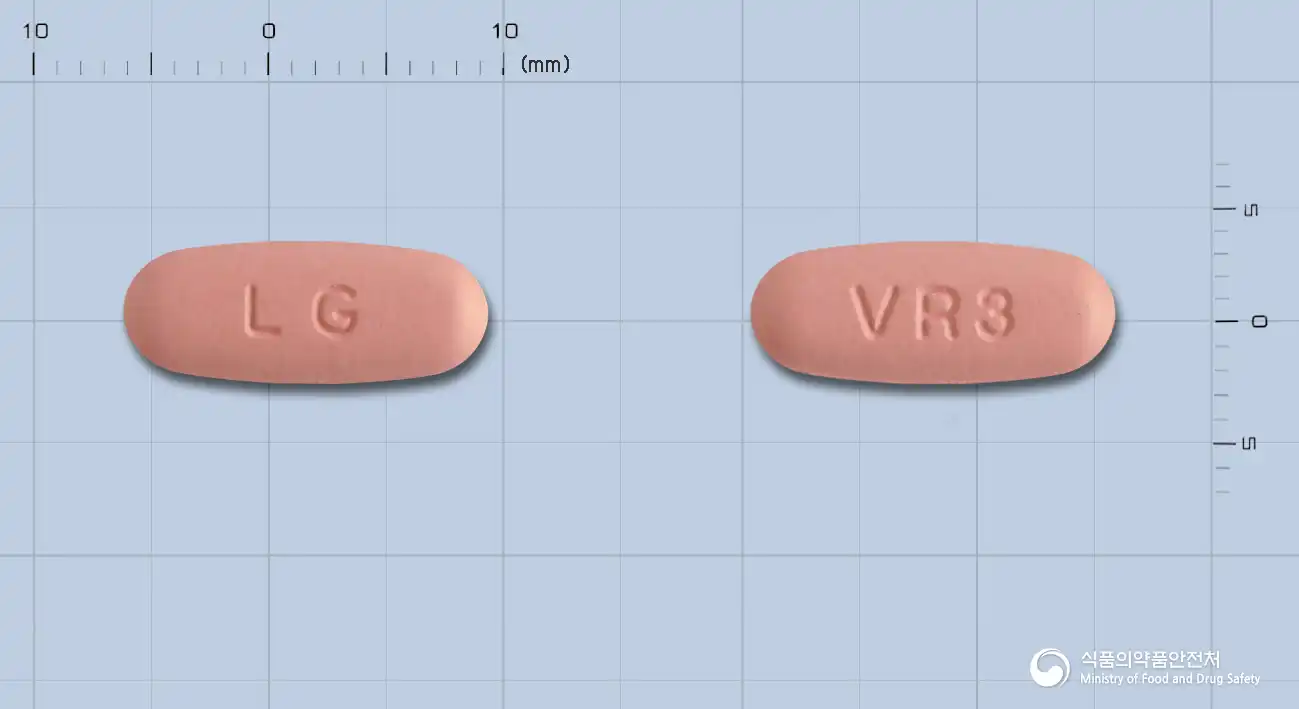 Combination
Valsartan 160mg · Rosuvastatin Calcium Micronized 10.4mg
Tablet · Prescription medication · Combination
LG Chem, Ltd.
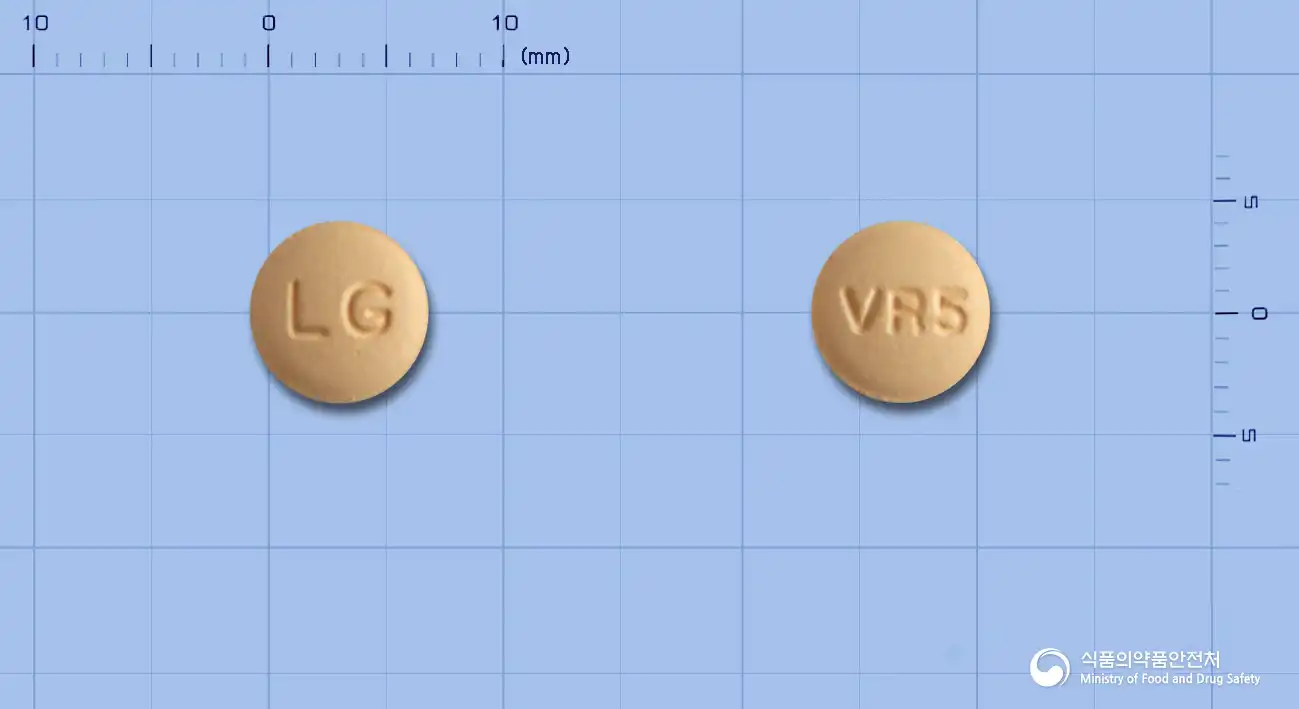 Combination
Valsartan 80mg · Rosuvastatin Calcium Micronized 5.2mg
Tablet · Prescription medication · Combination
LG Chemical Co., Ltd.
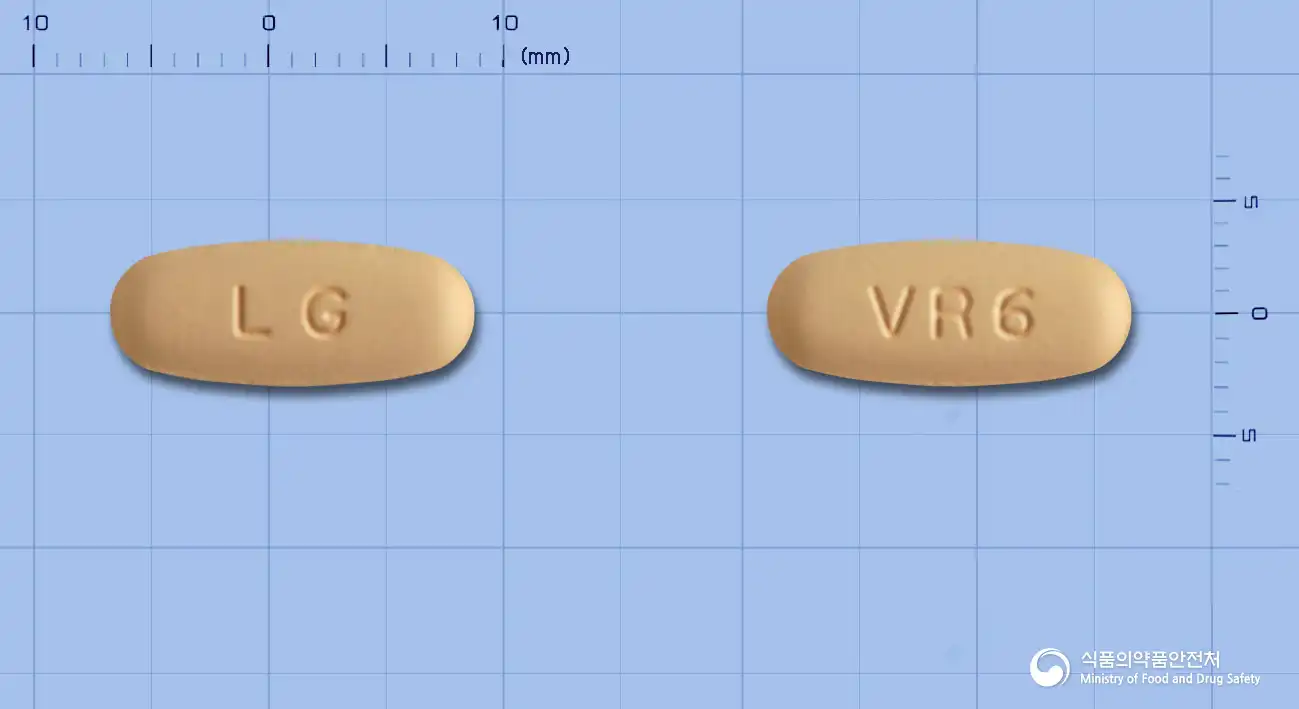 Combination
Valsartan 160mg · Rosuvastatin Calcium Micronized 5.2mg
Tablet · Prescription medication · Combination
LG Chem, Ltd.
Even with the same ingredient, the dose and directions can differ by strength and dosage form. Talk to a doctor or pharmacist before switching from a medication you are already taking.
No questions yet.
For anything that needs medical judgment, consult a doctor or pharmacist.
This drug information is based on data provided by the Korea Ministry of Food and Drug Safety.
Consult a doctor or pharmacist for accurate dosage, administration, and usage instructions.