
 한국어
 English
 日本語
 中文(简体)
 Viewing nowCombination
Rovatin Tablet 20/80 Milligrams
Valsartan 80mg · Rosuvastatin Calcium Micronized 20.8mg
Tablet · Prescription medication · Combination
LG Chem, Ltd.
MFDS item code 201309653 · Approved 2013.10.10 · Insurance code 668902670
Treatment of dyslipidemia, improvement of hypertension and heart failure, and inhibition of atherosclerotic progression and cardiovascular risk
This medication contains two ingredients, valsartan and rosuvastatin, which are used only in specific patients. Valsartan is effective in reducing mortality risk in patients primarily with essential hypertension, heart failure intolerant to ACE inhibitors, and those with left ventricular dysfunction following myocardial infarction. Meanwhile, rosuvastatin is used as an adjunct to dietary therapy for hyperlipidemia, particularly familial hypercholesterolemia and mixed dyslipidemia, and helps delay the progression of atherosclerosis. Additionally, it contributes to the reduction of stroke, myocardial infarction, and arterial revascularization risks in patients at high cardiovascular risk. By administering these two medications together, blood pressure control and cholesterol management can be achieved simultaneously, effectively improving cardiovascular health.
This medication is for use in adults only. The dosage should be individualized for each patient based on the efficacy and tolerability of the valsartan and rosuvastatin components. ◆ Valsartan 1. Essential hypertension Take with water during a meal or between meals. If possible, it is recommended that the medication be taken at the same time each day (e.g., in the morning). 1) Adults: The recommended dose is 80 mg of valsartan orally once daily, regardless of sex or race. The blood pressure-lowering effect develops gradually within 2 weeks and reaches its maximum after 4 weeks. For patients whose blood pressure is not adequately controlled, the dose may be increased to 160 mg once daily or a diuretic may be administered concomitantly. If further blood pressure reduction is needed, the dose may be increased to a maximum of 320 mg once daily. 2) Older adults (75 years or older): Initiate treatment with 40 mg of this medication once daily. 3) Patients with renal impairment: (1) Creatinine clearance 20 ∼ 50 mL/min: No dose adjustment is necessary. (2) Creatinine clearance 10 ∼ 20 mL/min: Initiate treatment with 40 mg of this medication once daily. (3) Creatinine clearance below 10 mL/min and patients on dialysis: Do not administer this medication. 4) Patients with volume depletion: In patients with volume depletion (e.g., patients taking high-dose diuretics whose dose cannot be reduced), initiate treatment with 40 mg of this medication once daily. 5) Patients with hepatic impairment: In patients with mild or moderate hepatic impairment, initiate treatment with 40 mg of this medication once daily; the dose should not exceed 80 mg once daily. Do not administer this medication to patients with severe hepatic impairment, cirrhosis, or cholestasis. 2. Heart failure Adults: The recommended starting dose is 40 mg of this medication orally twice daily. The dose may be increased to 80 mg or 160 mg per dose. When administered concomitantly with a diuretic, a reduction in the diuretic dose should be considered. The maximum daily dose is 320 mg, given in divided doses. Triple combination therapy with this medication, an ACE inhibitor, and a beta-blocker is not recommended. 3. Reduction of the risk of death after myocardial infarction Adults: Treatment may be initiated within 12 hours after the onset of myocardial infarction. The recommended starting dose is 20 mg of this medication twice daily. Thereafter, over several weeks, the dose is increased according to the patient's tolerability, administering 40 mg, 80 mg, and 160 mg per dose twice daily. Consider reducing the dose if symptoms of hypotension or renal failure occur. This medication may also be administered to patients receiving other treatments after myocardial infarction (e.g., thrombolytic agents, acetylsalicylic acid, beta-blockers, and statins). However, concomitant use with an ACE inhibitor is not recommended. 4. Patients with renal impairment: No dose adjustment is necessary if creatinine clearance is 10 mL/min or higher. However, do not administer this medication to patients with creatinine clearance below 10 mL/min or to patients on dialysis, as there is no experience with its use in these patients. 5. Patients with hepatic impairment: In patients with mild or moderate hepatic impairment, the daily dose of this medication should preferably not exceed 80 mg. If a dose of 80 mg or more per day is administered, consider whether the benefits of treatment outweigh the risks when increasing the dose. Do not administer this medication to patients with severe hepatic impairment, cirrhosis, or cholestasis. ◆ Rosuvastatin 1. Primary hypercholesterolemia (including heterozygous familial hypercholesterolemia, type IIa), mixed dyslipidemia (type IIb), primary dysbetalipoproteinemia (type III), and homozygous familial hypercholesterolemia Patients should follow a standard cholesterol-lowering diet before and during treatment with this medication and continue it throughout the treatment period. This medication may be taken at any time of day, with or without food. The initial dose is 5 milligrams once daily. If a greater reduction in LDL cholesterol is needed, the dose may be adjusted to the maintenance dose. The maintenance dose is 10 milligrams once daily, which is sufficient to control the condition in most patients. The maintenance dose should be adjusted as appropriate at intervals of 4 weeks or longer, according to the LDL cholesterol level, treatment goals, and patient response; the dose may be increased to a maximum of 20 milligrams once daily. 2. Older adults: No dose adjustment is necessary. 3. Patients with renal impairment: No dose adjustment is necessary in patients with mild or moderate renal impairment. Do not administer to patients with severe renal impairment. Particular caution is required when administering 20 mg of this medication to patients with moderate renal impairment. 4. Patients with hepatic impairment: No increase in systemic exposure to rosuvastatin was observed in patients with a Child-Pugh score of 7 or below, but an increase was observed in patients with a Child-Pugh score of 8 or 9. Renal function tests should be considered in these patients. There is no experience with administration to patients with a Child-Pugh score above 9. Do not administer this medication to patients with active liver disease. 5. Race: Because systemic exposure to this medication is increased in Asian patients, the recommended initial dose is 5 milligrams. Administration of the 40-milligram dose is contraindicated. 6. Patients predisposed to myopathy: The recommended initial dose for patients predisposed to myopathy is 5 milligrams. Administration of the 40-milligram dose is contraindicated in some of these patients. For patients taking valsartan and rosuvastatin concomitantly, they may switch to this medication (a combination product containing the same amount of each active ingredient) for convenience of administration.
Safety and efficacy have not been established in children and adolescents under 18 years of age. Safety and efficacy have not been established in children and adolescents under 18 years of age.
This medication can cause serious harm to the fetus particularly during the second and third trimesters of pregnancy, and should be discontinued immediately upon confirmation of pregnancy. Women of childbearing age should ensure appropriate contraceptive methods are used before taking this medication and should not take it during pregnancy. Patients with severe liver impairment or specific liver diseases should not use this medication. Patients with muscle-related disorders or a history of hereditary angioedema should also avoid this medication. Patients with severely impaired renal function or specific kidney diseases are prohibited from taking this medication. This medication should be used cautiously in the elderly, patients with hyperkalemia, and those with mild liver impairment, and regular monitoring of liver and kidney functions may be necessary. If muscle pain or weakness occurs while taking this medication, consultation with a physician should be sought immediately, and discontinuation may be warranted if muscle damage is suspected. There may be potential interactions when used in conjunction with other antihypertensives or diuretics, and healthcare professionals' guidance should be followed. Rare but serious adverse effects such as interstitial lung disease, liver damage, severe skin reactions, etc., may occur, so any abnormal symptoms should be reported to a healthcare facility immediately. Use in children and adolescents is not recommended as safety and efficacy have not been established. In the case of overdose, as there is no specific antidote, immediate medical assistance is required, and treatment must be provided according to symptoms. This medication should be stored out of the reach of children and should not be transferred to other containers.
Dyspepsia, nausea, chest discomfort, dizziness, headache, conjunctival hemorrhage, constipation, weakness, chest pain, facial swelling, peripheral edema, nasopharyngitis, urinary tract infection, contusion, increased serum amino transferase levels (AST, ALT), increased serum creatine phosphokinase, increased serum potassium, elevated gamma-glutamyl transferase, musculoskeletal stiffness, limb pain, sensory loss, anxiety, upper respiratory infection, pharyngitis, tonsillitis, spinal canal stenosis, aphasia, oral hemorrhage, vomiting, insulin-dependent diabetes mellitus, diabetes complications, leg fracture, spinal fracture, fracture, skin mass, second-degree atrioventricular block, vestibular neuritis, retinal detachment, unspecified skin tumor-like condition, shingles, herniated disc, hemoptysis, sputum disease, bronchitis, sensory abnormalities, hoarseness, gastroesophageal reflux, diverticulitis, gastritis, stomatitis, carpal tunnel syndrome, chills, facial flushing, increased blood sugar, elevated triglycerides, increased blood pressure, exacerbation of hypertension, neck/shoulder pain, toe fracture, osteomyelitis, skin infection, unspecified skin inflammation, localized skin reaction, palpitations, exacerbation of angina, auditory abnormalities, overactive bladder, increased serum creatinine, vitreous detachment, benign prostatic hyperplasia, laceration, headache, dizziness, constipation, abdominal pain, itching, rash, urticaria, myalgia, myopathy, rhabdomyolysis, weakness, polyneuropathy, amnesia, peripheral neuropathy, cough, shortness of breath, diarrhea, thrombocytopenia, jaundice, hepatitis, Stevens-Johnson syndrome, drug reaction with eosinophilia and systemic symptoms, lupus-like syndrome, muscle rupture, arthralgia, immune-mediated necrotizing myopathy, hematuria, edema, depression, sleep disorders, interstitial lung disease, sexual dysfunction, gynecomastia, fatal and non-fatal liver failure, memory decline, forgetfulness, amnesic syndrome, memory impairments, confusion, myasthenia gravis, ocular myasthenia gravis, hypotension, decreased consciousness, circulatory collapse, shock, tachycardia, bradycardia, orthostatic dizziness, orthostatic hypotension, kidney function impairment, hyperkalemia, angioedema, syncope, vascular edema, erythema, itching, serum sickness, vasculitis, interstitial pneumonia, hypoglycemia, shock, rhabdomyolysis, agranulocytosis, leukopenia, thrombocytopenia, reduced red blood cell volume, decreased hemoglobin, viral infection, upper respiratory infection, cough, diarrhea, fatigue, rhinitis, sinusitis, abdominal pain, abdominal pain, arthralgia, drowsiness, atrial fibrillation, thirst, loss of appetite, lethargy, syncope due to hypotension, loss of consciousness, strict sodium reduction therapy during hemodialysis, symptomatic hypotension, myalgia, myopathy, myositis, immune-mediated necrotizing myopathy, Stevens-Johnson syndrome, drug reaction with eosinophilia and systemic symptoms, myasthenia gravis, ocular myasthenia gravis
Not everyone experiences these, and they can vary from person to person.
This medication is sensitive to light and should be stored in an opaque container. Additionally, it should be kept at room temperature, between 1 and 30 degrees Celsius, to help maintain its effectiveness and safety.
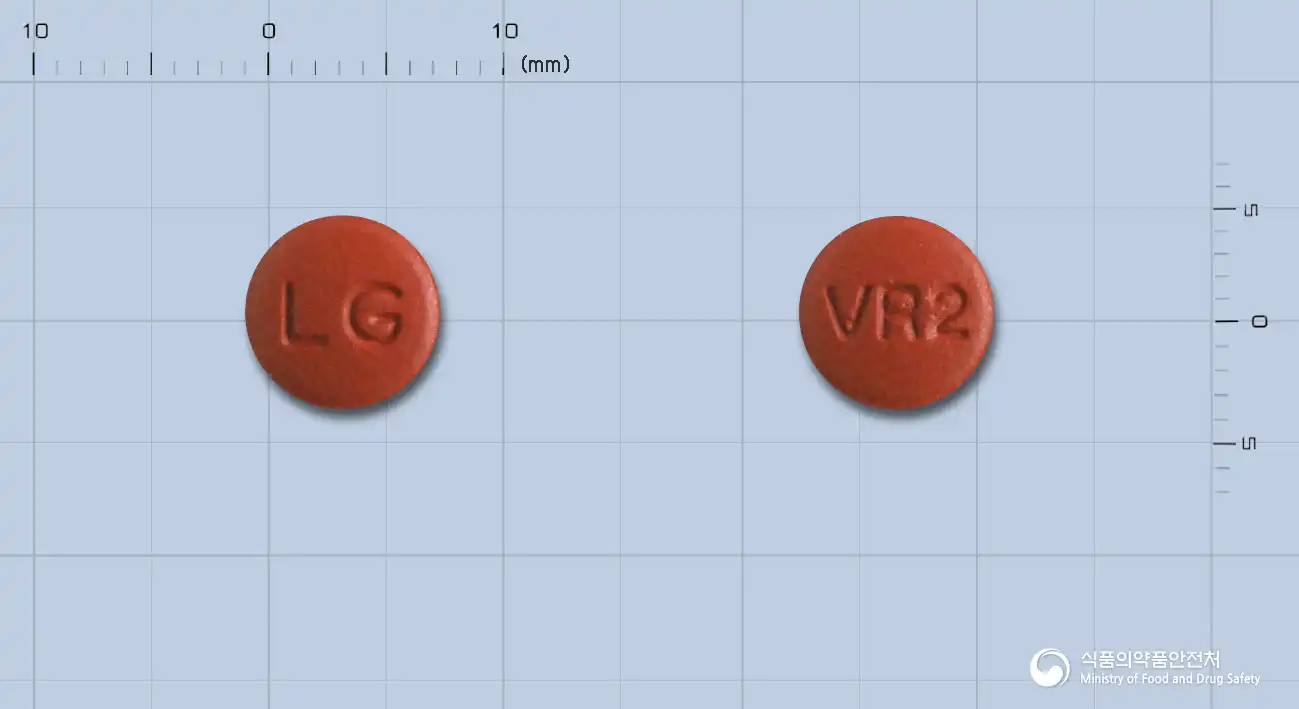
Brown round film-coated tablets
56 tablets (14 tablets/PTP x 4)
Even with the same ingredient, strength, dosage form and how it is taken can differ.
Viewing nowCombinationValsartan 80mg · Rosuvastatin Calcium Micronized 20.8mg
Tablet · Prescription medication · Combination
LG Chem, Ltd.
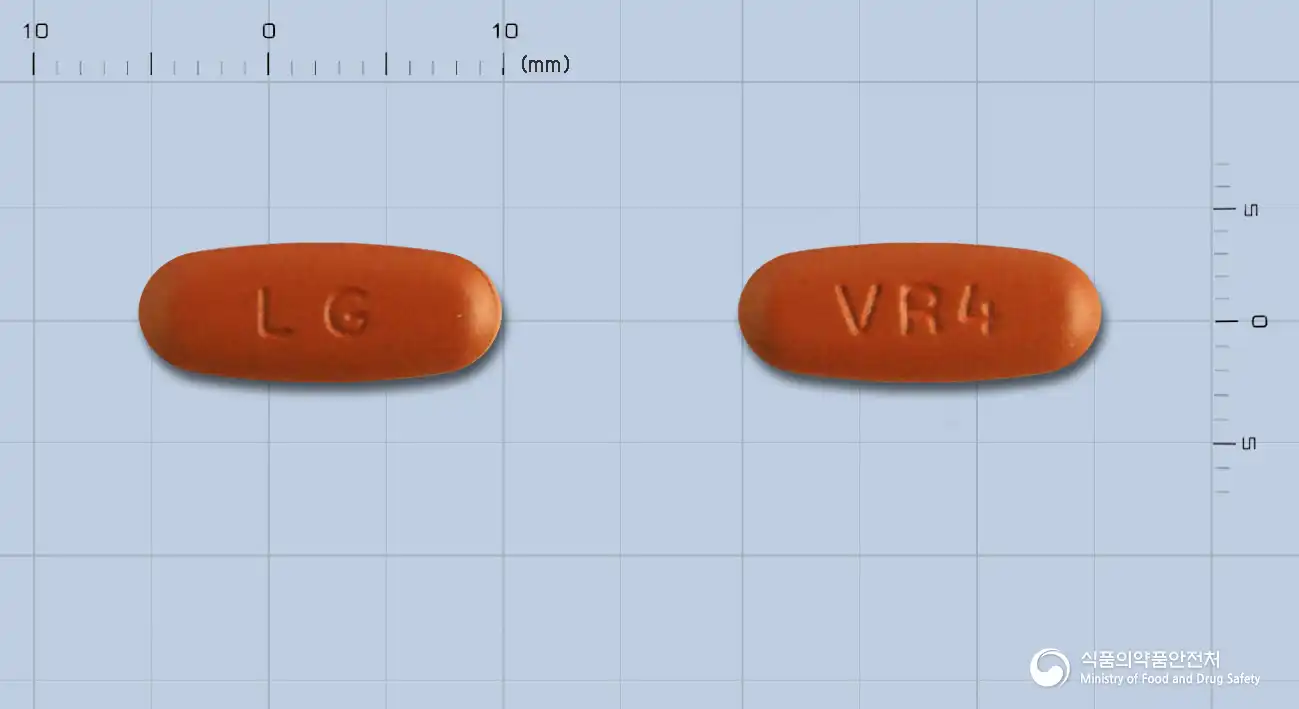 Combination
Valsartan 160mg · Rosuvastatin Calcium Micronized 20.8mg
Tablet · Prescription medication · Combination
LG Chemical Co., Ltd.
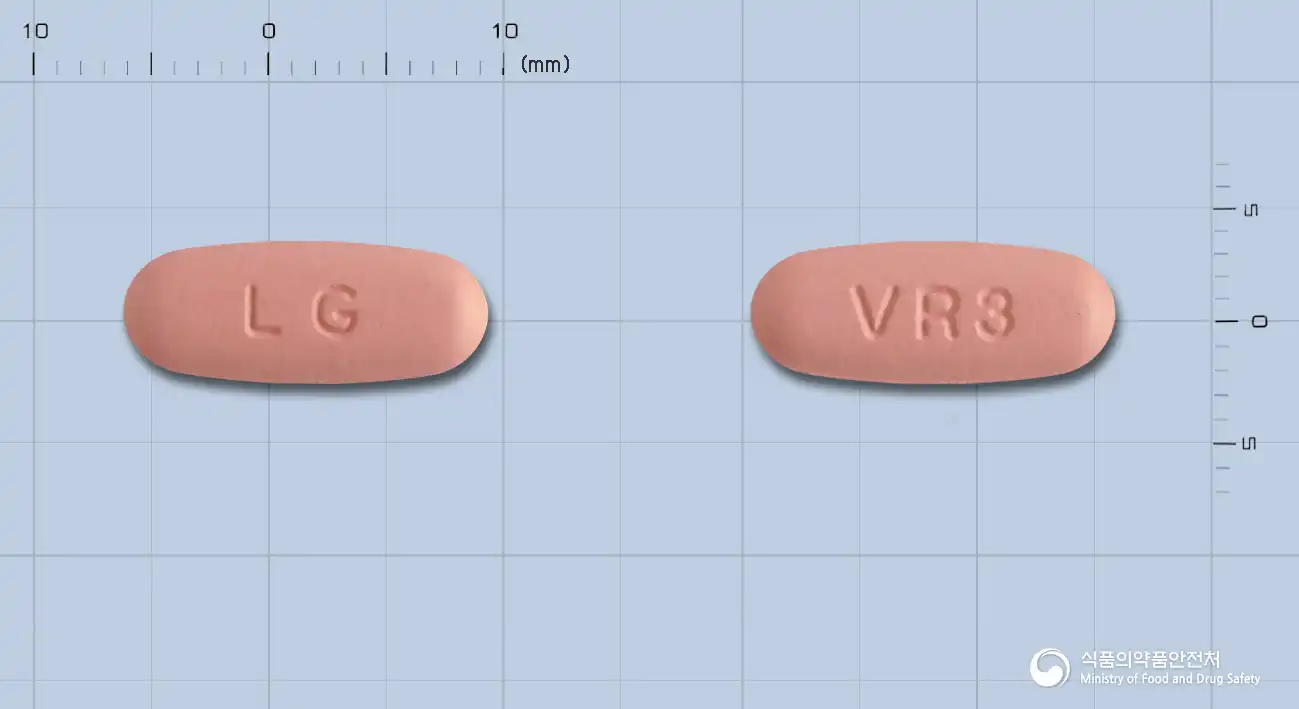 Combination
Valsartan 160mg · Rosuvastatin Calcium Micronized 10.4mg
Tablet · Prescription medication · Combination
LG Chem, Ltd.
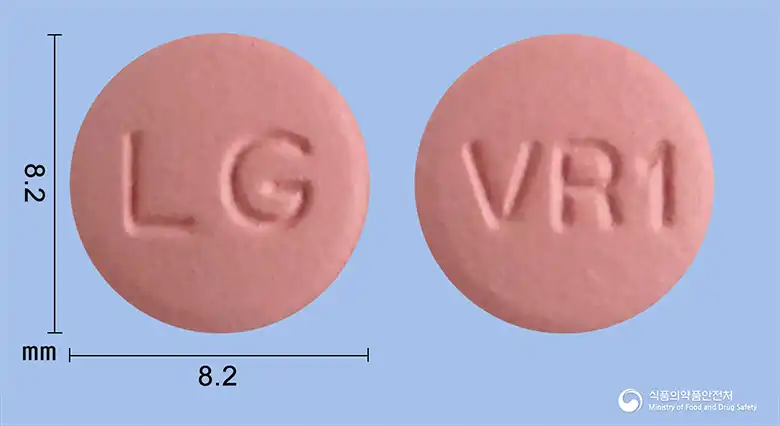 Combination
Valsartan 80mg · Rosuvastatin Calcium Micronized 10.4mg
Tablet · Prescription medication · Combination
LG Chem, Ltd.
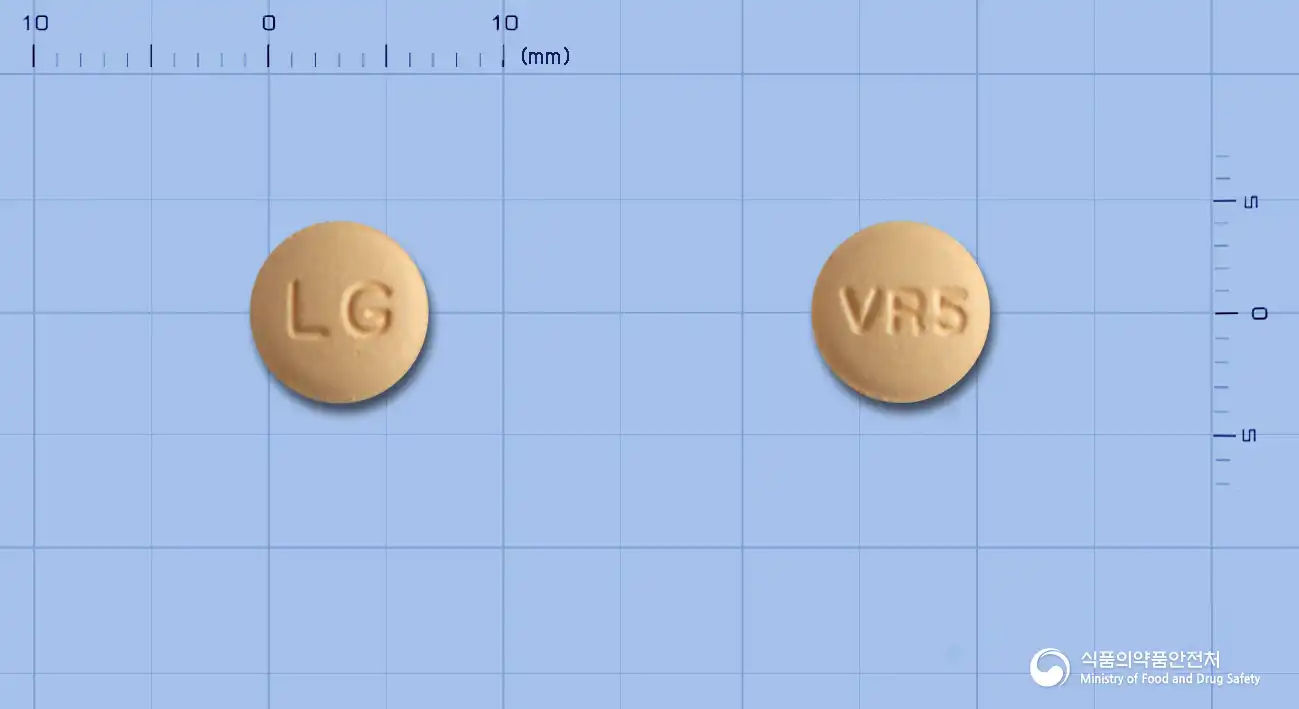 Combination
Valsartan 80mg · Rosuvastatin Calcium Micronized 5.2mg
Tablet · Prescription medication · Combination
LG Chemical Co., Ltd.
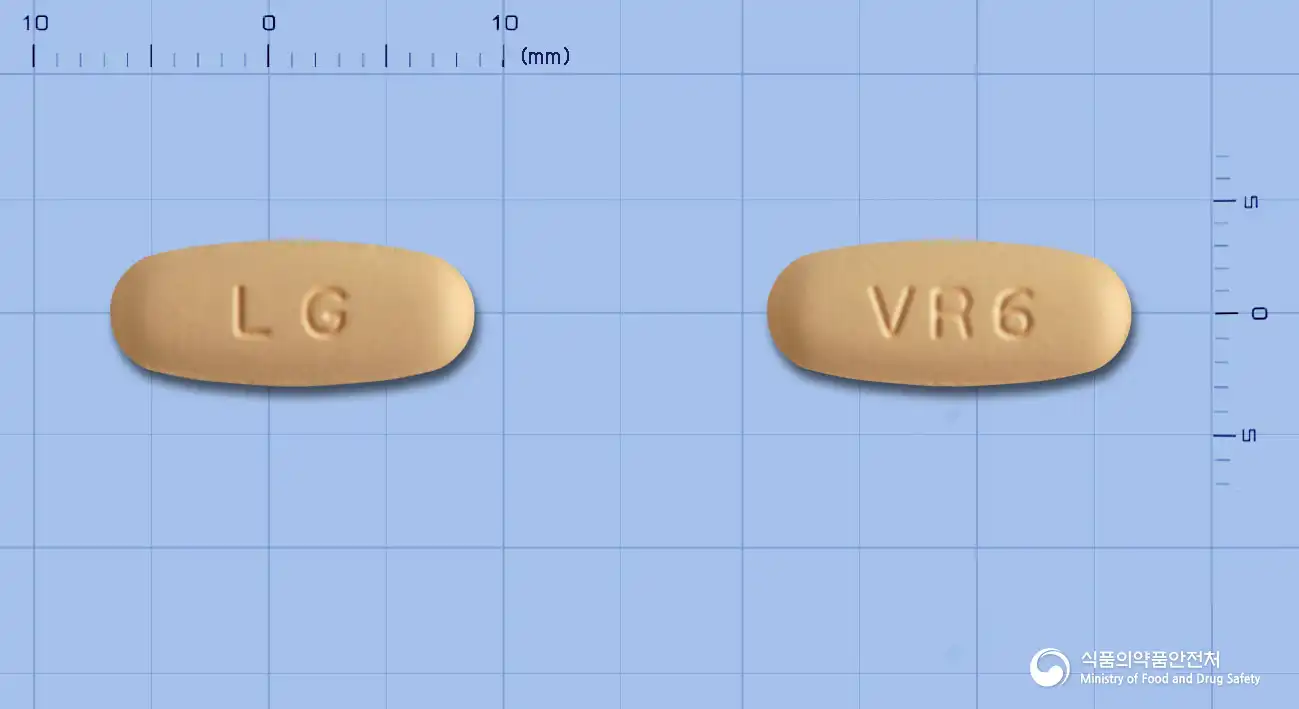 Combination
Valsartan 160mg · Rosuvastatin Calcium Micronized 5.2mg
Tablet · Prescription medication · Combination
LG Chem, Ltd.
Even with the same ingredient, the dose and directions can differ by strength and dosage form. Talk to a doctor or pharmacist before switching from a medication you are already taking.
No questions yet.
For anything that needs medical judgment, consult a doctor or pharmacist.
This drug information is based on data provided by the Korea Ministry of Food and Drug Safety.
Consult a doctor or pharmacist for accurate dosage, administration, and usage instructions.