
 한국어
한국어 English
 日本語
日本語 中文(简体)
 Viewing nowCombination
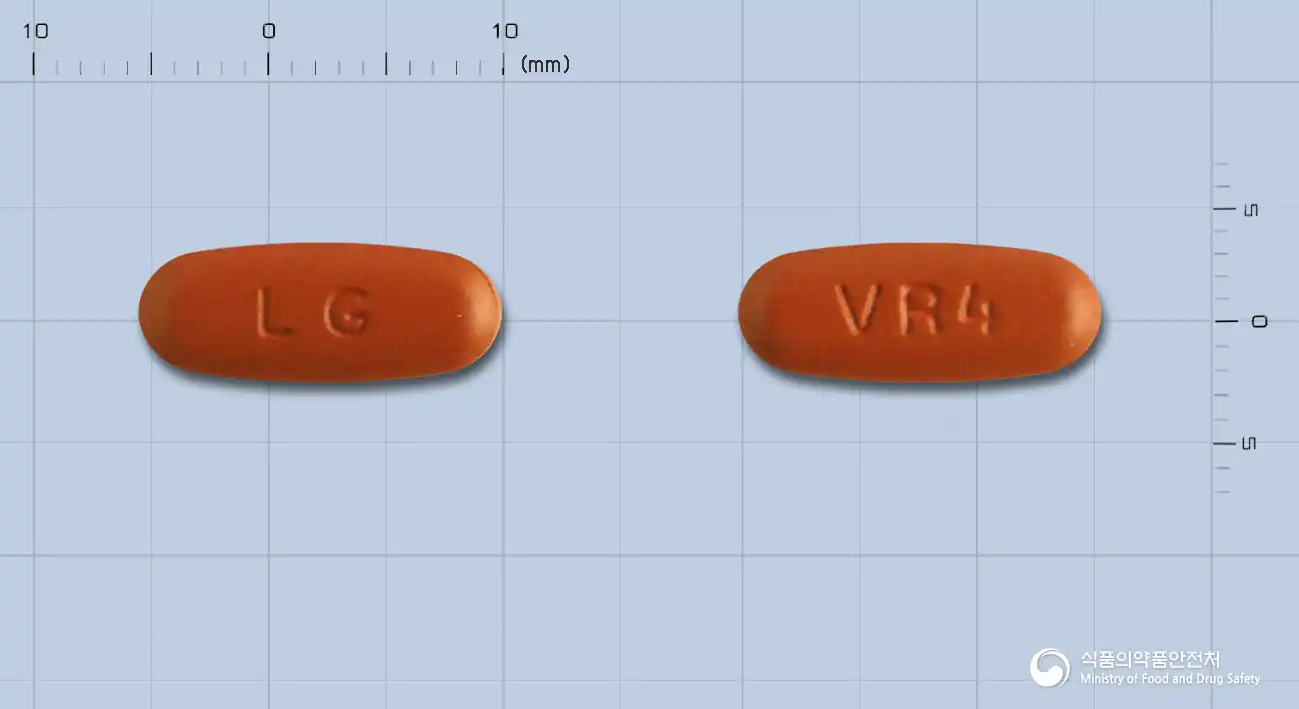
Lovatitan Tablet 20/160 mg
Valsartan 160mg · Rosuvastatin Calcium Micronized 20.8mg
Tablet · Prescription medication · Combination
LG Chemical Co., Ltd.
MFDS item code 201309652 · Approved 2013.10.10 · Insurance code 668902660
Effect of reducing the risk of cardiovascular diseases such as treatment of hypertension and heart failure, improvement of hypercholesterolemia
This medication contains two active ingredients, valsartan and rosuvastatin, used for specific patients. Valsartan is mainly used for patients with essential hypertension and heart failure, and to reduce the risk of death after myocardial infarction. It is particularly effective for heart failure patients intolerant to ACE inhibitors. Rosuvastatin is used as an adjunct therapy for patients with hypercholesterolemia and dyslipidemia and helps with homozygous familial hypercholesterolemia. It is also used to reduce the risks of stroke, myocardial infarction, and revascularization due to cardiovascular diseases. This medication works synergistically to improve cardiovascular health through the management of blood pressure and blood lipids.
◆ Valsartan 1. Essential Hypertension Take with water during meals or between meals. It is recommended to take it at the same time each day (e.g., in the morning) if possible. Adults: The recommended oral dose is 80 mg once daily. Patients whose blood pressure is not well controlled may increase the dose to 160 mg per day or may take it in conjunction with a diuretic, with a maximum possible increase to 320 mg. 2. Heart Failure Adults: The initial oral dose recommended is 40 mg, taken twice daily, which may be increased to 80 mg or 160 mg per dose.
This medication can cause serious harm to the fetus if taken during pregnancy, particularly during the second and third trimesters, so it should be discontinued immediately upon confirmation of pregnancy. It is safer not to use this medication in women who are allergic to it, pregnant or possibly pregnant, or breastfeeding. Patients with severe liver or kidney dysfunction, muscle diseases, or a history of specific angioedema should not take this medication. Elderly patients or those with high potassium levels, or with impaired liver function should exercise extra caution while taking this medication, and liver function tests should be repeated as needed. This medication may cause muscle pain, muscle weakness, and rarely severe muscle damage (rhabdomyolysis); therefore, if any unusual muscle symptoms occur, it is important to inform healthcare professionals immediately. While taking this medication, liver function tests and muscle enzyme level tests may be required, and usage should be suspended if there are any abnormal signs. Drug interactions may occur when taken with other medications, so it is essential to inform the physician or pharmacist of any other medications being taken. This medication lowers blood pressure and may cause symptoms of hypotension (dizziness, fainting, etc.), so caution is advised while driving or operating machinery. There are no specific antidotes for overdose, so it is important to avoid exceeding the recommended dose, and to visit a healthcare facility immediately if unusual symptoms occur. It is advisable to avoid use in children and adolescents as the safety and efficacy of this medication have not been adequately established. This medication should be kept out of the reach of children and should not be transferred to another container.
Hives, severe swelling (edema), angioedema (swelling of the face, lips, throat, tongue), tightness in chest, difficulty breathing, angiopathy, vasculitis, serum sickness, hepatitis, hepatic impairment (jaundice), hepatitis, severe skin reactions (Stevens-Johnson syndrome, severe skin reactions), shock, fainting, loss of consciousness, severe neurological symptoms (severe headache, altered consciousness, seizures), rhabdomyolysis, acute renal failure, renal failure, hypertension
Dyspepsia, nausea, dizziness, headache, conjunctival hemorrhage, constipation, asthenia, chest pain, facial swelling, peripheral edema, nasopharyngitis, urinary tract infection, bruising, increased serum aminotransferases (AST, ALT), increased serum creatine phosphokinase, increased serum potassium, increased gamma-glutamyl transferase, musculoskeletal stiffness, limb pain, sensory loss, anxiety, upper respiratory tract infection, pharyngitis, tonsillitis, spinal stenosis, insomnia
Not everyone experiences these, and they can vary from person to person.
This medication is sensitive to light and should be stored in a container that protects it from light. Additionally, it is recommended to store the medication at room temperature between 1 to 30 degrees Celsius. Proper storage helps maintain the medication's effectiveness and safety.
Brown oval film-coated tablets
56 tablets (14 tablets/PTP x 4)
Even with the same ingredient, strength, dosage form and how it is taken can differ.
Viewing nowCombinationValsartan 160mg · Rosuvastatin Calcium Micronized 20.8mg
Tablet · Prescription medication · Combination
LG Chemical Co., Ltd.
 Combination
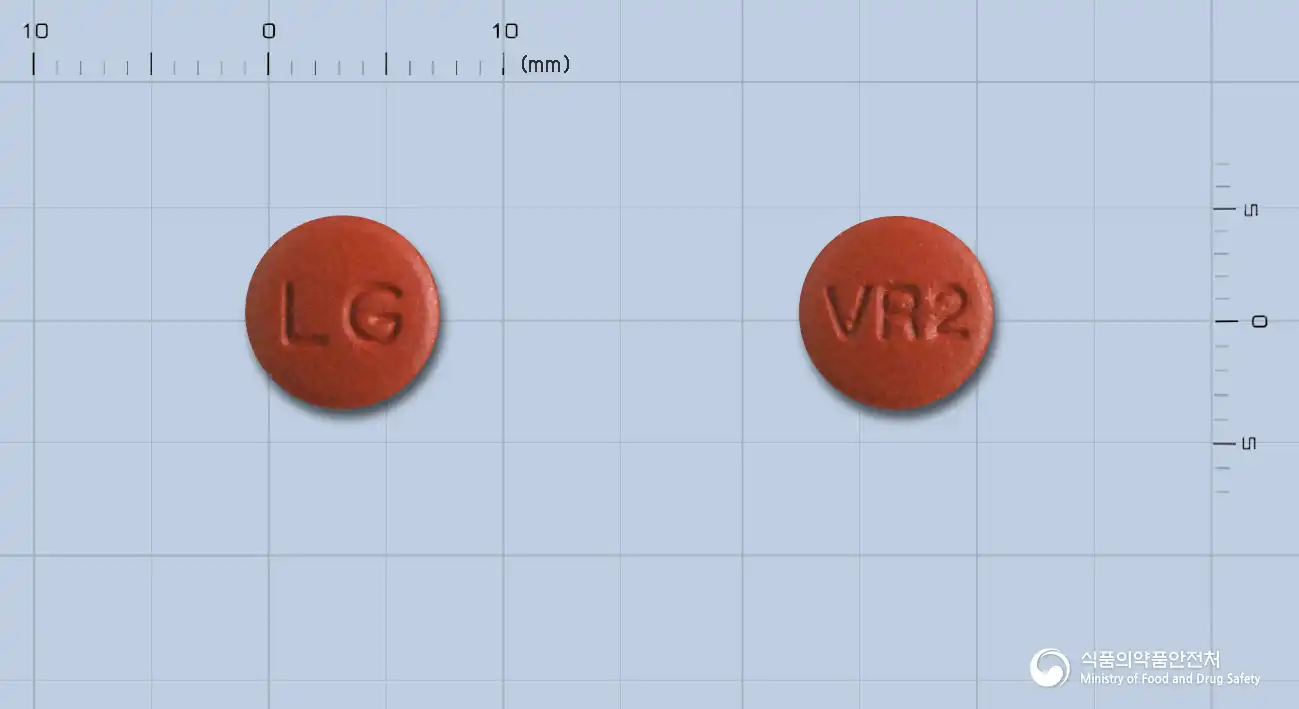
Valsartan 80mg · Rosuvastatin Calcium Micronized 20.8mg
Tablet · Prescription medication · Combination
LG Chem, Ltd.
 Combination
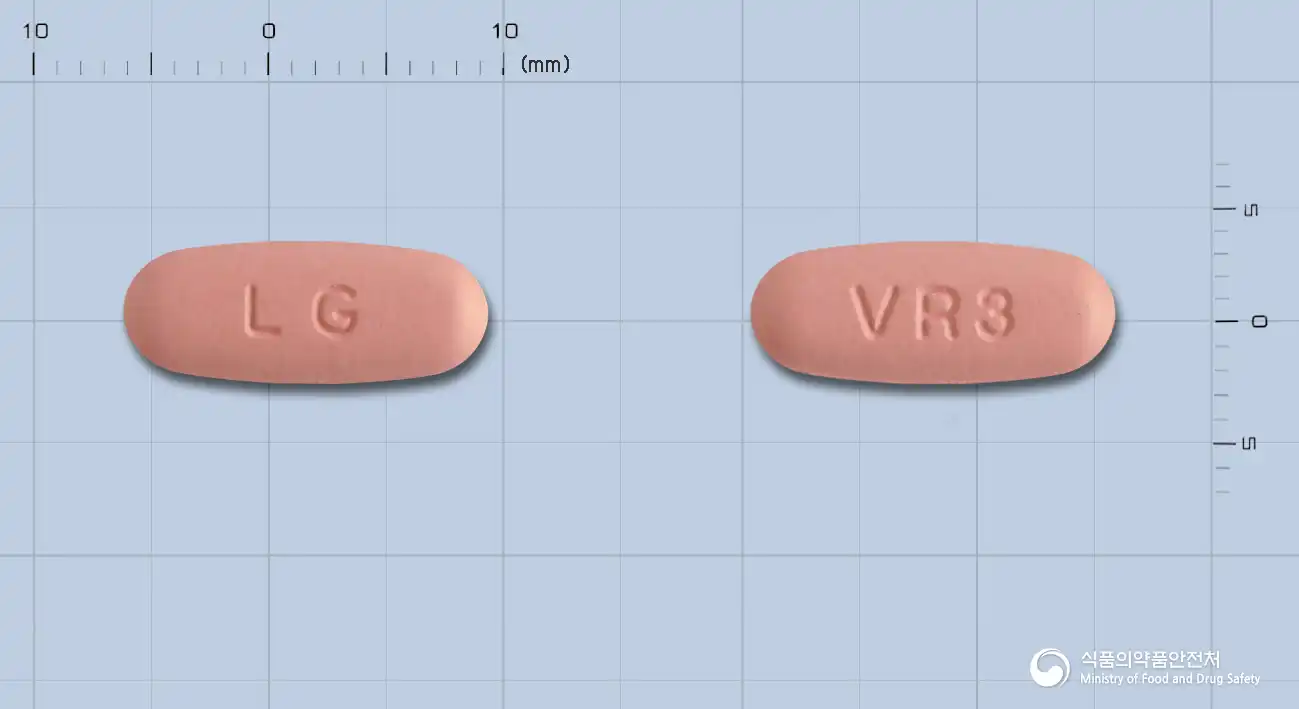
Valsartan 160mg · Rosuvastatin Calcium Micronized 10.4mg
Tablet · Prescription medication · Combination
LG Chem, Ltd.
 Combination
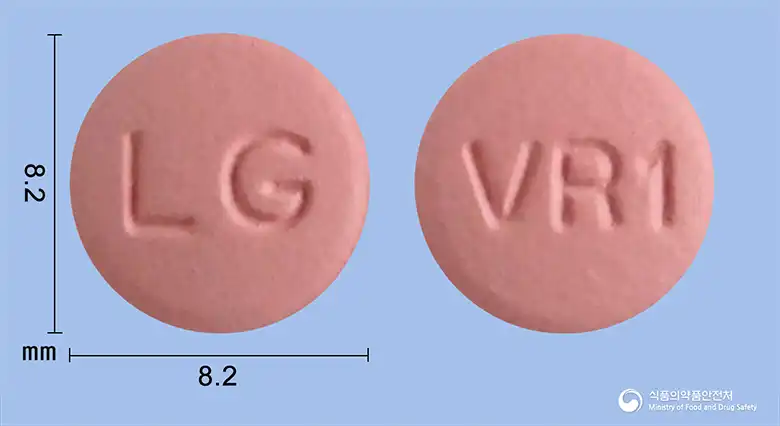
Valsartan 80mg · Rosuvastatin Calcium Micronized 10.4mg
Tablet · Prescription medication · Combination
LG Chem, Ltd.
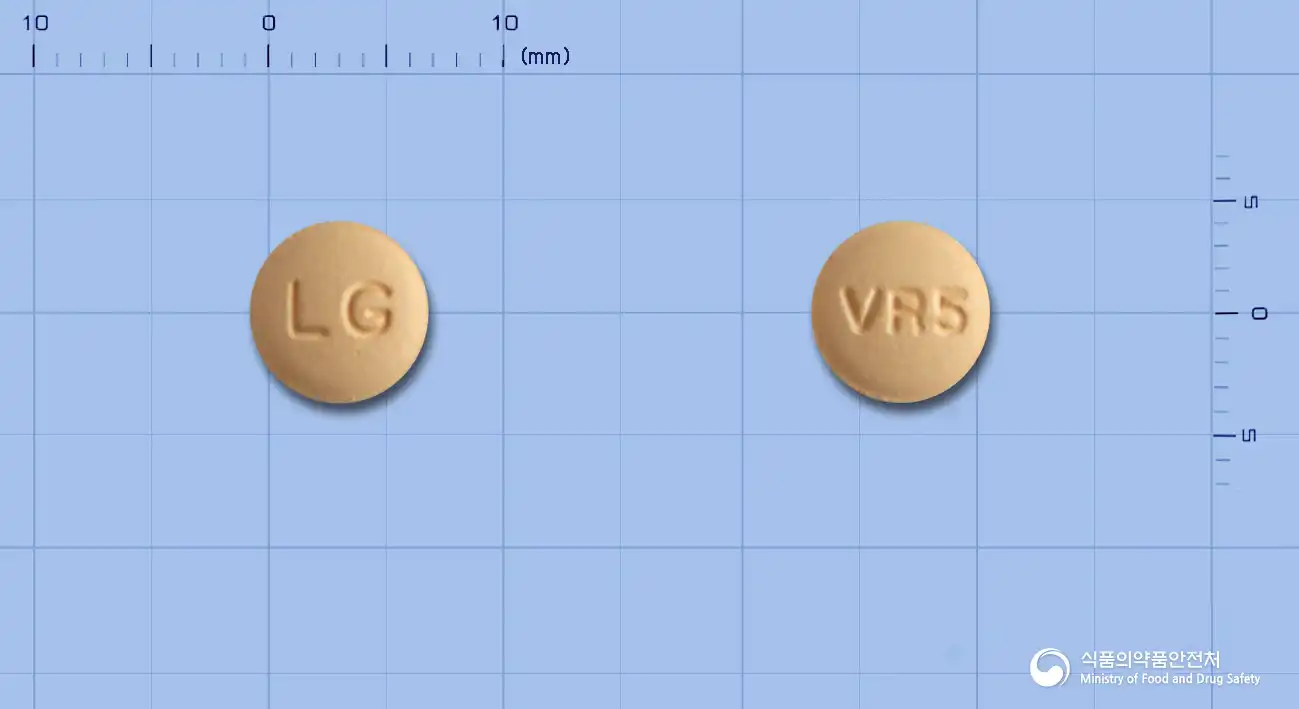 Combination
Valsartan 80mg · Rosuvastatin Calcium Micronized 5.2mg
Tablet · Prescription medication · Combination
LG Chemical Co., Ltd.
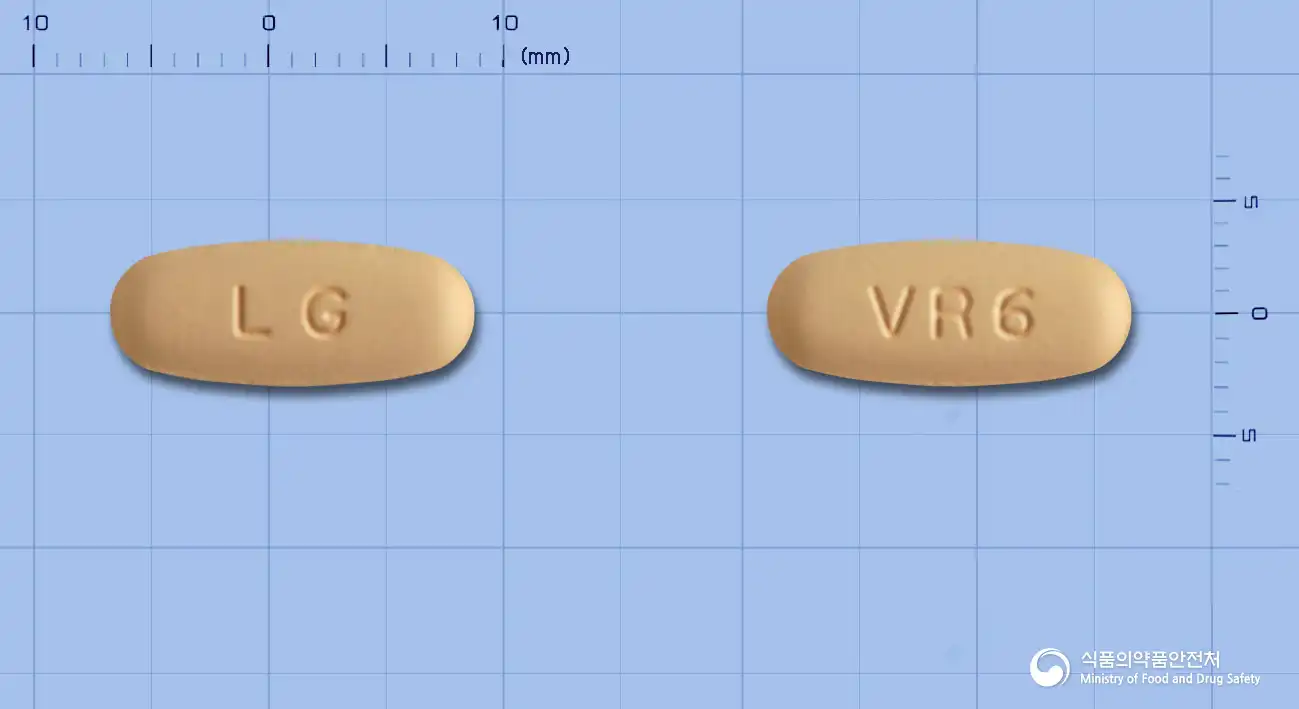 Combination
Valsartan 160mg · Rosuvastatin Calcium Micronized 5.2mg
Tablet · Prescription medication · Combination
LG Chem, Ltd.
Even with the same ingredient, the dose and directions can differ by strength and dosage form. Talk to a doctor or pharmacist before switching from a medication you are already taking.
No questions yet.
For anything that needs medical judgment, consult a doctor or pharmacist.
This drug information is based on data provided by the Korea Ministry of Food and Drug Safety.
Consult a doctor or pharmacist for accurate dosage, administration, and usage instructions.