Medication info
Rovelitol Tablet 150/10 mg (Irbesartan, Atorvastatin)

Rovelitol Tablet 150/10 mg (Irbesartan, Atorvastatin)

Prescription medicationTabletOral
Ingredient · strength
Atorvastatin Calcium Trihydrate›10.85mg / 1 tabletIrbesartan›150mg / 1 tablet
Manufacturer / importer
Hanmi Pharmaceutical Co., Ltd.
Appearance
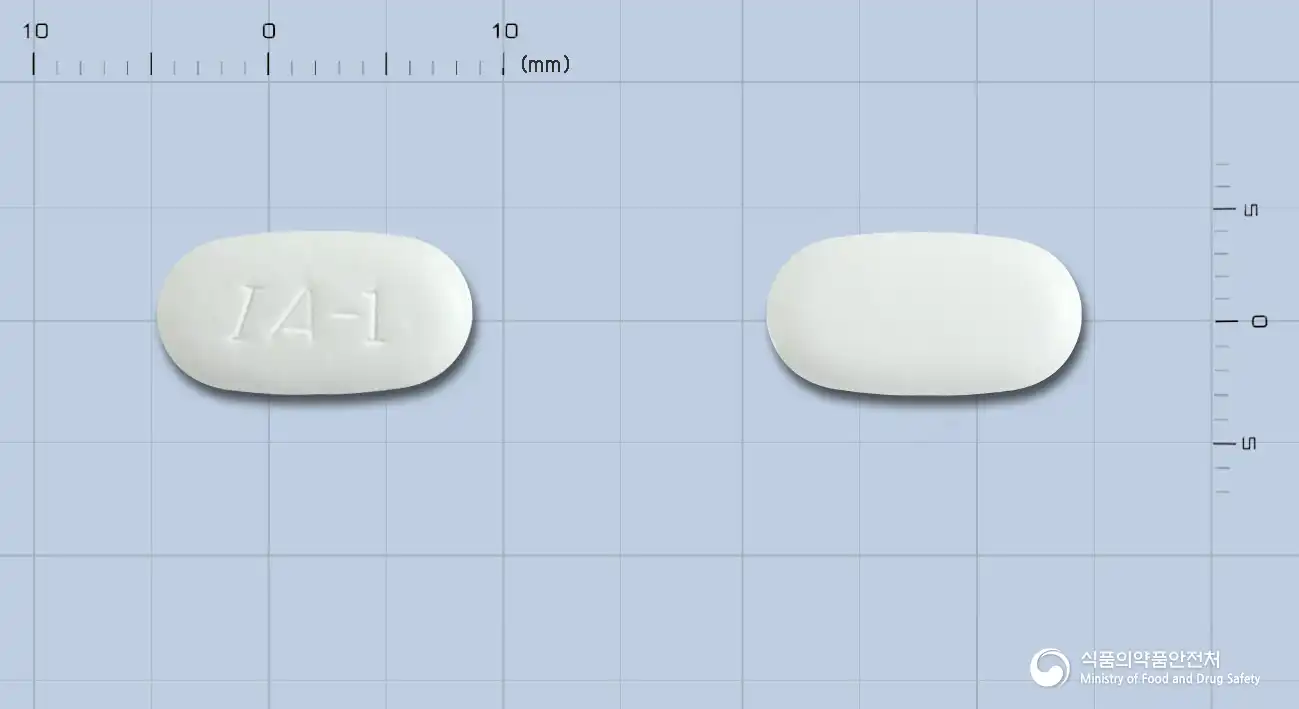
White oval film-coated tablet
Packaging
30 tablets/bottle, 30 tablets/box [10 tablets/PTPX3], 100 tablets/bottle
Approval status
Active

MFDS item code 201309481 · Approved 2013.09.27 · Insurance code 643506680

Summary

Main use
Treatment of hypertension and diabetic nephropathy; improvement of hyperlipidemia; prevention of cardiovascular disease
Who takes it
Adults
Adult dose
This drug is for use in adults only. The dose should be individualized for each patient based on the efficacy and tolerability of each component, irbesartan and atorvastatin. ○ Irbesartan 1. Essential hypertension Adults: Administer irbesartan 150 mg orally once daily. If the effect is insufficient, the dose may be increased to 300 mg. In general, blood pressure control over 24 hours is better with 150 mg once daily than with 75 mg once daily; however, 75 mg may be considered in special cases (such as at the start of treatment, in patients on hemodialysis, or in elderly patients 75 years of age or older). If blood pressure is not adequately controlled with monotherapy, another antihypertensive agent may be given concomitantly. The effect is increased particularly when given concomitantly with a low dose of a diuretic (e.g., hydrochlorothiazide). 2. Nephropathy in patients with type 2 diabetes and hypertension Adults: It is recommended to initiate oral treatment with 150 mg once daily and increase the dose to 300 mg for maintenance. If necessary, another antihypertensive agent may be given concomitantly to achieve the target blood pressure. - Elderly patients Dose adjustment is generally not necessary; however, a starting dose of 75 mg should be considered in patients 75 years of age or older. - Patients with renal impairment Dose adjustment is generally not necessary; however, a starting dose of 75 mg should be considered in patients on hemodialysis. - Patients with hepatic impairment Dose adjustment is generally not necessary in patients with mild to moderate hepatic impairment, but it is recommended not to exceed 150 mg per day. There is no clinical experience in patients with severe hepatic impairment. ○ Atorvastatin calcium 1. Hyperlipidemia The recommended initial dose is atorvastatin 10 mg once daily. However, patients requiring a greater reduction in LDL cholesterol may start with 20 mg or 40 mg once daily (only when a reduction in LDL cholesterol of 45 % or more is required). This drug is administered once daily at doses ranging from 10 ~ 80 mg. The initial and maintenance doses should be individualized according to the patient's characteristics, taking into account the treatment goal and response. Lipid levels should be analyzed within 2 ~ 4 weeks after starting treatment and/or dose titration, and the dose adjusted accordingly. Patients with homozygous familial hypercholesterolemia The dose of this drug is 10 ~ 80 mg once daily. It should be administered in combination with other lipid-lowering treatments (e.g., LDL apheresis), or when such treatments are unavailable. - Patients with renal impairment : Renal disease does not affect plasma concentrations of atorvastatin or its LDL cholesterol-lowering effect; therefore, dose adjustment is not necessary. - Elderly patients : The efficacy and safety in patients 70 years of age or older are similar to those in the general adult patient population.

Ingredients

Manufacturer
Hanmi Pharmaceutical Co., Ltd.

Efficacy & effects

Treatment of hypertension and diabetic nephropathy; improvement of hyperlipidemia; prevention of cardiovascular disease

  • Essential hypertension
  • hypertension
  • kidney disease
  • coronary heart disease
  • myocardial infarction
  • stroke
  • angioplasty
  • stable chronic angina
  • retinopathy
  • albuminuria
  • congestive heart failure
  • angina
View approved original text

This medication is prescribed only for patients who need to use both Irbesartan and Atorvastatin simultaneously. Irbesartan is primarily used for the treatment of essential hypertension and kidney disease in patients with hypertension and type 2 diabetes. Atorvastatin helps reduce the risk of cardiovascular disease and is used in the treatment of hyperlipidemia. In particular, it lowers the risk of myocardial infarction, stroke, angioplasty, and angina, and also reduces cardiovascular risks in patients with type 2 diabetes. Additionally, it is effective in improving cholesterol and triglyceride levels in patients with primary hypercholesterolemia and mixed dyslipidemia. Therefore, this medication is used for patients who wish to manage both hypertension and cardiovascular disease risk.

How to take

Adult dose

This drug is for use in adults only. The dose should be individualized for each patient based on the efficacy and tolerability of each component, irbesartan and atorvastatin. ○ Irbesartan 1. Essential hypertension Adults: Administer irbesartan 150 mg orally once daily. If the effect is insufficient, the dose may be increased to 300 mg. In general, blood pressure control over 24 hours is better with 150 mg once daily than with 75 mg once daily; however, 75 mg may be considered in special cases (such as at the start of treatment, in patients on hemodialysis, or in elderly patients 75 years of age or older). If blood pressure is not adequately controlled with monotherapy, another antihypertensive agent may be given concomitantly. The effect is increased particularly when given concomitantly with a low dose of a diuretic (e.g., hydrochlorothiazide). 2. Nephropathy in patients with type 2 diabetes and hypertension Adults: It is recommended to initiate oral treatment with 150 mg once daily and increase the dose to 300 mg for maintenance. If necessary, another antihypertensive agent may be given concomitantly to achieve the target blood pressure. - Elderly patients Dose adjustment is generally not necessary; however, a starting dose of 75 mg should be considered in patients 75 years of age or older. - Patients with renal impairment Dose adjustment is generally not necessary; however, a starting dose of 75 mg should be considered in patients on hemodialysis. - Patients with hepatic impairment Dose adjustment is generally not necessary in patients with mild to moderate hepatic impairment, but it is recommended not to exceed 150 mg per day. There is no clinical experience in patients with severe hepatic impairment. ○ Atorvastatin calcium 1. Hyperlipidemia The recommended initial dose is atorvastatin 10 mg once daily. However, patients requiring a greater reduction in LDL cholesterol may start with 20 mg or 40 mg once daily (only when a reduction in LDL cholesterol of 45 % or more is required). This drug is administered once daily at doses ranging from 10 ~ 80 mg. The initial and maintenance doses should be individualized according to the patient's characteristics, taking into account the treatment goal and response. Lipid levels should be analyzed within 2 ~ 4 weeks after starting treatment and/or dose titration, and the dose adjusted accordingly. Patients with homozygous familial hypercholesterolemia The dose of this drug is 10 ~ 80 mg once daily. It should be administered in combination with other lipid-lowering treatments (e.g., LDL apheresis), or when such treatments are unavailable. - Patients with renal impairment : Renal disease does not affect plasma concentrations of atorvastatin or its LDL cholesterol-lowering effect; therefore, dose adjustment is not necessary. - Elderly patients : The efficacy and safety in patients 70 years of age or older are similar to those in the general adult patient population.

Precautions

This medication must not be taken during pregnancy. If pregnancy is confirmed, discontinue the medication immediately, as it can cause severe damage to the fetus and newborn. This medication should be used with caution in patients with poor liver or kidney function, and it is advisable not to administer it in cases of severe liver or kidney disease. If symptoms of muscle pain or weakness occur, consult a doctor immediately, as severe cases can lead to rhabdomyolysis, which may damage muscle tissue. Hyperkalemia may occur, so potassium levels in the blood should be monitored periodically, and it is advised to avoid co-administration with potassium supplements or potassium-sparing diuretics. This medication can be taken with other antihypertensive medications or antidiabetic agents, but due to potential drug interactions that may increase side effects, a consultation with a doctor or pharmacist is recommended during treatment. Dizziness or fatigue may occur, so caution is needed when driving or operating machinery. If hepatic impairment or jaundice symptoms appear, stop taking the medication immediately and inform healthcare personnel. It is advisable not to use this medication in children and adolescents under 18 years of age, as its safety and efficacy have not been established. In elderly patients, the risk of stroke may increase due to excessively low blood pressure, so it is essential to start with a low dose and monitor the condition closely. Overdose may lead to symptoms such as hypotension and tachycardia, and since no specific antidote exists, treatment should be provided according to symptoms. This medication should be stored out of reach of children and kept in its original container to maintain quality.

Side effects

  • Palpitations
  • chest discomfort
  • headache
  • increased blood triglycerides
  • diarrhea
  • dyspepsia
  • vomiting
  • gastrointestinal disorders
  • gastritis
  • toothache
Show 217 more
  • dizziness
  • low back pain
  • muscle pain
  • shortness of breath
  • nasal hemorrhage
  • rhinitis
  • visual disturbances
  • macular degeneration
  • chest pain
  • fatigue
  • edema
  • weakness
  • nasopharyngitis
  • upper respiratory infection
  • sprain
  • hyponatremia
  • increased serum creatine phosphokinase
  • hematuria
  • increased γ-GTP
  • worsening angina
  • myocardial infarction
  • malignant liver neoplasm
  • gastric carcinoma
  • limb weakness
  • pyelonephritis
  • hypovolemic shock
  • rheumatoid arthritis
  • hypertension
  • hypotension
  • localized numbness
  • worsening dizziness
  • epilepsy
  • worsening headache
  • skin laceration
  • herniated disc
  • abdominal colic
  • hemorrhoids
  • transient black visual loss
  • hypertension
  • hypotension
  • frailty
  • diarrhea
  • dizziness
  • dyspepsia
  • nausea
  • tinnitus
  • hyperkalemia
  • muscle pain
  • joint pain
  • tachycardia
  • hepatitis
  • abnormal liver function
  • renal failure
  • anemia
  • thrombocytopenia
  • hypoglycemia
  • angioedema
  • shock
  • syncope
  • loss of consciousness
  • kidney failure
  • liver dysfunction
  • jaundice
  • hypoglycemia
  • rhabdomyolysis
  • constipation
  • lethargy
  • chest pain
  • peripheral edema
  • fever
  • nasopharyngitis
  • hyperglycemia
  • hypoglycemia
  • weight gain
  • loss of appetite
  • abdominal bloating
  • throat and laryngeal pain
  • epistaxis
  • insomnia
  • nightmares
  • paresthesia
  • sensory impairment
  • taste disturbance
  • memory loss
  • peripheral neuropathy
  • joint pain
  • limb pain
  • muscle cramps
  • joint swelling
  • back pain
  • neck pain
  • muscle fatigue
  • myopathy
  • myositis
  • tendon disorders
  • muscle rupture
  • lupus-like syndrome
  • thrombocytopenia
  • allergic reaction
  • anaphylaxis
  • cholestasis
  • liver failure
  • blurred vision
  • hearing loss
  • urticaria
  • skin rash
  • hair loss
  • angioneurotic edema
  • erythema multiforme
  • mucous membrane syndrome
  • toxic epidermal necrolysis
  • gynecomastia
  • abnormal liver function tests
  • increased serum creatinine kinase
  • positive urinary leukocytes
  • nightmares
  • vomiting
  • abdominal abnormalities
  • cholestasis
  • cholestatic jaundice
  • abnormal liver function tests
  • gastroenteritis
  • enteritis
  • dry mouth
  • rectal bleeding
  • esophagitis
  • belching
  • glossitis
  • oral ulcers
  • stomatitis
  • gallbladder pain
  • cheilitis
  • gastric and duodenal ulcers
  • dysphagia
  • melena
  • gum bleeding
  • postprandial urgency
  • bronchitis
  • pneumonia
  • asthma
  • sensory abnormalities
  • phototoxic reactions
  • drowsiness
  • forgetfulness
  • abnormal dreams
  • decreased libido
  • emotional instability
  • ataxia
  • torticollis
  • facial paralysis
  • hyperkinesis
  • anxiety
  • muscle cramps
  • muscle fatigue
  • myositis
  • muscle diseases
  • mucinous cystitis
  • tenosynovitis
  • myasthenia
  • tendon contracture
  • elevated CK
  • increased serum myoglobin
  • itching
  • contact dermatitis
  • dry skin
  • sweating
  • acne
  • eczema
  • seborrhea
  • skin ulcers
  • erectile dysfunction
  • urinary tract infection
  • frequent urination
  • cystitis
  • hematuria
  • dysuria
  • kidney stones
  • nocturia
  • epididymitis
  • fibrocystic breast disease
  • vaginal bleeding
  • albuminuria
  • breast enlargement
  • cervical discharge
  • nephritis
  • urinary incontinence
  • urinary retention
  • urgent urination
  • abnormal ejaculation
  • uterine bleeding
  • discoloration of urine
  • hypoglycemia
  • hyperglycemia
  • increased appetite
  • vascular neurogenic edema
  • angina
  • facial edema
  • fever
  • neck stiffness
  • generalized edema
  • amblyopia
  • dry eyes
  • refractive errors
  • ocular hemorrhage
  • hearing loss
  • glaucoma
  • postauricular ache
  • taste loss
  • taste distortion
  • leukopenia
  • decreased testosterone
  • increased cholinesterase
  • elevated TSH
  • elevated ACTH
  • decreased aldosterone
  • cerebral infarction
  • tachycardia

Not everyone experiences these, and they can vary from person to person.

Storage

This medication may be sensitive to air and moisture, so it should be stored in a tightly closed container. It is important to maintain a temperature between 1°C and 30°C. This will help preserve the efficacy and safety of the medication for a longer duration.

Appearance and packaging

Appearance

White oval film-coated tablet

Package unit

30 tablets/bottle, 30 tablets/box [10 tablets/PTPX3], 100 tablets/bottle

Same-ingredient medicines

Even with the same ingredient, strength, dosage form and how it is taken can differ.

Even with the same ingredient, the dose and directions can differ by strength and dosage form. Talk to a doctor or pharmacist before switching from a medication you are already taking.

Questions about this medicine

No questions yet.

For anything that needs medical judgment, consult a doctor or pharmacist.

Related searches

Search tags

Suggested searches

This drug information is based on data provided by the Korea Ministry of Food and Drug Safety.
Consult a doctor or pharmacist for accurate dosage, administration, and usage instructions.