
 한국어
한국어 English
 日本語
日本語 中文(简体)
Dosage form image
Viewing nowCombinationGridm Tablet 2/500 mg
Glimepiride · Metformin Hydrochloride
Prescription medication · Combination
Future Bio Pharmaceutical Co., Ltd.
MFDS item code 201309183 · Approved 2013.09.03
This product's status changed to Expired on 2023.09.03. It may no longer be sold, so consult a doctor or pharmacist before taking it.
Improvement of blood sugar control in Type 2 diabetes
This medication is used for patients with non-insulin dependent diabetes who are not achieving adequate blood sugar control despite dietary and exercise measures. It can provide better blood sugar management, particularly when glimepiride or metformin monotherapy is insufficient. Additionally, this drug can be used to enhance treatment efficacy as a substitute for combination therapy with glimepiride and metformin. Therefore, it helps improve diabetes management by controlling blood sugar levels.
This medication should be taken 1-2 times per day before meals or with meals. The dosage can be adjusted based on the patient’s current treatment regimen, effectiveness, and tolerance, and appropriate blood glucose monitoring should be conducted. Treatment typically begins at a low dose, which can be adjusted based on the medications the patient is currently taking and their blood sugar levels. The initial dosage is glimepiride/metformin hydrochloride 2 mg/500 mg.
This medication can cause severe lactic acidosis or hypoglycemia; therefore, it should be temporarily discontinued and the doctor should be informed if renal function deteriorates abruptly or dehydration occurs. Patients with impaired renal function, severe liver dysfunction, pregnant or breastfeeding women, and those with certain cardiovascular diseases should not use this medication. Patients at high risk for hypoglycemia, such as the elderly, those with poor nutritional status or irregular meals, and those who consume alcohol heavily, should take particular care when using this medication. This medication may cause gastrointestinal symptoms (diarrhea, nausea, vomiting, etc.), and severe symptoms may pose a risk of dehydration, so caution is warranted. Regular blood tests and kidney function evaluations are recommended, and monitoring vitamin B12 levels is also advisable. Drug interactions may occur when taken with other medications, so patients should inform their physician or pharmacist of any other medications they are taking. Alcohol consumption can increase the risk of side effects from this medication, so excessive drinking should be avoided during use. If surgery or radiological contrast tests are to be performed, this medication should be temporarily discontinued, and use should resume only after confirming normal renal function. If symptoms of hypoglycemia (headache, fatigue, tremors, dizziness, etc.) occur, immediate intake of glucose is necessary, and in severe cases, medical help should be sought. Pregnant women should avoid this medication as it may harm the fetus, and breastfeeding women should also avoid it or discontinue breastfeeding. Children and the elderly should have their renal function and overall condition closely monitored while on this medication, with particular caution to not exceed the maximum dose in the elderly. In case of overdose, severe hypoglycemia or lactic acidosis may occur, requiring immediate medical treatment. Caution is needed when driving or operating machinery, as hypoglycemia or impairment of agility may occur.
Urticaria, severe swelling (edema), difficulty breathing, chest tightness, dehydration due to diarrhea and vomiting, jaundice, severe allergic reactions, serious skin reactions, severe hypoglycemia, lactic acidosis (decreased blood pH, increased plasma lactate concentration), thrombocytopenic purpura, severe thrombocytopenia, liver failure, severe neurological symptoms (headache, seizures, altered consciousness, visual disturbances, paralysis), significant reduction in urine output, severe edemas.
Diarrhea, nausea, vomiting, abdominal distension, loss of appetite, indigestion, constipation, abdominal pain, temporary visual impairment due to changes in blood sugar levels, erythema, itching, rash, discomfort, metallic taste, thrombocytopenia, leukopenia, hemolytic anemia, erythrocytopenia, agranulocytosis, pancytopenia, decreased vitamin B12, elevated liver enzymes, liver function impairment, hepatitis, allergic vasculitis, photosensitivity of the skin, serum sodium concentration changes.
Not everyone experiences these, and they can vary from person to person.
This medication should be kept in a tightly sealed container to prevent air exposure, and it is recommended to store it at a temperature between 1 and 30 degrees Celsius. Proper storage will help maintain the drug's efficacy.
White oblong film-coated tablet
30 tablets/bottle, 100 tablets/bottle
Even with the same ingredient, strength, dosage form and how it is taken can differ.
Glimepiride · Metformin Hydrochloride
Prescription medication · Combination
Future Bio Pharmaceutical Co., Ltd.
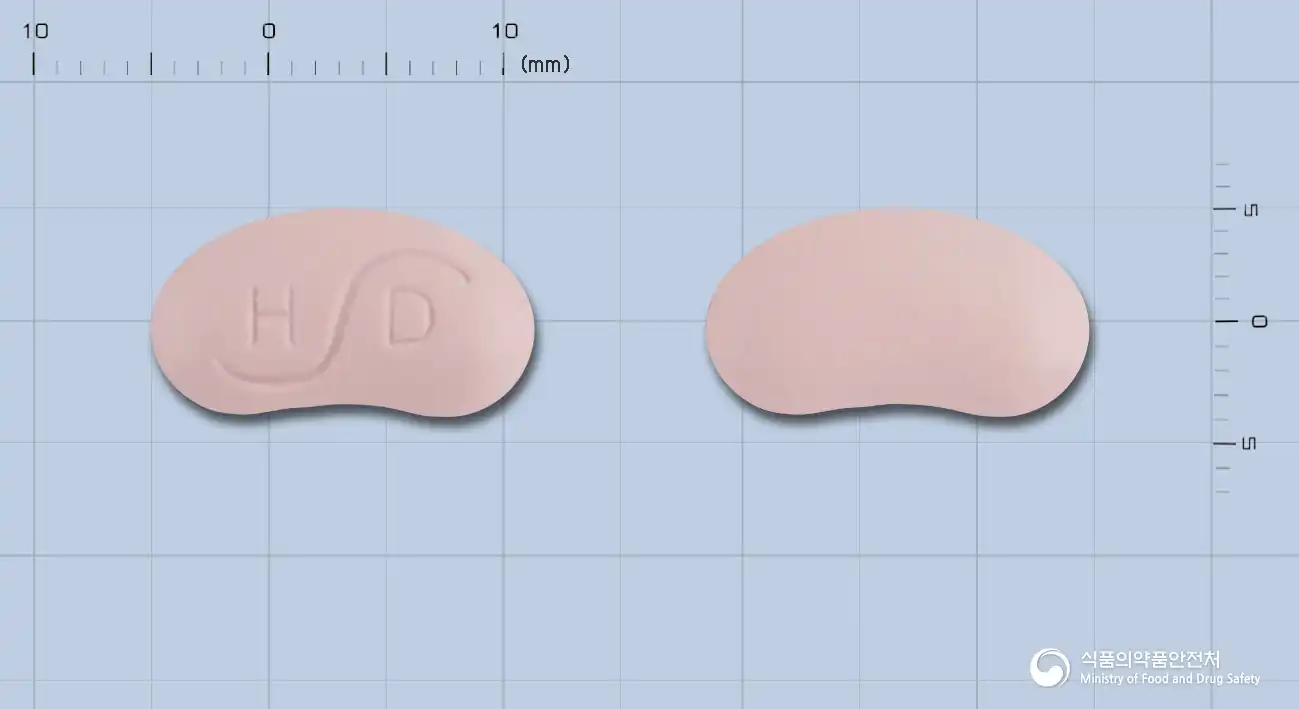 Combination
Metformin Hydrochloride 500mg · Glimepiride 1mg
Tablet · Prescription medication · Combination
Hanmi Pharmaceutical Co., Ltd.
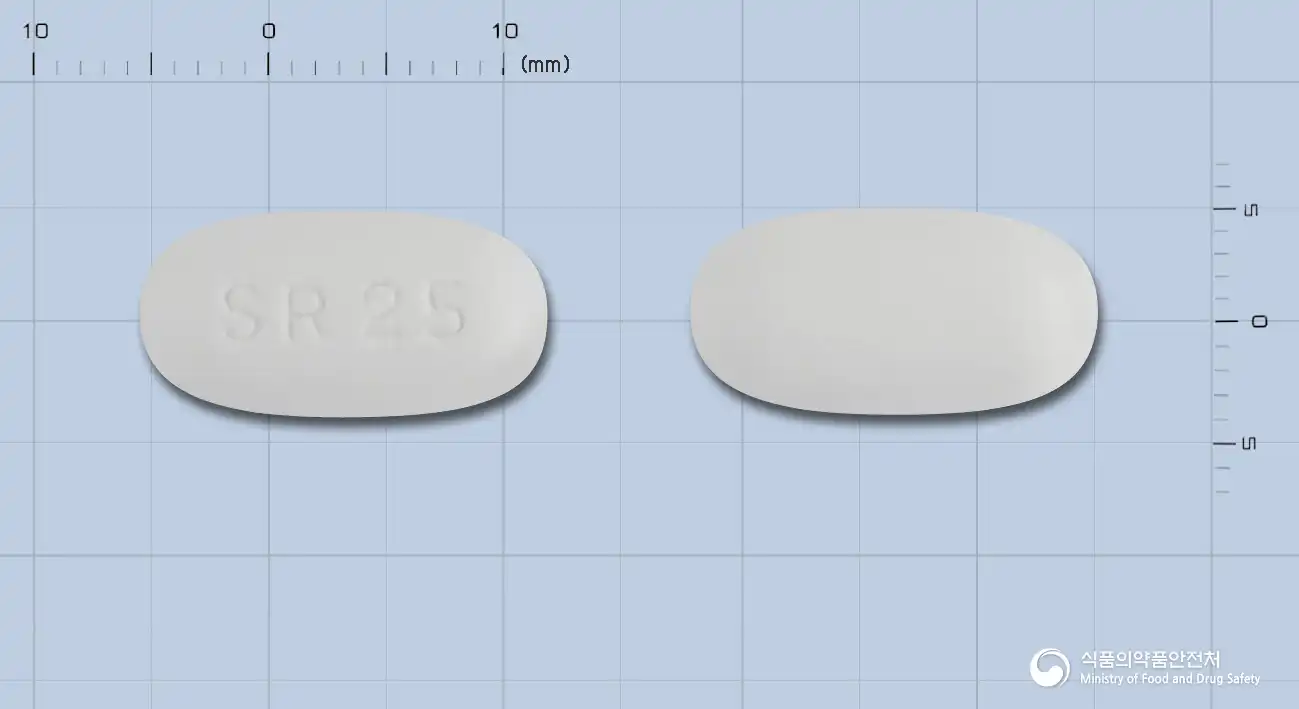 Combination
Metformin Hydrochloride 500mg · Glimepiride 2mg
Tablet · Prescription medication · Combination
Handok Co., Ltd.
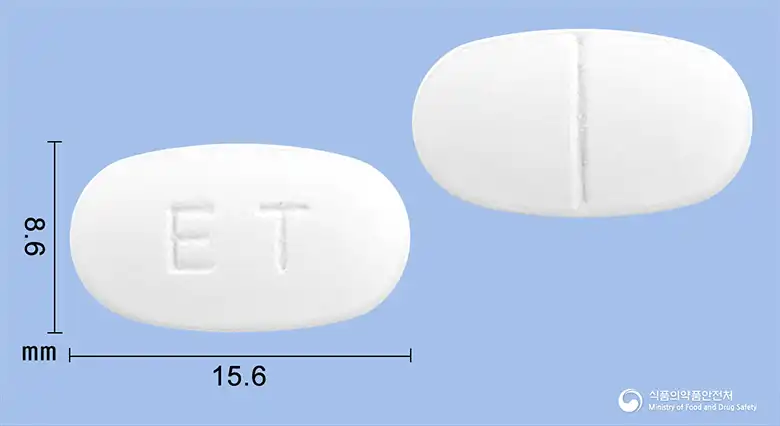 Combination
Metformin Hydrochloride 500mg · Glimepiride 2mg
Tablet · Prescription medication · Combination
Teragen Etex Co., Ltd.
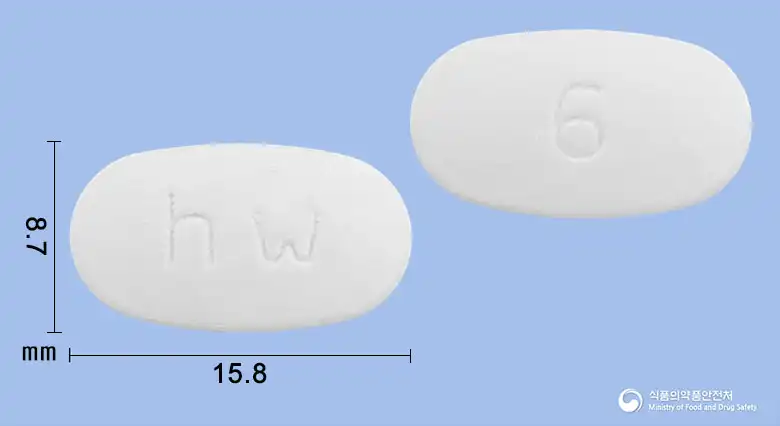 Combination
Glimepiride 2mg · Metformin Hydrochloride 500mg
Tablet · Prescription medication · Combination
Hawon Pharmaceutical Co., Ltd.
Metformin Hydrochloride 500mg · Glimepiride 2mg
Tablet · Prescription medication · Combination
TDS Pharm Co., Ltd.
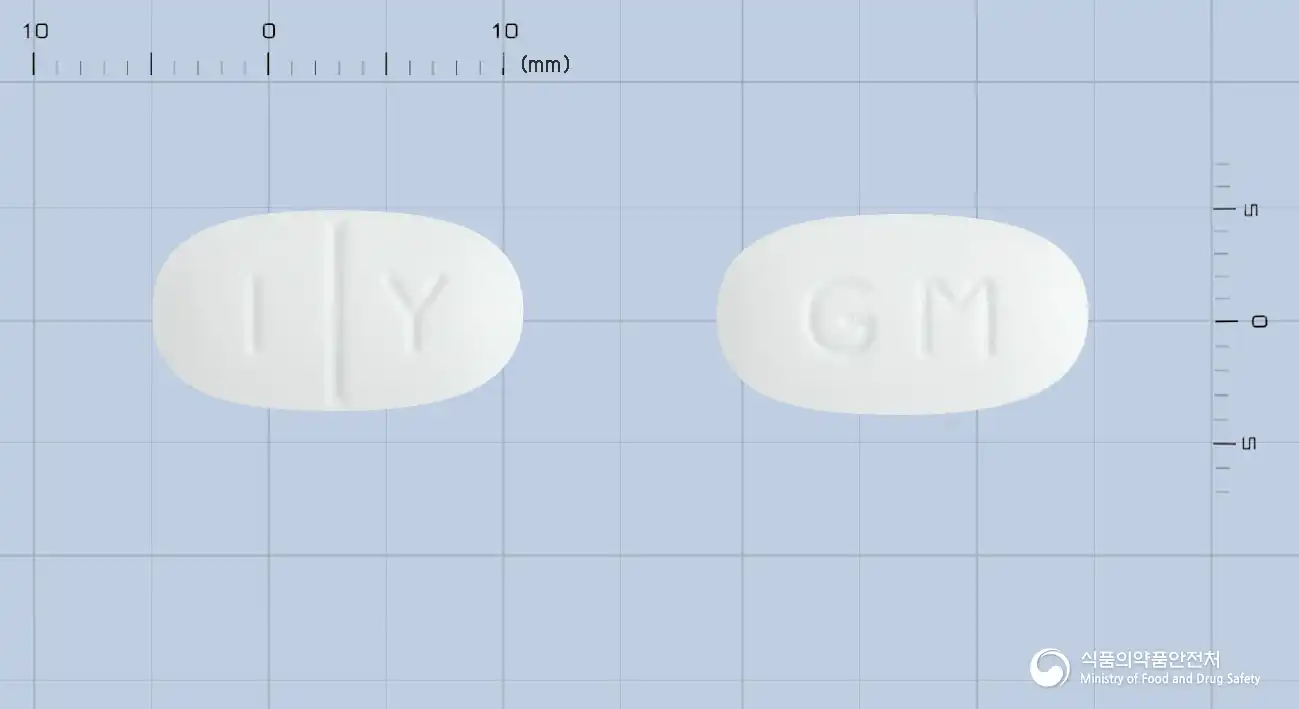 Combination
Glimepiride 2mg · Metformin Hydrochloride 500mg
Tablet · Prescription medication · Combination
Il Yang Pharmaceutical Co., Ltd.
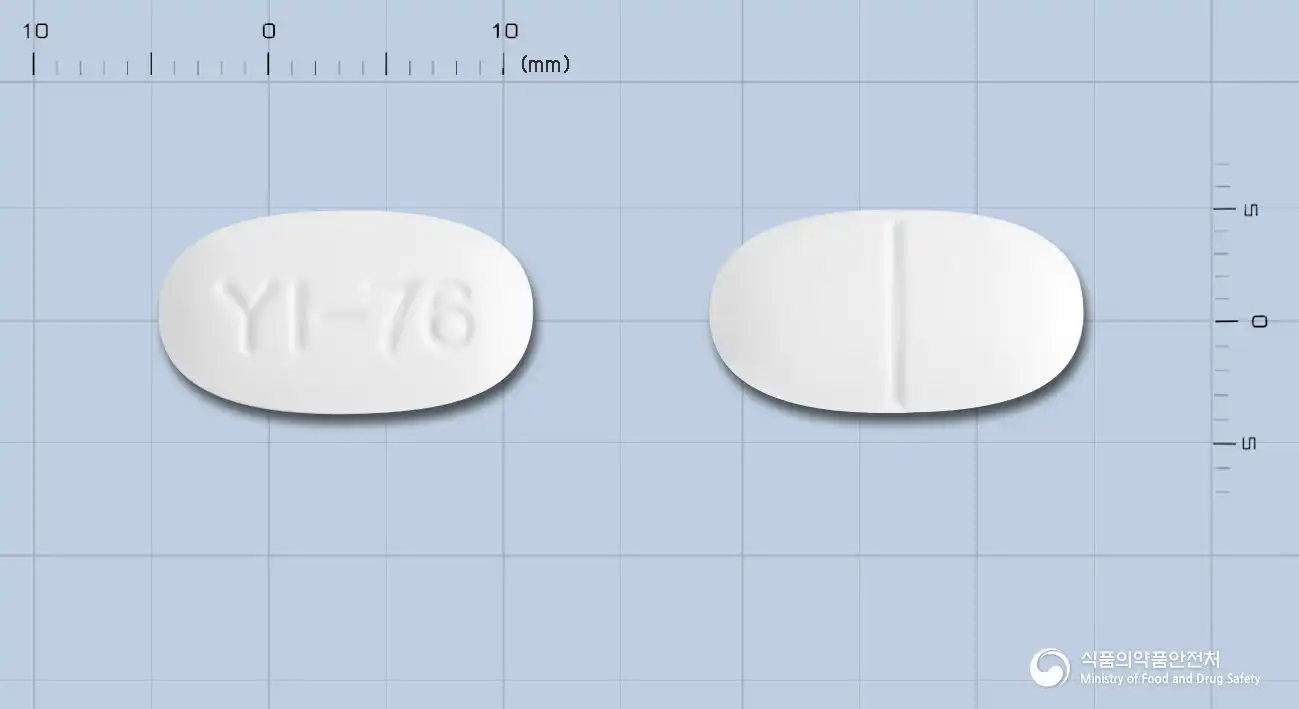 Combination
Glimepiride 2mg · Metformin Hydrochloride 500mg
Tablet · Prescription medication · Combination
Youngil Pharmaceutical Co., Ltd.
Even with the same ingredient, the dose and directions can differ by strength and dosage form. Talk to a doctor or pharmacist before switching from a medication you are already taking.
No questions yet.
For anything that needs medical judgment, consult a doctor or pharmacist.
This drug information is based on data provided by the Korea Ministry of Food and Drug Safety.
Consult a doctor or pharmacist for accurate dosage, administration, and usage instructions.