
 한국어
한국어 English
 日本語
日本語 中文(简体)
 Viewing now
Pitavastatin Calcium 4 mg Tablet (Pitavastatin Calcium)
Pitavastatin Calcium 4mg
Tablet · Prescription medication
IlDong Pharmaceutical Co., Ltd.
MFDS item code 201308977 · Approved 2013.08.23 · Insurance code 642904910
Improvement of hypercholesterolemia and dyslipidemia
This medication helps improve blood lipid levels in patients with primary hypercholesterolemia and mixed dyslipidemia. In particular, it effectively reduces total cholesterol, LDL cholesterol, apolipoprotein B, and triglyceride levels, while increasing HDL cholesterol levels to help achieve balance in blood lipids. This drug is used in conjunction with dietary therapy to positively impact the management of blood lipids in patients. Therefore, it is used as an adjunct treatment for patients with hypercholesterolemia or dyslipidemia.
For adults, the usual initial dose of pitavastatin calcium is 1 to 2 milligrams taken once daily. If the cholesterol-lowering effects on LDL cholesterol levels are not sufficient, the dose can be increased to a maximum of 4 milligrams per day. The dosage should be adjusted appropriately at intervals of 4 weeks or more according to the LDL cholesterol levels, treatment targets, and patient response.
This medication should not be used in certain patients. For example, individuals with an allergy to any component of this medication, those with liver dysfunction, severe liver disease or bile duct obstruction, and individuals taking certain immunosuppressants should not take this medication. Additionally, women with myopathy, pregnant women, women who may become pregnant, breastfeeding women, and children are advised not to use this medication. This medication contains lactose, so those with lactose intolerance or certain genetic metabolic disorders should also avoid taking it. There are patients who need to be careful when using this medication. Patients with poor kidney function should be cautious when taking this medication alongside other specific lipid-lowering agents or niacin, as muscle damage and kidney function deterioration may occur. Individuals with liver dysfunction or excessive alcohol consumption, patients with hypothyroidism, elderly individuals, and those with allergies to specific pigments should also use this medication with caution. Anyone with myasthenia gravis or previous muscle problems related to similar medications should also take care. This medication can cause various side effects, including muscle pain, liver dysfunction, and allergic reactions. If you experience severe muscle pain or weakness, discontinue use immediately and consult a physician. Liver dysfunction may occur, so regular liver function tests should be performed, and if abnormalities are found in blood tests, the treatment should be discontinued. Rarely, thrombocytopenia, neuropsychiatric symptoms, gastrointestinal symptoms, etc., may appear, so if you notice any symptoms, inform the medical staff. Since this medication is used in the treatment of hypercholesterolemia, it is important to undergo sufficient examination and follow dietary and exercise therapy before administration. Even during treatment, blood lipid levels should be regularly checked to evaluate treatment efficacy, and dose adjustment may be necessary if liver function is impaired. The risk of muscle-related side effects increases with higher dosages of this medication, requiring caution. This medication may interact with other drugs; therefore, if you are currently taking any other medications, you must inform your healthcare provider. In particular, concomitant use with the immunosuppressant cyclosporine, certain lipid-lowering agents, and niacin may result in serious side effects, so these combinations should be avoided. Additionally, if this medication is taken with cholestyramine, its absorption may be inhibited, so dosing times should be adjusted. Elderly patients may experience side effects more easily due to decreased bodily functions, so extra caution is necessary during medication administration. Pregnant or breastfeeding women should not take this medication as it may harm the fetus or baby; if pregnancy is confirmed, use should be discontinued immediately. For children, safety and efficacy have not been established, so its use is recommended against. This medication is in tablet form and should be swallowed whole without dividing; it should be kept out of reach of children. Additionally, storing the medication in its original container is safer, as transferring it to another container may lead to misuse or degradation of quality.
Hives, angioedema, rhabdomyolysis (muscle pain, weakness, elevated CPK levels, increased myoglobin in blood and urine, acute renal failure), myopathy, liver dysfunction, jaundice (elevated AST, ALT), thrombocytopenia, elevated bilirubin, elevated cholinesterase, elevated AST, elevated ALT, elevated γ-GTP, elevated AL-P, elevated LDH, paralysis, acute renal function deterioration, renal dysfunction (serum creatinine
Not everyone experiences these, and they can vary from person to person.
This medication is sensitive to light, so it should be stored in a tightly closed container that blocks light. Moreover, it is important to keep the medication at room temperature, specifically between 1 to 30 degrees Celsius for safe storage.
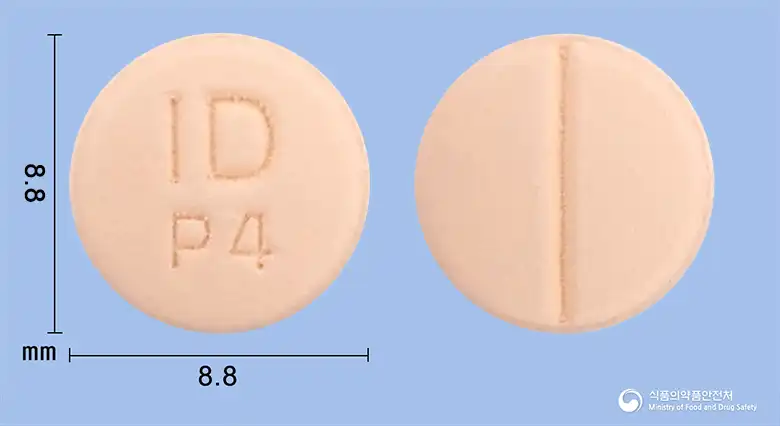
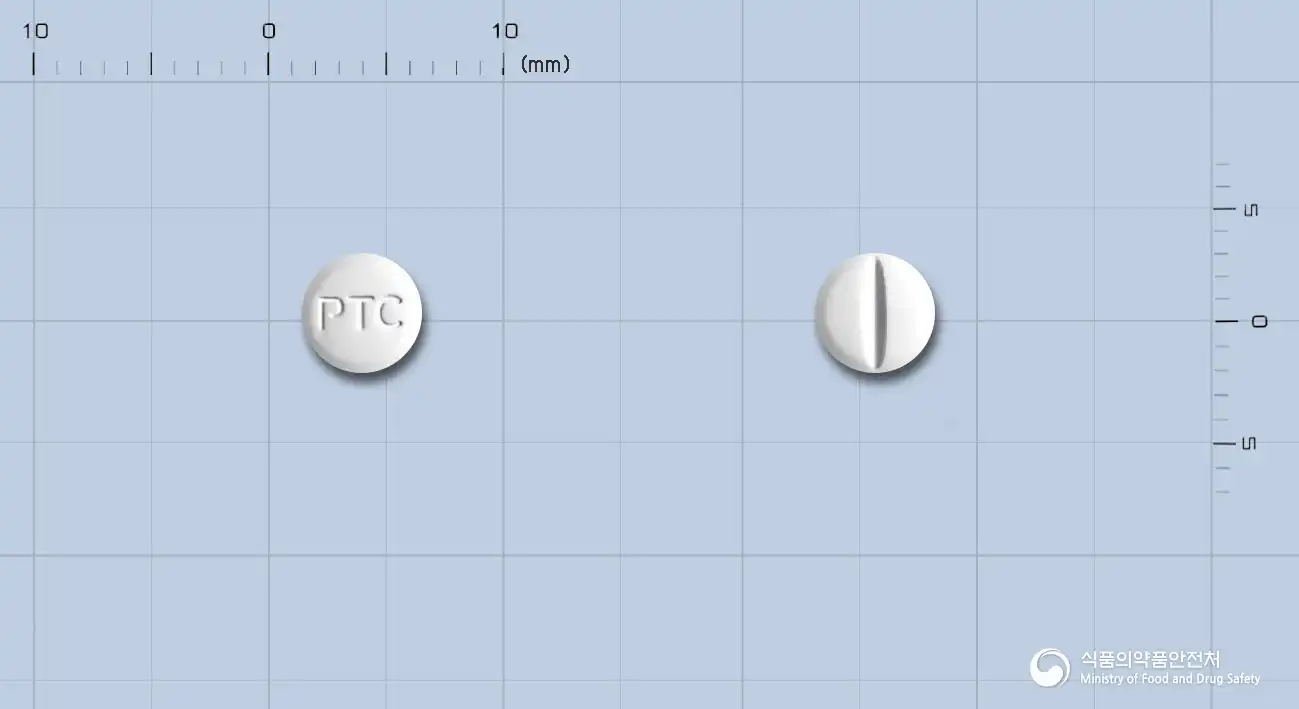
Round, film-coated tablet of pale yellow color with a line in the center
30 tablets/bottle
Even with the same ingredient, strength, dosage form and how it is taken can differ.
Viewing nowPitavastatin Calcium 4mg
Tablet · Prescription medication
IlDong Pharmaceutical Co., Ltd.
Pitavastatin Calcium Hydrate 1mg
Tablet · Prescription medication
JW Pharmaceutical Corporation

Pitavastatin Calcium Hydrate 2mg
Tablet · Prescription medication
JW Pharmaceutical Corporation
Pitavastatin Calcium 2mg
Tablet · Prescription medication
Youngjin Pharmaceutical Co., Ltd.
Pitavastatin Calcium 2mg
Tablet · Prescription medication
Samchundang Pharmaceutical Co., Ltd.
Pitavastatin Calcium 2mg
Tablet · Prescription medication
Daewon Pharmaceutical Co., Ltd.
Pitavastatin Calcium 2mg
Tablet · Prescription medication
Samnam Pharmaceutical Co., Ltd.

Pitavastatin Calcium 2mg
Tablet · Prescription medication
Seoul Pharmaceutical Co., Ltd.
Even with the same ingredient, the dose and directions can differ by strength and dosage form. Talk to a doctor or pharmacist before switching from a medication you are already taking.
No questions yet.
For anything that needs medical judgment, consult a doctor or pharmacist.
This drug information is based on data provided by the Korea Ministry of Food and Drug Safety.
Consult a doctor or pharmacist for accurate dosage, administration, and usage instructions.