
 한국어
 English
 日本語
 中文(简体)
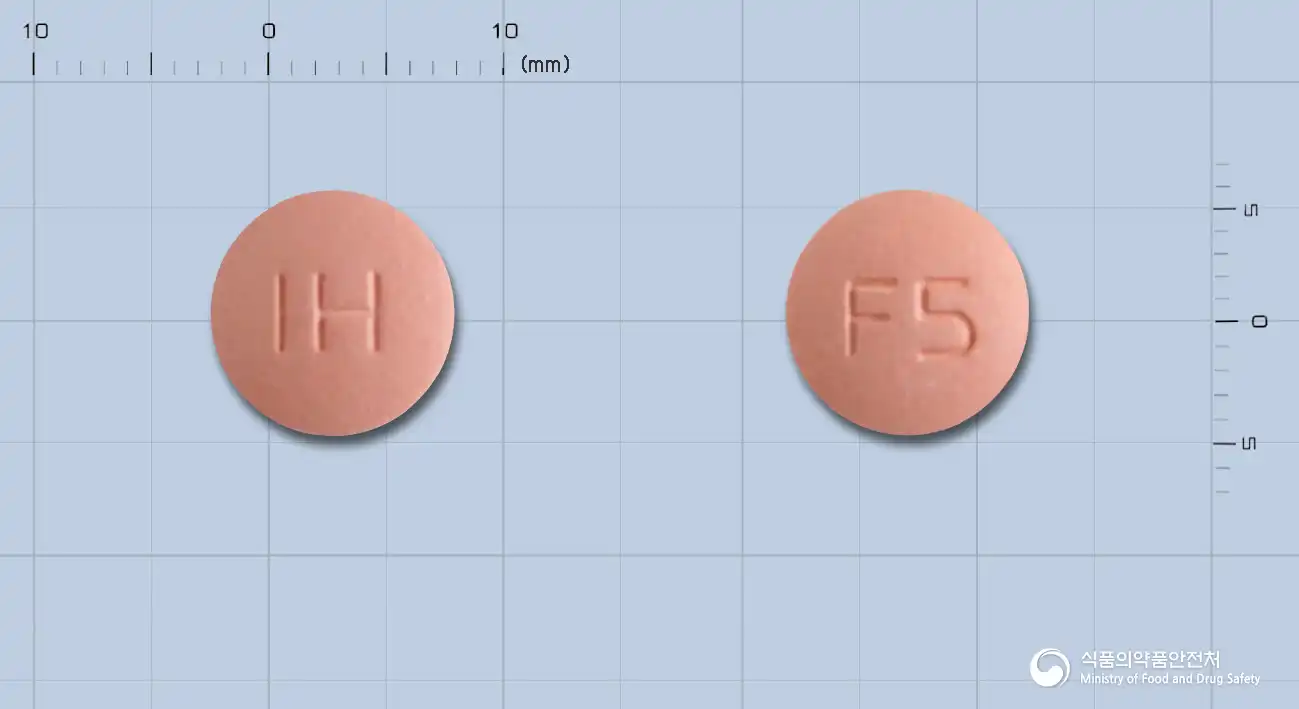 Viewing now
Pelodip (Felodipine)
Felodipine 5mg
Tablet · Prescription medication
Ilhwa Co., Ltd.
MFDS item code 201308906 · Approved 2013.08.20 · Insurance code 640902630
Treatment of hypertension and stable angina
This medication is used for hypertension and stable angina.
Swallow this medicine whole with water. Do not split, chew, or crush it. Hypertension: The initial dose of felodipine is 5㎎ once daily, and the maintenance dose is 5-10㎎ once daily, administered orally in the morning. Do not exceed 20㎎ daily. This medicine may be administered in combination with a β-blocker or diuretic. If other antihypertensive agents are unsuitable, it may be administered as monotherapy. Adjust the dose according to the patient's response to treatment. Stable angina: Administer an initial dose of 5㎎ once daily; the dose may be increased to 10㎎ if needed. This medicine may be administered in combination when β-blockers do not provide an adequate effect. Adjust the dose according to the patient's response to treatment. Elderly patients: Administer with caution while monitoring the patient's condition; consider an initial dose of 2.5㎎ once daily. Patients with renal impairment: Renal impairment does not affect blood felodipine concentrations. Dose adjustment is not necessary, but use with caution in patients with severe renal impairment (GFR<30ml/min). Patients with hepatic impairment: Blood felodipine concentrations may increase in patients with hepatic impairment, and they may respond to treatment at lower doses. Therefore, use with caution in patients with hepatic impairment, considering an initial dose of 2.5㎎ once daily. Do not administer to patients with severe hepatic impairment.
Pediatric patients: Safety and efficacy in children have not been established.
This medication should not be taken by women who are pregnant or may become pregnant. Patients with severely impaired cardiac function or those with very low blood pressure should also avoid using this medication. Additionally, it is not safe for patients who have had allergic reactions to this medication or have certain heart valve diseases. Patients with severe liver or kidney dysfunction, as well as those with acute myocardial infarction or unstable angina, should use this medication with caution. This medication contains certain dyes and lactose, so patients allergic to these components or with inherited metabolic disorders should avoid taking it. When starting this medication or increasing the dosage, symptoms such as flushing, headache, and rapid heartbeat may occur. These symptoms are usually temporary and can vary with the dosage. Rarely, blood pressure may drop too low, leading to dizziness or fainting, and gastrointestinal symptoms such as indigestion, nausea, and constipation may also occur. Attention to dental and gum health is necessary, and liver function test levels may rise, requiring regular monitoring. Additionally, skin rashes or itching, and rarely severe allergic reactions may occur, so if these symptoms develop, the medication should be discontinued immediately. This medication lowers blood pressure, so suddenly stopping it can worsen symptoms. Therefore, do not stop taking it without a doctor's guidance, and it is advisable to avoid driving or operating dangerous machinery during use. The medication should be taken in the morning and can be taken on an empty stomach or after a light meal. This medication may interact with other drugs, particularly antihypertensives, certain antibiotics, antifungals, anticonvulsants, and grapefruit juice, so caution is needed when taking them together. Taking it with grapefruit juice can increase the drug concentration and the risk of side effects, so it should be avoided. Safety during pregnancy has not been established, and there are reports of potential effects on the fetus from animal studies, so it is advisable for pregnant or nursing women to avoid using this medication. Safety for pediatric patients has also not been established. Elderly patients should start at lower doses to avoid excessively low blood pressure, which may increase the risk of stroke, and should be monitored closely during treatment. In case of overdose, symptoms such as hypotension, cardiac arrhythmias, and altered consciousness may occur, and immediate emergency treatment is needed. This may include inducing vomiting, gastric lavage, appropriate medication treatment, and cardiac function monitoring. Dizziness or fatigue may occur while taking this medication, so caution is advised while driving or operating machinery.
Facial flushing, headache, palpitations, dizziness, fatigue, tachycardia, feeling of suffocation, chest tightness, ankle edema, hypotension accompanied by tachycardia that causes angina, extrasystoles, heaviness in the head, dizziness, staggering, lethargy, drowsiness, anxiety, sensory disturbances, fainting, nausea, constipation, discomfort in the stomach, heartburn, abdominal pain, loss of appetite, diarrhea, thirst, vomiting, gingival hypertrophy, gingivitis, elevated AST, elevated ALT, elevated ALP, elevated LDH, elevated BUN, elevated creatinine, anemia, rash, itching, exfoliative dermatitis, skin flushing, urticaria, photosensitivity reactions, lip swelling, tongue swelling, vascular edema, leukocytoclastic vasculitis, myalgia, arthralgia, hyperglycemia, weight gain, peripheral edema, leg cramps, shoulder stiffness, weakness, tremor of the fingers, cough, throat discomfort, sweating, tearing, conjunctival hyperemia, paresthesia, gynecomastia, erectile dysfunction, sexual dysfunction, frequent urination, angioedema, fever, confusion, sleep disorders, hypotension, bradycardia, atrioventricular block, atrial separation, ventricular extrasystoles, failure of contraction, impaired consciousness, coma, seizures, respiratory distress, pulmonary edema, apnea, adult respiratory distress syndrome, acidosis, hypokalemia, hypothermia, nausea
Not everyone experiences these, and they can vary from person to person.
This medication should be stored in a dark container to avoid exposure to light and placed in a well-sealed container to protect from air. It is best to store the medication at room temperature between 1 to 30 degrees Celsius.
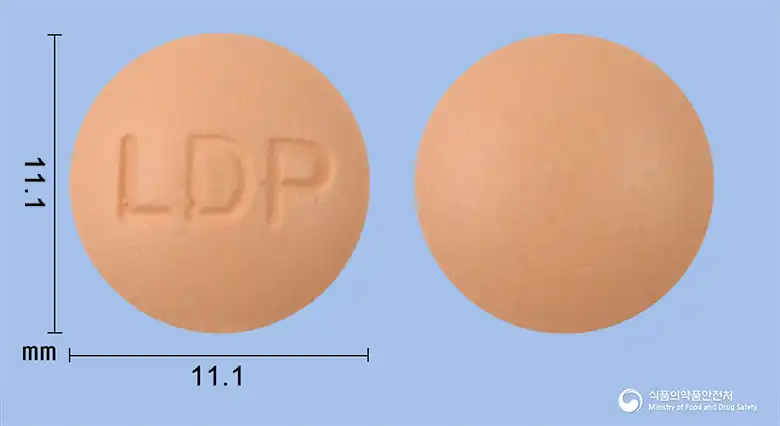
Pink round film-coated tablets
30 tablets/bottle, 100 tablets/bottle
Even with the same ingredient, strength, dosage form and how it is taken can differ.
Viewing nowFelodipine 5mg
Tablet · Prescription medication
Ilhwa Co., Ltd.
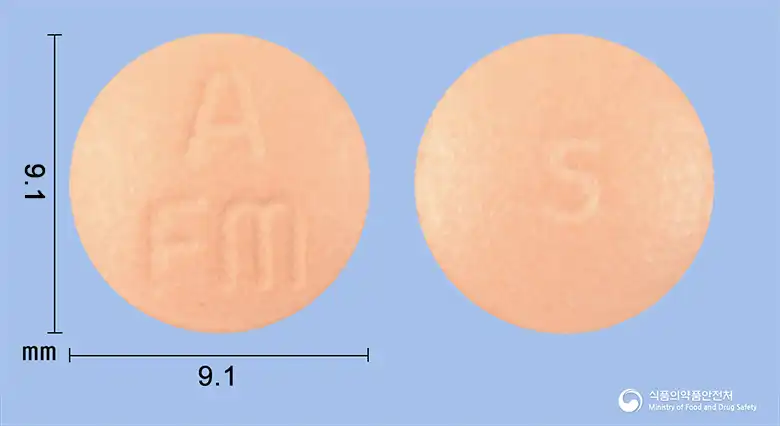
Felodipine 5mg
Tablet · Prescription medication
Yuhan Corporation (Co., Ltd.)
Felodipine 5mg
Prescription medication
Daewoong Pharmaceutical Co., Ltd.
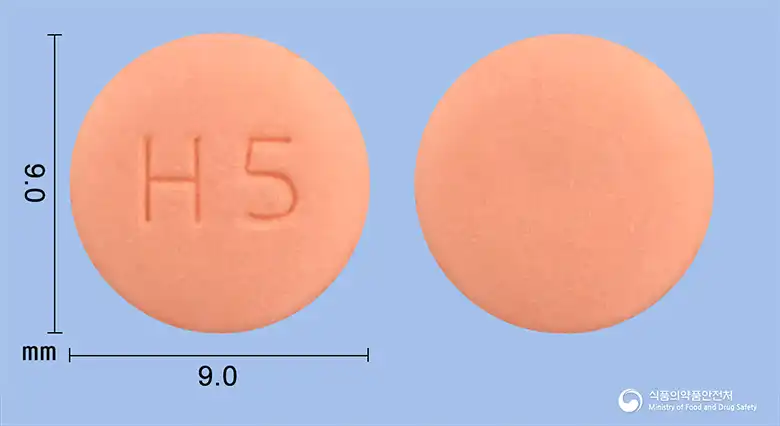
Felodipine 5mg
Tablet · Prescription medication
Hana Pharmaceutical Co., Ltd.
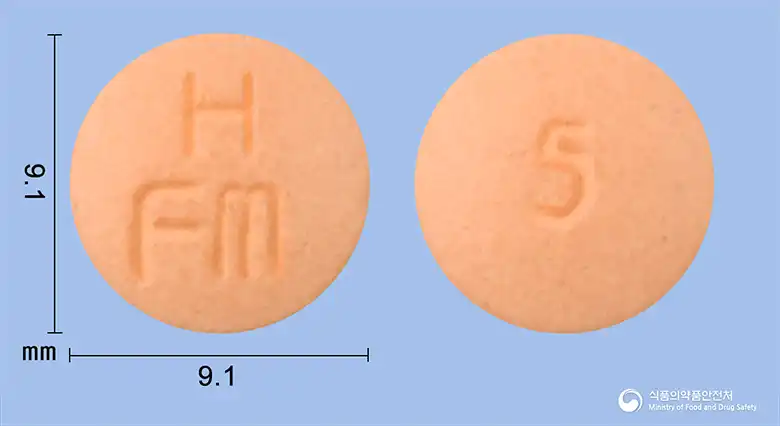
Felodipine 5mg
Tablet · Prescription medication
Future Bio Pharmaceutical Co., Ltd.
Felodipine 5mg
Tablet · Prescription medication
International Pharmaceutical Co., Ltd.
Felodipine 5mg
Tablet · Prescription medication
Samjin Pharmaceutical Co., Ltd.
Felodipine 5mg
Tablet · Prescription medication
Hanmi Pharmaceutical Co., Ltd.
Even with the same ingredient, the dose and directions can differ by strength and dosage form. Talk to a doctor or pharmacist before switching from a medication you are already taking.
No questions yet.
For anything that needs medical judgment, consult a doctor or pharmacist.
This drug information is based on data provided by the Korea Ministry of Food and Drug Safety.
Consult a doctor or pharmacist for accurate dosage, administration, and usage instructions.