
 한국어
한국어 English
 日本語
日本語 中文(简体)
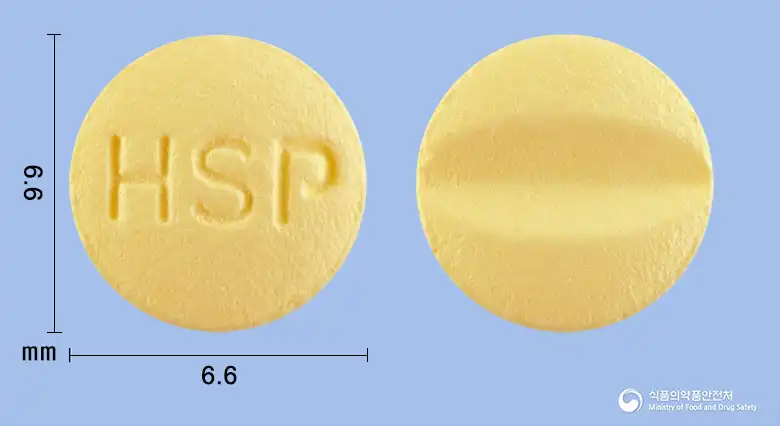
Dosage form image
Viewing nowRedipine M Tablet (Lercanidipine Hydrochloride)
Lercanidipine Hydrochloride
Prescription medication
Mothers Pharmaceuticals Co., Ltd.
MFDS item code 201308690 · Approved 2013.08.07
This product's status changed to Expired on 2023.08.07. It may no longer be sold, so consult a doctor or pharmacist before taking it.
Improvement of mild to moderate essential hypertension
This medication is used to control essential hypertension that is mild to moderate, meaning it helps regulate blood pressure to prevent strain on the heart and blood vessels.
As Lercanidipine Hydrochloride, administer orally at a dose of 5 to 10 mg once daily, at least 15 minutes before a meal. The dosage may be increased to 20 mg depending on the patient's symptoms. Since it takes approximately 2 weeks to clearly see maximum blood pressure-lowering effects, dosage adjustments should be made gradually. There is no need for dosage adjustment in the elderly, but caution is advised at the beginning of treatment. Patients with mild to moderate liver or kidney impairment require caution during the initiation phase.
This medication should not be used in certain patients. It should not be administered to individuals allergic to this drug or similar medications, women who are pregnant or breastfeeding, patients with specific heart issues, severe liver or kidney diseases, recent myocardial infarction, patients undergoing dialysis, children and teenagers under 18 years of age, and those with certain genetic issues such as lactose intolerance. This medication should be used cautiously in some patients. Caution is needed for those with heart rhythm abnormalities, left ventricular dysfunction, patients with mild to moderate kidney or liver dysfunction, those with a history of angina, individuals who frequently consume alcohol, and the elderly. When taking this medication, various side effects may occur. The most common side effects include flushing of the face, swelling of the hands and feet, and rapid heart rate, while rare occurrences may include lower blood pressure or chest pain. Additionally, symptoms such as headache, dizziness, fatigue, indigestion, nausea, abdominal pain, and diarrhea may appear. If signs of liver dysfunction occur, regular testing is required, and the medication should be stopped if abnormalities are detected. Rarely, symptoms such as gingival hyperplasia, skin rash, and muscle pain can also occur, so the condition should be carefully monitored. Suddenly stopping this medication may worsen symptoms, so dosage should be gradually reduced following a doctor's instructions. Care is needed while driving or operating machinery if experiencing dizziness or drowsiness. This medication is metabolized by specific enzymes in the liver; therefore, using it with drugs that inhibit or promote these enzymes may alter its effectiveness. Caution is particularly warranted when taken with certain antifungals, antibiotics, immunosuppressants, anticonvulsants, grapefruit juice, as these can change blood levels. Additionally, taking it with alcohol may intensify blood pressure-lowering effects and should be avoided. It is safer for pregnant or breastfeeding women not to take this medication. Animal studies have reported side effects in fetuses at high doses, and clinical safety has not been established. This medication is not for use in children or adolescents under 18 years. Special dosage adjustments for the elderly are not necessary, but caution is recommended at the start of treatment. In cases of overdose, severe hypotension and rapid heart rate may occur, requiring immediate medical attention. It is difficult to remove this medication through blood dialysis as it is highly lipophilic, so cardiovascular status should be monitored for at least 24 hours in overdose cases. This medication should be stored out of reach of children, and it is important not to transfer it to other containers to maintain drug quality and prevent accidents.
Flushing, peripheral edema, palpitations, tachycardia, headache, dizziness, weakness, fatigue, drowsiness, neurasthenia, indigestion, nausea, vomiting, abdominal pain, diarrhea, polyuria, frequent urination, gingival hyperplasia, rash, muscle pain, insomnia, dry mouth, tingling in hands, cough, abdominal bloating, erectile dysfunction, hypotension, arrhythmia, sweating, skin tingling, premature contractions, stiffness of the tongue, increased ventricular premature contractions, gastrointestinal disturbances
Not everyone experiences these, and they can vary from person to person.
This medication must be stored in a tightly sealed container to prevent exposure to air or moisture. It is recommended to maintain a storage temperature between 1°C to 30°C. Proper storage will help retain the medication's efficacy over time.
Yellow round film-coated tablet
Company packing unit
Even with the same ingredient, strength, dosage form and how it is taken can differ.
Lercanidipine Hydrochloride
Prescription medication
Mothers Pharmaceuticals Co., Ltd.

Lercanidipine Hydrochloride 10mg
Tablet · Prescription medication
LG Chem, Ltd.

Lercanidipine Hydrochloride 10mg
Tablet · Prescription medication
Jongkundang Co., Ltd.

Lercanidipine Hydrochloride 10mg
Tablet · Prescription medication
Yuyu Pharmaceutical Co., Ltd.

Lercanidipine Hydrochloride 10mg
Tablet · Prescription medication
Samsung Pharmaceutical Co., Ltd.

Lercanidipine Hydrochloride 10mg
Tablet · Prescription medication
Ildong Pharmaceutical Co., Ltd.
Lercanidipine Hydrochloride 10mg
Tablet · Prescription medication
Celltrion Pharmaceutical Co., Ltd.
Lercanidipine Hydrochloride 10mg
Tablet · Prescription medication
Yuhan Corporation
Even with the same ingredient, the dose and directions can differ by strength and dosage form. Talk to a doctor or pharmacist before switching from a medication you are already taking.
No questions yet.
For anything that needs medical judgment, consult a doctor or pharmacist.
This drug information is based on data provided by the Korea Ministry of Food and Drug Safety.
Consult a doctor or pharmacist for accurate dosage, administration, and usage instructions.