
 한국어
 English
 日本語
 中文(简体)
 Viewing now
Melody Orally Disintegrating Tablet 15 mg (Meloxicam)
Meloxicam 15mg
Orally disintegrating Tablet · Prescription medication
NM Pharmaceutical Co., Ltd.
MFDS item code 201308619 · Approved 2013.07.31 · Insurance code 685900090
Rheumatoid arthritis; acute exacerbations of osteoarthritis; relief of symptoms of ankylosing spondylitis
This medication is used for short-term relief of symptoms when osteoarthritis, accompanied by pain and movement disorders, worsens. It also helps in effectively treating symptoms due to rheumatoid arthritis and ankylosing spondylitis. By reducing pain and inflammation in the joints, it can improve discomfort in daily life. Therefore, it is used for symptom treatment of osteoarthritis, rheumatoid arthritis, and ankylosing spondylitis.
1. For acute exacerbations of osteoarthritis (degenerative joint disease): Adults: Administer meloxicam 7.5 mg orally once daily. If symptoms do not improve, the dose may be increased to 15 mg daily as needed. 2. For rheumatoid arthritis and ankylosing spondylitis: Adults: Administer 15 mg of this medicine orally once daily. The dose may be reduced to 7.5 mg daily according to response to treatment. Do not administer more than 15 mg of this medicine daily. Place this medicine on the tongue and allow it to dissolve completely in saliva for about 5 minutes, then take it with water. Do not chew this medicine or swallow it before it dissolves. In elderly patients or those at increased risk of adverse reactions, treatment is usually initiated at a dose of 7.5 mg daily. Patients with severe renal failure receiving hemodialysis should not receive more than 7.5 mg daily.
This medication may increase the risk of gastrointestinal bleeding if taken by individuals who drink more than three alcoholic beverages daily, so consultation with a doctor or pharmacist is essential. The ingredients in this medication may increase the risk of cardiovascular events such as heart attacks or strokes. If you notice symptoms such as chest pain, shortness of breath, weakness, or slurred speech while taking this medication, you should stop taking it immediately and consult a healthcare professional. Additionally, this medication may cause serious gastrointestinal issues such as bleeding or ulceration, so special caution is needed for individuals with a history of gastrointestinal diseases or the elderly. Severe allergic reactions such as skin rash, blisters, or mucosal damage can occur, and if these symptoms appear, you must stop taking the medication immediately. This drug can affect kidney and liver function, so individuals with kidney or liver issues require regular check-ups, and if symptoms worsen, treatment should be discontinued. Women who are pregnant or planning to become pregnant should not take this medication, and it should also be avoided during breastfeeding. This medication can affect blood clotting, so patients with coagulation disorders or those taking anticoagulants need to use it cautiously. There may be interactions with other medications, so you should inform your healthcare provider of all current medications and seek consultation. Elderly patients may have weakened kidney, liver, or heart functions, so it is necessary to start with the minimum dose and monitor for abnormal symptoms. In case of an overdose, symptoms may include drowsiness, nausea, vomiting, abdominal pain, and in severe cases, decreased kidney or liver function, respiratory distress, or seizures, requiring immediate medical attention. This medication should be stored out of reach of children and kept sealed in its original container.
Gastrointestinal bleeding, serious cardiovascular thrombotic reactions, myocardial infarction, stroke, bleeding of the stomach or intestines, ulcers, perforation, exfoliative dermatitis, mucocutaneous syndrome, toxic epidermal necrolysis, anaphylactic reaction, interstitial nephritis, glomerulonephritis, renal medullary necrosis, nephrotic syndrome, elevated serum transaminases, increased liver function tests, elevated plasma creatinine, increased blood urea nitrogen, aplastic anemia, bone marrow suppression, changes in blood cell counts, leukopenia, thrombocytopenia, anemia, decreased plasma iron, decreased hemoglobin, reduced hematocrit, neutrophilia, eosinophilia, basophilia, monocytosis, agranulocytosis, anaphylaxis, anaphylactoid reactions, discomfort, confusion, loss of orientation, mood changes, mood disorders, insomnia, nightmares, anxiety, increased appetite, depression, irritability, dizziness, drowsiness, headache, cephalgia, fatigue, malaise, taste dysfunction, mental stupor, seizures, sensory disturbances, tremors, blurred vision, visual impairment, conjunctivitis, foreign body sensation in the eye, conjunctival hemorrhage, tinnitus, palpitations, increased blood pressure, flushing, facial flushing, arrhythmia, tachycardia, hypotension, hypertension, myocardial infarction, angina pectoris, heart failure, vasculitis, cough, upper respiratory infection, asthma, bronchial spasm, dyspnea, dyspepsia, nausea, vomiting, abdominal pain, constipation, bloating, diarrhea, anorexia, peptic ulcer, occult gastrointestinal bleeding, macroscopic gastrointestinal bleeding, stomatitis, gastritis, esophagitis, belching, dry mouth, thirst, angular cheilitis, occult blood in stool, gastric perforation, colitis, pancreatitis, melena, perforated peptic ulcer, hepatitis, elevated plasma transaminase levels, increased bilirubin, jaundice, liver failure, alopecia, increased sweating, skin rash, urticaria, itching, angioedema, vesicular dermatitis, erythema multiforme, photosensitivity reactions, contact dermatitis, fixed drug eruption, urinary retention, elevated plasma creatinine levels, elevated urea levels, proteinuria, glucosuria, increased urinary sediment, hematuria, sodium and fluid retention, hyperkalemia, acute kidney failure, decreased urine output, frequent urination, urinary tract infection, interstitial nephritis, edema, peripheral edema, lethargy, fever, facial edema, syncope, weight loss, weight gain, axillary pain, breast pain, arthralgia, back pain, chest pain in the axilla, stiffness, weakness in the lower limbs, decreased female reproductive ability, dehydration
Not everyone experiences these, and they can vary from person to person.
This medication must be stored in a tightly sealed container to prevent exposure to air or moisture. It is important to maintain a storage temperature between 1 degree and 30 degrees Celsius.
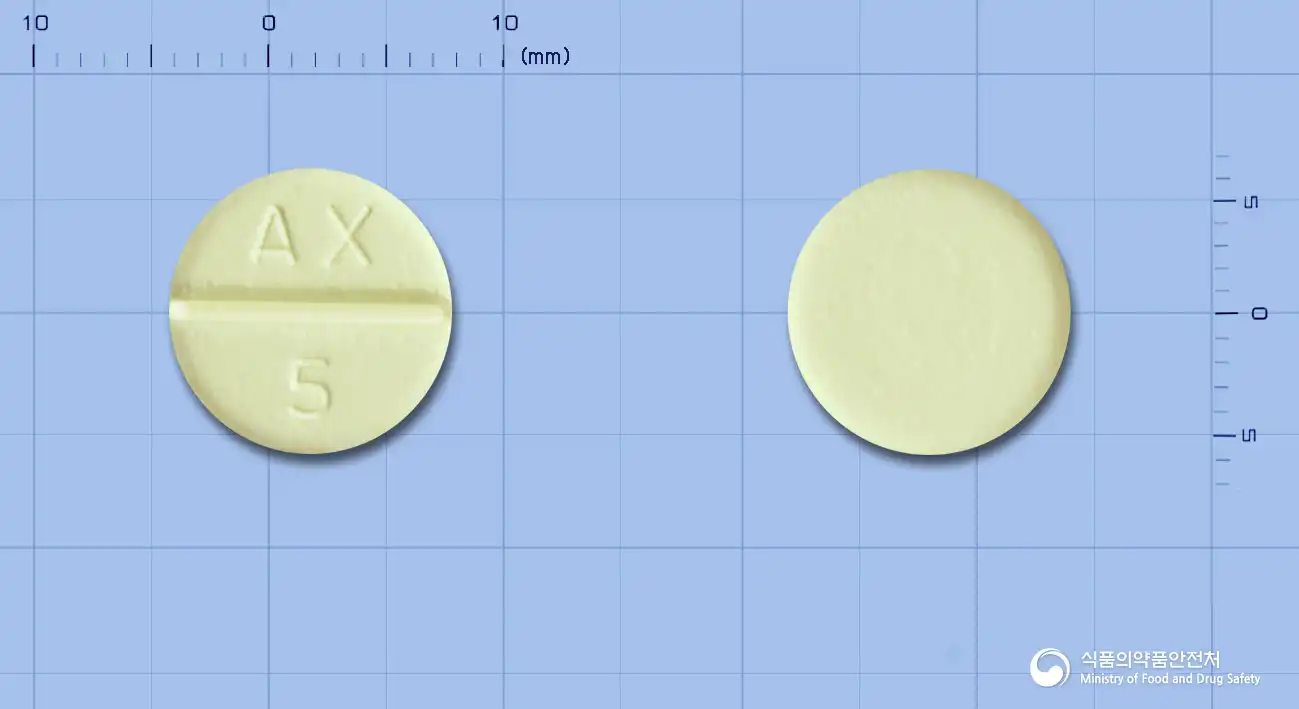
Pale yellow, flat, round orally disintegrating tablet
Box containing 3 aluminum-aluminum blister packs, each with 10 tablets
Even with the same ingredient, strength, dosage form and how it is taken can differ.
Viewing nowMeloxicam 15mg
Orally disintegrating Tablet · Prescription medication
NM Pharmaceutical Co., Ltd.

Meloxicam 7.5mg
Hard capsule · Prescription medication
Shinpoong Pharmaceutical Co., Ltd.
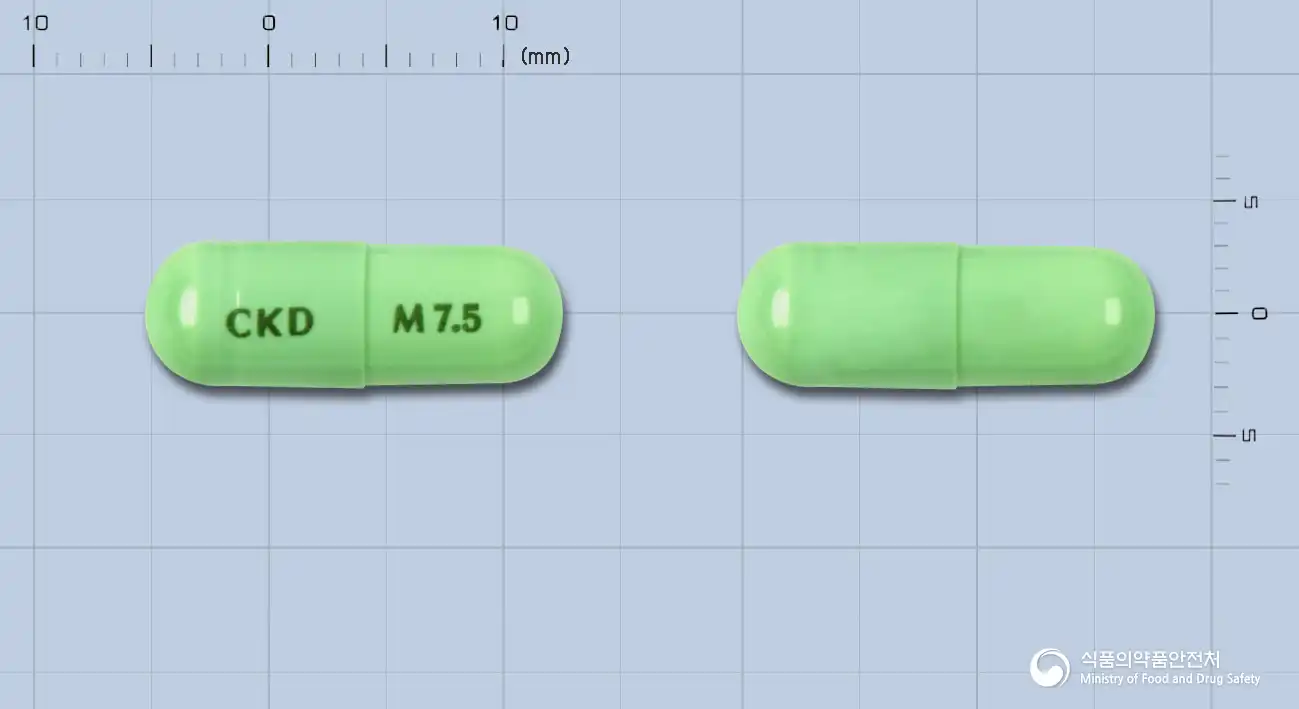
Meloxicam 7.5mg
Hard capsule · Prescription medication
Jongkundang Co., Ltd.
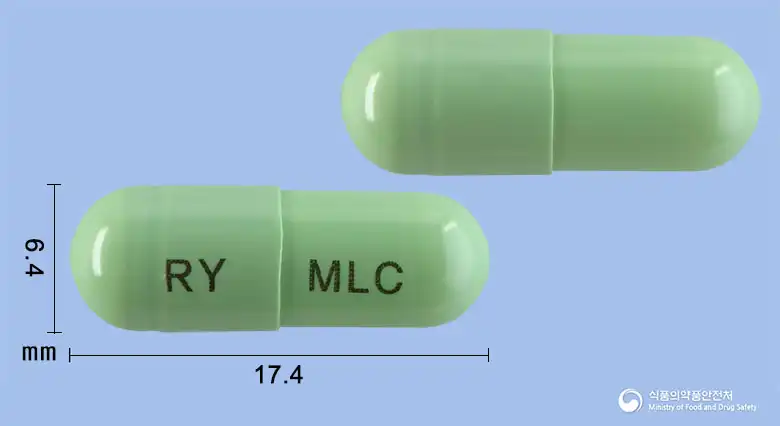
Meloxicam 7.5mg
Hard capsule · Prescription medication
IYUN Pharmaceutical Co., Ltd.
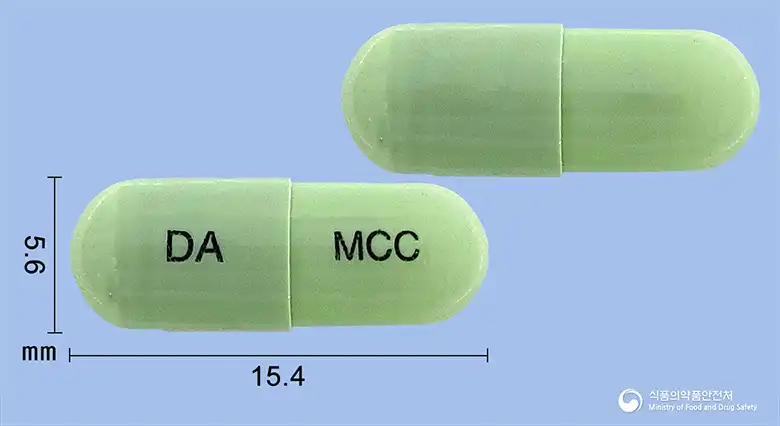
Meloxicam 7.5mg
Hard capsule · Prescription medication
Dong-A ST Co., Ltd.
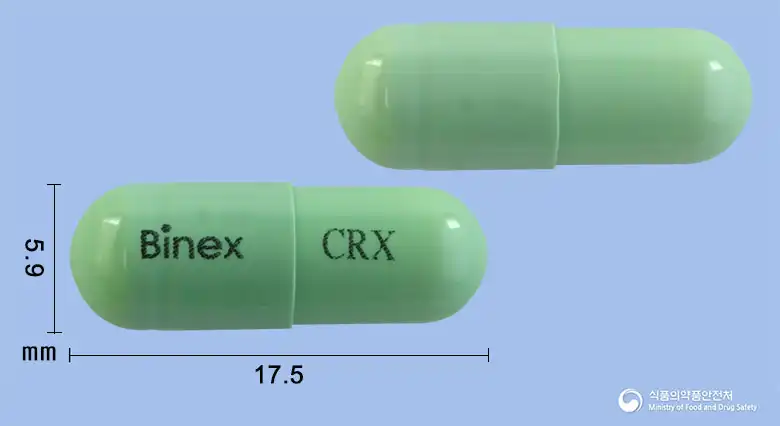
Meloxicam 7.5mg
Hard capsule · Prescription medication
Bionex Co., Ltd.
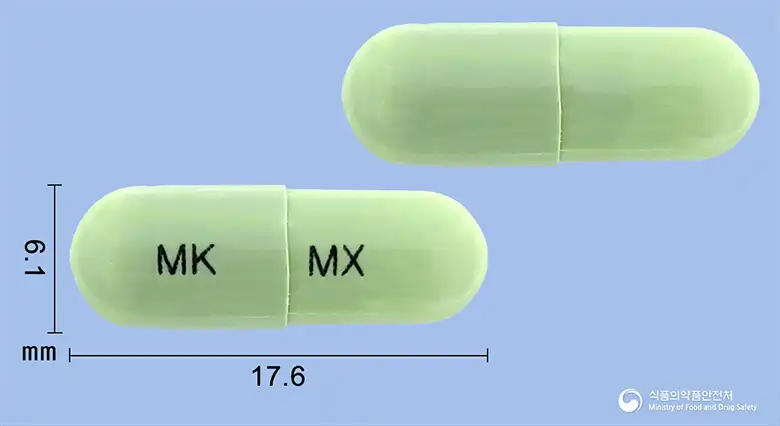
Meloxicam 7.5mg
Hard capsule · Prescription medication
Medica Korea Co., Ltd.
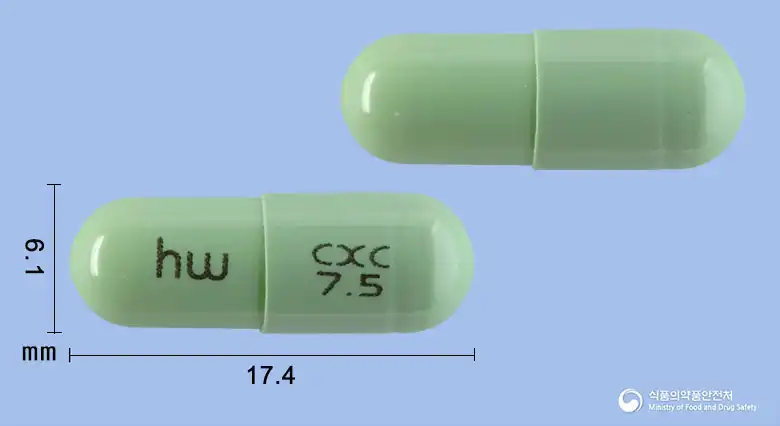
Meloxicam 7.5mg
Hard capsule · Prescription medication
Hawon Pharmaceutical Co., Ltd.
Even with the same ingredient, the dose and directions can differ by strength and dosage form. Talk to a doctor or pharmacist before switching from a medication you are already taking.
No questions yet.
For anything that needs medical judgment, consult a doctor or pharmacist.
This drug information is based on data provided by the Korea Ministry of Food and Drug Safety.
Consult a doctor or pharmacist for accurate dosage, administration, and usage instructions.