
 한국어
한국어 English
 日本語
日本語 中文(简体)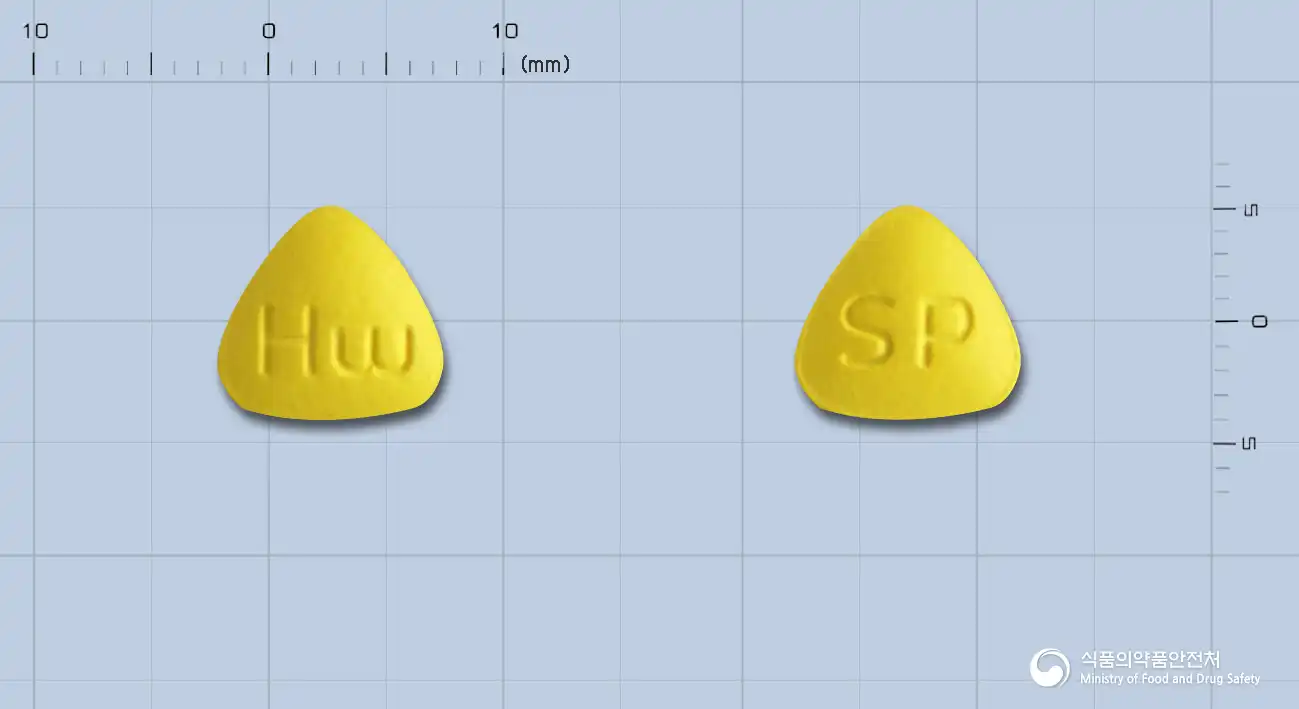
Summary
- Main use
- Improvement of bone and dental developmental deficiencies and prevention of rickets
- Who takes it
- Adults
- Adult dose
- For individuals aged 8 years and older, take 2 tablets twice a day.
Ingredients
- Phytonadione 5%0.5mg / 1 tablet
- Thiamine Nitrate1.3mg / 1 tablet
- Pyridoxine Hydrochloride1.4mg / 1 tablet
- Riboflavin1.5mg / 1 tablet
- Cholecalciferol Concentrate Powder2mg / 1 tablet
- Tocopherol Acetate 50%10mg / 1 tablet
- Anhydrous Dibasic Calcium Phosphate86mg / 1 tablet
- Manufacturer
- 알보젠코리아(주)
Efficacy & effects
Improvement of bone and dental developmental deficiencies and prevention of rickets
- Physical fatigue
- reduced physical strength
- bone developmental deficiency
View approved original textHide original text
The vitamins D, E, B1, B2, B6 contained in this medicine are used during physical fatigue, during pregnancy and breastfeeding, and in cases of reduced physical strength due to illness or post-illness. They also support the health of children during their developmental stages and the elderly, and are effective in improving bone and dental development deficiencies and preventing rickets. Therefore, these vitamins serve to replenish nutrients that are easily deficient in various ages and conditions to maintain and enhance health.
How to take
Adult dose
For individuals aged 8 years and older, take 2 tablets twice a day.
Precautions
This medicine should not be taken by patients with hypercalcemia who have high calcium levels in the blood, those with sarcoidosis, a systemic inflammatory disease of unknown cause, and individuals with kidney disease. Additionally, those with allergic reactions to this medicine or its ingredients, infants under 12 months of age, patients with kidney stones, and individuals with severe renal insufficiency should avoid taking this medicine. It contains lactose, so individuals with lactose intolerance, lactase deficiency, or genetic issues such as glucose-galactose malabsorption should not take this medication. During the use of this medicine, it is advised to avoid taking phosphate, calcium, oral tetracyclines, antacids, and medications like levodopa together. Infants under 1 year of age, individuals receiving medical treatment, children exposed to sunlight frequently and eating normally, women who are pregnant or may become pregnant, nursing mothers, premature infants, and young children should consult a doctor or pharmacist before use. Caution is particularly needed as vitamin D can be secreted into breast milk and cause hypercalcemia in newborns. Those with heart and circulatory functional disorders, kidney disorders, hypoproteinemia, and those taking cardiac glycosides, should consult a specialist before use. This medicine contains the dye Yellow No. 5, so individuals with allergies or hypersensitivity to this component should be cautious when taking it. If symptoms such as nausea, vomiting, diarrhea, abdominal discomfort, constipation, rash, skin redness, or irregular heartbeat appear during use, stop taking the medicine immediately and consult a specialist. This medicine may affect the menstrual cycle and prolonged bleeding may occur, hence caution is necessary. Women taking oral contraceptives containing estrogen or individuals predisposed to thrombosis may have an increased risk of thrombosis when taking vitamin E concurrently. High doses of pyridoxine taken over long periods may lead to neurological symptoms, so caution is advised. In case of overdose, symptoms like nausea, vomiting, edema, and heart failure may occur, so it is important to adhere to the prescribed dosage and regimen. When administering to children, supervision by a guardian is necessary, and this medication may cause urine to turn yellow, which can affect clinical test results. It is advisable to avoid beverages containing tannins, such as green tea or black tea, before and after taking this medicine. Store this medication out of the reach of children and in a cool, dry place away from direct sunlight in a tightly sealed container. To prevent misuse and maintain quality, do not transfer to another container.
Side effects and when to seek care immediately
Mild side effects
Nausea, vomiting, diarrhea, abdominal discomfort, constipation, rash, redness, facial flushing, irregular heartbeat, menstruation occurring earlier than expected or prolonged bleeding, sensory neuropathy or neurological symptoms, gastrointestinal symptoms, hypernatremia, congestive heart failure, edema, hypercalcemia, nephrolithiasis, hyperkalemia
Not everyone experiences these, and they can vary from person to person.
Interactions
Drug interactions
Do not take together with phosphates, calcium salts, oral tetracycline preparations, antacids, or levodopa. Consult a doctor or pharmacist when taking along with cardiac glycosides, oral contraceptives containing estrogen, aldosterone antagonists, or triamterene.
Food interactions
Avoid drinks containing tannins, such as green tea and black tea, during and before and after taking the medication.
Storage
Store this medicine in a sealed container to prevent air ingress, preferably at room temperature between 1°C and 30°C. This will help maintain the effectiveness of the medicine.
Appearance and packaging
Appearance
Yellow triangular film-coated tablet
Package unit
100 tablets/bottle
Questions about this medicine
No questions yet.
For anything that needs medical judgment, consult a doctor or pharmacist.