
 한국어
한국어 English
 日本語
日本語 中文(简体)
 Viewing now
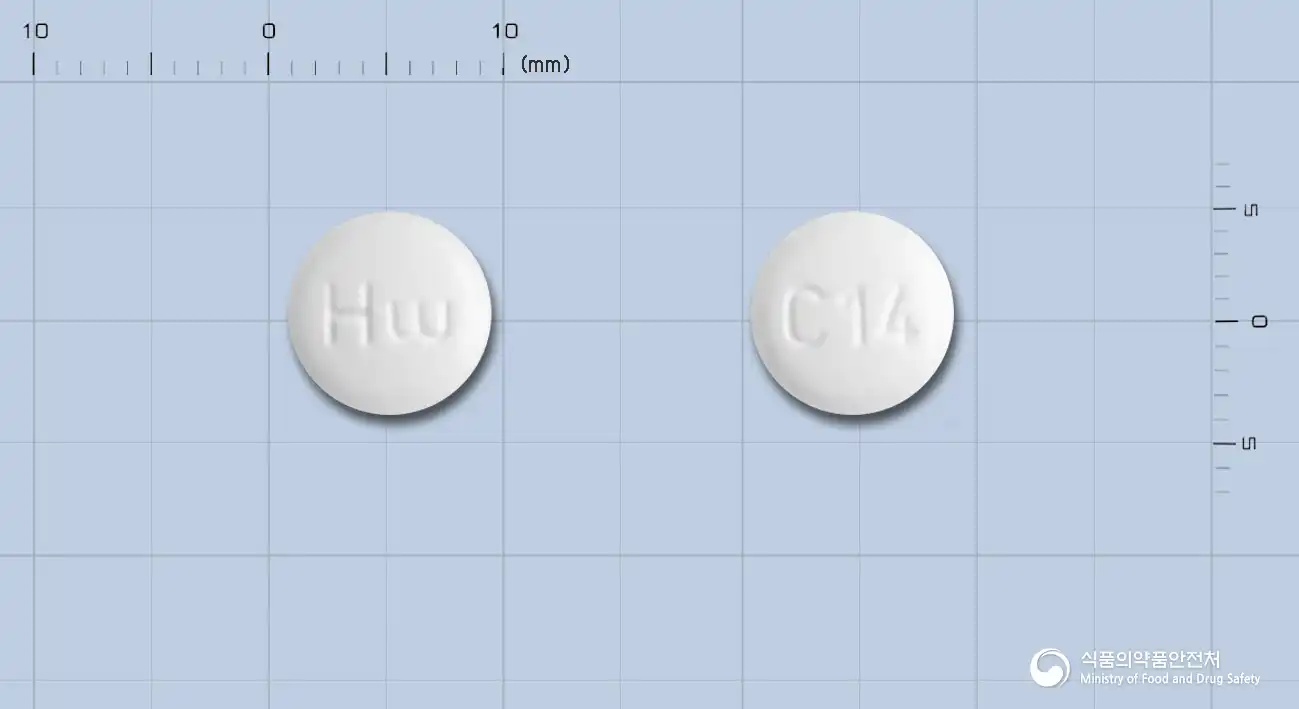
Lowtec Tablet 20mg (Olmesartan Medoxomil)
Olmesartan Medoxomil 20mg
Tablet · Prescription medication
SS Pharm Co., Ltd.
MFDS item code 201308509 · Approved 2013.07.30
Improvement of essential hypertension
Essential hypertension refers to a condition where blood pressure is persistently high. This medication lowers blood pressure, reducing the burden on the heart and blood vessels. By maintaining consistent use, it helps regulate blood pressure and contributes to the prevention of complications. It is used for the treatment of essential hypertension.
The recommended initial dose is 10mg once daily, administered regardless of meals. If blood pressure is not adequately controlled, the dose may be increased to 20mg once daily. In cases where additional blood pressure reduction is required, the dose may be increased up to a maximum of 40mg once daily. The blood pressure-lowering effect becomes evident within two weeks of starting treatment, with maximum effect observed in about eight weeks. If blood pressure is not adequately controlled with this medication alone, thiazide diuretics such as hydrochlorothiazide may be used in combination. For improved adherence, it is recommended to take the medication at the same time every day (e.g., in the morning). For patients who may have reduced intravascular effective blood volume (e.g., patients on diuretics, especially those with kidney impairment), it is advisable to start treatment at a lower dose while closely monitoring their condition.
This medication can cause serious harm to the fetus and newborn if taken during the second and third trimesters of pregnancy, so it must be discontinued immediately upon confirmation of pregnancy. Individuals allergic to any of the ingredients in this medication, pregnant or breastfeeding women, patients on kidney dialysis, those with severe liver impairment, and patients with bile duct obstruction should not take this medication. Patients sensitive to lactose should not take this medication, and certain diabetic patients or those with moderate to severe kidney impairment should not take this medication with other specific medications. Patients with low blood volume or sodium deficiency may experience hypotension, so their condition should be carefully assessed before taking this medication, and immediate appropriate action should be taken if hypotension occurs. Patients with weakened kidney function must have potassium and creatinine levels monitored frequently through blood tests while taking this medication, and safety has not been established for patients who have received a kidney transplant. Patients with certain heart conditions or those at risk of hyperkalemia should also exercise caution, and dizziness may occur due to blood pressure lowering, so they should avoid dangerous tasks or driving. This medication may cause a variety of mild side effects such as dizziness, headaches, abdominal pain, muscle pain, and rashes, and occasionally serious allergic reactions or liver function abnormalities can occur. If chronic diarrhea or weight loss occurs during treatment, medical consultation should be sought immediately, and if severe symptoms like intestinal vascular edema arise, the medication should be discontinued and appropriate treatment sought. Care must be taken when taking this medication with potassium-sparing diuretics or potassium supplements, as it may dangerously elevate potassium levels in the blood. When used in conjunction with other antihypertensives, the blood pressure-lowering effect may be enhanced, and when taken with lithium or certain NSAIDs, it may affect kidney function, so consultation with a healthcare professional is necessary. Taking this medication during pregnancy may cause serious side effects to the fetus; therefore, those planning to become pregnant or currently pregnant should inform their healthcare provider. For breastfeeding individuals, as this medication may be transmitted through breast milk, it might be necessary to consider stopping breastfeeding or discontinuing the medication. Safety for children has not been established, so caution should be exercised when used in pediatric patients. Elderly patients may experience changes in drug metabolism, so care should be taken when administering this medication to them. Overdose may result in hypotension and heart palpitations, and if symptoms are severe, immediate medical treatment should be sought.
Hives, severe swelling (facial swelling, angioedema, peripheral edema), chest pain, cold sweat, pallor, difficulty breathing, anaphylactic reaction, severe rash with high fever, blisters, skin peeling, pain in oral/eye mucosa, respiratory distress, asthma attack, respiratory abnormalities accompanied by coughing and fever, jaundice, liver function abnormalities (elevated liver function test results), severe headache, confusion, paralysis, visual disturbances, seizures, decreased urine output, severe swelling.
Not everyone experiences these, and they can vary from person to person.
This medication should be stored in a closed container to protect it from air and moisture. A cool place with a storage temperature between 1°C and 25°C is appropriate.
White round film-coated tablet
30 tablets/bottle
Even with the same ingredient, strength, dosage form and how it is taken can differ.
Viewing nowOlmesartan Medoxomil 20mg
Tablet · Prescription medication
SS Pharm Co., Ltd.
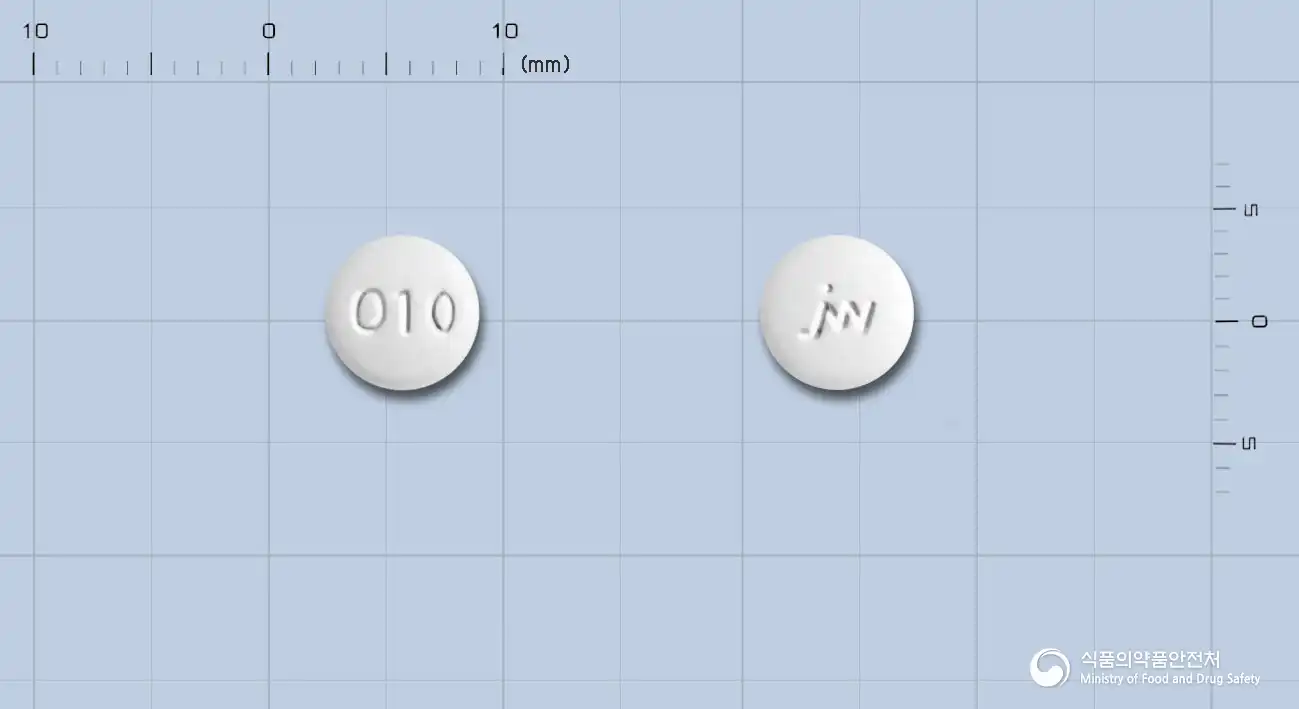
Olmesartan Medoxomil 10mg
Tablet · Prescription medication
JW Pharmaceutical Corporation
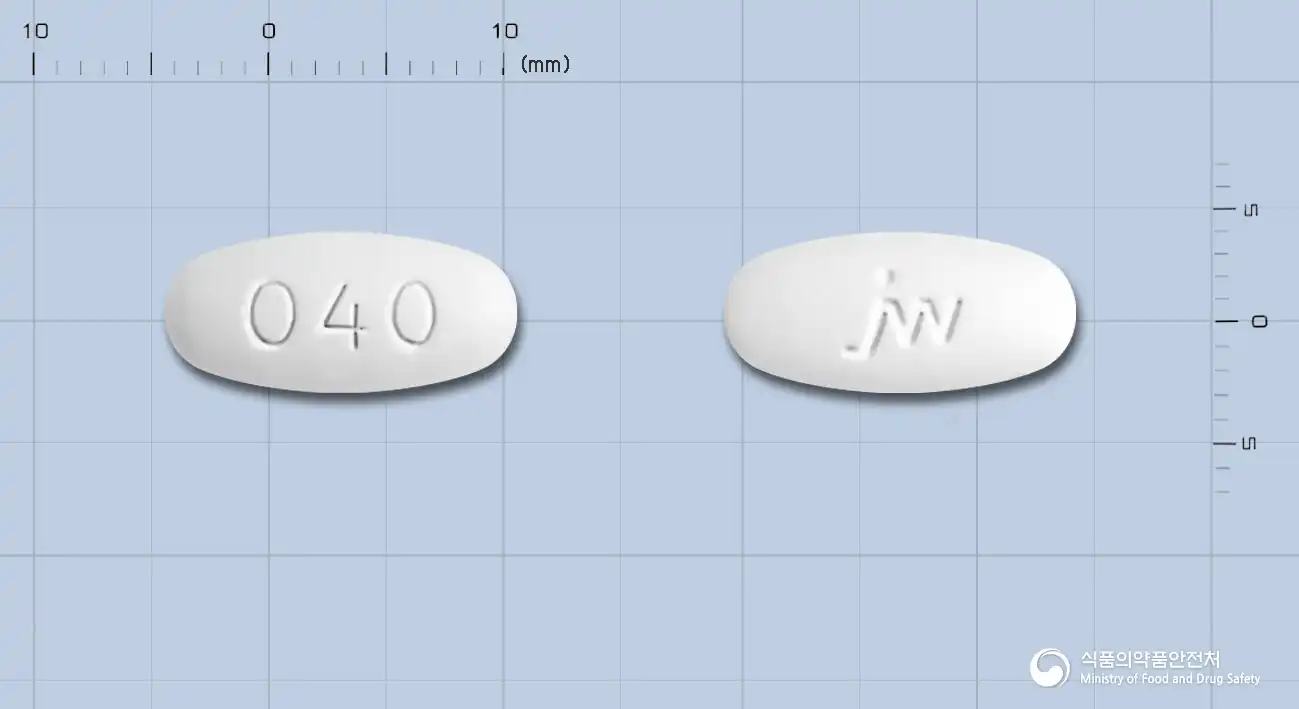
Olmesartan Medoxomil 40mg
Tablet · Prescription medication
JW Pharmaceutical Corp.
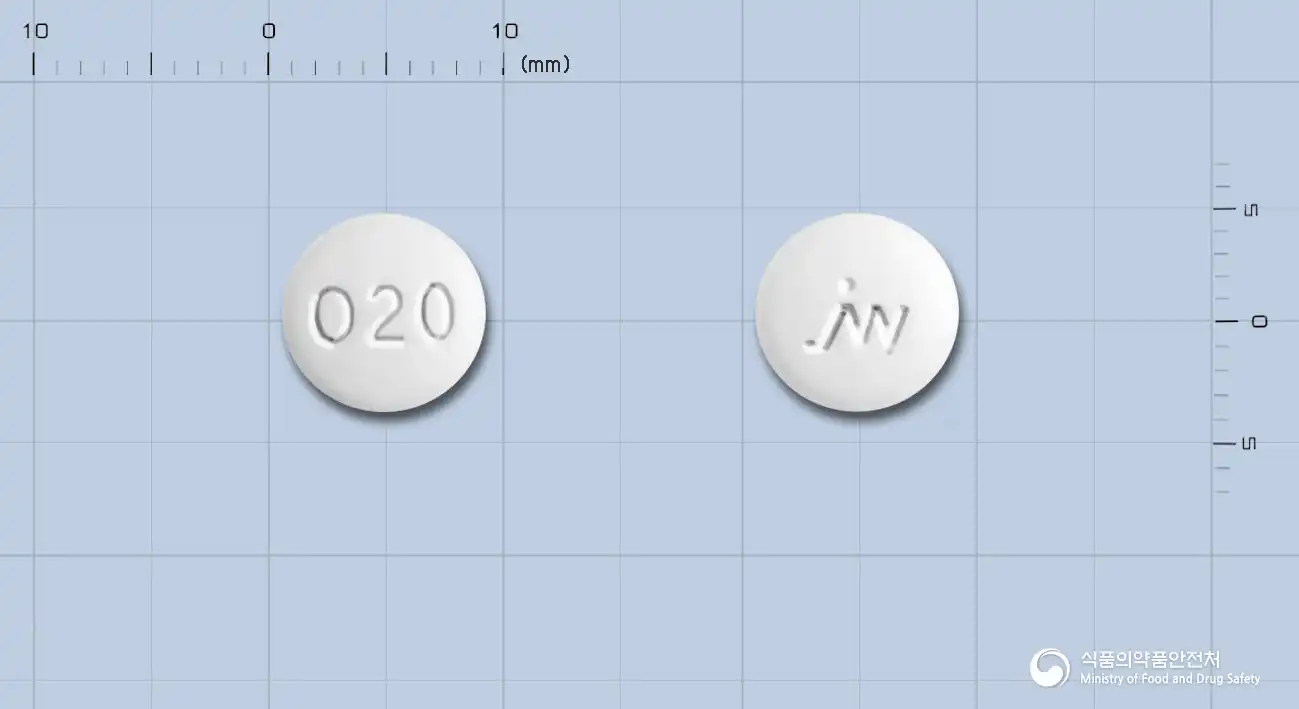
Olmesartan Medoxomil 20mg
Tablet · Prescription medication
JW Pharmaceutical Corporation
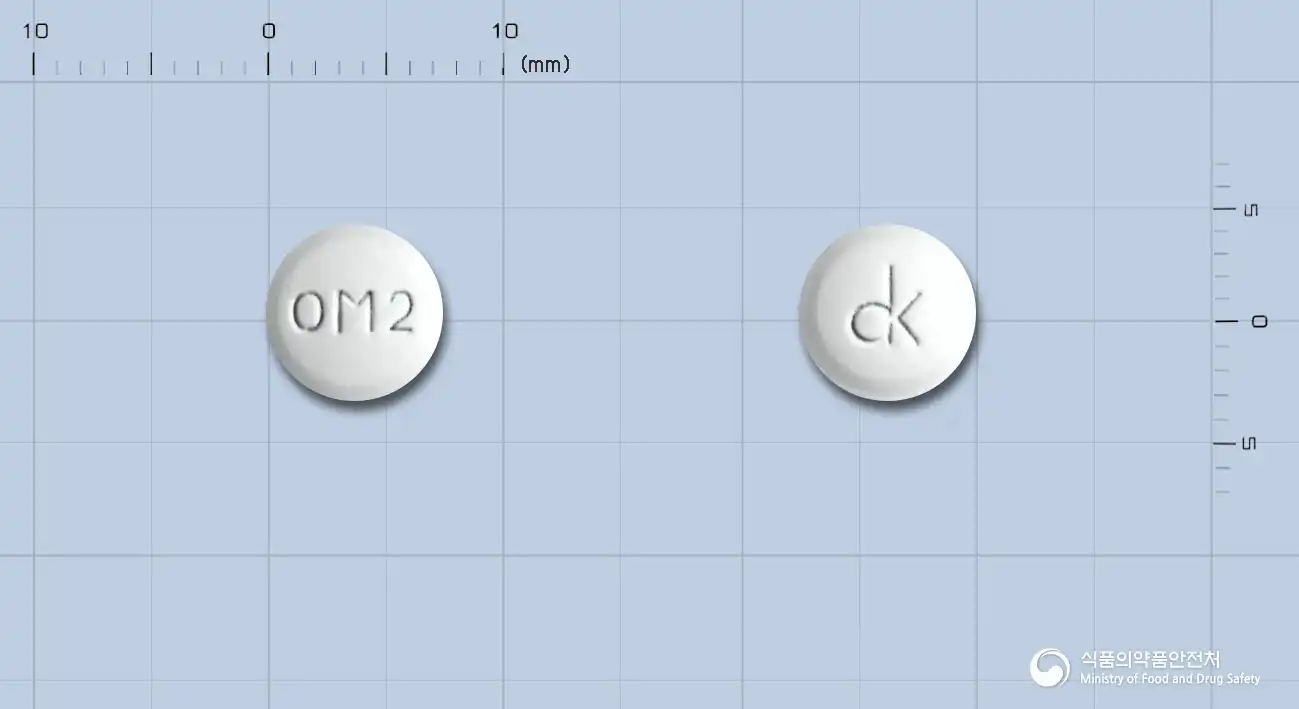
Olmesartan Medoxomil 20mg
Tablet · Prescription medication
Dongkuk Pharmaceutical Co., Ltd.
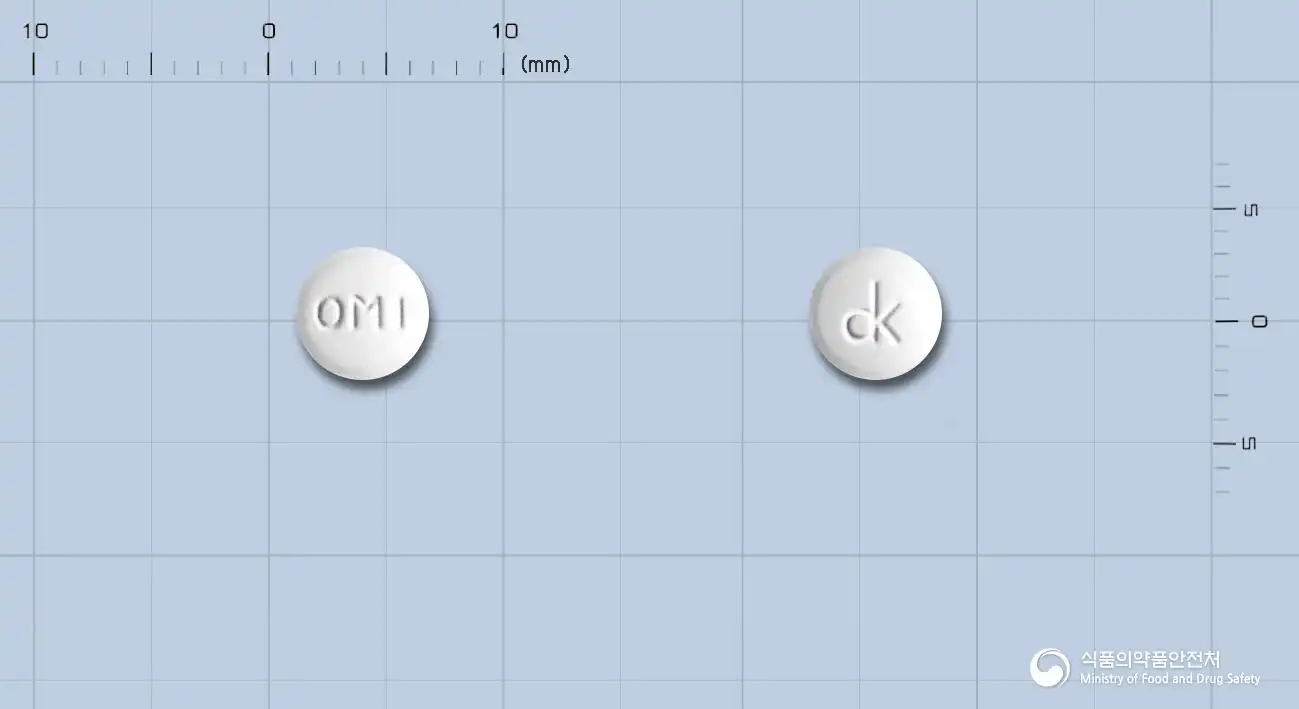
Olmesartan Medoxomil 10mg
Tablet · Prescription medication
DongKook Pharmaceutical Co., Ltd.
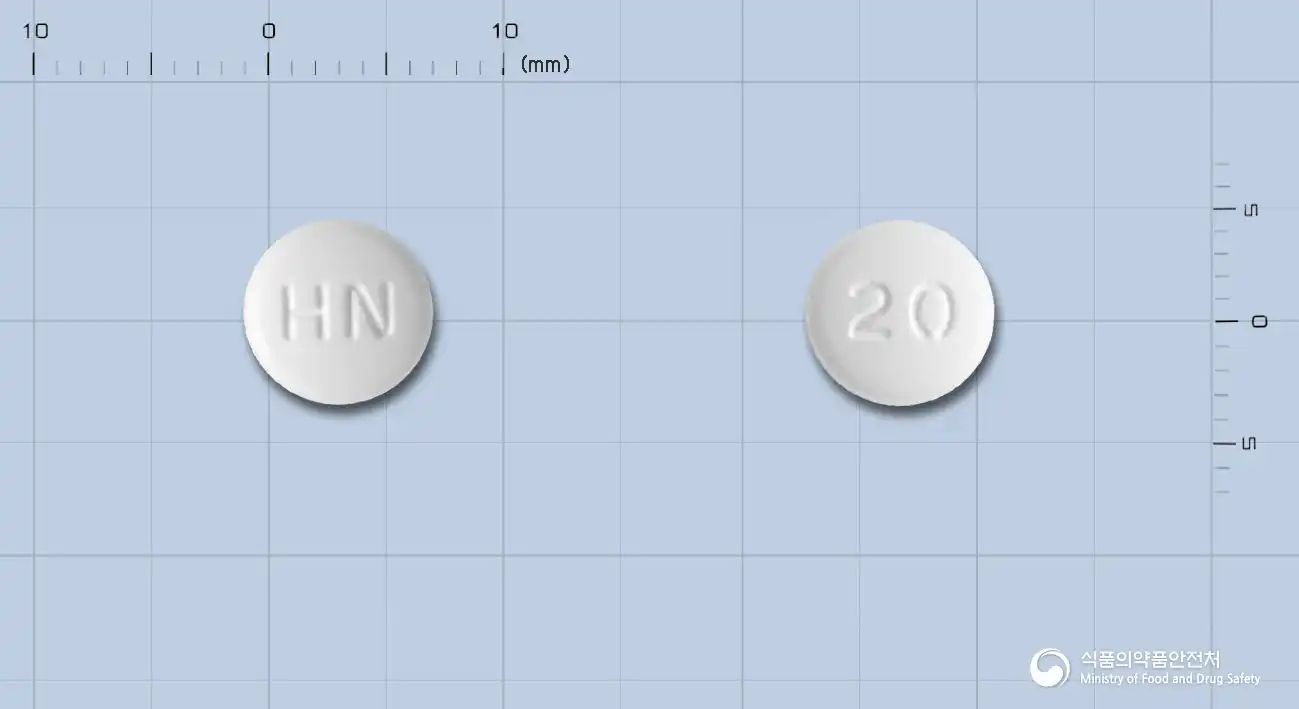
Olmesartan Medoxomil 20mg
Tablet · Prescription medication
Hana Pharmaceutical Co., Ltd.
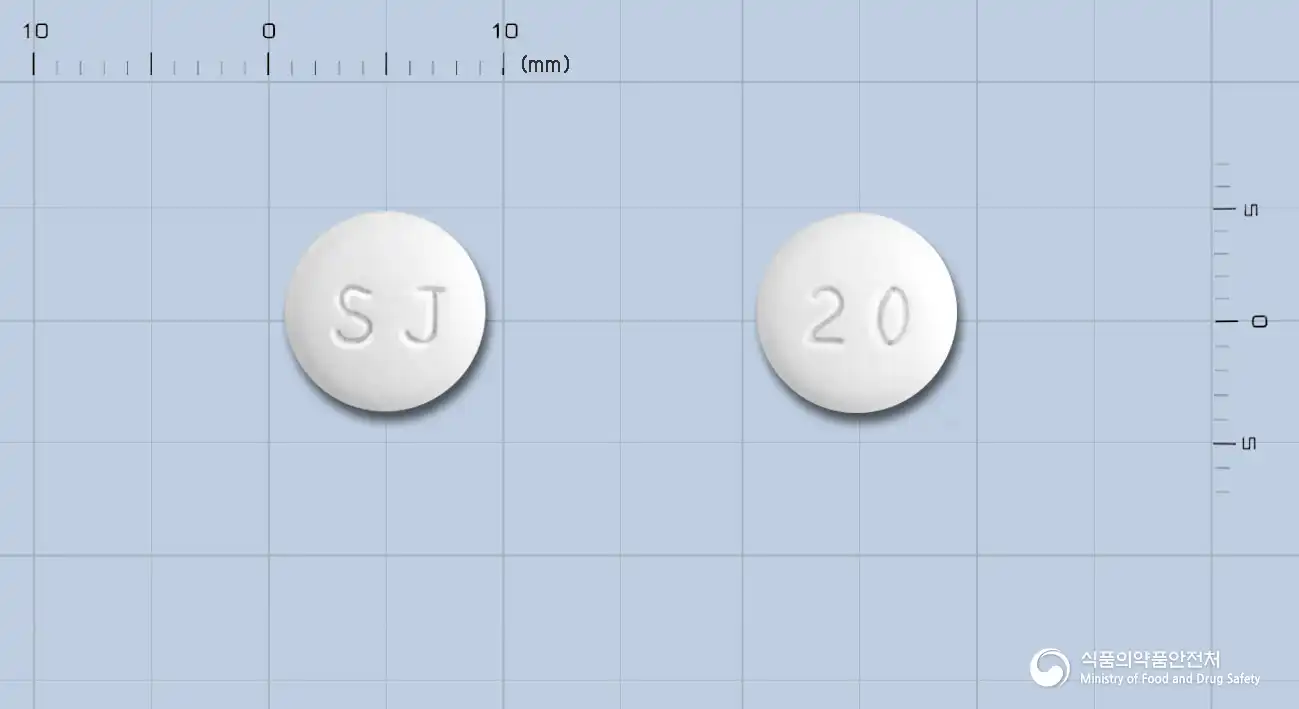
Olmesartan Medoxomil 20mg
Tablet · Prescription medication
Samjin Pharmaceutical Co., Ltd.
Even with the same ingredient, the dose and directions can differ by strength and dosage form. Talk to a doctor or pharmacist before switching from a medication you are already taking.
No questions yet.
For anything that needs medical judgment, consult a doctor or pharmacist.
This drug information is based on data provided by the Korea Ministry of Food and Drug Safety.
Consult a doctor or pharmacist for accurate dosage, administration, and usage instructions.