
 한국어
한국어 English
 日本語
日本語 中文(简体)
 Viewing nowCombination
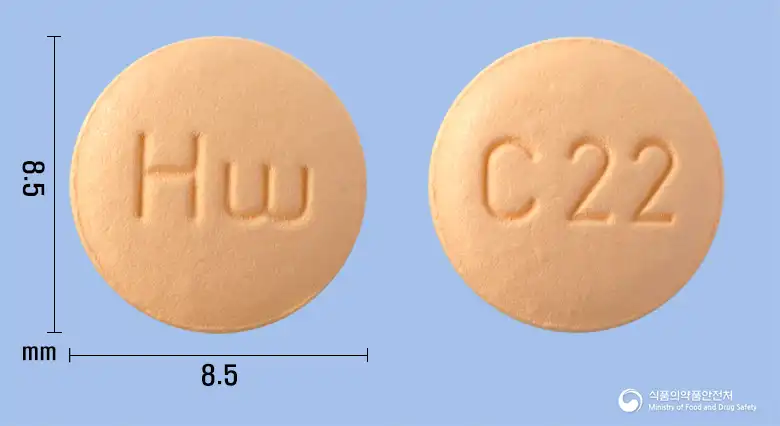
Lowtec Plus Tablet 20/12.5 mg
Olmesartan Medoxomil 20mg · Hydrochlorothiazide 12.5mg
Tablet · Prescription medication · Combination
SS Pharm Co., Ltd.
MFDS item code 201308504 · Approved 2013.07.30 · Insurance code 652604820
Treatment for the control of essential hypertension
Olmesartan Medoxomil and Hydrochlorothiazide are medications used in the treatment of essential hypertension. When blood pressure control is difficult with monotherapy, this combination effectively helps lower blood pressure. Olmesartan Medoxomil works by relaxing blood vessels to reduce blood pressure, while Hydrochlorothiazide aids in controlling blood pressure by promoting the excretion of salt and water through diuresis. This combination improves blood pressure management and helps reduce the risk of cardiovascular complications. Therefore, the combination therapy of Olmesartan Medoxomil and Hydrochlorothiazide is an effective choice for treating essential hypertension.
This medication is taken once daily, with one tablet regardless of meals. The dosage is adjusted every 2 to 4 weeks based on the patient’s blood pressure response. Elderly patients should start at the lowest dose, and care should be taken when adjusting the dose based on the patient's renal or cardiac function, comorbidities, and other concomitant medications. In patients with renal impairment, mild and moderate renal impairment (creatinine clearance >30 mL/min) are typically treated with this medication.
Safety and efficacy in children have not been established.
This medication can cause serious harm to the fetus and newborn if taken during the second and third trimesters of pregnancy; therefore, it should be discontinued immediately upon confirmation of pregnancy. Patients with allergies to ingredients in this medication or patients with severely impaired kidney or liver function, specific electrolyte imbalances, or certain diseases should avoid using this medication. In patients with diminished blood volume, renal impairment, or heart or liver problems, this medication should be used cautiously, with careful observation for symptoms such as hypotension or changes in kidney function. This medication can affect electrolyte balance, particularly levels of potassium, sodium, calcium, and magnesium, making regular blood tests necessary. Dizziness may occur during treatment, so it’s advisable to avoid driving or operating dangerous machinery. This medication can trigger photosensitivity reactions, increasing the risk of skin cancer, so sun exposure should be limited and protective measures taken. During treatment, attention should be paid to drug interactions, especially when taken with potassium supplements, diuretics, lithium, or non-steroidal anti-inflammatory drugs; a doctor should be consulted in such cases. Nursing women should consult a doctor before use, as this drug can pass into breast milk and affect the baby. Safety and efficacy in children and older adults have not been sufficiently established, so caution is advised. Overdose can lead to symptoms such as hypotension, electrolyte imbalance, and dehydration, necessitating immediate medical attention.
Hives, severe swelling (edema), chest tightness, difficulty breathing, cold sweat, paleness, severe rash with high fever, blisters, peeling skin, pain in oral/ocular mucosa, shortness of breath or difficulty breathing, asthma attack, respiratory difficulties accompanied by cough and fever, jaundice (yellowing of skin or eyes), extreme fatigue, sudden and severe headache, thunderclap headache, seizures, altered consciousness, visual disturbances, paralysis, urinary changes
Not everyone experiences these, and they can vary from person to person.
This medication should be stored in a tightly closed container to prevent exposure to air and moisture. A cool place with temperatures between 1 and 25 degrees Celsius is suitable for storage.
Round film-coated tablets with a reddish-yellow color
30 tablets/bottle
Even with the same ingredient, strength, dosage form and how it is taken can differ.
Viewing nowCombinationOlmesartan Medoxomil 20mg · Hydrochlorothiazide 12.5mg
Tablet · Prescription medication · Combination
SS Pharm Co., Ltd.
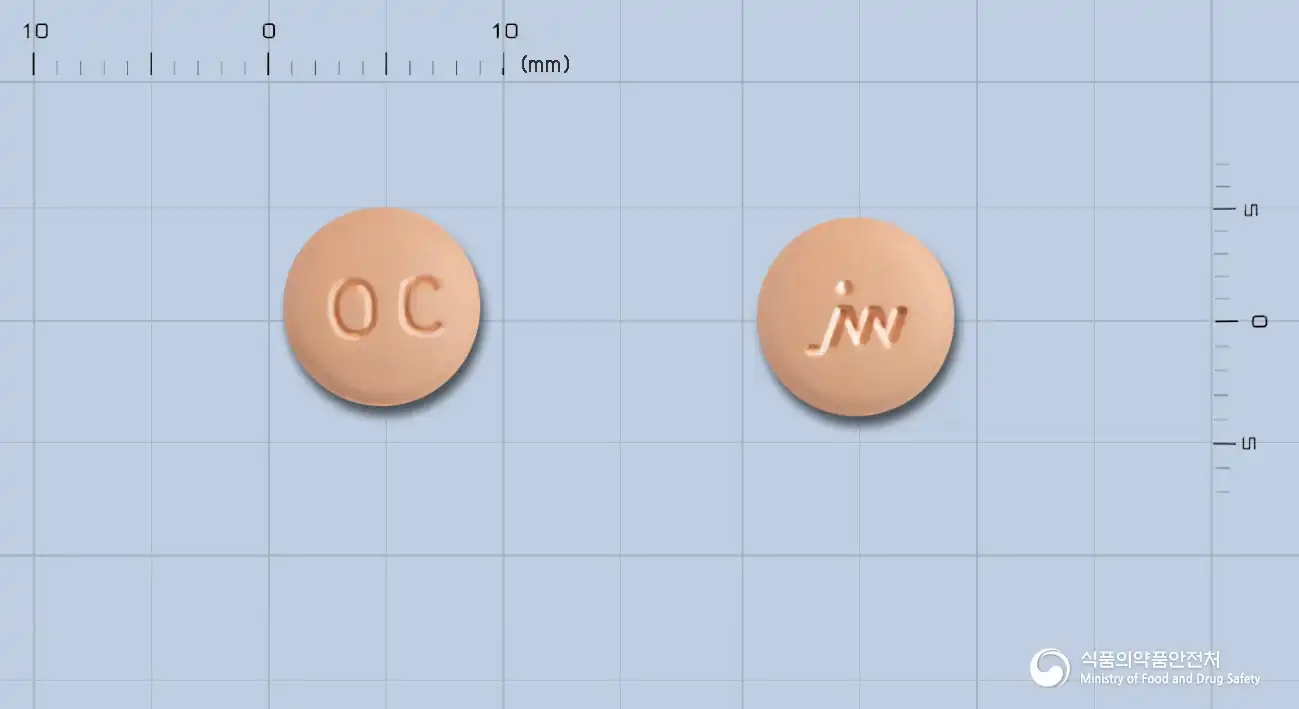 Combination
Olmesartan Medoxomil 20mg · Hydrochlorothiazide 12.5mg
Tablet · Prescription medication · Combination
JW Pharmaceutical Corp.
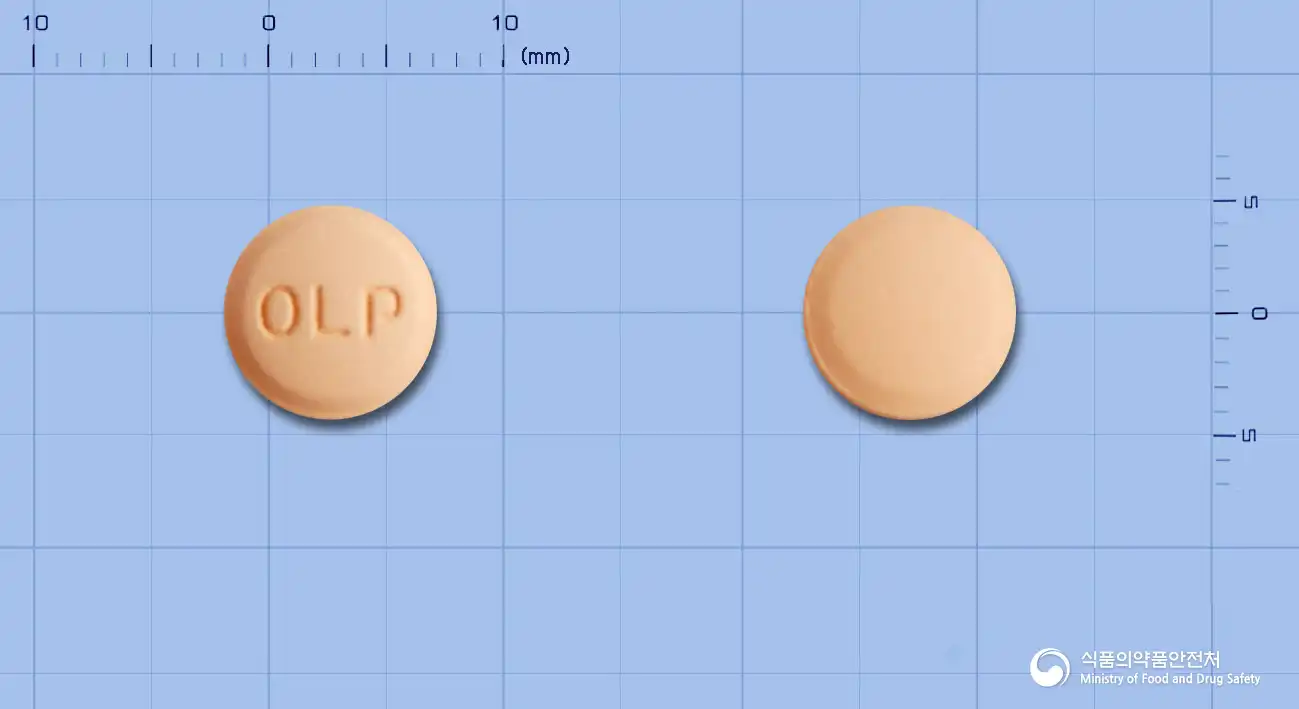 Combination
Olmesartan Medoxomil 20mg · Hydrochlorothiazide 12.5mg
Tablet · Prescription medication · Combination
Dongkuk Pharmaceutical Co., Ltd.
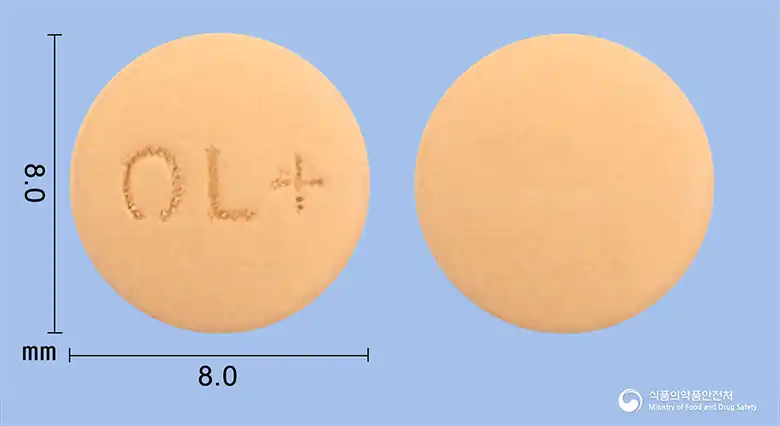 Combination
Olmesartan Medoxomil 20mg · Hydrochlorothiazide 12.5mg
Tablet · Prescription medication · Combination
Hana Pharmaceutical Co., Ltd.
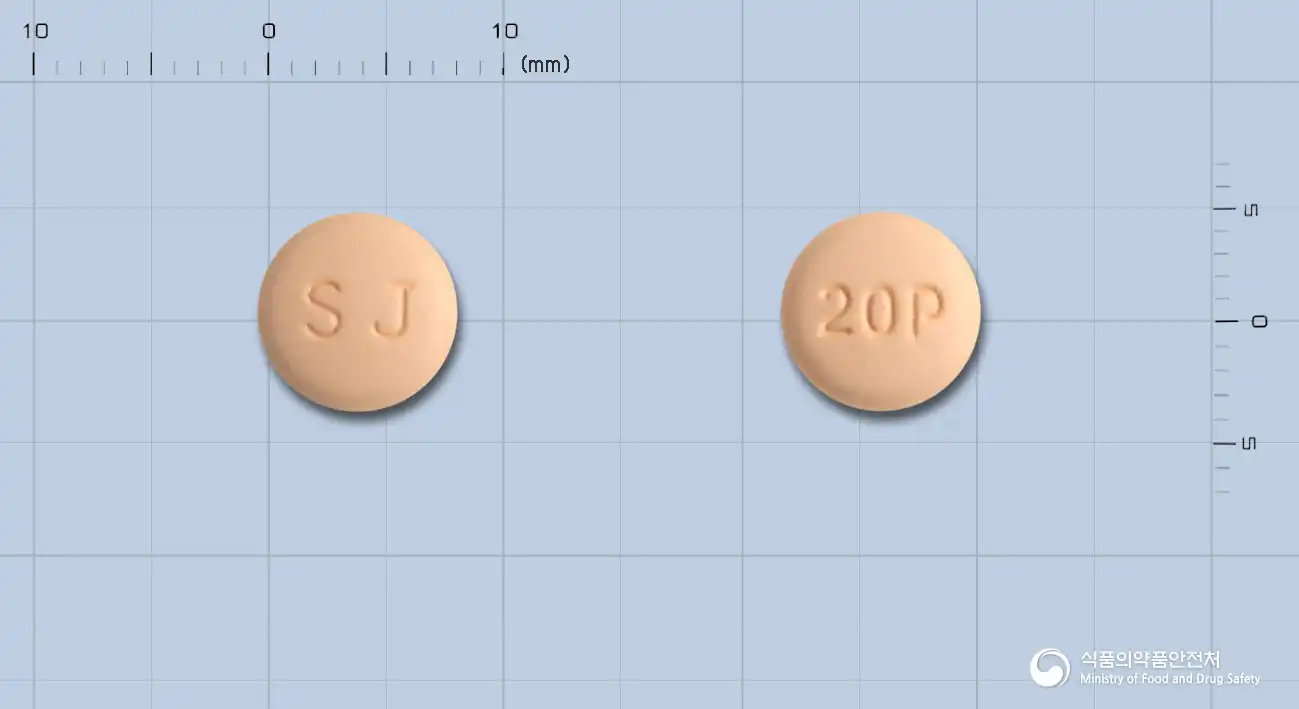 Combination
Olmesartan Medoxomil 20mg · Hydrochlorothiazide 12.5mg
Tablet · Prescription medication · Combination
Samjin Pharmaceutical Co., Ltd.
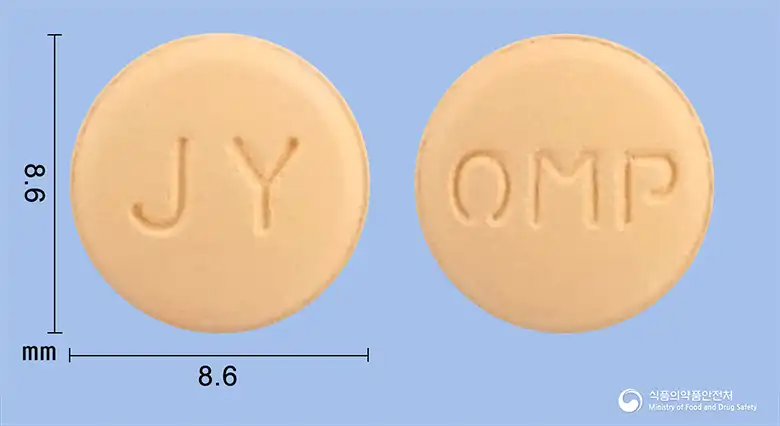 Combination
Olmesartan Medoxomil 20mg · Hydrochlorothiazide 12.5mg
Tablet · Prescription medication · Combination
Jinyang Pharmaceutical Co., Ltd.
Olmesartan Medoxomil 20mg · Hydrochlorothiazide 12.5mg
Prescription medication · Combination
Kookje Pharmaceutical Co., Ltd.
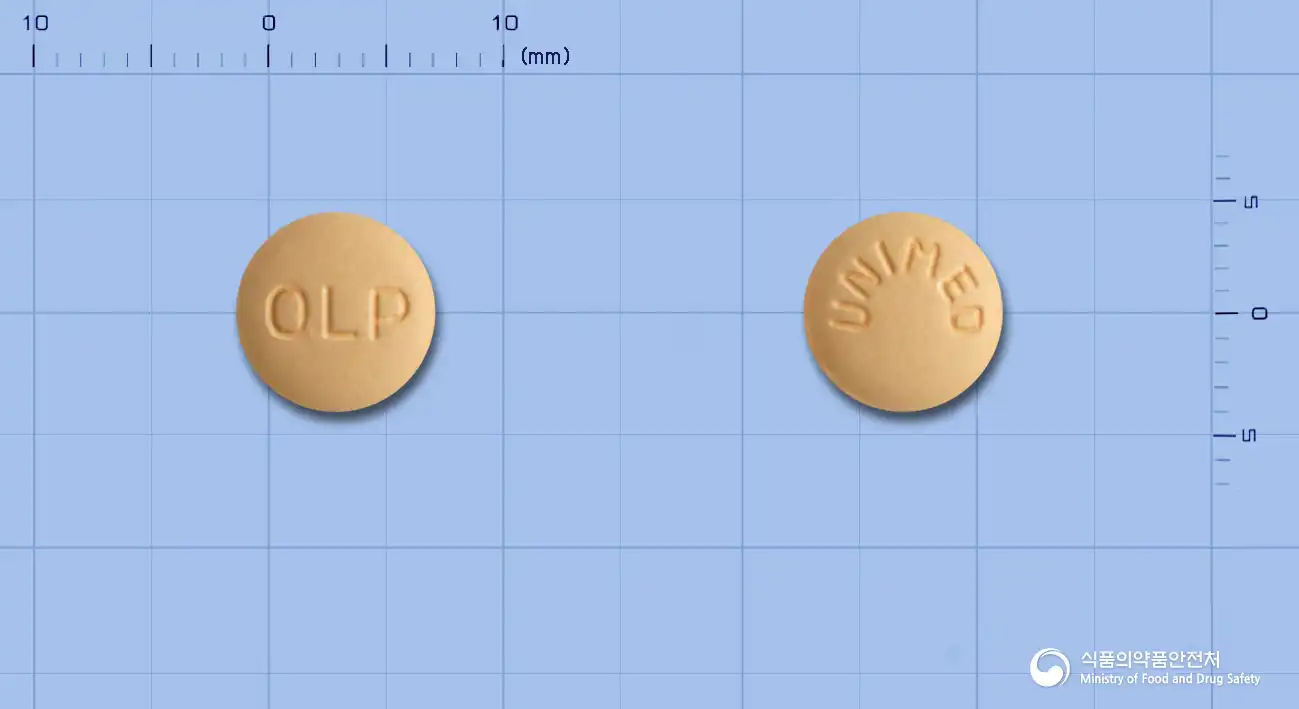 Combination
Olmesartan Medoxomil 20mg · Hydrochlorothiazide 12.5mg
Tablet · Prescription medication · Combination
Unimed Pharmaceutical Co., Ltd.
Even with the same ingredient, the dose and directions can differ by strength and dosage form. Talk to a doctor or pharmacist before switching from a medication you are already taking.
No questions yet.
For anything that needs medical judgment, consult a doctor or pharmacist.
This drug information is based on data provided by the Korea Ministry of Food and Drug Safety.
Consult a doctor or pharmacist for accurate dosage, administration, and usage instructions.