
 한국어
한국어 English
 日本語
日本語 中文(简体)
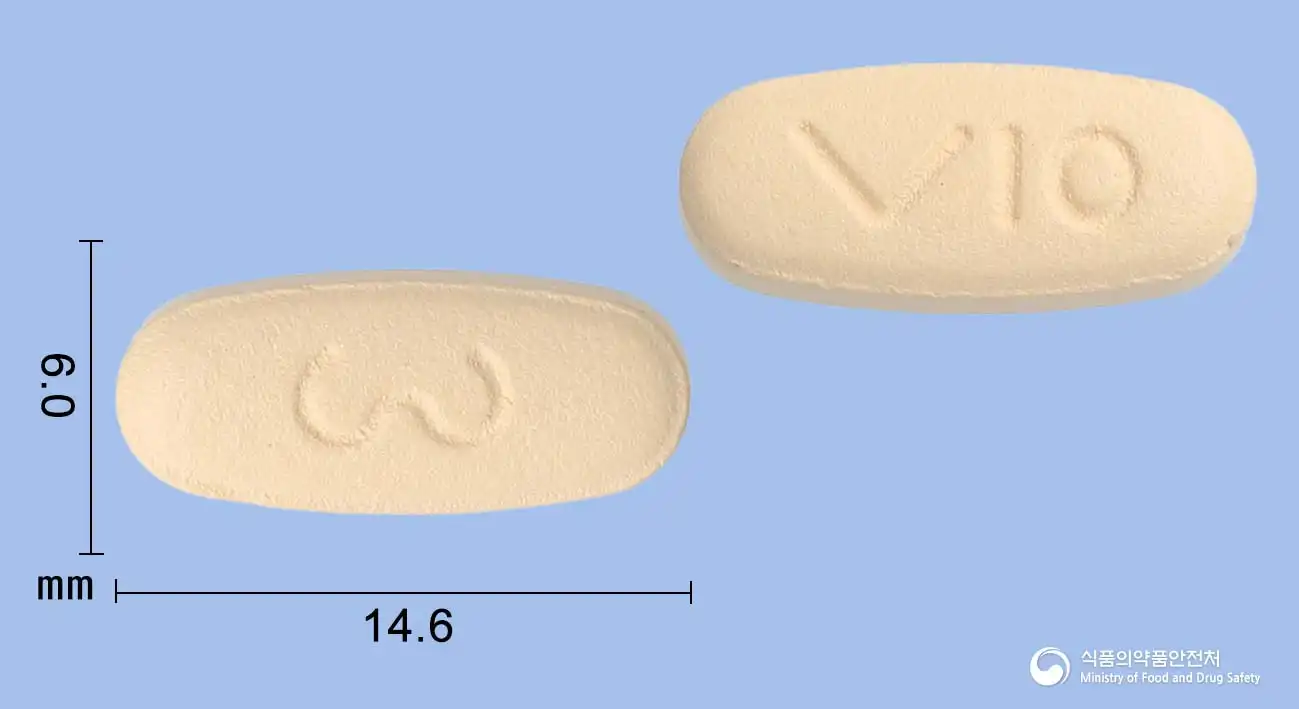 Viewing nowCombination
VD-Pin Tablet 10/160mg
Amlodipine Besylate 13.87mg · Valsartan 160mg
Tablet · Prescription medication · Combination
Withus Pharmaceutical Co., Ltd.
MFDS item code 201308496 · Approved 2013.07.30 · Insurance code 660702570
Improvement in blood pressure control with the combination of amlodipine and valsartan in essential hypertension.
This medication is used to effectively lower blood pressure in patients with essential hypertension who do not achieve sufficient control with either amlodipine or valsartan monotherapy.
The recommended dose of this medication is 1 tablet once daily, taken with water regardless of meals. It is recommended to take it at the same time every day (e.g., in the morning). For patients with mild to moderate renal impairment (creatinine clearance ≥ 10 mL/min), dose adjustment is not necessary. Patients with severe renal impairment or those on dialysis should not take this medication. For patients with hepatic impairment, moderate and
The safety and efficacy for pediatric patients under 18 years of age have not been established; therefore, the administration of this medication is not recommended.
This medication can cause serious harm to the fetus if taken during the second and third trimesters of pregnancy; therefore, it should be discontinued immediately upon confirmation of pregnancy. People with allergies to the ingredients in this medication or similar class drugs, pregnant women or women who may become pregnant, and nursing mothers should not take this medication. Patients with very poor kidney function, severe liver disease, or biliary obstruction, as well as those with a history of certain heart diseases or angioedema, should also avoid taking this medication. Patients who are deficient in sodium or water may experience hypotension, so their condition should be carefully assessed before taking this medication, and blood pressure changes should be monitored closely during treatment. Patients with high potassium levels should exercise caution when taking this medication in conjunction with other medications that may increase potassium, and regular blood potassium level tests are necessary. Patients with renal vascular problems may experience worsening renal function; therefore, careful monitoring is required during treatment. For patients who have recently undergone kidney transplantation, safety has not been sufficiently demonstrated, and its use is not recommended. If symptoms of angioedema such as swelling of the face, lips, or tongue occur while taking this medication, it should be discontinued immediately and medical attention should be sought. Patients with heart failure or those recovering from myocardial infarction should undergo periodic monitoring of kidney function and blood pressure while taking this medication; especially for heart failure patients, careful dosing is required. Overdose of this medication can lead to severe hypotension or cardiac rhythm abnormalities; in case of overdose, medical treatment should be sought immediately. Care should be taken when driving or operating machinery, as dizziness or fatigue may occur. This medication may interact with other antihypertensive drugs, diuretics, and potassium-sparing medications; therefore, if other medications are being taken, it is essential to inform the doctor or pharmacist. For elderly patients, the usual dose is recommended, but careful use is needed considering kidney or liver function status. For pediatric patients, especially those under 18 years of age, safety and efficacy have not been sufficiently established, and its use is not recommended. During the course of this medication, it is important to regularly check blood pressure, kidney function, and electrolytes to ensure there are no abnormal signs.
Urticaria, severe swelling (edema), chest tightness, difficulty breathing, cold sweat, pallor, severe rash with high fever, blisters, skin peeling, pain in oral/ocular mucosa, shortness of breath or difficulty breathing, asthma attacks, respiratory abnormalities with cough + fever, jaundice (yellowing of the skin or eyes), severe systemic fatigue, sudden and severe headaches, thunderclap headache, seizures, altered consciousness, vision abnormalities, paralysis, urination
Not everyone experiences these, and they can vary from person to person.
This medication should be stored in a tightly closed container to protect it from air and moisture, and it is safe to keep it at room temperature between 1 and 30 degrees Celsius. Storing it this way helps maintain its effectiveness and prevents deterioration.
Bright yellow rectangular film-coated tablet
30 tablets/box [10 tablets/Alu-Alu x 3]
Even with the same ingredient, strength, dosage form and how it is taken can differ.
Viewing nowCombinationAmlodipine Besylate 13.87mg · Valsartan 160mg
Tablet · Prescription medication · Combination
Withus Pharmaceutical Co., Ltd.
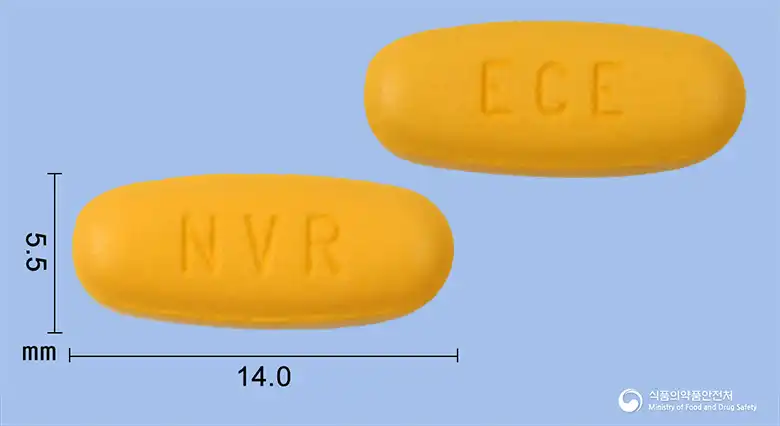 Combination
Valsartan 160mg · Amlodipine Besylate 6.94mg
Tablet · Prescription medication · Combination
Novartis Korea Co., Ltd.
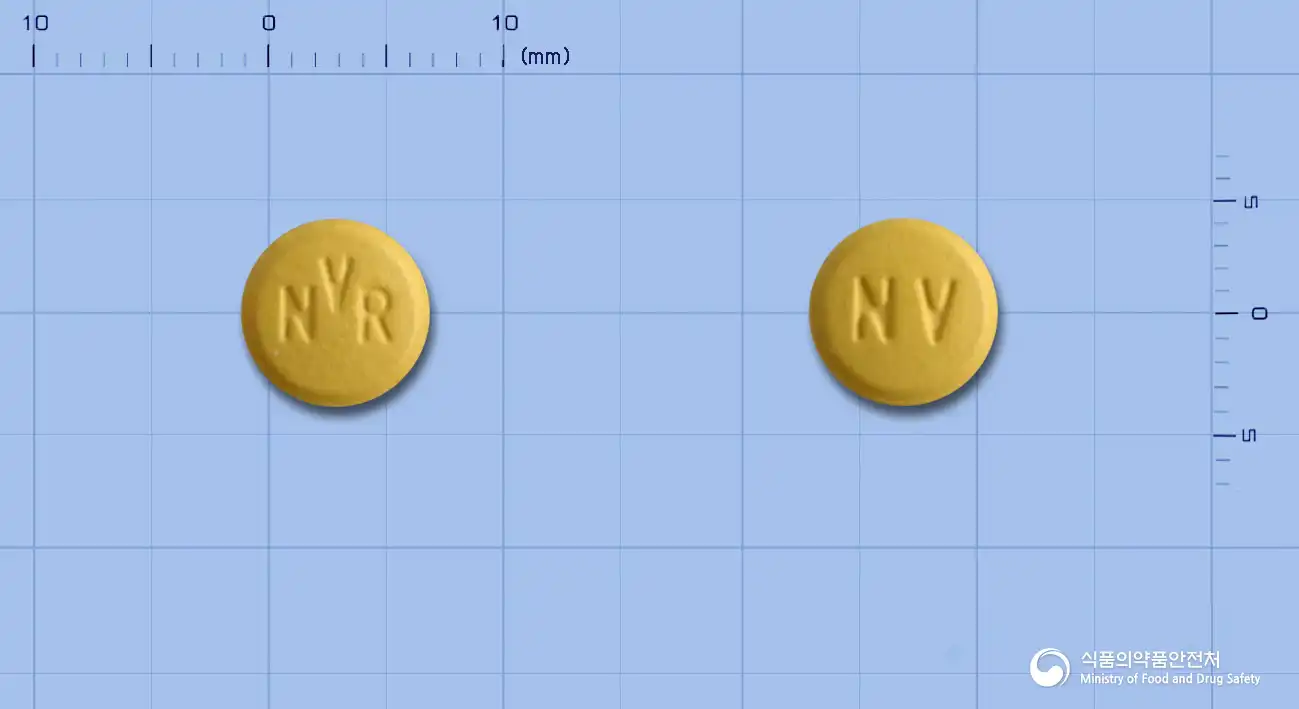 Combination
Valsartan 80mg · Amlodipine Besylate 6.94mg
Tablet · Prescription medication · Combination
Korea Novartis Co., Ltd.
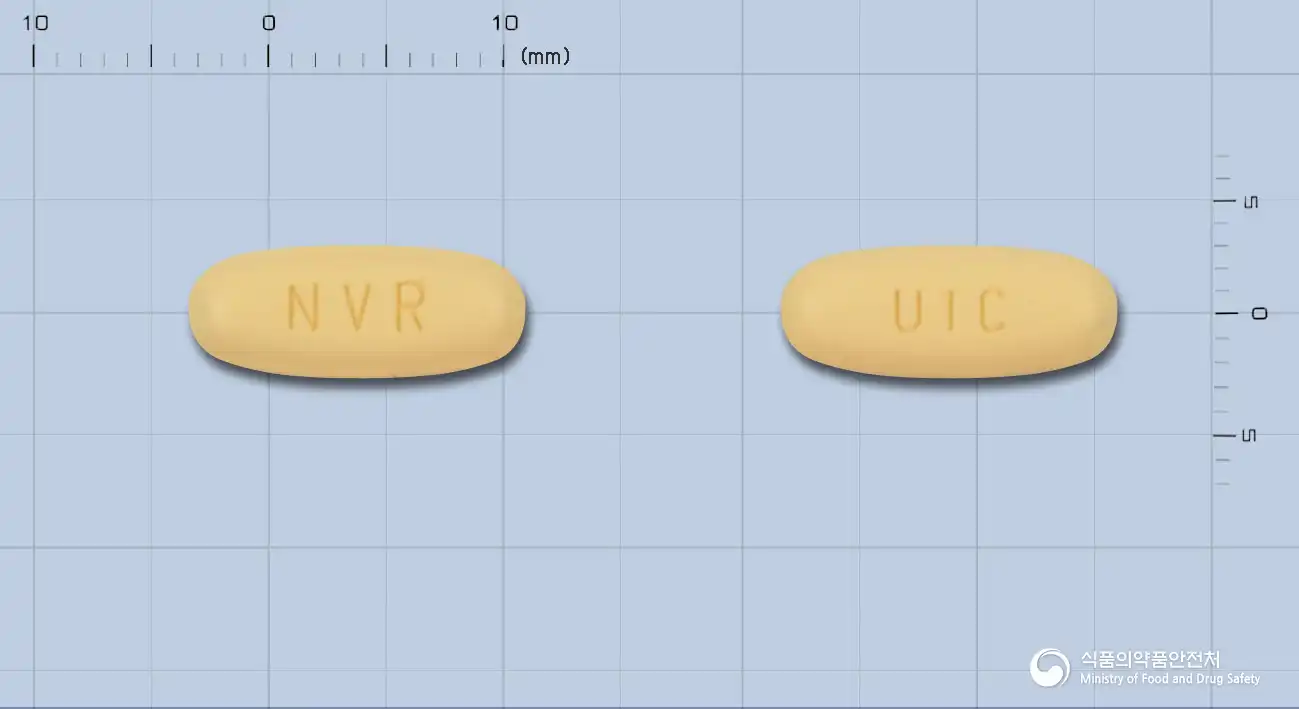 Combination
Valsartan 160mg · Amlodipine Besylate 13.87mg
Tablet · Prescription medication · Combination
Novartis Korea Co., Ltd.
Valsartan · Amlodipine Besylate
Prescription medication · Combination
Korea Sandose Co., Ltd.
Valsartan · Amlodipine Besylate
Prescription medication · Combination
Korea Sandos Co., Ltd.
Valsartan · Amlodipine Besylate
Prescription medication · Combination
Korea Sandos Co., Ltd.
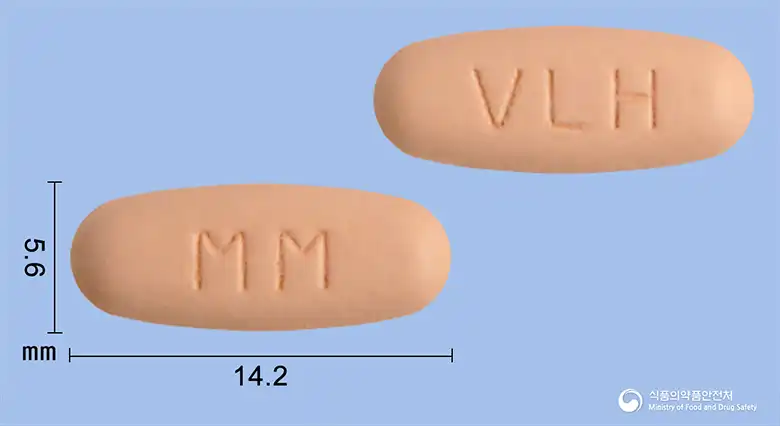 Combination
Valsartan 160mg · Amlodipine Besylate 13.87mg
Tablet · Prescription medication · Combination
Myungmoon Pharmaceutical Co., Ltd.
Even with the same ingredient, the dose and directions can differ by strength and dosage form. Talk to a doctor or pharmacist before switching from a medication you are already taking.
No questions yet.
For anything that needs medical judgment, consult a doctor or pharmacist.
This drug information is based on data provided by the Korea Ministry of Food and Drug Safety.
Consult a doctor or pharmacist for accurate dosage, administration, and usage instructions.