
 한국어
한국어 English
 日本語
日本語 中文(简体)
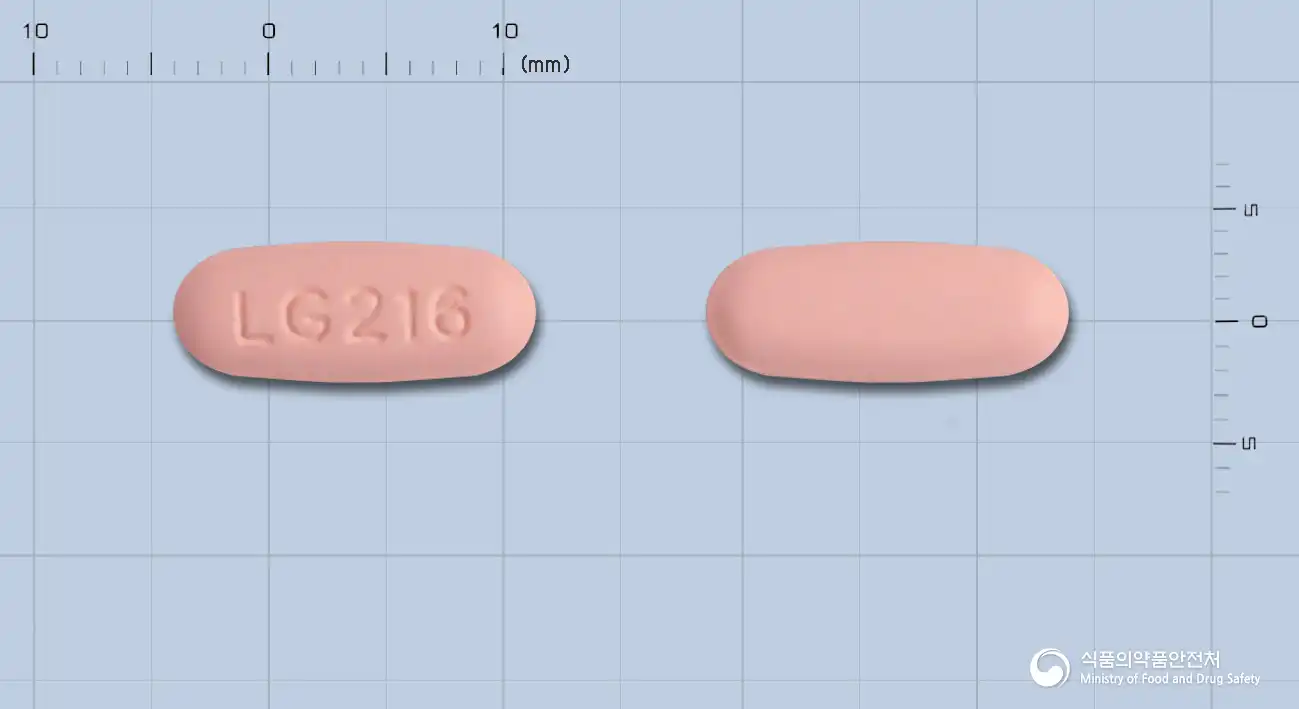 Viewing nowCombination
Levacam Tablet 20/160 mg
Lercanidipine Hydrochloride 20mg · Valsartan 160mg
Tablet · Prescription medication · Combination
LG Chem, Co., Ltd.
MFDS item code 201308392 · Approved 2013.07.25 · Insurance code 668902570
Improvement in blood pressure control for essential hypertension
In patients with essential hypertension, when blood pressure control is insufficient with Lercanidipine monotherapy, additional therapy may be needed. This medication helps lower blood pressure; however, if it is insufficient alone, it can be used in combination with other medications to manage blood pressure. It is primarily used for treating essential hypertension and contributes to reducing cardiovascular risk by adequately controlling the patient's blood pressure.
The recommended dose of this medication is 1 tablet once a day, taken with water at least 15 minutes before a meal. It is advised to take it at the same time every day (e.g., in the morning). It is recommended to adjust the dosage with Lercanidipine before administration, and if blood pressure control is not achieved, this medication may be administered stepwise based on dosage. Dose adjustments and caution are required for patients with kidney disease, liver dysfunction, and the elderly.
The safety and efficacy of this medication for pediatric patients under 18 years of age have not been established, and its use is not recommended.
This medication can cause serious harm or death to the fetus and newborn if taken during the second and third trimesters of pregnancy, so it should be stopped immediately if pregnancy is confirmed. Patients with a known allergy to this medication or its components, women who are pregnant or breastfeeding, patients with severe liver or kidney disease, and patients with certain heart conditions should not take this medication. Elderly patients, patients with high potassium levels, patients with impaired liver function, and patients with heart or kidney disease should take this medication with caution and monitor their condition closely as advised by a physician. This medication may cause various side effects such as headache, dizziness, dyspepsia, palpitations, skin rash, cough, etc., so if unusual symptoms appear, consult a healthcare professional immediately. During the initial stages of treatment, blood pressure may drop sharply, leading to dizziness or fainting; therefore, caution is advised, especially for patients taking diuretics or those with fluid depletion. Drug interactions may occur if taken with other antihypertensive medications or specific drugs, so inform your doctor or pharmacist about any other medications you are taking. Women who are pregnant or planning to become pregnant should not use this medication, and it is advisable to avoid it while breastfeeding. Safety and efficacy have not been established for children or adolescents under 18 years of age, and its use is not recommended in this population. In cases of overdose, severe hypotension, decreased consciousness, shock, etc. may occur, so it is important to adhere to the prescribed dosage and seek emergency care if unusual symptoms appear. This medication should be stored out of reach of children and should not be transferred to another container to maintain quality.
Hives, severe swelling (edema), cold sweat, palpitations, chest pain, tightness in the chest, difficulty breathing, increased serum creatinine, liver dysfunction (increased liver aminotransferase, liver impairment), intestinal vascular edema, elevated blood pressure, acute kidney failure, significantly reduced urine output, confusion, delirium, severe neurological symptoms (headache, thunderclap headache, seizures, visual disturbances, paralysis), hypotension, fainting, vascular edema, heart failure, myocardial infarction
Not everyone experiences these, and they can vary from person to person.
This medication should be stored in a tightly closed container to prevent exposure to air or moisture and should be kept at a safe temperature between 1 degree and 30 degrees Celsius. By storing it this way, the effectiveness of the medication can be maintained, and deterioration can be prevented.
Pink oval film-coated tablet
100 tablets (10 tablets/PTP x 10)
Even with the same ingredient, strength, dosage form and how it is taken can differ.
Viewing nowCombinationLercanidipine Hydrochloride 20mg · Valsartan 160mg
Tablet · Prescription medication · Combination
LG Chem, Co., Ltd.
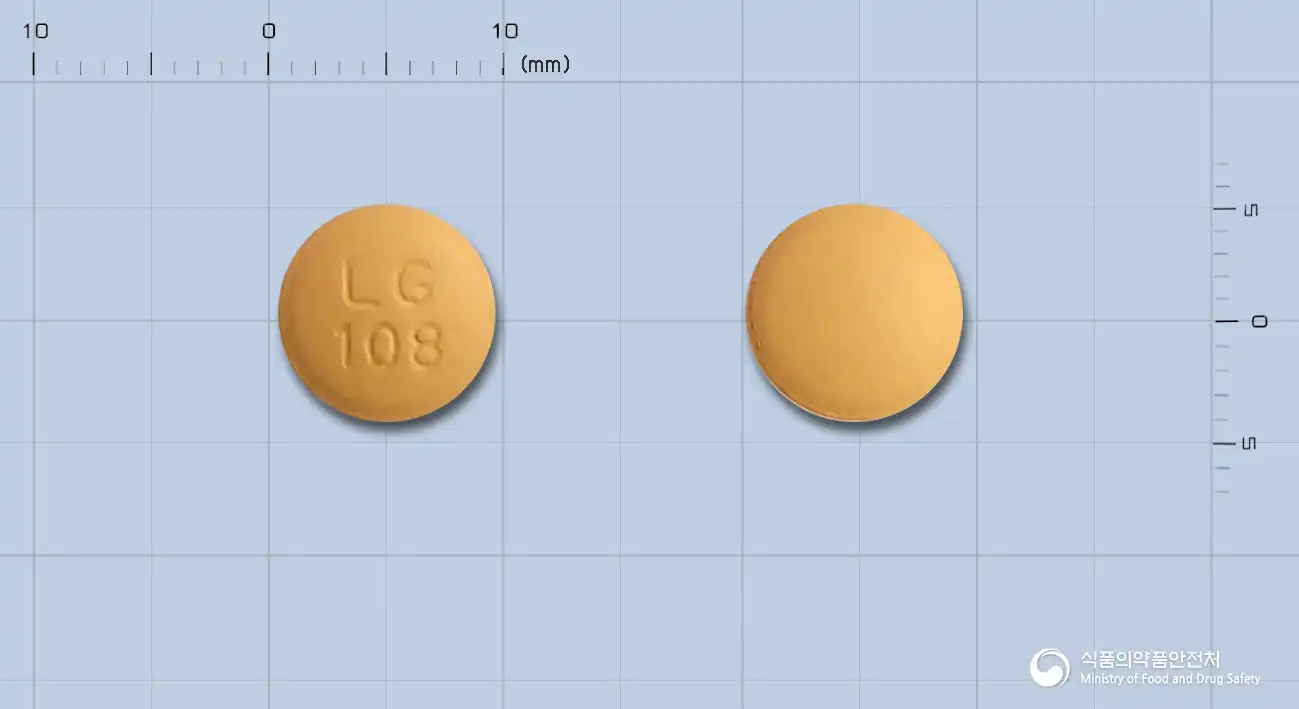 Combination
Lercanidipine Hydrochloride 10mg · Valsartan 80mg
Tablet · Prescription medication · Combination
LG Chem, Ltd.
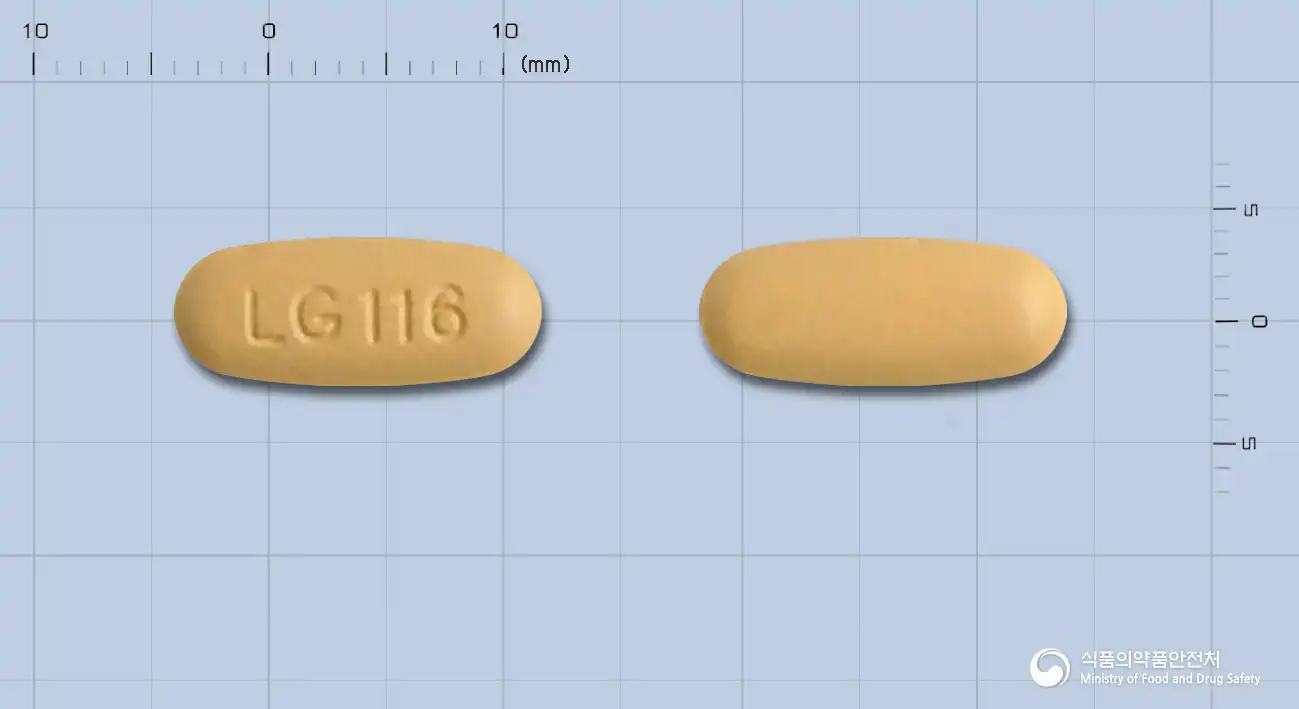 Combination
Lercanidipine Hydrochloride 10mg · Valsartan 160mg
Tablet · Prescription medication · Combination
LG Chem, Ltd.
Even with the same ingredient, the dose and directions can differ by strength and dosage form. Talk to a doctor or pharmacist before switching from a medication you are already taking.
No questions yet.
For anything that needs medical judgment, consult a doctor or pharmacist.
This drug information is based on data provided by the Korea Ministry of Food and Drug Safety.
Consult a doctor or pharmacist for accurate dosage, administration, and usage instructions.