
 한국어
한국어 English
 日本語
日本語 中文(简体)
 Viewing nowCombination
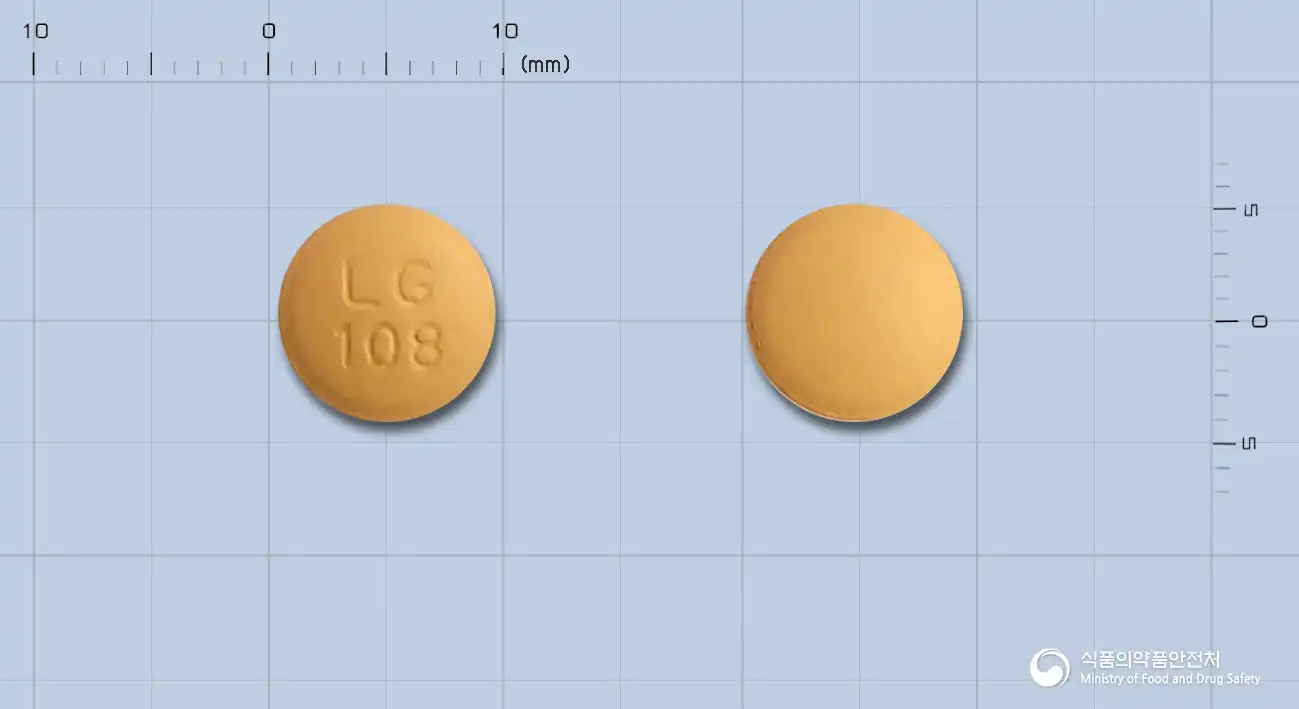
Levacame tablet 10/80 milligrams
Lercanidipine Hydrochloride 10mg · Valsartan 80mg
Tablet · Prescription medication · Combination
LG Chem, Ltd.
MFDS item code 201308391 · Approved 2013.07.25 · Insurance code 668902550
Improvement of blood pressure control in essential hypertension
Used to control blood pressure in patients with essential hypertension whose blood pressure is not adequately controlled by monotherapy with lercanidipine.
The recommended dose is 1 tablet once daily, taken with water at least 15 minutes before meals. It is recommended to take it at the same time every day (e.g., in the morning). - 10/80 milligrams: Administered to patients whose blood pressure is not adequately controlled with 10 milligrams of lercanidipine. - 10/160 milligrams: Administered to patients whose blood pressure is not adequately controlled with 10 milligrams of lercanidipine or this medication 10/80 milligrams.
The safety and efficacy of this medication in pediatric patients under 18 years of age have not been established, and its use is not recommended.
This medication can cause serious harm to the fetus and newborn if taken during the second and third trimesters of pregnancy, so it should be discontinued immediately if pregnancy is confirmed. Pregnant women or those who might become pregnant, as well as nursing mothers, should not take this medication. Patients with severely impaired liver function, liver cirrhosis, or bile duct obstruction, and those with certain genetic disorders should not take this medication. It is also not advisable for patients with significantly impaired heart and kidney function, patients undergoing hemodialysis, and children or adolescents under 18 years old. Elderly patients or those with mildly impaired liver function should start at a low dose and be monitored closely throughout treatment. Patients with high blood potassium levels or at risk of hyperkalemia should be cautious when taking this medication. This medication has a strong blood pressure-lowering effect, so dizziness or fainting may occur due to a rapid drop in blood pressure when first taken. Particularly, patients who are taking diuretics or are in a state of fluid depletion should be more careful. Sudden discontinuation of this medication may worsen symptoms, so it should be tapered off gradually. Interactions may occur when taken with other antihypertensive medications or certain drugs, so consulting a healthcare professional is essential. In case of overdose, severe hypotension, decreased consciousness, heart problems, etc., may occur, and immediate medical attention should be sought. This medication should be kept out of reach of children, and transferring it to another container may lead to accidents, so caution is advised.
Hives, severe swelling (edema), palpitations, chest pain, cold sweat, difficulty breathing, elevated blood pressure, liver abnormalities (elevated alanine aminotransferase and liver dysfunction), severe allergic reactions, severe edema, acute renal failure, increased potassium levels in the blood (hyperkalemia), intestinal vascular edema, severe skin reactions, severe neurological symptoms (seizures, altered consciousness, etc.), chest discomfort, hypotension, myocardial infarction, angina, patients undergoing hemodialysis.
Not everyone experiences these, and they can vary from person to person.
This medication should be stored in a tightly closed container to prevent air or moisture from entering. It is recommended to keep it at room temperature between 1 to 30 degrees Celsius. This helps to maintain the medication’s effectiveness for a longer period.
Bright yellowish-brown round film-coated tablets
100 tablets (10 tablets/PTP x 10)
Even with the same ingredient, strength, dosage form and how it is taken can differ.
Viewing nowCombinationLercanidipine Hydrochloride 10mg · Valsartan 80mg
Tablet · Prescription medication · Combination
LG Chem, Ltd.
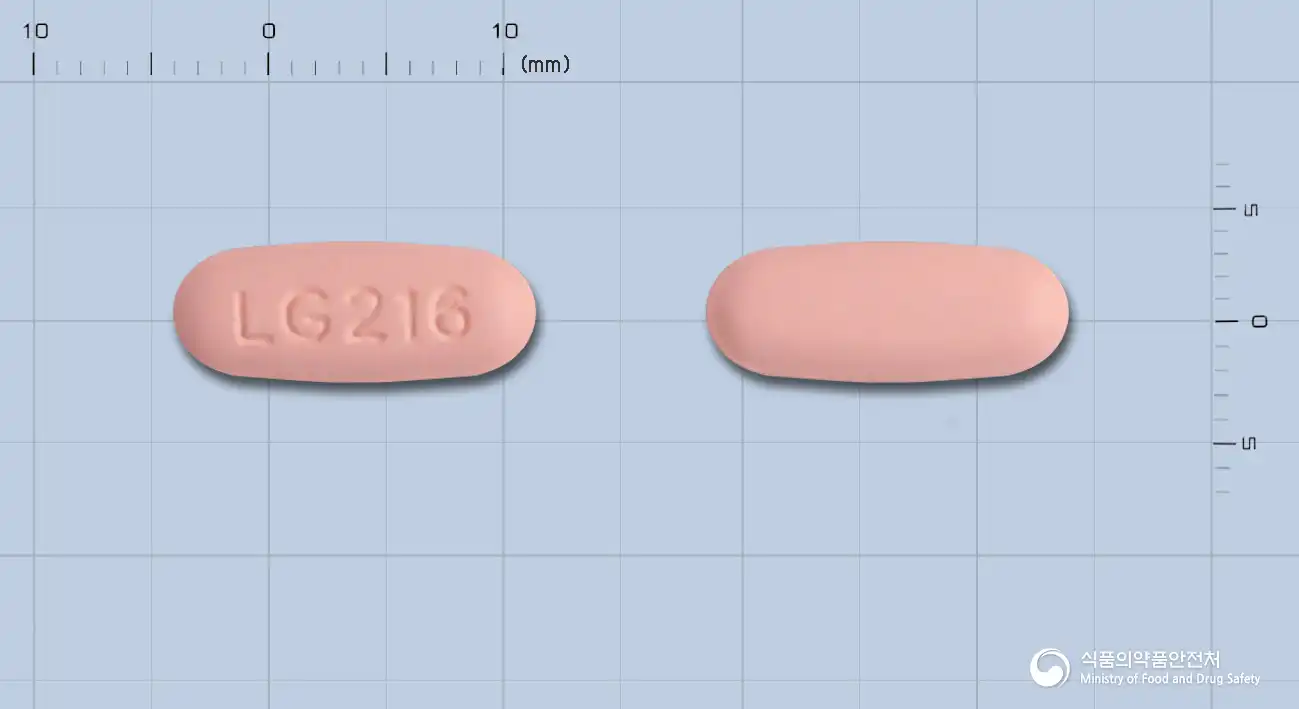 Combination
Lercanidipine Hydrochloride 20mg · Valsartan 160mg
Tablet · Prescription medication · Combination
LG Chem, Co., Ltd.
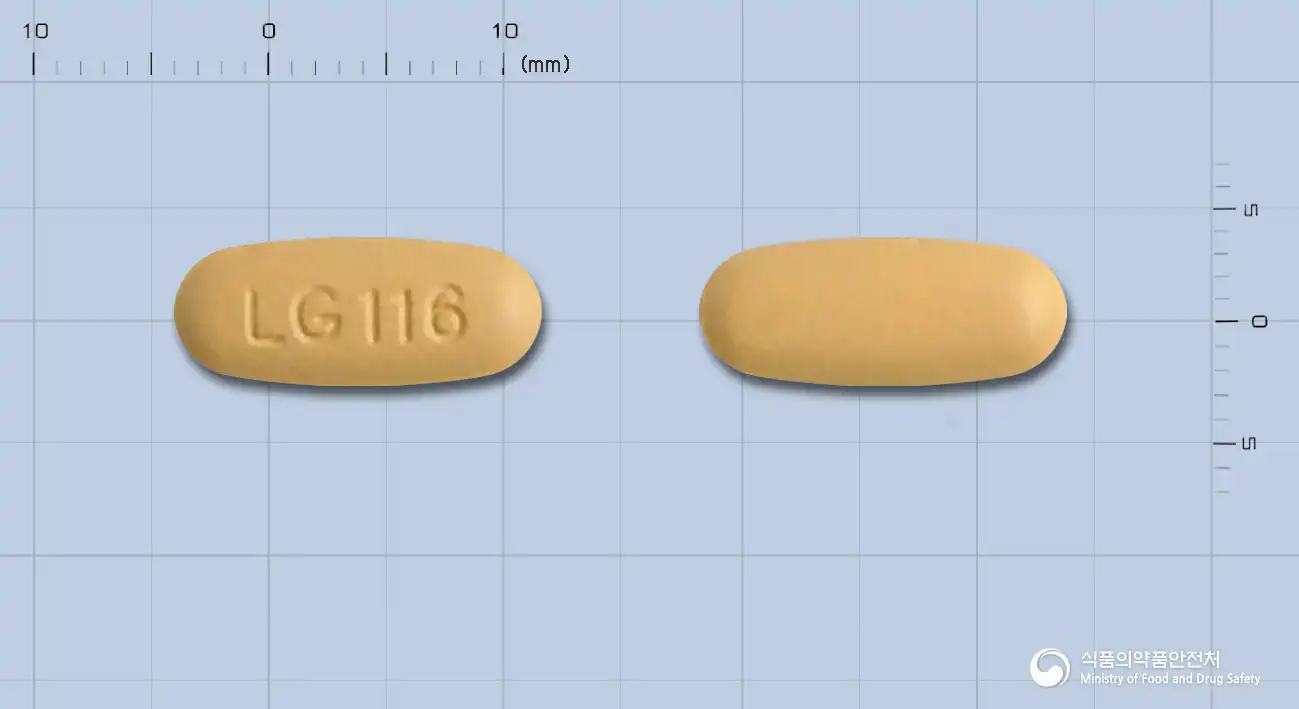 Combination
Lercanidipine Hydrochloride 10mg · Valsartan 160mg
Tablet · Prescription medication · Combination
LG Chem, Ltd.
Even with the same ingredient, the dose and directions can differ by strength and dosage form. Talk to a doctor or pharmacist before switching from a medication you are already taking.
No questions yet.
For anything that needs medical judgment, consult a doctor or pharmacist.
This drug information is based on data provided by the Korea Ministry of Food and Drug Safety.
Consult a doctor or pharmacist for accurate dosage, administration, and usage instructions.