
 한국어
 English
 日本語
 中文(简体)
 Viewing now
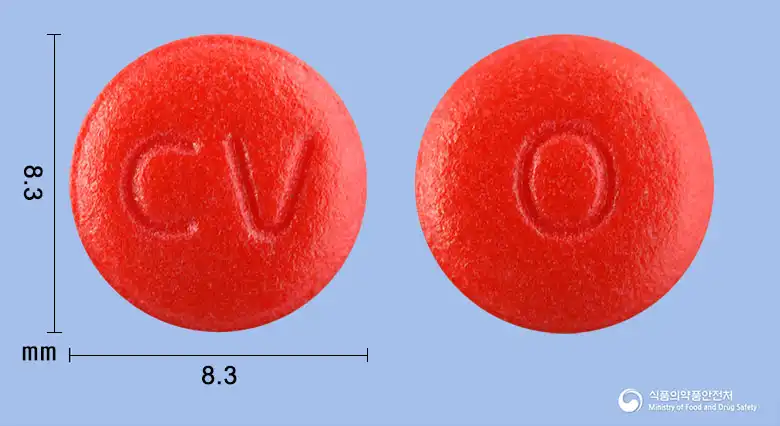
Cardina Tablets (Calidinogenase)
Kallidinogenase
Tablet · Prescription medication
HanKook Pabis Pharmaceutical Co., Ltd.
MFDS item code 201308374 · Approved 2013.07.25 · Insurance code 621802390
Improvement of symptoms of peripheral circulatory disorders (e.g., hypertension), menopausal disorders, and chorioretinal circulatory disorders
This medication is used for peripheral circulation disorders caused by diseases such as hypertension, Meniere's disease, and thromboangiitis obliterans (Buerger's disease). It is also effective in improving various symptoms related to menopausal disorders and circulatory disorders of the retina. It helps to improve symptoms by facilitating peripheral blood circulation and enhancing the quality of life.
Administer orally at a daily dose of 30-150 I.U. in 3 divided doses. Adjust the dose as appropriate according to age and symptoms.
This medication should not be used in patients with bleeding, such as immediately after a cerebral hemorrhage. Additionally, it contains lactose, so patients with a genetic condition that prevents proper digestion of lactose should not take this medication. During treatment, allergic reactions may occur; if skin rashes or itching develops, the medication should be discontinued immediately. Rarely, symptoms of rapid heartbeat may occur, so caution is advised. Gastrointestinal symptoms such as gastrointestinal discomfort, nausea, vomiting, decreased appetite, abdominal pain, diarrhea, or constipation may also occur. Occasionally, symptoms such as fever, headache, heavy-headedness, drowsiness, or fatigue may appear, so be attentive to these symptoms. Elderly patients may have weakened body functions, so the dosage should be reduced or used with caution.
Not everyone experiences these, and they can vary from person to person.
Store this medication in a tightly sealed container to prevent air and moisture from entering. Additionally, it is recommended to store the medication at room temperature between 1 and 30 degrees Celsius, avoiding excessively hot or cold places.
Red, round enteric-coated tablet
30 tablets/bottle, 300 tablets/bottle
Even with the same ingredient, strength, dosage form and how it is taken can differ.
Viewing nowKallidinogenase
Tablet · Prescription medication
HanKook Pabis Pharmaceutical Co., Ltd.
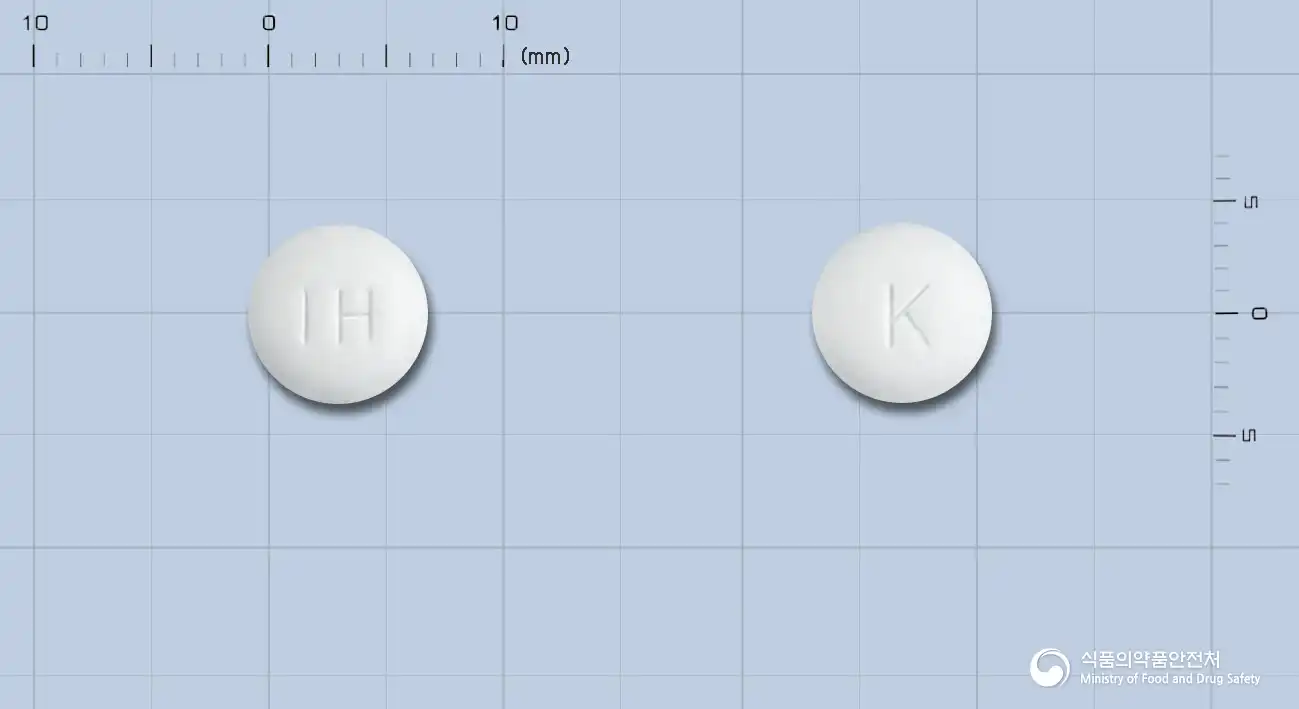
Kallidinogenase
Tablet · Prescription medication
Ilhwa Co., Ltd.

Kallidinogenase
Tablet · Prescription medication
Medica Korea Co., Ltd.
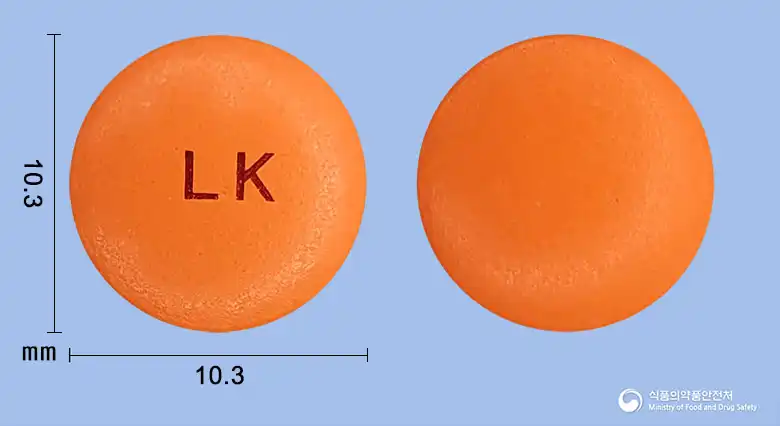
Kallidinogenase
Tablet · Prescription medication
Youngpoong Pharmaceutical Co., Ltd.
Kallidinogenase
Prescription medication
Medica Korea Co., Ltd.
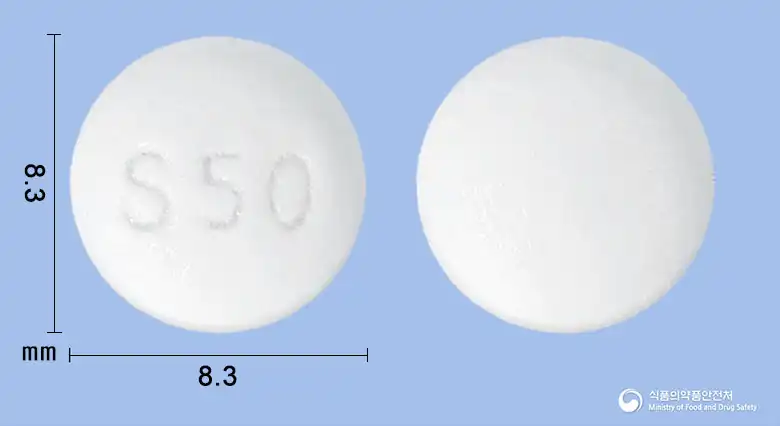
Kallidinogenase
Tablet · Prescription medication
Celltrion Pharmaceutical Co., Ltd.
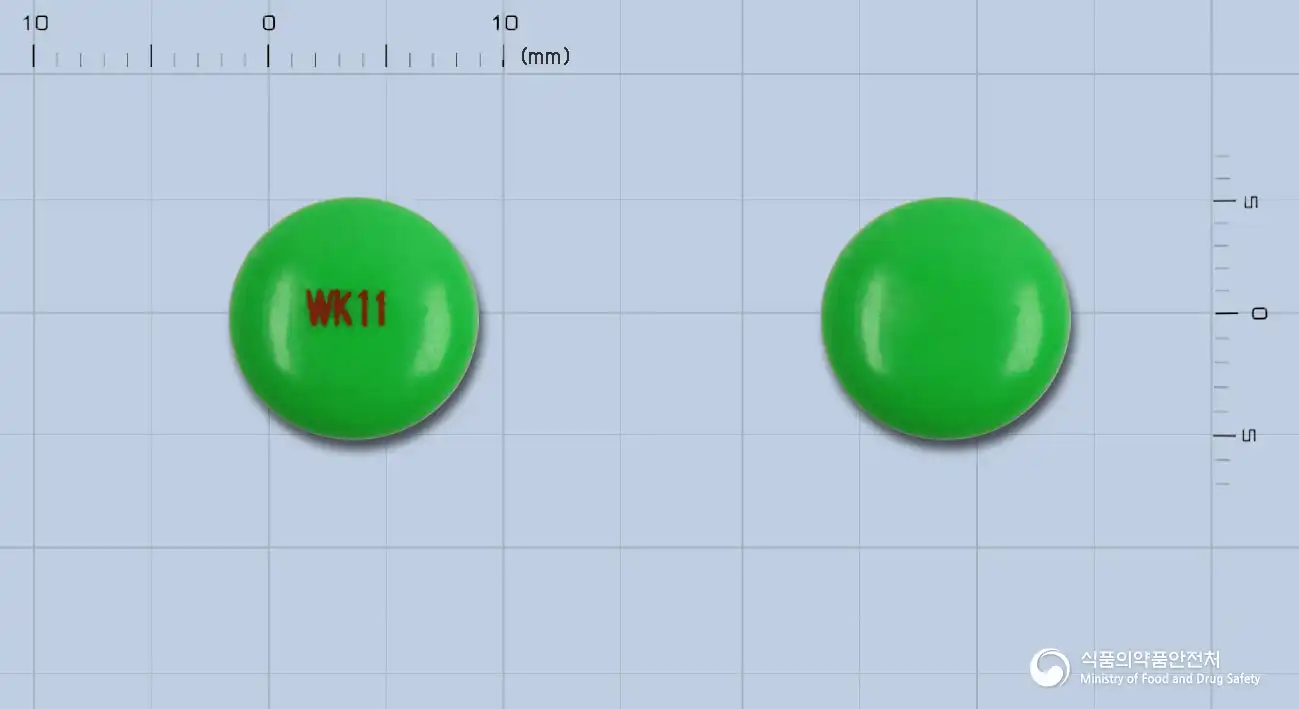
Kallidinogenase
Prescription medication
Austin Pharmaceutical Co., Ltd.
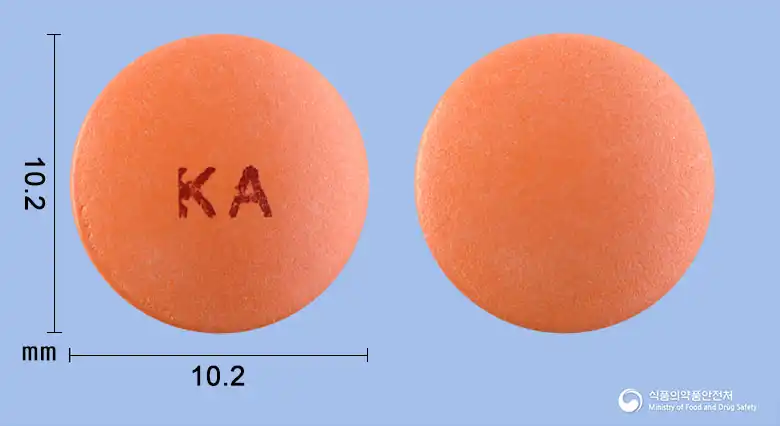
Kallidinogenase
Tablet · Prescription medication
Kyungdong Pharmaceutical Co., Ltd.
Even with the same ingredient, the dose and directions can differ by strength and dosage form. Talk to a doctor or pharmacist before switching from a medication you are already taking.
No questions yet.
For anything that needs medical judgment, consult a doctor or pharmacist.
This drug information is based on data provided by the Korea Ministry of Food and Drug Safety.
Consult a doctor or pharmacist for accurate dosage, administration, and usage instructions.