
 한국어
 English
 日本語
 中文(简体)
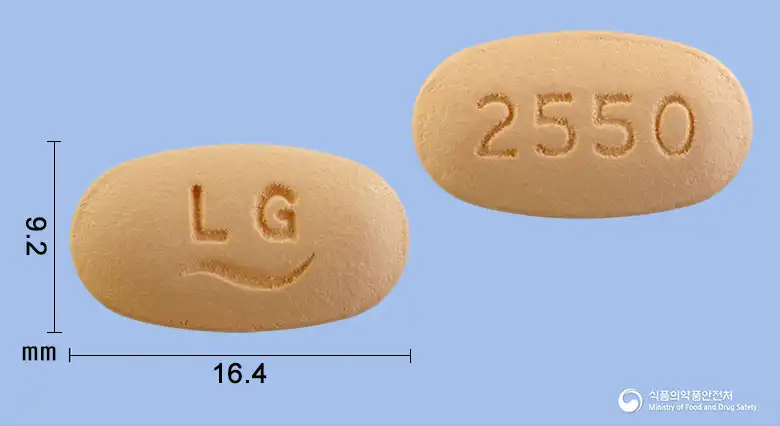 Viewing nowCombination
Jemimet Extended-Release Tablet 25/500 mg
Gemigliptin Tartrate Sesquihydrate 34.45mg · Metformin Hydrochloride 500mg
Tablet · Prescription medication · Combination
LG Chem, Ltd.
MFDS item code 201308371 · Approved 2013.07.25 · Insurance code 668902580
Improvement of glycemic control in type 2 diabetes mellitus
This medication is used in conjunction with diet and exercise therapy to assist in blood sugar control for patients with type 2 diabetes who use both gemigliptin and metformin. In other words, it is a medication that effectively improves blood sugar levels, aiding in diabetes management.
The dose of this medication should be individualized based on the patient's current treatment regimen, efficacy, and tolerability. This medication is generally administered with the evening meal, and the dose is increased gradually to reduce gastrointestinal adverse reactions associated with metformin. Take one 50/500mg extended-release tablet or 50/1000mg extended-release tablet once daily. Patients taking 25/500mg or 25/1000mg extended-release tablets should take 2 tablets together once daily. For patients who are not currently receiving metformin treatment and require gemigliptin 50mg, the recommended starting dose of this medication is one gemigliptin 50mg/metformin 500mg extended-release tablet once daily. The dose is increased gradually to reduce gastrointestinal adverse reactions associated with metformin. For patients who do not achieve adequate glycemic control with metformin monotherapy, or with combination therapy of metformin and a sulfonylurea or metformin and insulin, the initial dose of this medication should provide gemigliptin 50 mg once daily and the patient's current metformin dose. When switching from immediate-release to extended-release metformin, glycemic control should be closely monitored and the dose adjusted appropriately. When this medication is administered in combination with a sulfonylurea or insulin, a reduction in the dose of the sulfonylurea or insulin may be necessary to reduce the risk of hypoglycemia. For patients switching from combination therapy with gemigliptin and metformin to this medication, the dose may be started at the patient's current doses of gemigliptin and metformin. When switching from immediate-release to extended-release metformin, glycemic control should be closely monitored and the dose adjusted appropriately. The maximum recommended daily dose is gemigliptin 50mg and extended-release metformin 2000mg. The safety and efficacy of this medication have not been specifically evaluated in patients switching from other antihyperglycemic agents. Because changes may result in altered glycemic control, any changes in treatment for patients with type 2 diabetes should be made under careful monitoring. Swallow this medication whole. Do not crush, cut, or chew it.
This medication helps control blood sugar. However, there are some important precautions to be aware of while taking this medication. First, there is a rare risk of developing a dangerous condition called lactic acidosis, so if you experience sudden muscle pain, difficulty breathing, weakness, or abdominal pain, you should inform your doctor immediately. Additionally, taking this medication in conjunction with insulin or other diabetes medications may cause hypoglycemia, so blood sugar changes should be monitored closely. If you have experienced allergic reactions or severe side effects from this medication, or if you have severe kidney dysfunction, heart failure, or acute cardiac conditions, you should not take this medication. Before undergoing a radiological examination using iodine contrast agents, this medication should be discontinued at least 48 hours prior, and you should resume taking it only after confirming that kidney function is normal following the examination. It is advisable for pregnant or nursing women not to take this medication. Regular monitoring of kidney function and blood vitamin B12 levels is required during treatment. Excessive alcohol consumption should be avoided, and the medication should be paused for a period before surgery. This medication may occasionally cause indigestion, diarrhea, dizziness, and symptoms of infection, so if any unusual symptoms persist, you should consult a doctor. Furthermore, there may be interactions when taken with other medications, so you must inform your healthcare provider of any medications you are taking. Children and the elderly should be cautious when using this medication, and especially the elderly should have their kidney function checked frequently. Finally, some of the medication may appear in the stool after taking it, but this is an inactive ingredient, so there is no need to worry about it. If these precautions are well adhered to, this medication can assist in diabetes management.
Not everyone experiences these, and they can vary from person to person.
This medication should be stored in a tightly sealed container to protect it from exposure to air and moisture, and it is best kept at room temperature between 1 and 30 degrees Celsius. Storing it this way allows the medication to maintain its effectiveness for a longer period.
Light brown oval film-coated tablet
30 tablets/bottle, 100 tablets/bottle, 56 tablets (14 tablets/PTP×4)
Even with the same ingredient, strength, dosage form and how it is taken can differ.
Viewing nowCombinationGemigliptin Tartrate Sesquihydrate 34.45mg · Metformin Hydrochloride 500mg
Tablet · Prescription medication · Combination
LG Chem, Ltd.
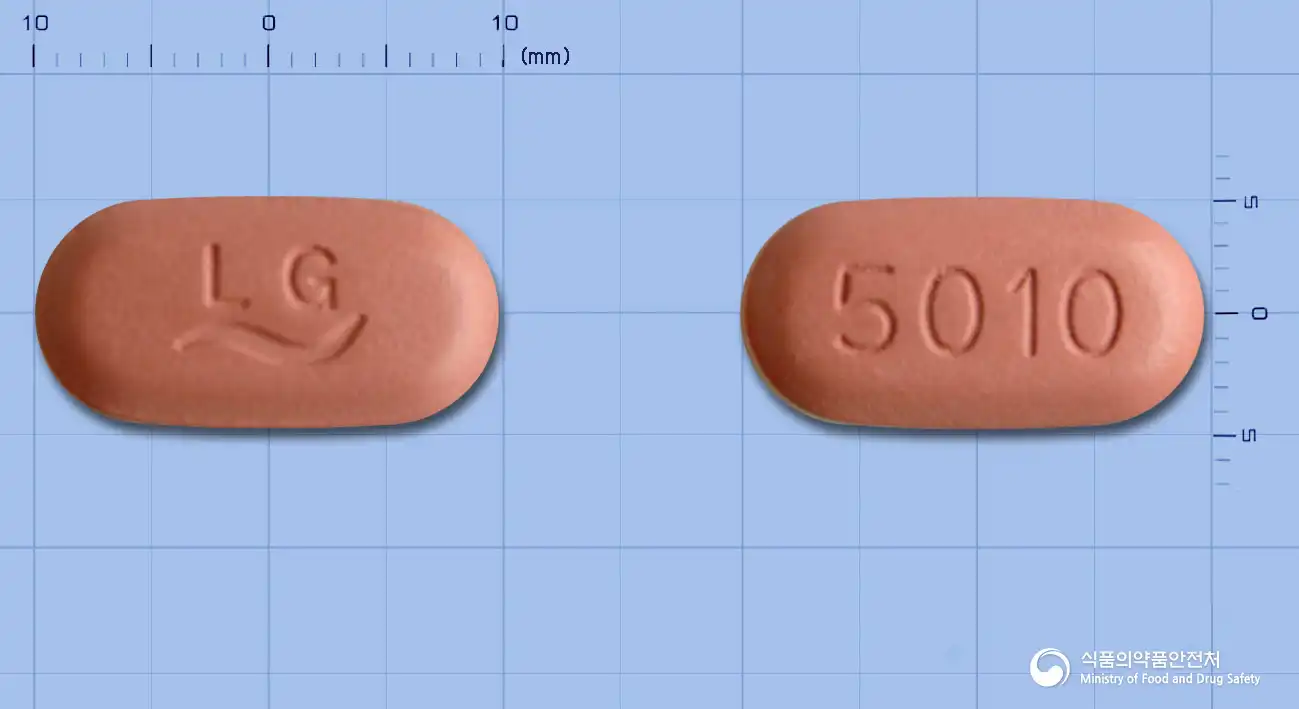 Combination
Gemigliptin Tartrate Sesquihydrate 68.9mg · Metformin Hydrochloride 1000mg
Tablet · Prescription medication · Combination
LG Chem, Ltd.
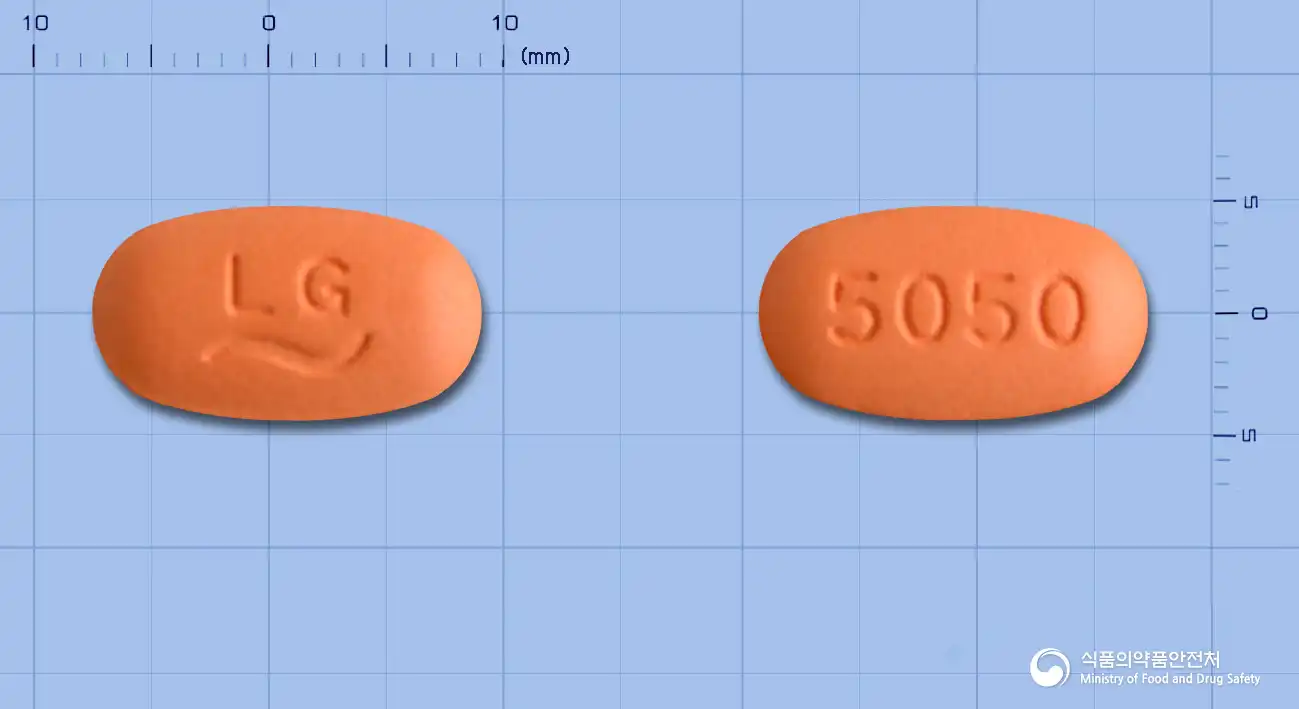 Combination
Gemigliptin Tartrate Sesquihydrate 68.9mg · Metformin Hydrochloride 500mg
Tablet · Prescription medication · Combination
(LG Chem Ltd.)
Even with the same ingredient, the dose and directions can differ by strength and dosage form. Talk to a doctor or pharmacist before switching from a medication you are already taking.
No questions yet.
For anything that needs medical judgment, consult a doctor or pharmacist.
This drug information is based on data provided by the Korea Ministry of Food and Drug Safety.
Consult a doctor or pharmacist for accurate dosage, administration, and usage instructions.