
 한국어
 English
 日本語
 中文(简体)
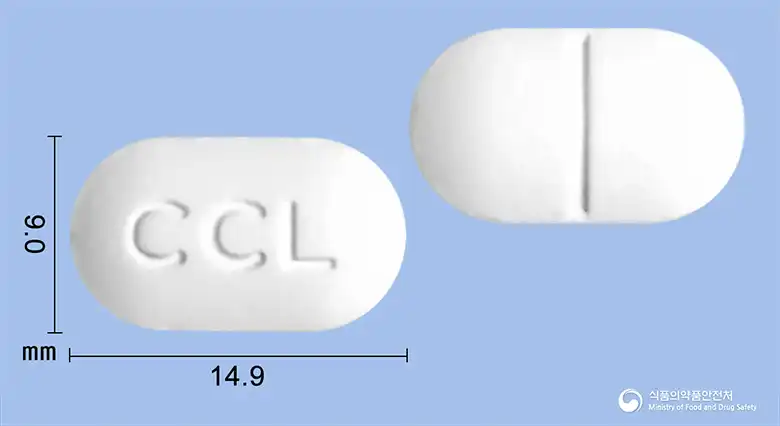 Viewing nowCombination
Cricolon ES Tablets
Anhydrous Dibasic Sodium Phosphate 265.3mg · Monobasic Sodium Phosphate Monohydrate 734.7mg
Tablet · Prescription medication · Combination
Korea Pharma Co., Ltd.
MFDS item code 201308204 · Approved 2013.07.15
Bowel cleansing in adults before colonoscopy
This medication is used to clean the colon before a colonoscopy procedure in adults aged 18 years and older.
The recommended dose for colon cleansing in adults is 48 tablets (equivalent to 48 g of sodium phosphate), taken orally with approximately 2 liters of water as follows: 1. Evening before the procedure: Take a total of 30 tablets, taking 6 tablets with approximately 240mL of water every 15 minutes. 2. Day of the procedure: Starting 3~5 hours before the procedure, take a total of 18 tablets, taking 6 tablets with approximately 240mL of water every 15 minutes. Patients receiving this medicine should maintain adequate hydration before, after, and during administration. If this medicine has previously been taken for colon cleansing, do not take it again within 7 days. Additional enema solutions or laxatives are not necessary; do not take additional medicines, especially products containing sodium phosphate.
This medication is an oral phosphate sodium preparation used to clean the bowels before a colonoscopy. This medication can affect kidney function, so patients who are 55 years or older, or those with kidney disease, dehydration, electrolyte imbalances, etc. should use it with caution. Patients with specific conditions such as congenital megacolon, heart disease, gastrointestinal obstruction, or toxic colitis should not use this medication. Also, patients with genetic issues such as lactose intolerance or galactose intolerance should avoid administration. It is important to consume adequate fluids while taking this medication, and it is advisable to seek treatment at a hospital if symptoms of vomiting or dehydration occur. While taking this medication, be aware that side effects such as abdominal pain, bloating, nausea, vomiting, dizziness, and headache may occur. In severe cases, serious adverse reactions such as renal failure, acute phosphate nephropathy, cardiac arrhythmias, and seizures may occur; therefore, you should consult healthcare personnel immediately if any abnormal symptoms occur. This medication may interact with other drugs, so patients taking diuretics, antihypertensives, anti-inflammatory pain relievers, etc. should inform their doctor or pharmacist before use. Pregnant or breastfeeding women should only use this medication when absolutely necessary, and it is advisable not to use it in pediatric patients as its safety and efficacy have not been confirmed. In the case of overdose, severe electrolyte imbalances and complications may occur, so it is crucial to adhere strictly to the prescribed dosage and administration. Finally, store this medication out of reach of children and do not transfer it to another container for safety.
Acute phosphate nephropathy, permanent impairment of renal function, need for long-term dialysis, hyperphosphatemia, dehydration, abdominal distension, abdominal pain, nausea, vomiting, dizziness, headache, renal failure, nephrocalcinosis, cardiac arrhythmia, seizures, tonic-clonic seizures, loss of consciousness, aphthous ulcers of the colonic mucosa, acute exacerbation of chronic inflammatory diseases, anaphylaxis, rash, pruritus, urticaria, throat tightness, bronchospasm, dyspnea, angioedema, dysphagia, abnormal sensations and swelling of the lips and tongue, facial swelling, renal impairment, increased blood urea nitrogen, increased creatinine, acute renal failure, renal tubular necrosis
Not everyone experiences these, and they can vary from person to person.
This medication is sensitive to air and moisture, so it should be stored in a tightly sealed container. Additionally, it is important to store the medication at room temperature between 1 degree and 30 degrees Celsius to maintain its effectiveness.
White rectangular tablets
48 tablets/bottle
Even with the same ingredient, strength, dosage form and how it is taken can differ.
Viewing nowCombinationAnhydrous Dibasic Sodium Phosphate 265.3mg · Monobasic Sodium Phosphate Monohydrate 734.7mg
Tablet · Prescription medication · Combination
Korea Pharma Co., Ltd.
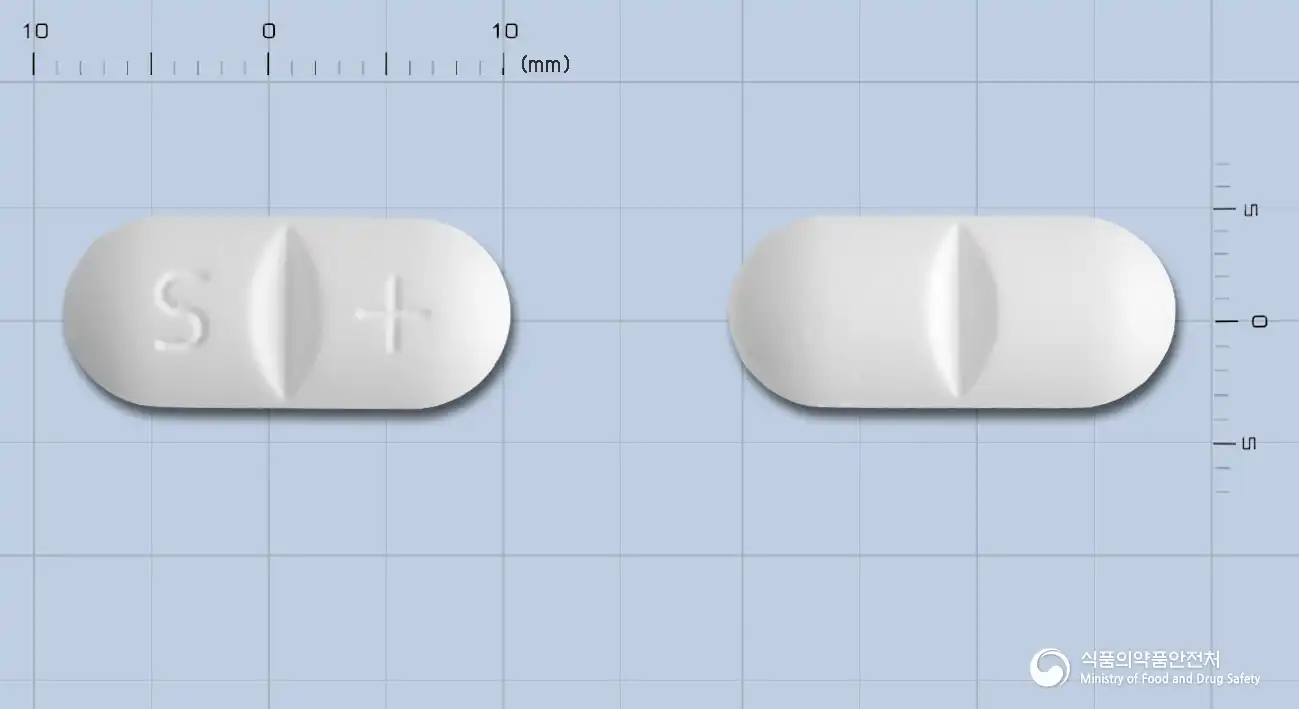 Combination
Anhydrous Dibasic Sodium Phosphate 398mg · Monobasic Sodium Phosphate Monohydrate 1102mg
Tablet · Prescription medication · Combination
Hanguk Pharma Co., Ltd.
Monobasic Sodium Phosphate Monohydrate · Anhydrous Dibasic Sodium Phosphate
Prescription medication · Combination
Bukwang Pharmaceutical Co., Ltd.
Even with the same ingredient, the dose and directions can differ by strength and dosage form. Talk to a doctor or pharmacist before switching from a medication you are already taking.
No questions yet.
For anything that needs medical judgment, consult a doctor or pharmacist.
This drug information is based on data provided by the Korea Ministry of Food and Drug Safety.
Consult a doctor or pharmacist for accurate dosage, administration, and usage instructions.