
 한국어
 English
 日本語
 中文(简体)
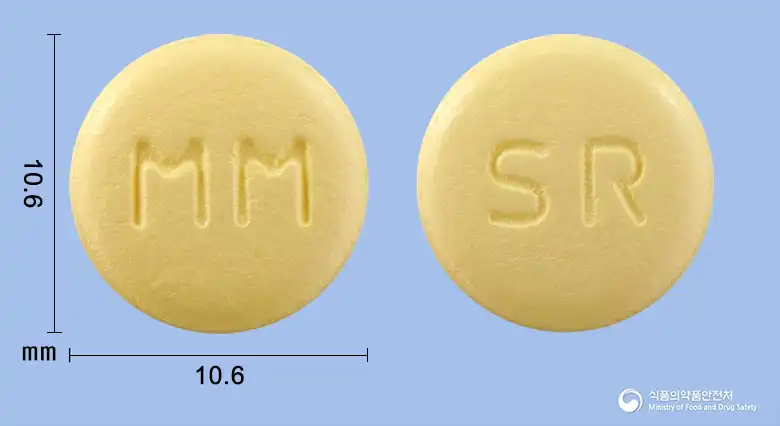 Viewing nowCombination
Trapeansemi Sustained Release Tablet
Tramadol Hydrochloride 37.5mg · Acetaminophen 162.5mg
Tablet · Prescription medication · Combination
Myungmoon Pharmaceutical Co., Ltd.
MFDS item code 201308055 · Approved 2013.07.05 · Insurance code 649806300
Relief of moderate to severe acute and chronic pain
This medication is used to relieve moderate to severe acute and chronic pain.
Adults: Adjust the dose according to the severity of the patient's pain and response to treatment. The recommended initial dose is 2 tablets. Thereafter, allow an interval of at least 12 hours between doses, and do not exceed 8 tablets per day. Do not use this drug for longer than necessary. If long-term treatment is required due to the nature and severity of the disease, conduct regular monitoring to determine whether treatment with this drug should be continued. Nausea, vomiting, itching, constipation, dizziness, and drowsiness may occur during treatment; closely monitor the patient's response and adjust treatment as appropriate. Elderly: Administer the usual adult dose. However, since the elimination half-life of tramadol increased by 17% when administered orally to elderly patients aged 75 years and older, administer this drug at intervals of at least 12 hours. Patients with renal impairment: The safety and efficacy of this drug have not been established in patients with renal impairment; use is not recommended. Patients with hepatic impairment: The safety and efficacy of this drug have not been established in patients with hepatic impairment; use is not recommended.
This medication should be discussed with a doctor or pharmacist if the person regularly consumes more than three glasses of alcohol daily, as it may lead to liver damage. If a rash or hypersensitivity reaction occurs during use, discontinue use immediately and inform healthcare personnel. The components of this medication may increase the risk of seizures, so patients with a history of seizures or risk factors for seizures should use caution. Severe sedation or respiratory depression, as well as coma, may occur if taken with central nervous system depressants or alcohol, and caution is needed when combining. The use of this medication may be dangerous in patients with severe respiratory diseases, and administration should be under the supervision of healthcare personnel. Patients with compromised liver function should consult a doctor before taking this medication, as its components may burden the liver. This medication should not be administered to children under 12 years of age or adolescents under 18 years of age who have undergone tonsillectomy or adenoidectomy. Drowsiness or dizziness may occur during use, so caution is needed when driving or operating machinery. Discontinuation of this medication suddenly may result in withdrawal symptoms such as anxiety, insomnia, and sweating, so it should be tapered off under the direction of a healthcare professional. Serious respiratory depression or liver damage can occur in cases of overdose, so prescribed dosages should be strictly followed, and immediate medical attention should be sought if unusual symptoms appear.
Liver damage, acute generalized exanthematous pustulosis, Stevens-Johnson syndrome, toxic epidermal necrolysis, seizures, anaphylactic reactions, respiratory depression, deep sedation, coma, weakness, fatigue, flushing, chest pain, rigidity, syncope, withdrawal symptoms, hypertension, worsening hypertension, hypotension, arrhythmia, palpitations, tachycardia, dizziness, headache, tremor, ataxia, convulsions, hypertonia, migraine, exacerbation of migraine, involuntary muscle contractions, paresthesia, confusion, dizziness, abdominal pain, constipation, diarrhea, dyspepsia, flatulence, xerostomia, nausea, vomiting, dysphagia, hematochezia, tongue swelling, decreased appetite, anxiety, confusion, euphoria, insomnia, neuroticism, drowsiness, amnesia, depersonalization, depression, drug abuse, dependence, emotional instability, hallucinations, erectile dysfunction, nightmares, abnormal thoughts, anemia, dyspnea, proteinuria, urination disorders, oliguria, urinary retention, pruritus, rash, sweating, urticaria, abnormal liver function, weight loss, tinnitus, abnormal vision, chills, leukoplakia, rhinitis, nasopharyngitis, limb pain, arthralgia, muscle cramps, muscle weakness, myalgia, blurred vision, conjunctivitis, decreased immune response, sensory disturbances, stupor, dysgeusia, involuntary muscle contractions, migraine, urination disorders, hematuria, concentrated urine, anuria, urinary incontinence, xerostomia, abdominal pain, abdominal discomfort, abdominal distension, epigastric discomfort, epigastric pain, peptic ulcer, diarrhea, belching, thirst, chest discomfort, facial edema, chills, fever, peripheral edema, weakness, pallor, blood pressure fluctuations, cough, rhinorrhea, positive urinary red blood cells, elevated blood pressure, palpitations, irregular menstruation, breast cancer, injury, congestive heart failure, dizziness, stupor, exertional dyspnea, bronchitis, urinary retention, polyuria, renal function abnormalities, decreased hemoglobin, reduced erythrocytes, leukopenia, leukocytosis, thrombocytopenia, palpitations, aortic stenosis, bleeding, elevated cholesterol, hip pain, thigh pain, allergic rhinitis, epistaxis, progress of biliary cancer, foreign body sensation in the eye, progress of liver cancer, drowsiness, decreased appetite, hallucinations, depersonalization, hypoglycemia, hyponatremia, syndrome of inappropriate antidiuretic hormone secretion, withdrawal symptoms, movement disorders, delirium, miosis, mydriasis, speech disorders, hypoprothrombinemia, high anion gap metabolic acidosis, liver failure, renal necrosis, hypoglycemia, coagulopathy, QT prolongation, myocardial infarction, death, coma, recurrence of myocardial infarction, multiple organ failure, intentional overdose, cholecystitis, paralytic ileus, renal function abnormalities, hypersalivation, heartburn, acute gastritis, cold, upper respiratory infection, general weakness, motion sickness, transient ischemic attacks, lethargy, memory impairment, inadequate response, facial flushing, withdrawal syndrome, adrenal insufficiency, hyperalgesia, anxiety, sweating, insomnia, rigidity, pain, diarrhea, upper respiratory syndrome, hair loss, agitation, neuroticism, hyperactivity, panic attacks, severe anxiety, sensory disturbances, tinnitus, abnormal central nervous system responses
Not everyone experiences these, and they can vary from person to person.
This medication may be sensitive to air and moisture, so it should be stored in a tightly closed container. Moreover, the medication should be stored in a place that avoids extreme temperatures, preferably between 1 to 30 degrees Celsius.
Pale yellow round film-coated sustained release tablet
30 tablets/bottle, 100 tablets/bottle
Even with the same ingredient, strength, dosage form and how it is taken can differ.
Viewing nowCombinationTramadol Hydrochloride 37.5mg · Acetaminophen 162.5mg
Tablet · Prescription medication · Combination
Myungmoon Pharmaceutical Co., Ltd.
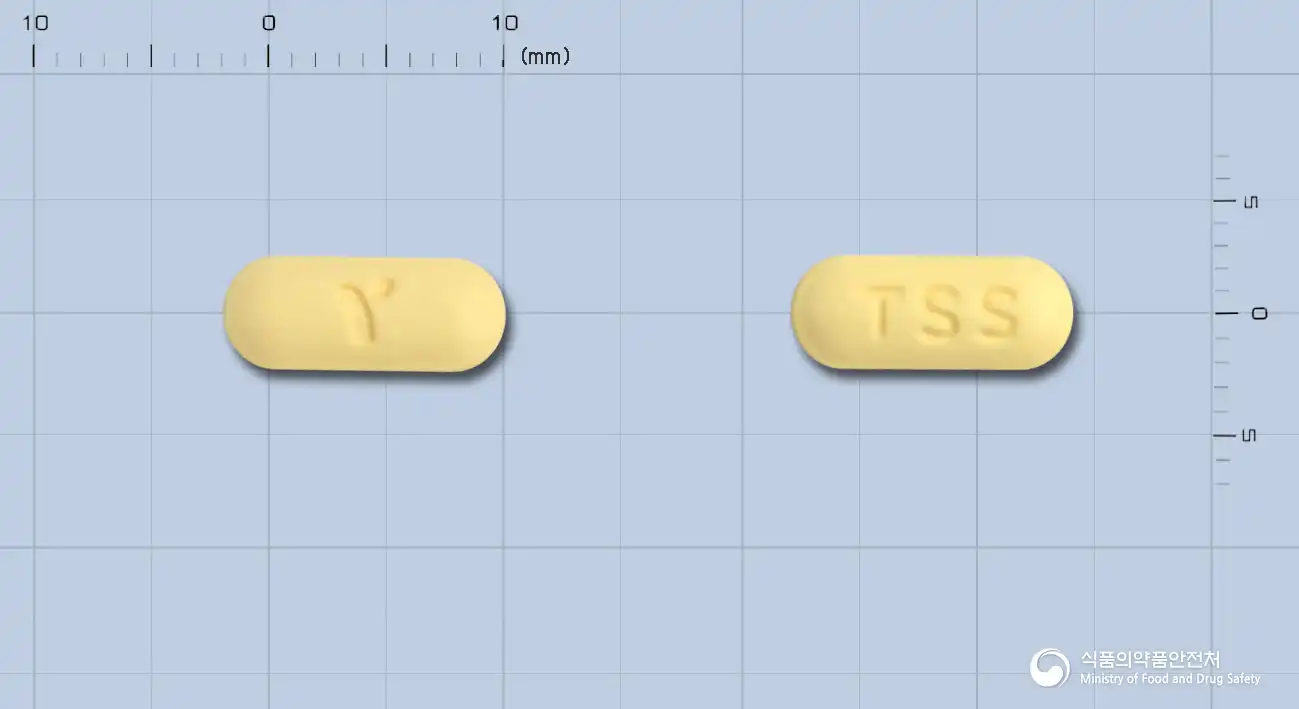 Combination
Acetaminophen 162.5mg · Tramadol Hydrochloride 18.75mg
Tablet · Prescription medication · Combination
Yuyoung Pharmaceutical Co., Ltd.
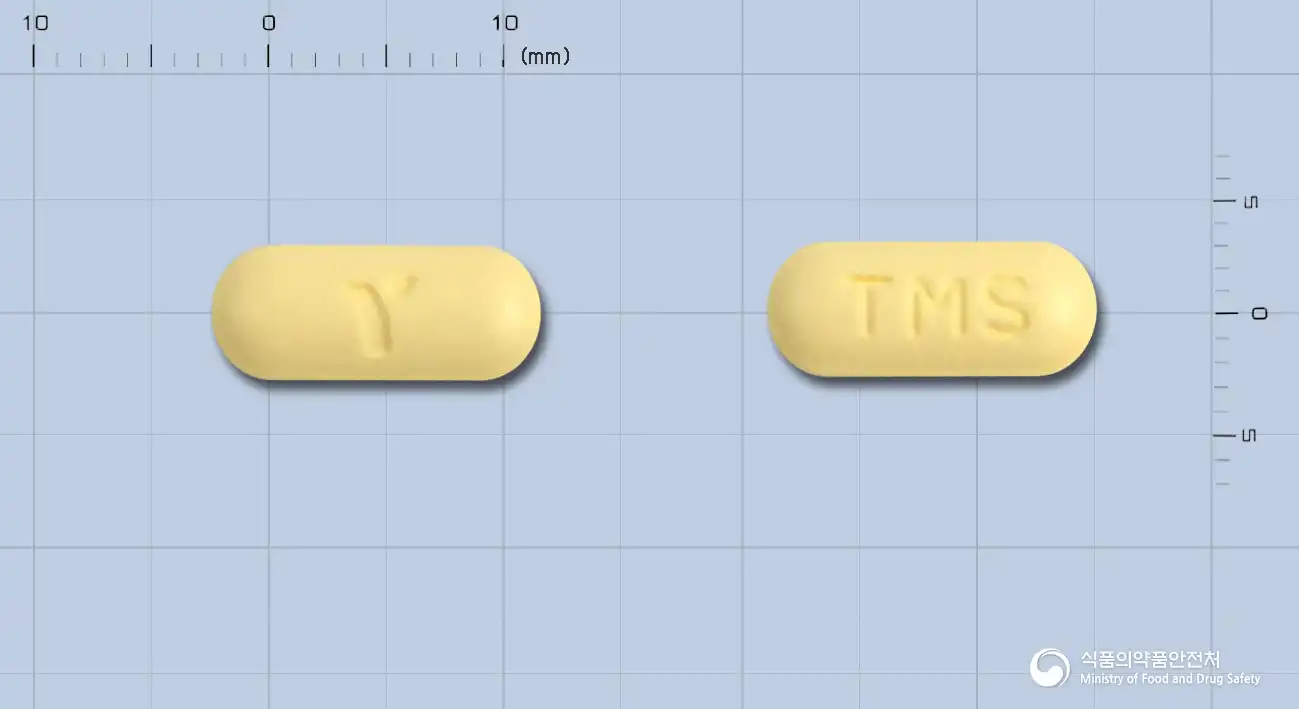 Combination
Acetaminophen 325mg · Tramadol Hydrochloride 37.5mg
Tablet · Prescription medication · Combination
Youyoung Pharmaceutical Co., Ltd.
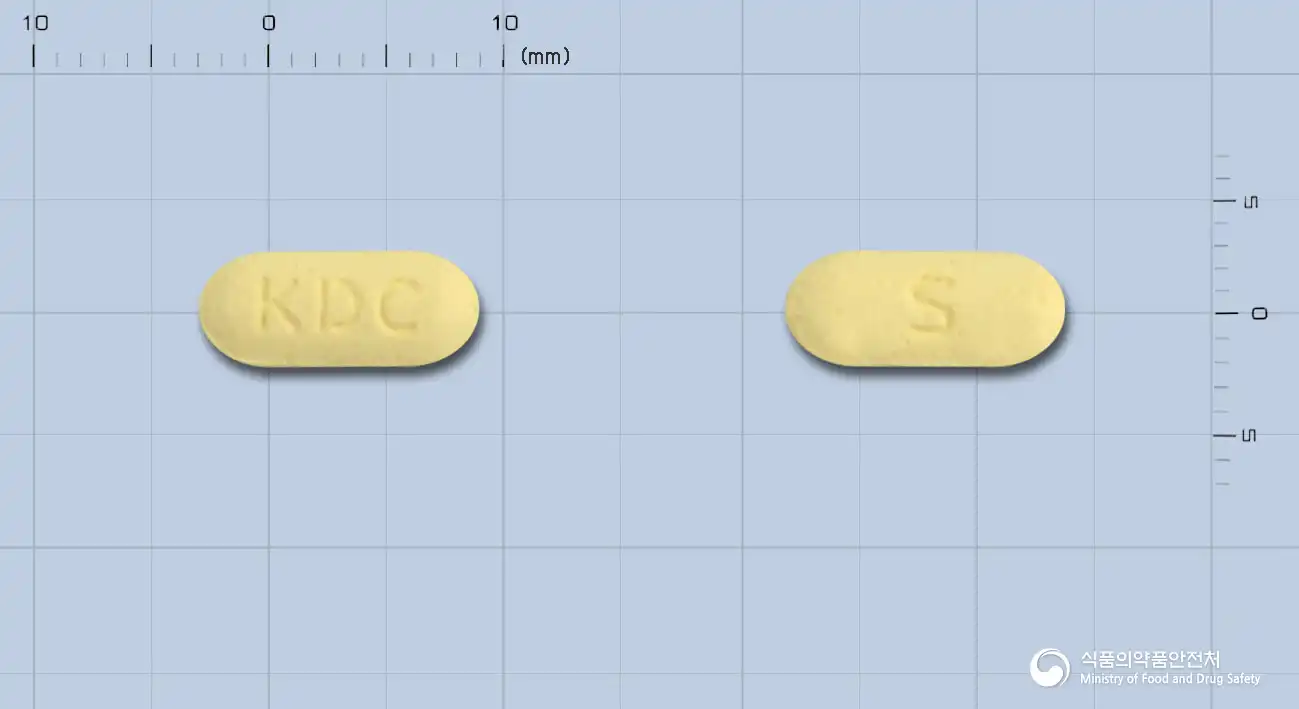 Combination
Tramadol Hydrochloride 18.75mg · Acetaminophen 162.5mg
Tablet · Prescription medication · Combination
Korea Pharmaceutical Co., Ltd.
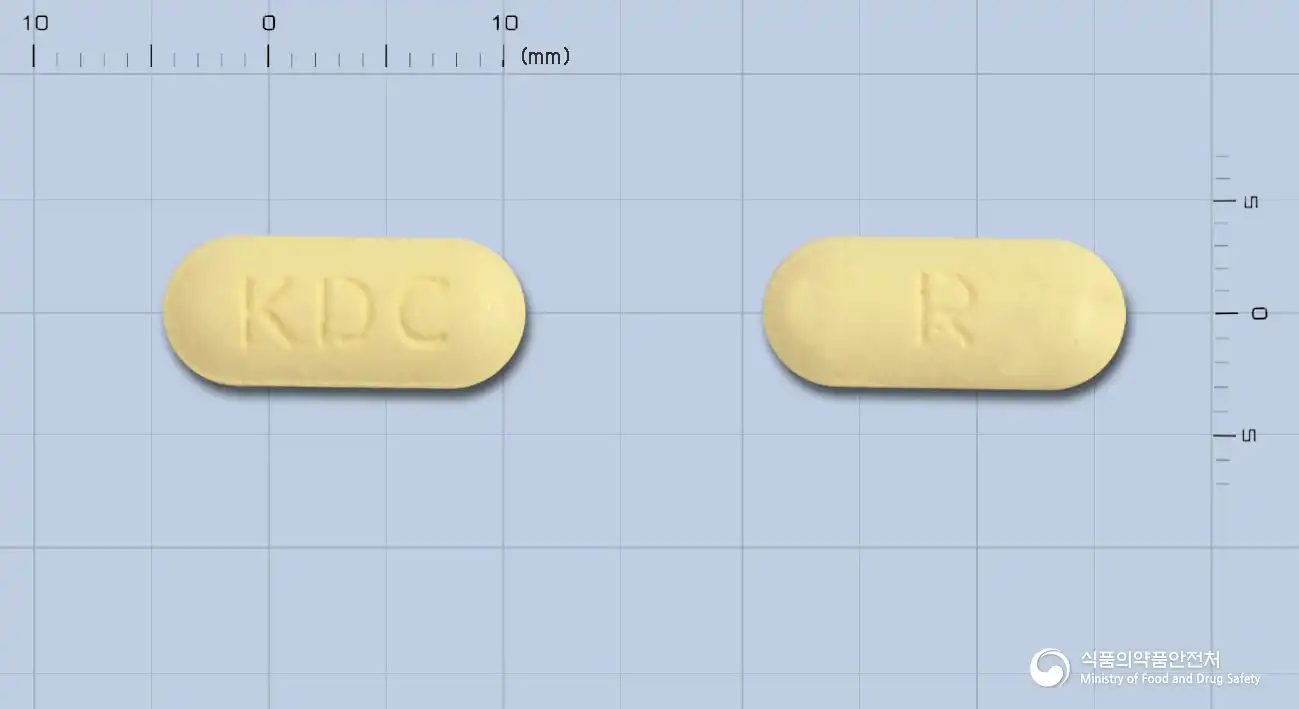 Combination
Tramadol Hydrochloride 37.5mg · Acetaminophen 325mg
Tablet · Prescription medication · Combination
Korea United Pharmaceutical Co., Ltd.
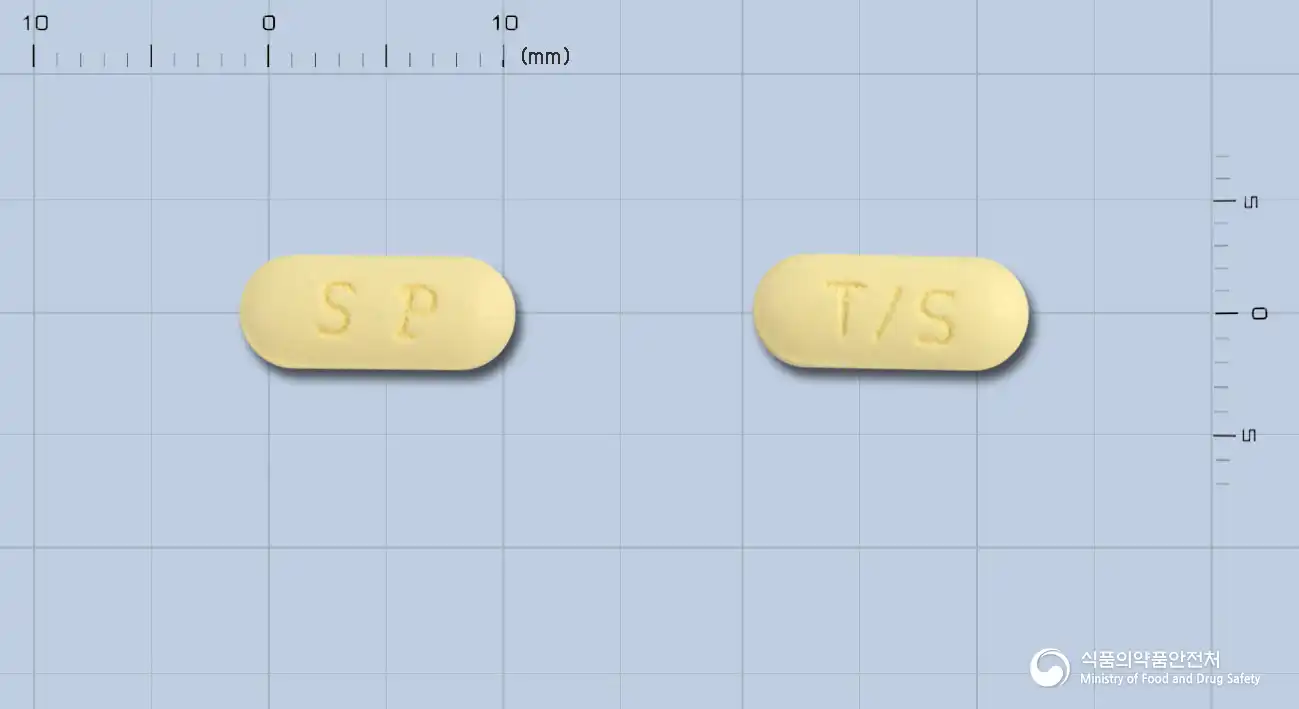 Combination
Acetaminophen 162.5mg · Tramadol Hydrochloride 18.75mg
Tablet · Prescription medication · Combination
Shinpoong Pharmaceutical Co., Ltd.
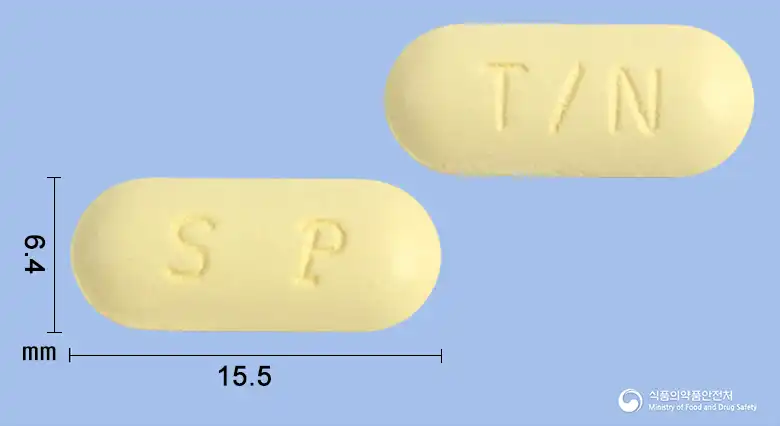 Combination
Acetaminophen 325mg · Tramadol Hydrochloride 37.5mg
Tablet · Prescription medication · Combination
Sinphong Pharmaceutical Co., Ltd.
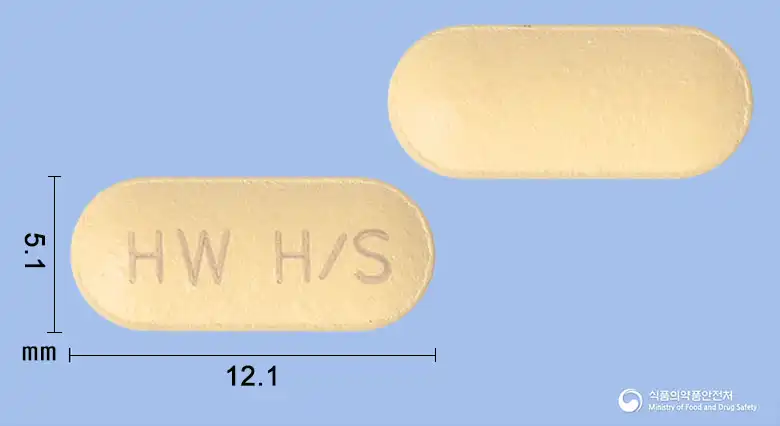 Combination
Acetaminophen 162.5mg · Tramadol Hydrochloride 18.75mg
Tablet · Prescription medication · Combination
Albozen Korea Co., Ltd.
Even with the same ingredient, the dose and directions can differ by strength and dosage form. Talk to a doctor or pharmacist before switching from a medication you are already taking.
No questions yet.
For anything that needs medical judgment, consult a doctor or pharmacist.
This drug information is based on data provided by the Korea Ministry of Food and Drug Safety.
Consult a doctor or pharmacist for accurate dosage, administration, and usage instructions.