
 한국어
한국어 English
 日本語
日本語 中文(简体)
 Viewing now
Acerine Enteric-Coated Tablets (Aspirin)
Aspirin 100mg
Tablet · OTC medication
Korea Pavis Pharmaceutical Co., Ltd.
MFDS item code 201307928 · Notified 2013.06.28 · Insurance code 621802380
Inhibition of thrombus formation and reduction of cardiovascular risk such as myocardial infarction and cerebral infarction
This medication inhibits thrombus formation in major cardiovascular diseases such as myocardial infarction, cerebral infarction, and unstable angina, thereby protecting blood vessels. Additionally, it helps prevent thrombus formation after coronary artery bypass surgery or percutaneous coronary intervention. It is effective in reducing cardiovascular risk and protecting health in high-risk patients with multiple risk factors such as hypertension, hypercholesterolemia, obesity, and diabetes. This medication lowers the risk of cardiovascular complications due to thrombosis, improving the heart health of patients.
(Enteric-coated tablets) Adults should take 1 tablet once a day before meals with sufficient water. (Enteric-coated capsules) Adults should take 1 capsule once a day before meals with sufficient water.
This medication should be discussed with a doctor or pharmacist before use for individuals who regularly consume more than three alcoholic beverages a day. This is because the medication can cause gastrointestinal bleeding. This medication should not be administered to certain patients. For example, individuals who are allergic to this medication or similar drugs, patients with peptic ulcers, patients whose asthma is exacerbated by aspirin, hemophilia patients, patients with severe liver or kidney impairment, and pregnant women in the third trimester should not take it. Additionally, caution should be exercised when used in patients with kidney or cardiovascular dysfunction, blood disorders, bronchial asthma, children under 3 years old, elderly individuals, and patients taking anticoagulants. While taking this medication, various adverse reactions such as allergic reactions, skin rashes, gastrointestinal disturbances, blood disorders, kidney or liver dysfunction may occur; therefore, if any symptoms arise, discontinue use immediately and consult a doctor. This medication may cause a serious side effect called Reye's syndrome in children under 14 years when exposed to viral infections, and caution is required. Moreover, this medication can interact with other drugs, so it is important to consult with a doctor, especially if taking anticoagulants, diabetes medications, some nonsteroidal anti-inflammatory drugs, and lithium preparations. It should not be taken during pregnancy, especially in the third trimester, and during breastfeeding, as it can be transmitted through breast milk. Elderly patients should start with a small dose and observe for side effects due to an increased risk. This medication is in enteric-coated form, so care should be taken not to damage the coating, and it is advisable not to take it with certain formulations. Finally, keep this medication out of the reach of children and store it in its original container.
Erythema, itching, nasal congestion, rash, swelling, symptoms of rhinitis, conjunctivitis, loss of appetite, heartburn, stomach pain, nausea, vomiting, tinnitus, deafness, dizziness, headache, agitation, temporary liver damage due to increased liver transaminases, hyperventilation, metabolic acidosis, platelet function impairment, anemia, leukopenia, thrombocytopenia, aplastic anemia, platelet function impairment, thrombocytopenia, initial symptoms of DRESS syndrome
Not everyone experiences these, and they can vary from person to person.
This medication may increase bleeding or decrease renal function when used concurrently with other nonsteroidal anti-inflammatory drugs and salicylate preparations. This medication may interact with anticoagulants, ibuprofen, naproxen, and some nonsteroidal anti-inflammatory drugs.
Store this medication in a tightly sealed container to avoid exposure to light or air and keep it at room temperature between 1 degree and 30 degrees Celsius. Storing it this way will help maintain the medication's effectiveness for a longer time.
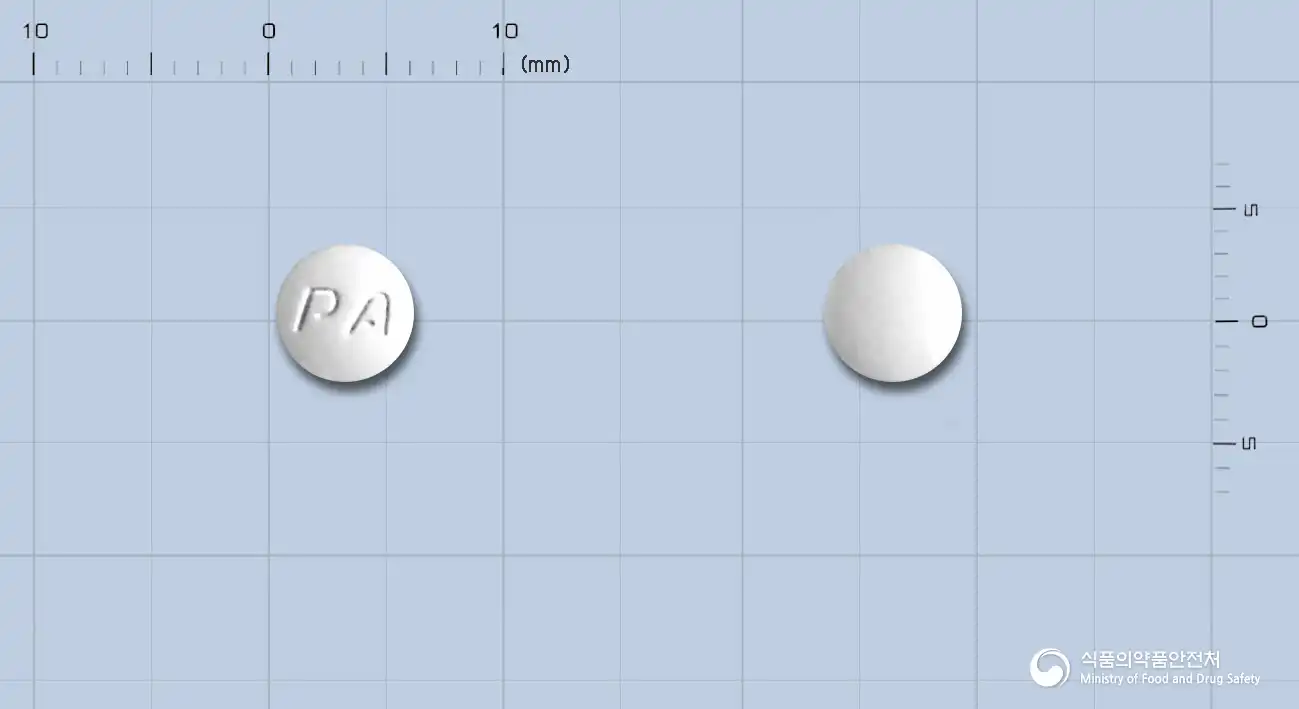
White round enteric-coated film-coated tablet
30 tablets/bottle, 300 tablets/bottle, 1000 tablets/bottle
Even with the same ingredient, strength, dosage form and how it is taken can differ.
Viewing nowAspirin 100mg
Tablet · OTC medication
Korea Pavis Pharmaceutical Co., Ltd.
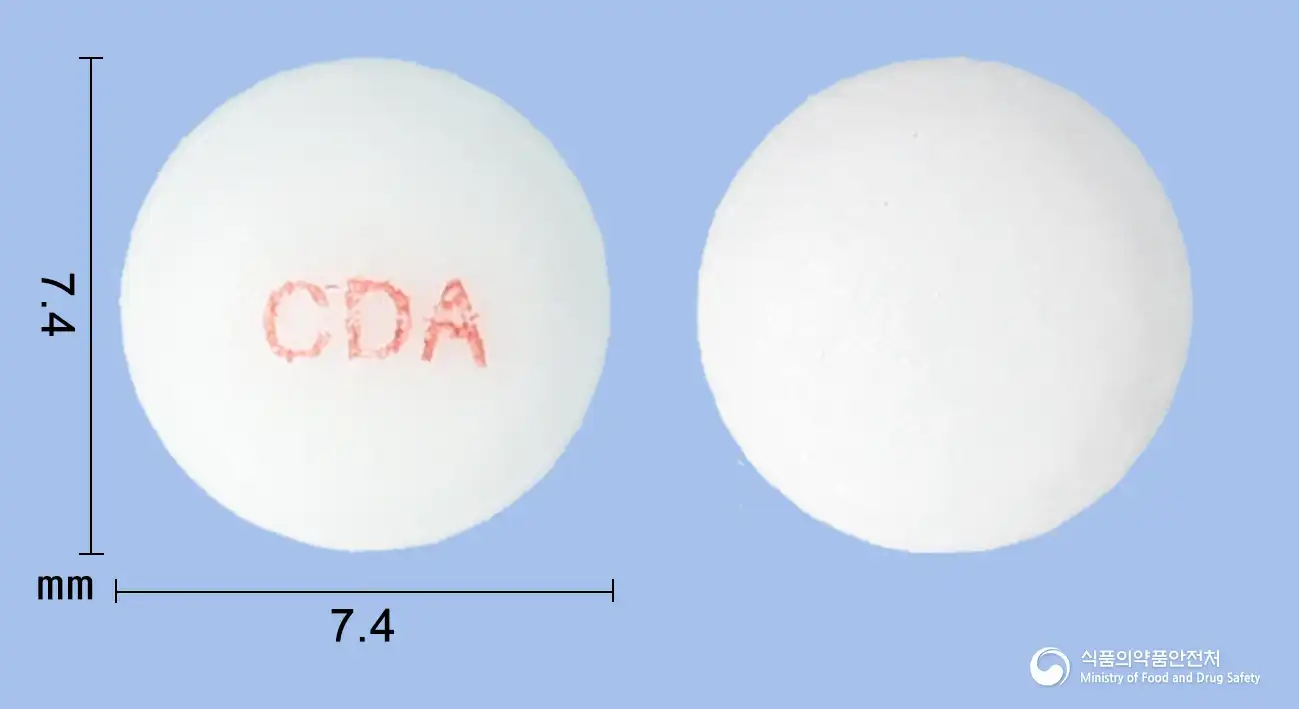
Aspirin 100mg
Tablet · OTC medication
Chodang Pharmaceutical Co., Ltd.
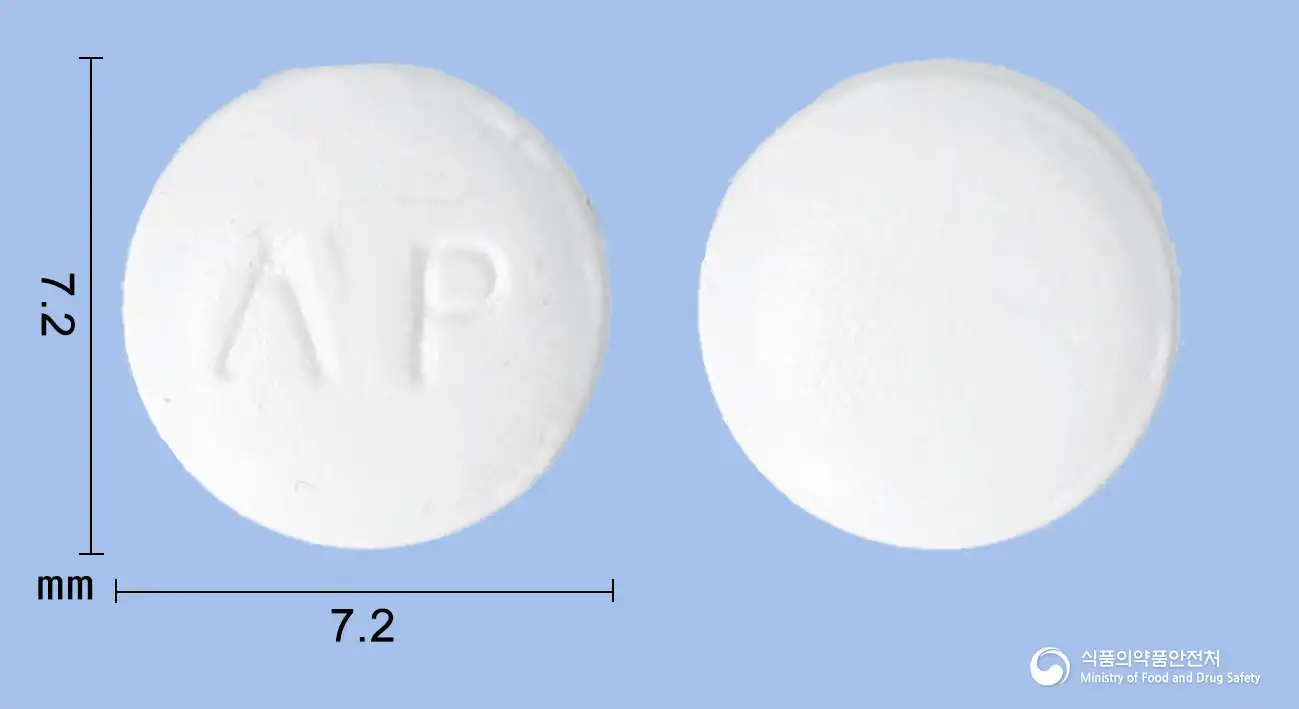
Aspirin 100mg
Tablet · OTC medication
Hanmi Pharmaceutical Co., Ltd.
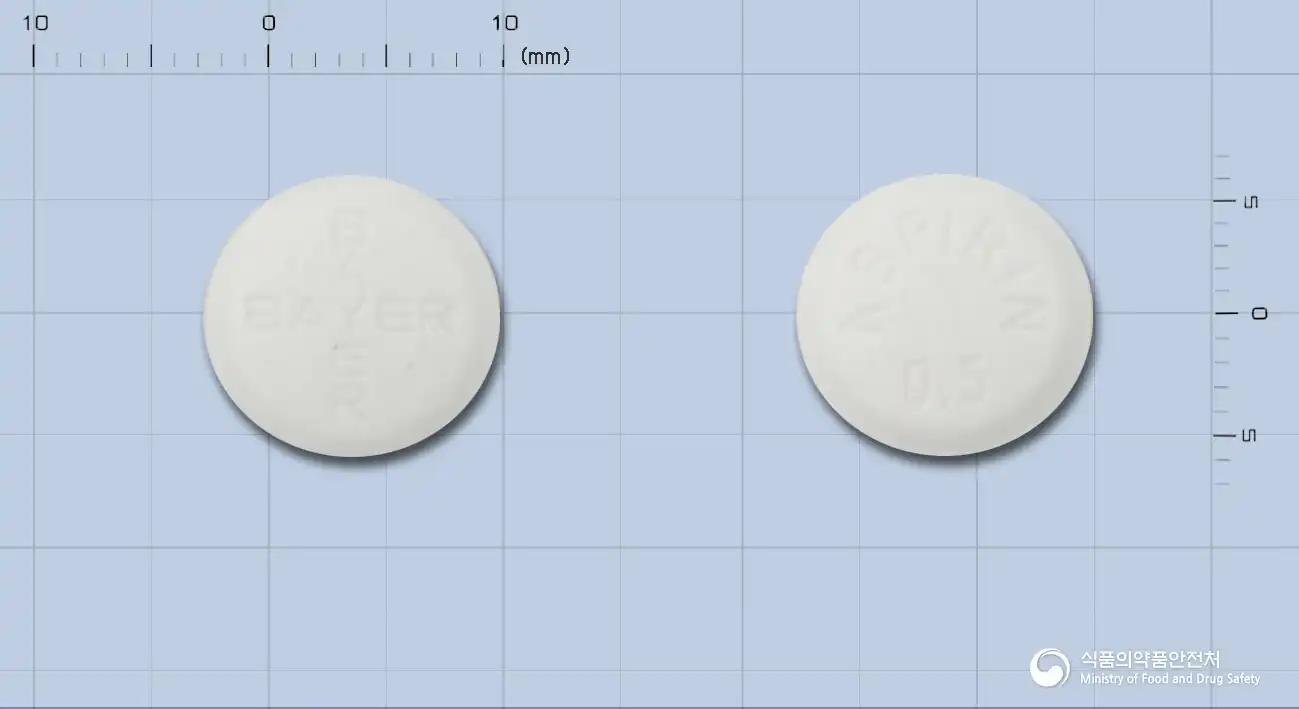
Aspirin 500mg
Tablet · OTC medication
Bayer Korea Co., Ltd.
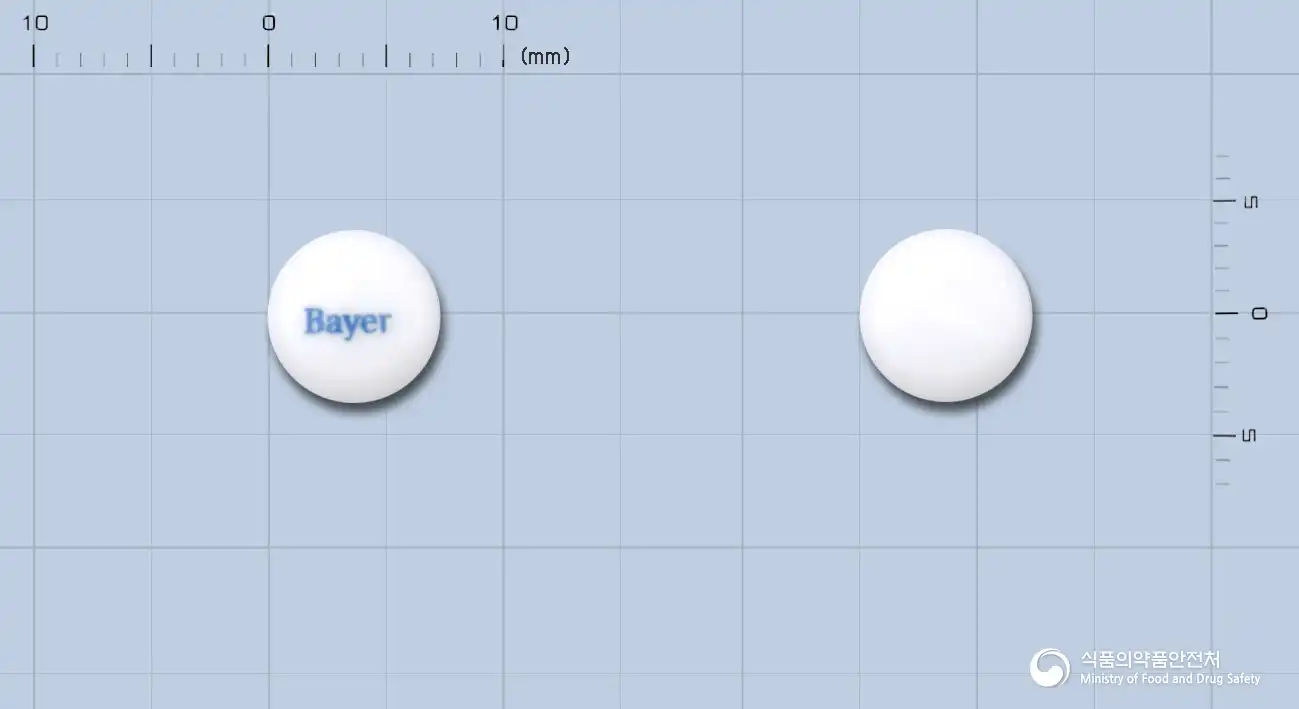
Aspirin 100mg
Tablet · OTC medication
Bayer Korea Co., Ltd.
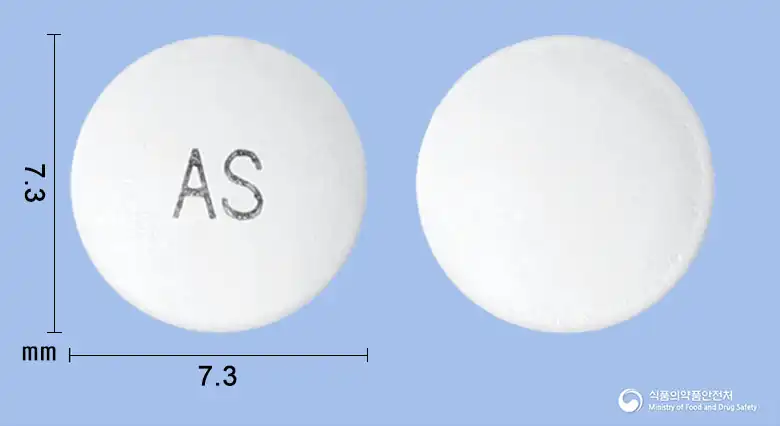
Aspirin 100mg
Tablet · OTC medication
Youngjin Pharmaceutical Co., Ltd.
Aspirin 81mg
Tablet · OTC medication
Youngpoong Pharmaceutical Co., Ltd.
Aspirin 75mg
Tablet · OTC medication
IlYang Biopharm Co., Ltd.
Even with the same ingredient, the dose and directions can differ by strength and dosage form. Talk to a doctor or pharmacist before switching from a medication you are already taking.
No questions yet.
For anything that needs medical judgment, consult a doctor or pharmacist.
This drug information is based on data provided by the Korea Ministry of Food and Drug Safety.
Consult a doctor or pharmacist for accurate dosage, administration, and usage instructions.