
 한국어
한국어 English
 日本語
日本語 中文(简体)
 Viewing now
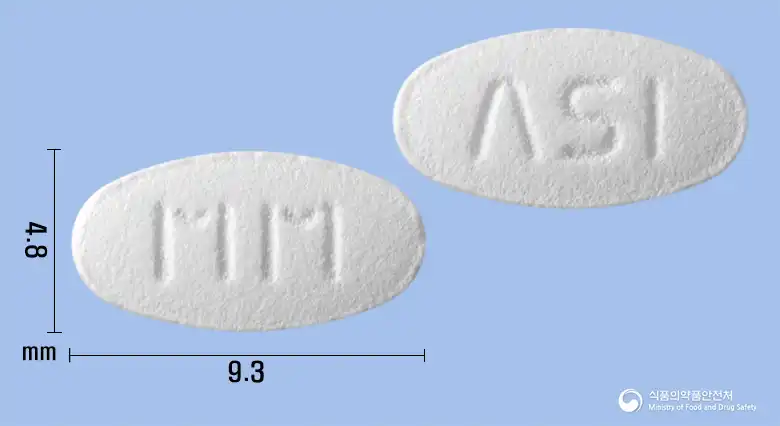
Myungmun Atorvastatin Tablet 10 mg (Atorvastatin Calcium Hydrate)
Atorvastatin Calcium Hydrate 10.85mg
Tablet · Prescription medication
Myungmun Pharm Co., Ltd.
MFDS item code 201307887 · Approved 2013.06.27 · Insurance code 649806290
Reduction of risks of myocardial infarction and stroke, improvement of hypercholesterolemia
This medication helps reduce the risk of cardiovascular diseases. In particular, it lowers the risks of myocardial infarction, stroke, complications after vascular procedures, and angina in adult patients with risk factors for coronary heart disease or type 2 diabetes. Additionally, it prevents non-fatal myocardial infarction and strokes in patients who already have coronary heart disease, and reduces hospitalizations due to congestive heart failure. This drug is also effective in treating hyperlipidemia, lowering total cholesterol, LDL cholesterol, and triglyceride levels while raising good cholesterol (HDL) levels. It is particularly useful for patients with familial or mixed dyslipidemia who do not respond adequately to dietary interventions. In children with hypercholesterolemia that is not controlled, it may also be used to improve blood lipid levels. This medication is used to improve cardiovascular health and reduce disease risks.
For hyperlipidemia, the recommended starting dose is 10 mg of atorvastatin once daily, and for patients needing greater LDL cholesterol reduction, it may be started at 20 mg or 40 mg once daily. The dosing should be individualized within a range of 10 to 80 mg once daily based on treatment goals and patient characteristics, with lipid levels assessed within 2 to 4 weeks after initiation or dose adjustment to guide further dosing.
For pediatric patients (ages 10 to 17) with heterozygous familial hypercholesterolemia, the recommended starting dose is 10 mg once daily, and the maximum recommended dose is 20 mg once daily. The dosage should be adjusted based on the patient's response at intervals of 4 weeks or more.
This drug may cause muscle abnormalities, so if there is severe muscle pain or weakness, or a significant increase in creatine kinase levels, treatment should be discontinued immediately. Particularly, patients at risk of impaired kidney function due to serious infections or surgeries are advised to temporarily halt the use of this medication. This drug should not be used in patients with certain allergic reactions or liver disease, muscle disorders, in pregnant or breastfeeding women, or in children under 10 years old. Patients with a history of alcohol dependence or liver disease, impaired kidney function, hypothyroidism, or the elderly should take this medication with caution. This medication can affect liver function, so regular liver function tests are necessary before and during treatment. Women of childbearing age must use effective contraception while taking this drug, and should discontinue it immediately if pregnancy is confirmed. This medication can interact with several other drugs, so it's essential to inform your doctor or pharmacist about any other medications being taken. Caution is especially required when taken with certain antibiotics, antifungals, antivirals, some antihypertensives, and oral contraceptives. There is no specific antidote for overdose, so treatment should be based on symptoms, and liver function and muscle-related tests should be performed. Keep this medication out of the reach of children, and store it in its original container to prevent misuse or deterioration. If symptoms such as muscle pain, fatigue, or fever occur during treatment, notify healthcare personnel immediately and undergo evaluation. This drug has been rarely reported to cause serious muscle abnormalities, liver dysfunction, or allergic reactions in some patients in clinical trials and post-marketing studies, so caution is warranted.
Hives, angioedema, chest tightness, difficulty breathing, cold sweats, pallor, severe rash with high fever, blisters, skin peeling, pain of mucous membranes in the mouth/eyes, shortness of breath or difficulty breathing, asthma attacks, respiratory symptoms with cough and fever, jaundice (yellowing of skin or eyes), extreme lethargy, sudden and severe headaches, lightning headache, seizures, confusion, visual disturbances, paralysis, decreased urine output.
Not everyone experiences these, and they can vary from person to person.
This medication should be stored in a tightly closed container to protect it from air and moisture, at room temperature between 1 to 30 degrees Celsius. Proper storage will help maintain the effectiveness of the medication for a longer time.
White oval film-coated tablet
30 tablets/bottle, 100 tablets/bottle
Even with the same ingredient, strength, dosage form and how it is taken can differ.
Viewing nowAtorvastatin Calcium Hydrate 10.85mg
Tablet · Prescription medication
Myungmun Pharm Co., Ltd.
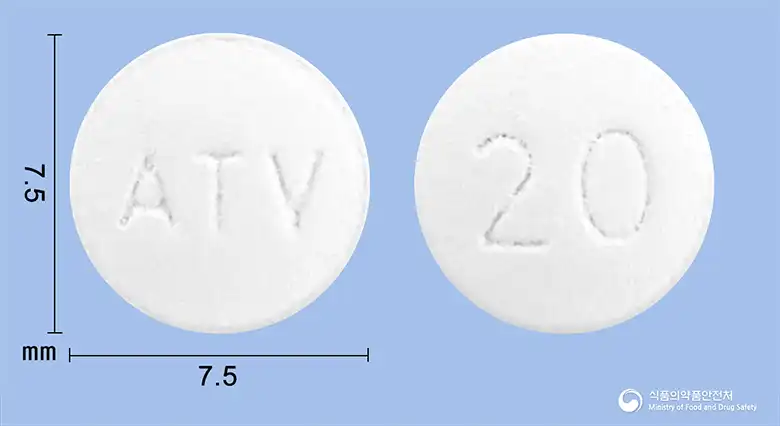
Atorvastatin Calcium Trihydrate 21.7mg
Tablet · Prescription medication
Viatris Korea Co., Ltd.
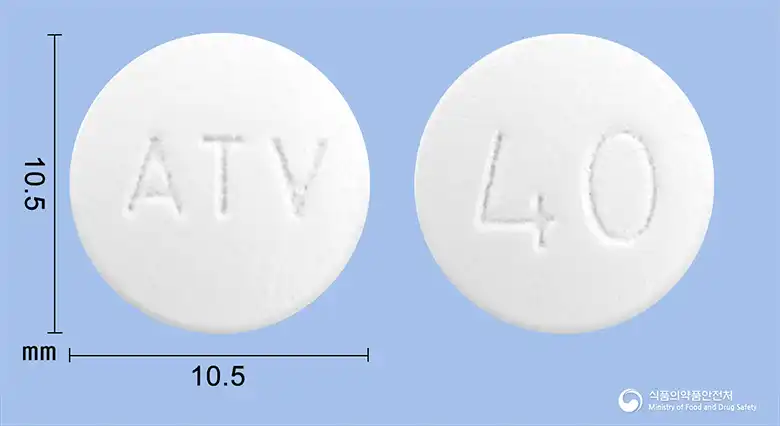
Atorvastatin Calcium Trihydrate 43.4mg
Tablet · Prescription medication
Viatris Korea Co., Ltd.
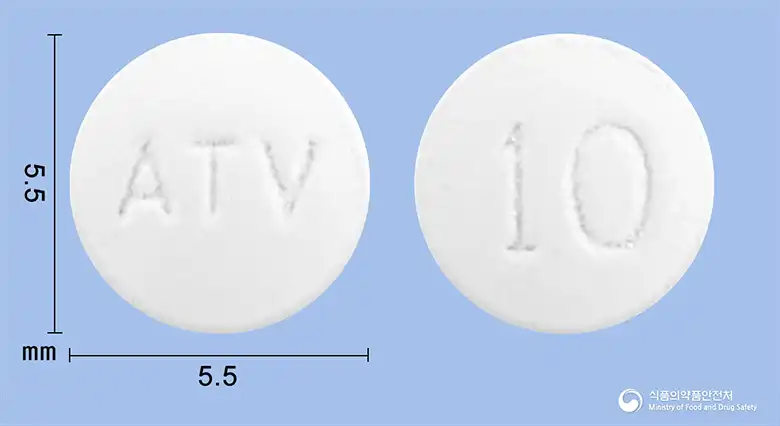
Atorvastatin Calcium Trihydrate 10.85mg
Tablet · Prescription medication
Viatris Korea Co., Ltd.
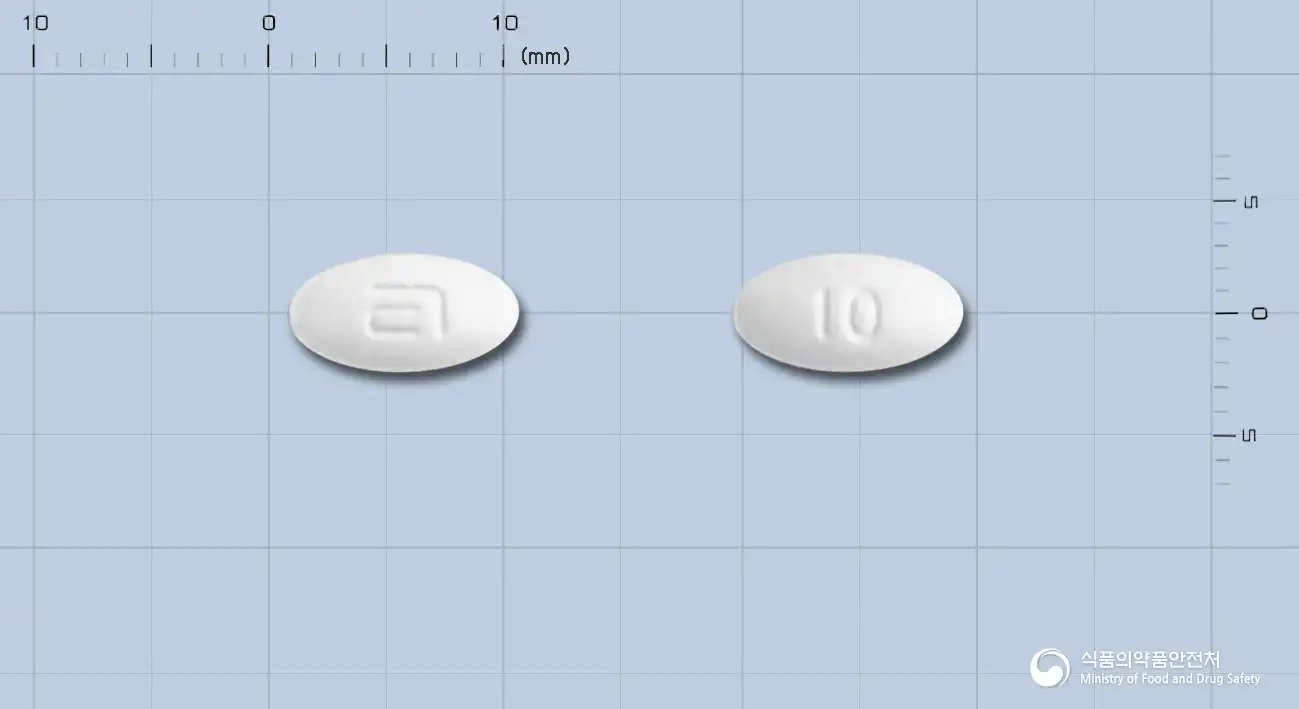
Atorvastatin Calcium Trihydrate 10.85mg
Tablet · Prescription medication
Kyungdong Pharmaceutical Co., Ltd.
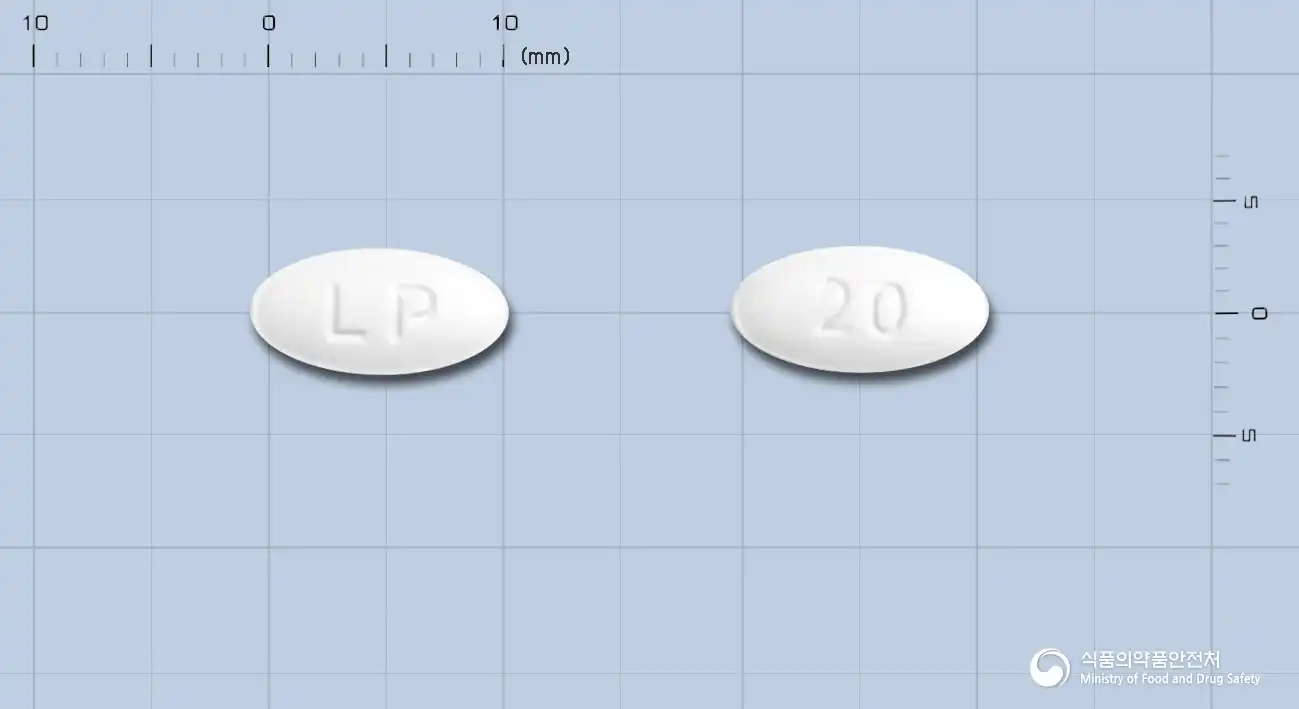
Atorvastatin Calcium Trihydrate 21.69mg
Tablet · Prescription medication
Shinil Pharmaceutical Co., Ltd.
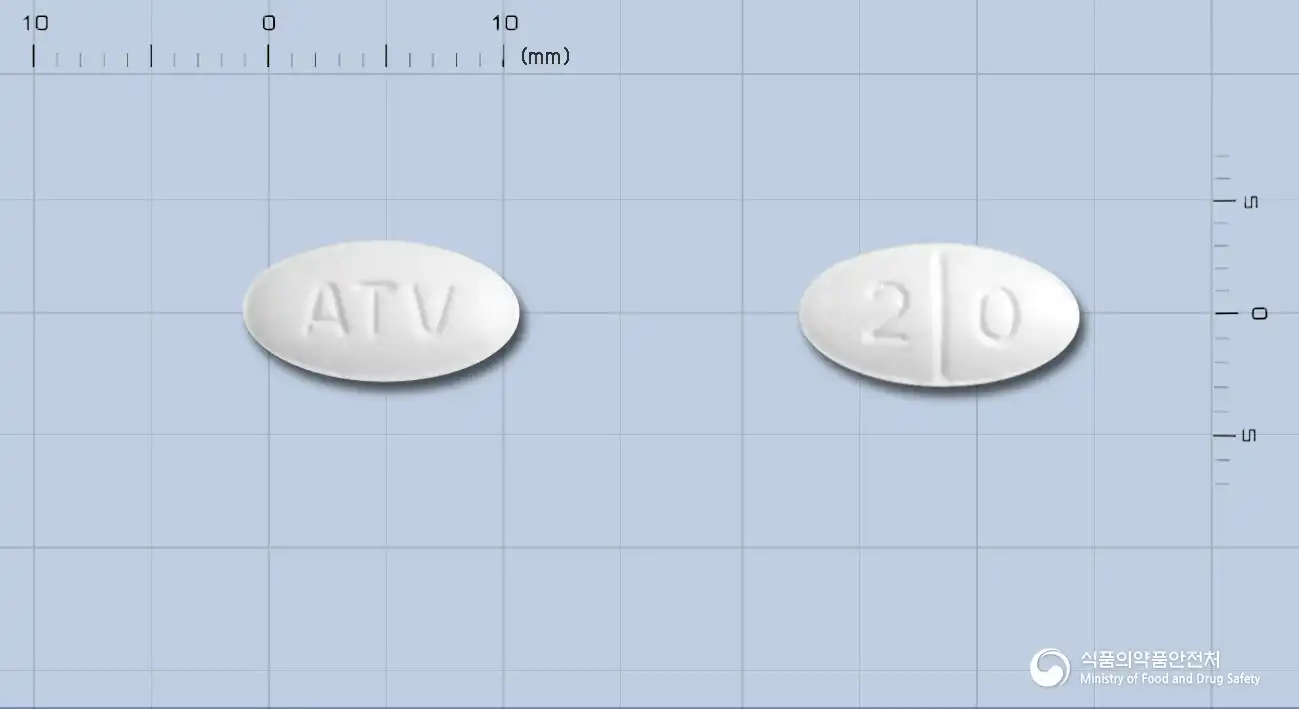
Atorvastatin Calcium Trihydrate 21.69mg
Tablet · Prescription medication
Daewon Pharmaceutical Co., Ltd.
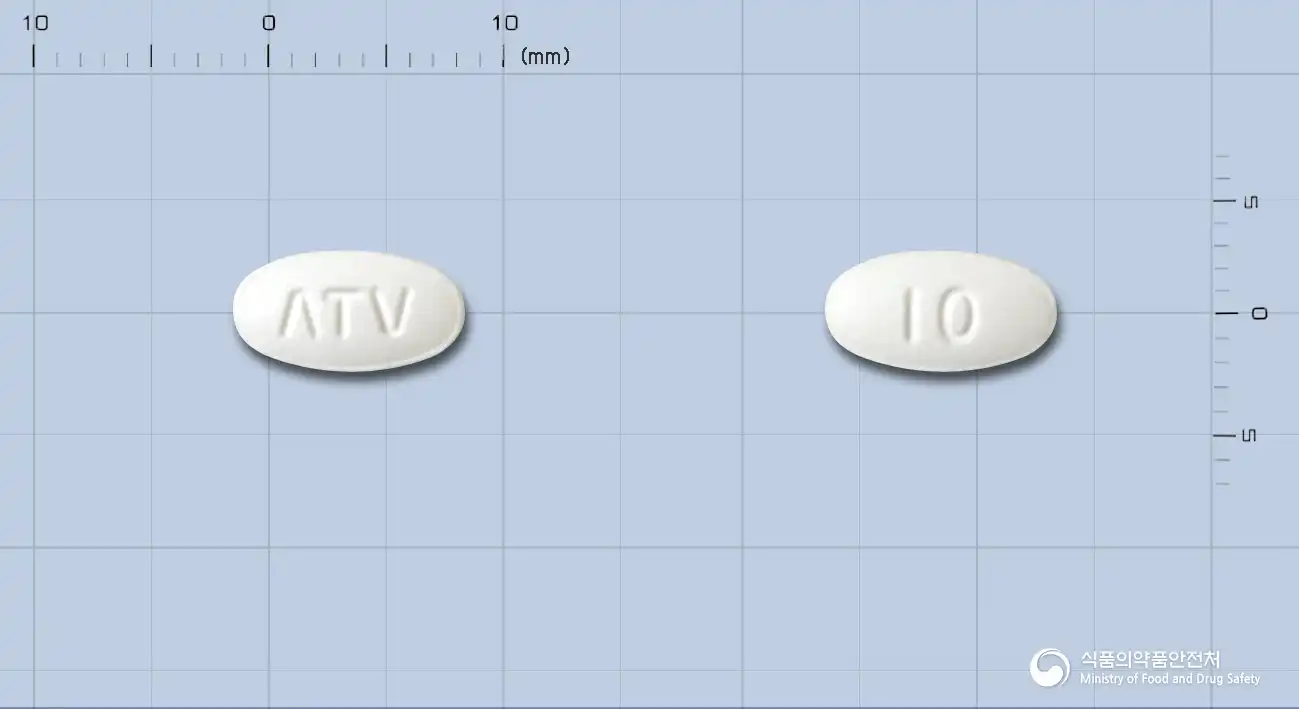
Atorvastatin Calcium Trihydrate 10.845mg
Tablet · Prescription medication
Daewon Pharmaceutical Co., Ltd.
Even with the same ingredient, the dose and directions can differ by strength and dosage form. Talk to a doctor or pharmacist before switching from a medication you are already taking.
No questions yet.
For anything that needs medical judgment, consult a doctor or pharmacist.
This drug information is based on data provided by the Korea Ministry of Food and Drug Safety.
Consult a doctor or pharmacist for accurate dosage, administration, and usage instructions.