
 한국어
한국어 English
 日本語
日本語 中文(简体)
Dosage form image
Viewing nowNesina Tablet 12.5 mg (Alogliptin Benzoate)
Alogliptin Benzoate 17mg
Tablet · Prescription medication
Celltrion Healthcare Co., Ltd.
MFDS item code 201307579 · Approved 2013.05.31
This product's status changed to Approval withdrawn on 2024.12.16. It may no longer be sold, so consult a doctor or pharmacist before taking it.
Improvement of blood sugar control in type 2 diabetes
This medication is used in conjunction with diet and exercise to help manage blood sugar levels in patients with type 2 diabetes. It can be used alone or in combination with other antidiabetic agents to enhance therapeutic effect. This helps effectively manage blood sugar levels and improve symptoms of diabetes.
The recommended dosage of this medication is 25 mg once daily. It can be administered irrespective of meals. Dosage adjustment for renal impairment: - Mild (creatinine clearance ≥50 mL/min): No dosage adjustment necessary. - Moderate (creatinine clearance 30 ≤ <50 mL/min): 12.5 mg once daily. - Severe (creatinine clearance <30 mL/min) and end-stage renal disease patients requiring dialysis: 6.25 mg once daily.
This medication should not be used in certain patients. It is not suitable for patients with allergies to the active ingredient or any other components, those in diabetic ketoacidosis or comatose state, or patients with type 1 diabetes. Additionally, patients with severe infections, preoperative or postoperative conditions, or severe trauma are also not suitable for this medication. Caution should be exercised in patients with moderate to severe renal impairment or those undergoing dialysis. It is not recommended for patients with heart failure classified as NYHA stage III-IV. Caution is also needed for patients on sulfonylureas, those with decreased pituitary or adrenal function, individuals with poor nutritional status or irregular food intake, those who engage in vigorous exercise, or excessive alcohol consumers. During the use of this medication, symptoms such as headache, nasopharyngitis, and upper respiratory infections may occur, and rarely, serious side effects like pancreatitis may develop. If symptoms of pancreatitis are suspected during use, the medication should be immediately stopped and consultation with a healthcare provider is required. Severe allergic reactions, skin rashes, urticaria, or angioedema may occur while on this medication, thus if any of these symptoms arise, usage should be stopped immediately and medical attention sought. As this medication may affect liver function, patients with abnormal liver function test results should be monitored closely. If symptoms of liver dysfunction (fatigue, loss of appetite, right upper quadrant pain, jaundice, etc.) arise, immediate consultation with a healthcare provider is necessary. When taken with insulin or sulfonylureas, there is an increased risk of hypoglycemia, thus patients should be carefully monitored for symptoms of hypoglycemia and insulin or other medication dosages adjusted as necessary. There have been reports of severe and disabling joint pain, so if serious joint pain occurs while taking this medication, patients should consult with healthcare professionals to decide whether to discontinue use. A skin condition called bullous pemphigoid can rarely occur, so if blisters or ulcers develop on the skin during use, patients should notify their doctor immediately and seek treatment. This medication is primarily excreted through the kidneys, and while it has limited interactions with other medications, caution should be exercised when used with other drugs as it may affect renal or liver function, hence healthcare providers should be informed of all concurrent medications. Use is not recommended for pregnant or breastfeeding women as the safety of this medication has not been established. Safety and efficacy in pediatric patients have not been confirmed, therefore it should not be administered to children. Elderly patients may require dosage adjustments due to common renal function decline and should have their renal status monitored regularly. Severe hepatic impairment necessitates caution when using this medication. There is no specific antidote for overdose, and appropriate treatment and monitoring are required based on symptoms, although some removal can be achieved through hemodialysis, but its effectiveness is limited. This medication should be kept out of reach of children and stored in its original container for safety.
Urticaria, severe swelling (angioedema), chest tightness, difficulty breathing, anaphylaxis, severe skin adverse reactions (Stevens-Johnson syndrome, exfoliative dermatitis), acute pancreatitis, liver abnormalities (jaundice, liver failure), severe edema, myocardial infarction, angina, exacerbation of asthma, worsening of pneumonia, apnea, dyspnea, severe and disabling joint pain, bullous pemphigoid, acute renal failure, severe headache, cerebral infarction, transient ischemic attack.
Not everyone experiences these, and they can vary from person to person.
This medication should be stored in a tightly sealed container to protect it from air and moisture, and kept at a temperature between 1 and 30 degrees Celsius. This way, the effectiveness and safety of the medication can be maintained.
Bright yellow oval film-coated tablet
30 tablets, 100 tablets
Even with the same ingredient, strength, dosage form and how it is taken can differ.
Alogliptin Benzoate 17mg
Tablet · Prescription medication
Celltrion Healthcare Co., Ltd.
Alogliptin Benzoate 34mg
Tablet · Prescription medication
Celltrion Pharmaceutical Co., Ltd.
Alogliptin Benzoate 8.5mg
Tablet · Prescription medication
Celltrion Pharmaceutical Co., Ltd.
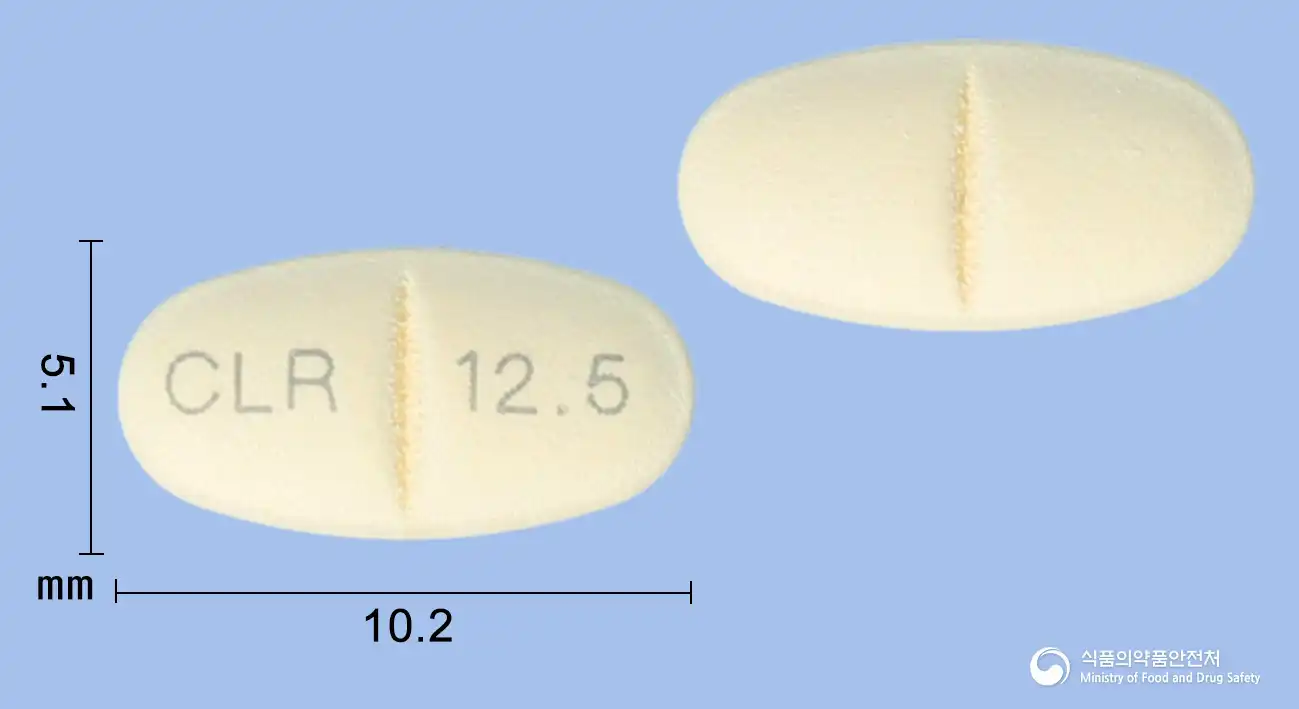
Alogliptin Benzoate 17mg
Tablet · Prescription medication
Celltrion Pharmaceutical Co., Ltd.
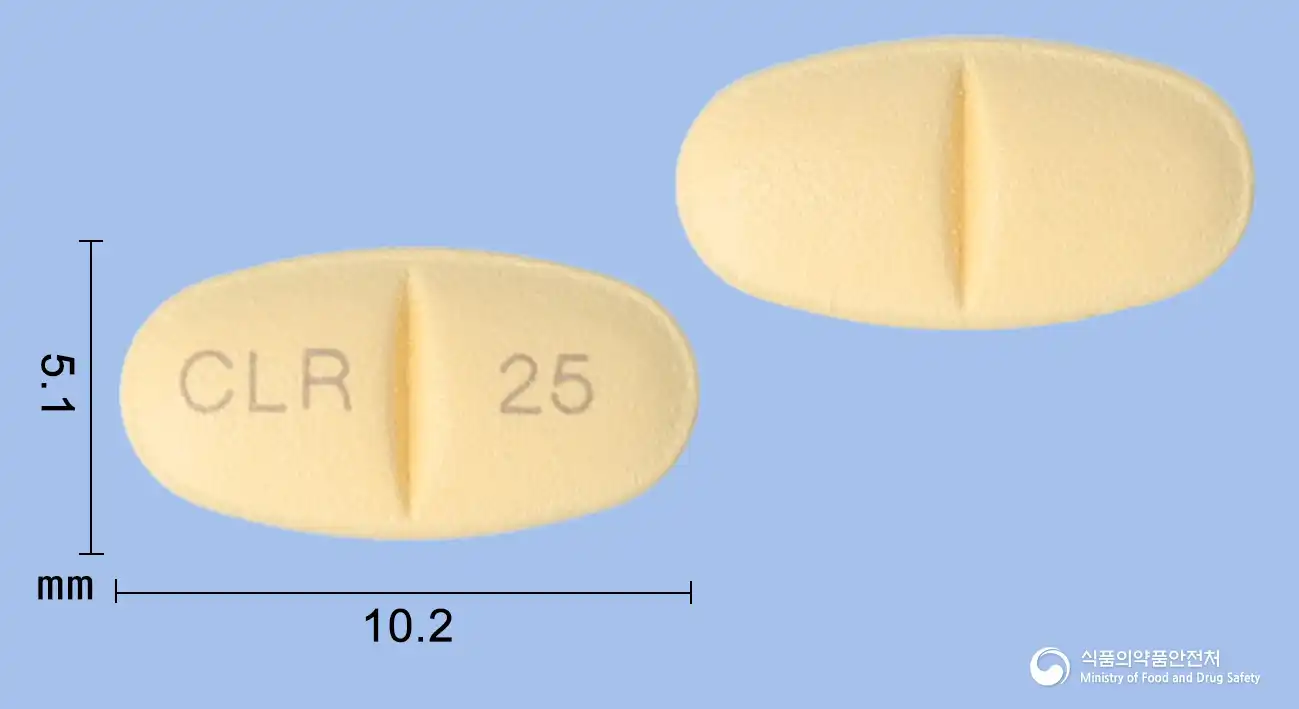
Alogliptin Benzoate 34mg
Tablet · Prescription medication
Celltrion Pharmaceutical Co., Ltd.
Even with the same ingredient, the dose and directions can differ by strength and dosage form. Talk to a doctor or pharmacist before switching from a medication you are already taking.
No questions yet.
For anything that needs medical judgment, consult a doctor or pharmacist.
This drug information is based on data provided by the Korea Ministry of Food and Drug Safety.
Consult a doctor or pharmacist for accurate dosage, administration, and usage instructions.