
 한국어
 English
 日本語
 中文(简体)
Dosage form image
Viewing nowOlmesartan Medoxomil 20mg Tablets
Olmesartan Medoxomil
Prescription medication
Huons Co., Ltd.
MFDS item code 201307476 · Approved 2013.05.27
This product's status changed to Expired on 2023.05.27. It may no longer be sold, so consult a doctor or pharmacist before taking it.
Treatment of essential hypertension
This medication is used for the treatment of essential hypertension. Essential hypertension is a condition in which blood pressure remains elevated for a long time, increasing the risk of cardiovascular diseases. This drug effectively lowers blood pressure to help control it and contributes to the prevention of complications. Consistent use, along with lifestyle improvements, is necessary and helps patients manage their blood pressure and enhance their health.
<Adults> The recommended starting dose is 10mg once daily, administered with or without food. If blood pressure is not adequately controlled at this dose, increase to 20mg once daily. If further blood pressure reduction is needed, the dose may be increased to a maximum of 40mg daily. The blood-pressure-lowering effect appears within 2 weeks after starting treatment and reaches its maximum effect at about 8 weeks. If blood pressure is not controlled with this medicine alone, it may be used in combination with a thiazide diuretic such as hydrochlorothiazide. To improve adherence, it is recommended to take the medicine at the same time every day, if possible (e.g., in the morning). In patients who may have reduced effective intravascular volume (e.g., patients taking diuretics, particularly those with renal impairment), it is recommended to start treatment at a low dose while closely monitoring their condition. <Elderly patients> No dose adjustment is necessary when administering this medicine to patients aged 65 years or older. <Patients with renal impairment> The maximum dose in patients with mild or moderate renal impairment (creatinine clearance 20-60mL/min) is 20mg once daily. <Patients with hepatic impairment> No dose adjustment is necessary in patients with mild hepatic impairment. In patients with moderate hepatic impairment, the recommended starting dose is 10mg once daily, which may be increased to a maximum of 20mg daily. Use is not recommended in patients with severe hepatic impairment because there is no experience with its use in these patients.
Safety and efficacy in pediatric patients have not been established.
This medication can cause serious harm or death to fetuses and newborns if taken during the second and third trimesters of pregnancy, so it must be discontinued immediately if pregnancy is confirmed. Those with allergies to this medication, who are pregnant or breastfeeding, undergoing kidney dialysis, have severe liver impairment, biliary obstruction, or lactose intolerance should not take this medication. Patients with low blood volume or salt may experience hypotension when starting this medication, and caution should be exercised. Patients with weak kidney function or kidney transplant recipients should regularly monitor kidney function and electrolyte status through blood tests. Particularly, patients with unilateral or bilateral renal artery stenosis may be at increased risk of kidney function deterioration and should be cautious. This medication can cause hyperkalemia; therefore, patients with heart failure or poor kidney function should regularly check potassium levels in the blood. Patients with aortic or mitral valve stenosis and obstructive heart disease need to be particularly cautious when taking this medication. Low blood pressure may cause dizziness; therefore, it's advisable to avoid hazardous activities such as working at heights or operating vehicles. This medication has been used safely in most patients, with common side effects including dizziness, headache, back pain, indigestion, and chest pain, which are generally mild and transient. Occasionally, angioedema or facial swelling may occur, so any abnormal symptoms should prompt immediate consultation with medical personnel. When taken with other antihypertensive medications, the blood pressure-lowering effect may be enhanced, and caution is required if taken with potassium-sparing diuretics or potassium supplements, as this may dangerously elevate blood potassium levels. Coadministration with lithium preparations can increase lithium levels, potentially causing toxicity; thus, it should be avoided. When taken with non-steroidal anti-inflammatory drugs, kidney function may worsen, so attention should be given to fluid intake and kidney function monitoring. Taking this medication during pregnancy poses risks such as reduced fetal kidney function, oligohydramnios, and neonatal mortality; therefore, it should be stopped immediately upon confirmation of pregnancy. Breastfeeding women are advised to discontinue breastfeeding or the medication, as it may pass into breast milk. Safety in pediatric patients has not been established, so caution should be exercised when using in children. For the elderly, monitoring and dose adjustments are necessary, as this medication's body concentration may increase. Overdosing may result in symptoms like hypotension and palpitations; if symptoms are severe, immediate medical attention should be sought. This medication has been reported to have low risk of carcinogenicity or genotoxicity even with long-term use, but appropriate use according to body condition is important.
Not everyone experiences these, and they can vary from person to person.
This medication should be stored in a sealed container to prevent exposure to air and moisture and is best kept at room temperature between 1 degree and 25 degrees Celsius. This helps maintain the medication's effectiveness and ensures safe usage.
White round film-coated tablets
300 tablets/bottle, 30 tablets/bottle
Even with the same ingredient, strength, dosage form and how it is taken can differ.
Olmesartan Medoxomil
Prescription medication
Huons Co., Ltd.
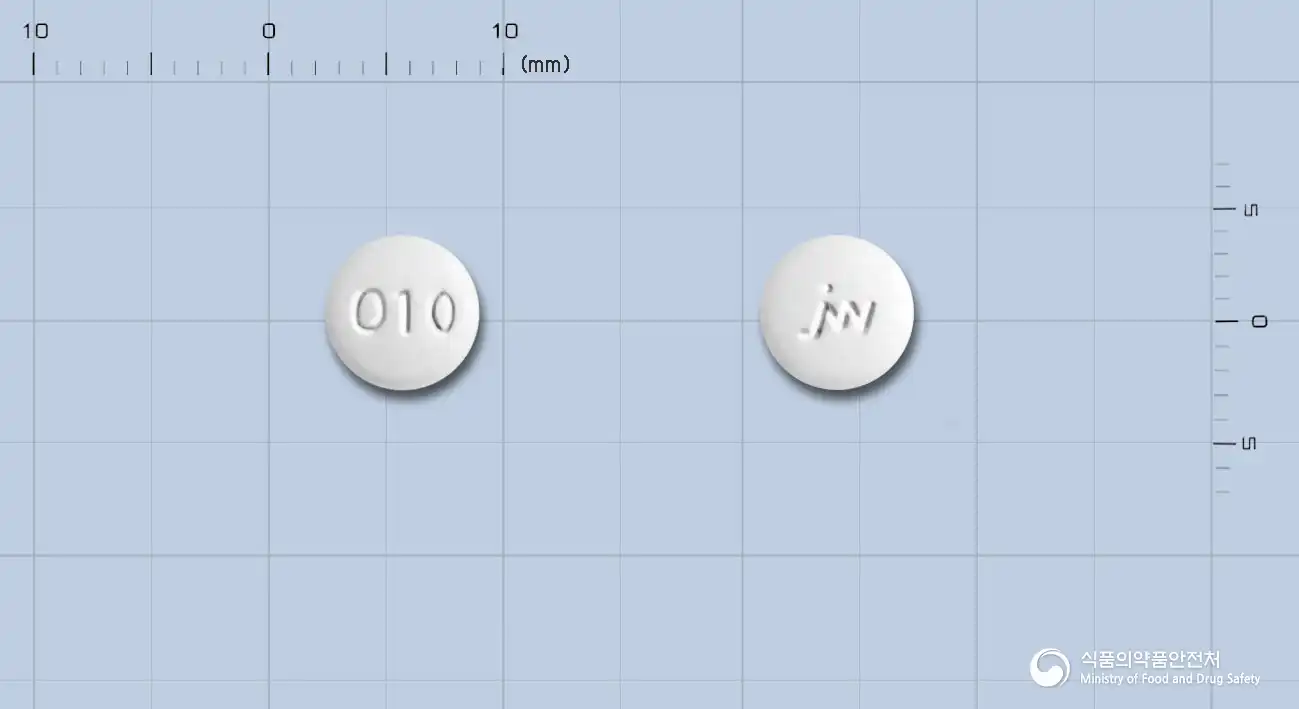
Olmesartan Medoxomil 10mg
Tablet · Prescription medication
JW Pharmaceutical Corporation
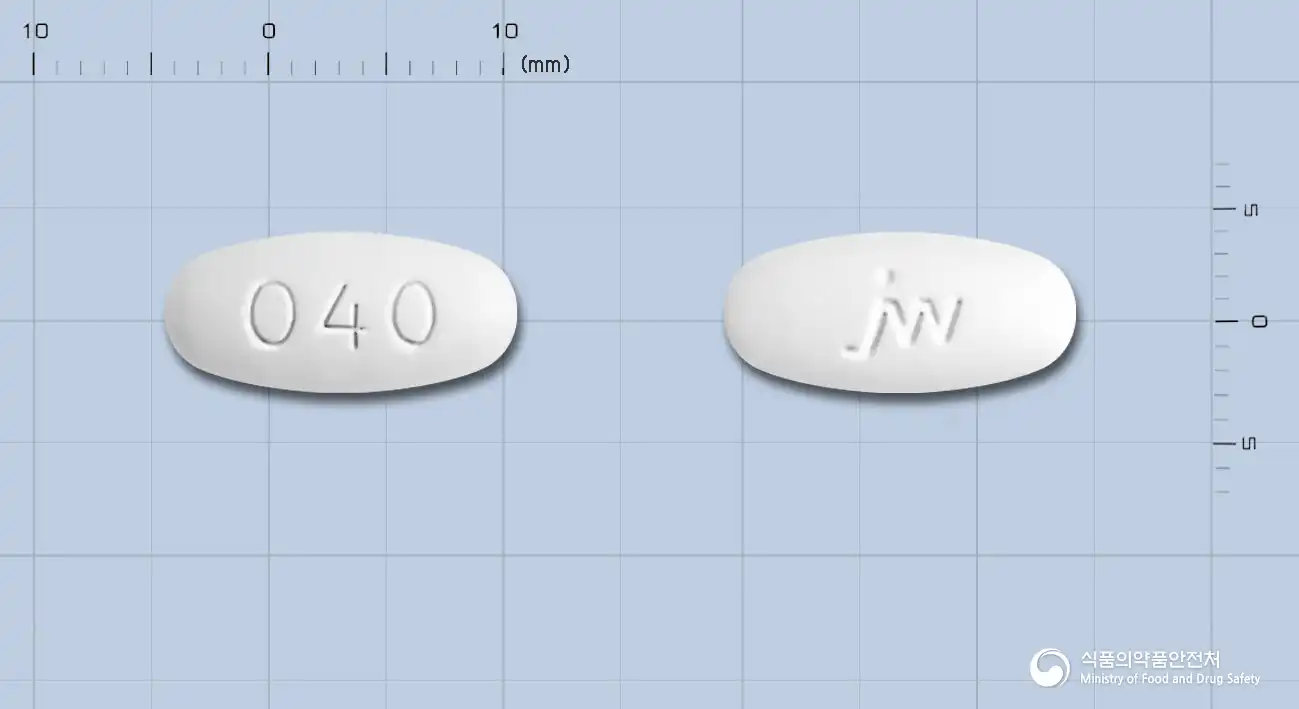
Olmesartan Medoxomil 40mg
Tablet · Prescription medication
JW Pharmaceutical Corp.
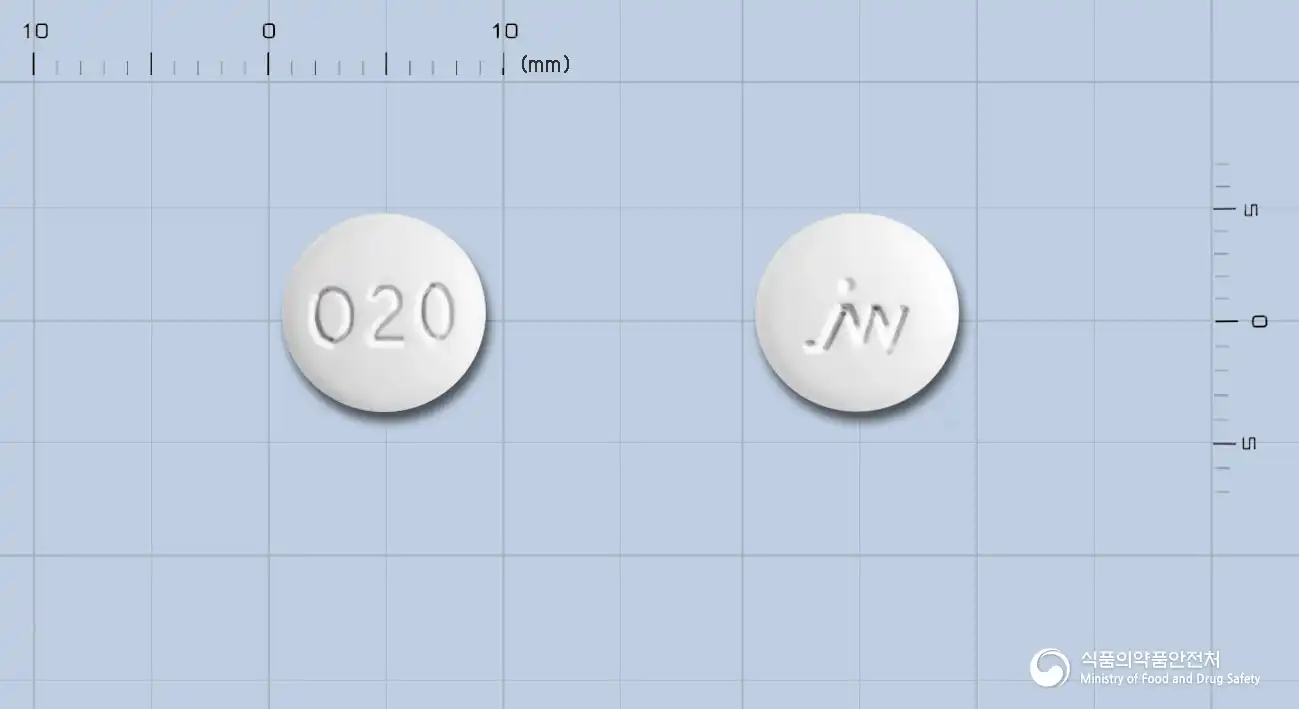
Olmesartan Medoxomil 20mg
Tablet · Prescription medication
JW Pharmaceutical Corporation
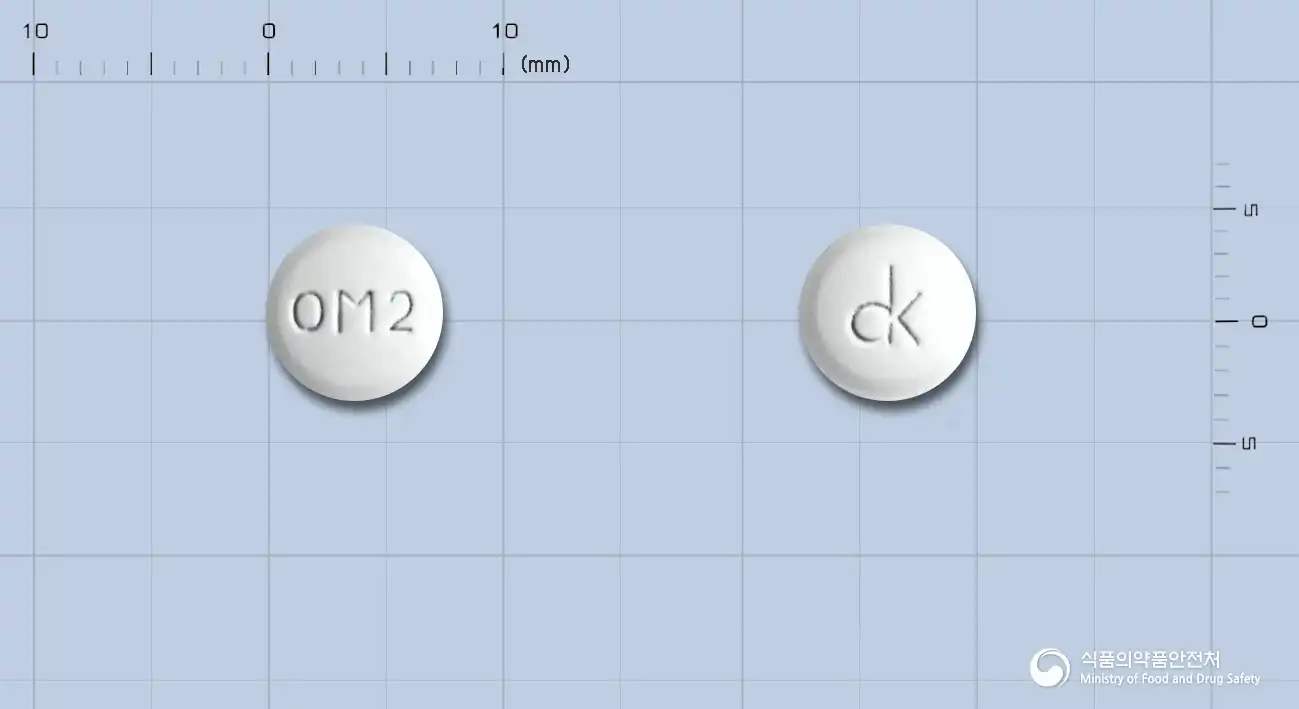
Olmesartan Medoxomil 20mg
Tablet · Prescription medication
Dongkuk Pharmaceutical Co., Ltd.
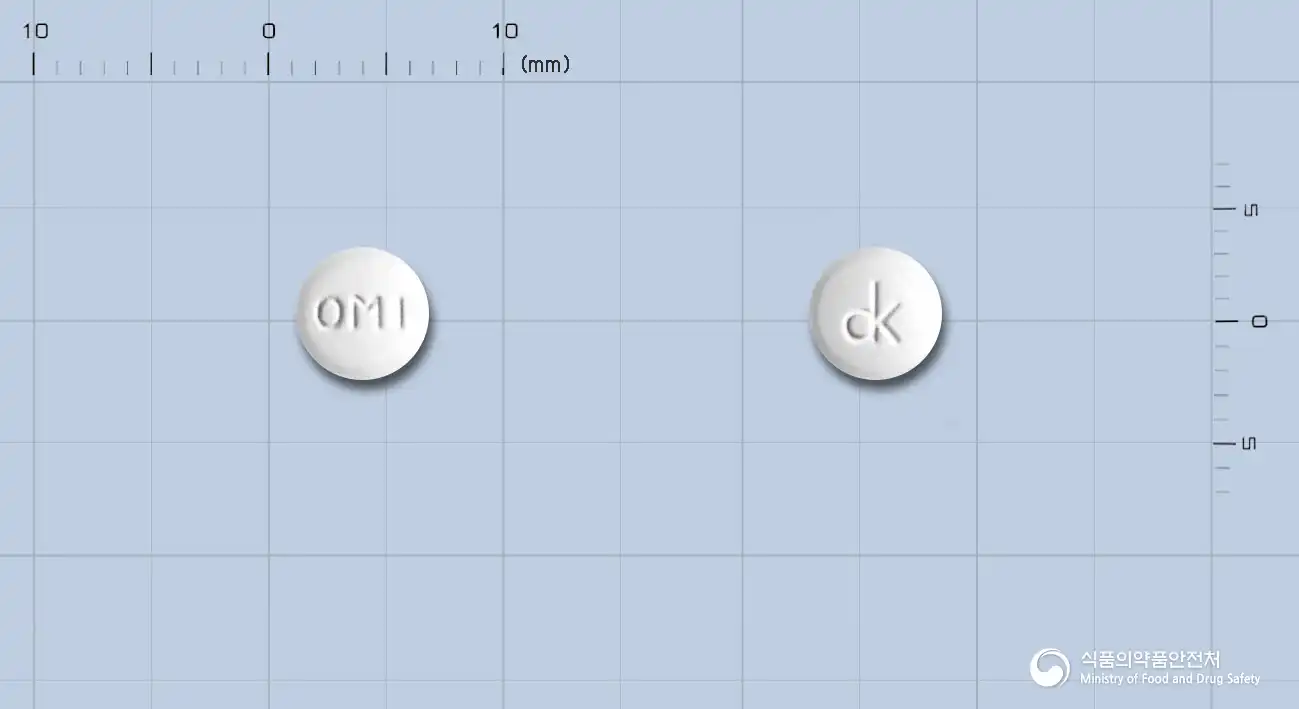
Olmesartan Medoxomil 10mg
Tablet · Prescription medication
DongKook Pharmaceutical Co., Ltd.
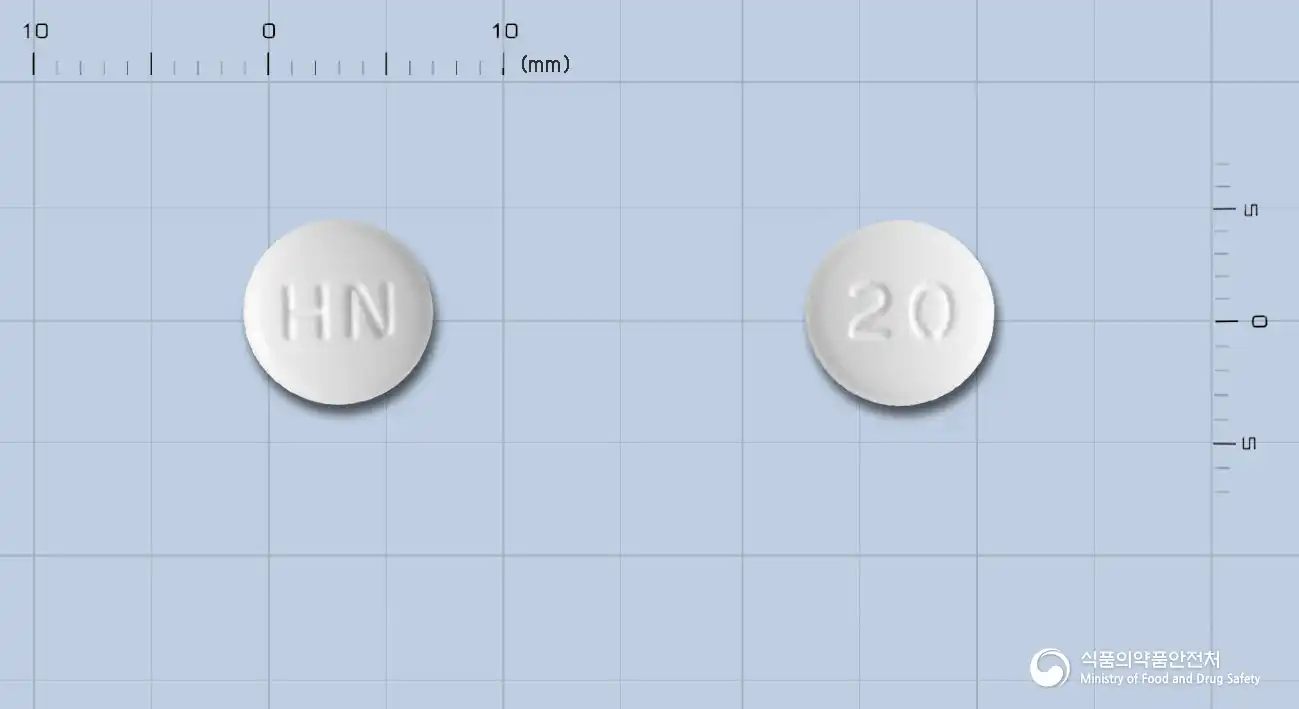
Olmesartan Medoxomil 20mg
Tablet · Prescription medication
Hana Pharmaceutical Co., Ltd.
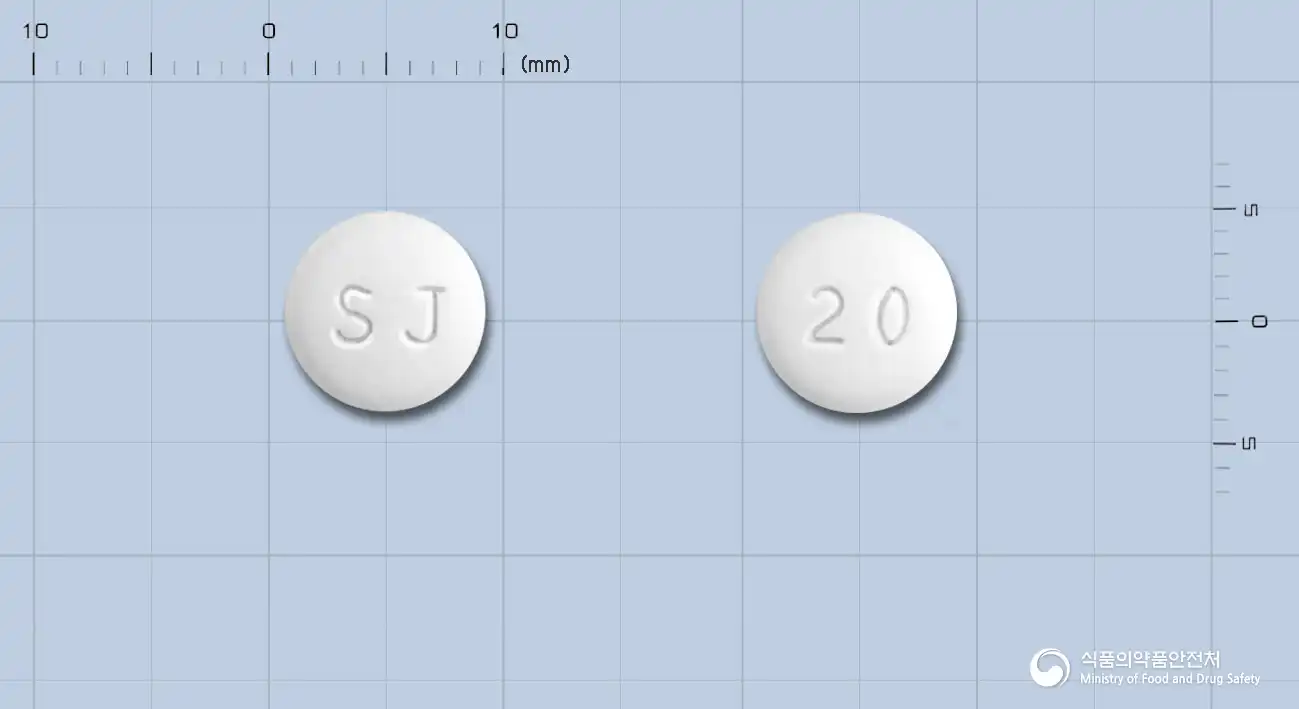
Olmesartan Medoxomil 20mg
Tablet · Prescription medication
Samjin Pharmaceutical Co., Ltd.
Even with the same ingredient, the dose and directions can differ by strength and dosage form. Talk to a doctor or pharmacist before switching from a medication you are already taking.
No questions yet.
For anything that needs medical judgment, consult a doctor or pharmacist.
This drug information is based on data provided by the Korea Ministry of Food and Drug Safety.
Consult a doctor or pharmacist for accurate dosage, administration, and usage instructions.